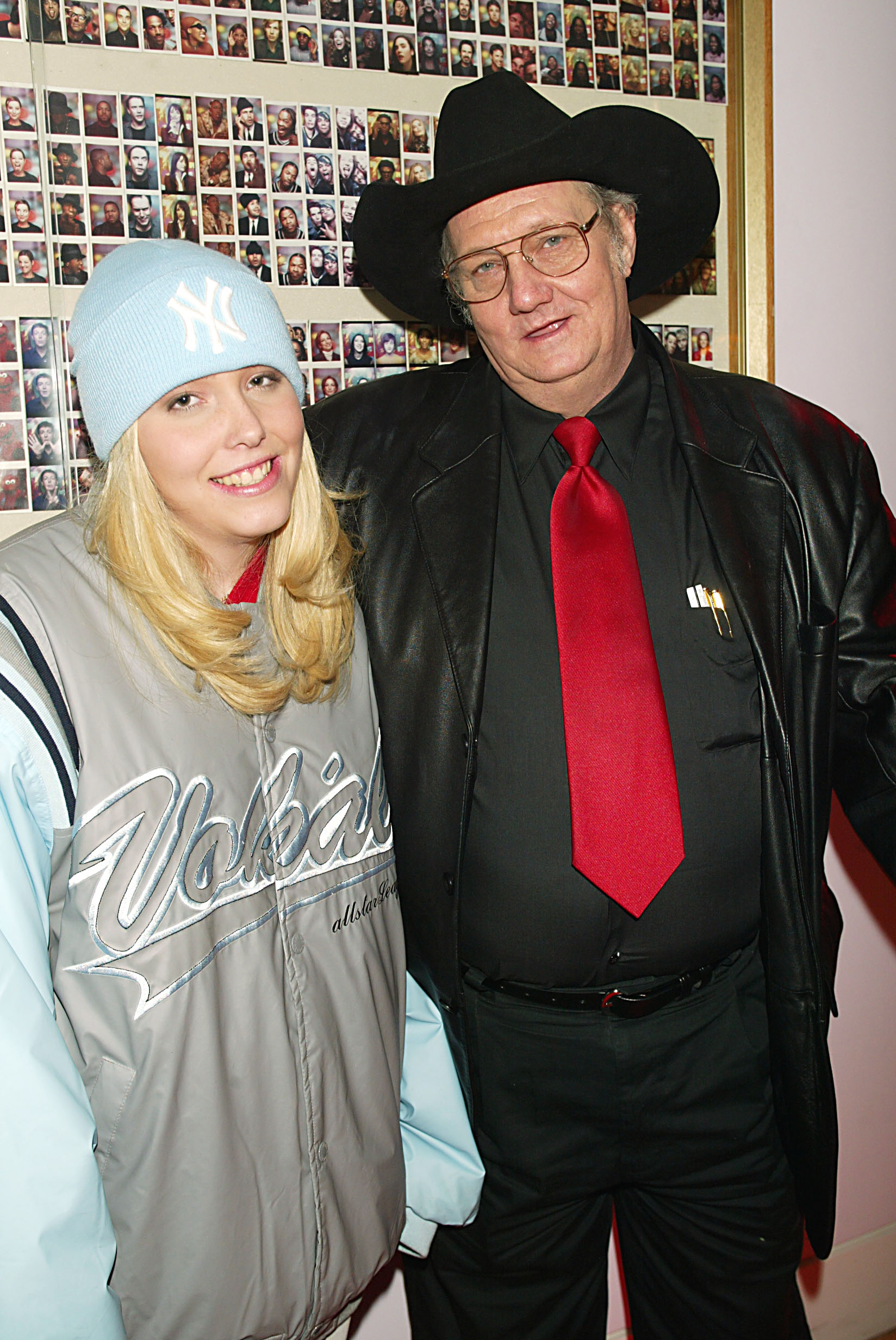
At the time of his passing in June 2020, Andrew Jackson "Jack" Whittaker Jr. held a net worth estimated to be nominal, having lost the vast majority of his fortune. Prior to his record-breaking $314.9 million Powerball win in December 2002, Whittaker was already a successful West Virginia contractor with an estimated personal net worth of $17 million. After tax withholdings on his lump-sum lottery payout, he received approximately $113.4 million, but a combination of public lawsuits, high-profile thefts, casino debts, charitable giving, and personal tragedy erased his wealth within a decade.
Profile Overview: Andrew J. Whittaker Jr.
| Financial Milestone | Estimated Amount / Detail | Source / Context |
|---|---|---|
| Pre-Lottery Net Worth (2002) | ~$17,000,000 | Diversified Enterprises Inc. & Real Estate |
| Gross Powerball Jackpot (Dec 2002) | $314.9 Million (Annuity Value) | Multi-State Lottery Association |
| Gross Lump-Sum Payout | $170.5 Million | Cash Option Selected |
| Net Post-Tax Cash Received | ~$113.4 Million | Federal & West Virginia Tax Deductions |
| Charitable Outlays (2002–2004) | ~$14,000,000+ | Jack Whittaker Foundation & Church Donations |
| Documented Theft & Robbery Losses | $1,000,000+ | Vehicle & House Robberies (2003–2006) |
| Est. Net Worth at Passing (2020) | Minimal / Insolvency Debts | Legal Judgments, Bank Claims & Loss of Assets |
Pre-Lottery Business Career and Asset Base
Long before becoming a household name in American lottery history, Andrew Jackson Whittaker Jr.—known universally as Jack Whittaker—was a prominent businessman in West Virginia. Born in 1947, Whittaker built his wealth through the commercial construction and pipeline infrastructure industries.
By the late 1990s and early 2000s, Whittaker served as the president and owner of Diversified Enterprises Inc., a contracting firm headquartered in Scott Depot, West Virginia. The company specialized in water and sewer line construction, site preparation, and industrial excavation across the Appalachian region.
Core Pre-Lottery Holdings
- Diversified Enterprises Inc.: A fully equipped contracting firm employing over 100 workers, with extensive heavy machinery, trucks, and active municipal contracts.
- Commercial Real Estate: Ownership of equipment yards, administrative offices, and industrial parcels across Putnam and Kanawha counties.
- Personal Liquidity & Investments: Prior to purchasing the winning ticket, court and media records indicated Whittaker maintained a personal net worth of roughly $17 million, supported by steady annual business revenues and unencumbered corporate assets.
Unlike many lottery winners who experience sudden wealth without prior business experience, Whittaker was already familiar with managing multi-million-dollar cash flows, payrolls, and commercial liability contracts. However, the private nature of his commercial enterprise differed drastically from the public scrutiny that followed his 2002 jackpot win.
The 2002 Powerball Jackpot: Payout and Tax Breakdown
On Christmas Eve in 2002, Whittaker purchased a winning Powerball ticket at a convenience store in Hurricane, West Virginia. The jackpot stood at $314.9 million, which was the largest single-ticket jackpot in American history at that time.
- Total Jackpot (Annuity): $314.9 Million
- Lump-Sum Cash Option: $170.5 Million
- Federal Income Tax Withholding (~27% upfront + final tax rate adjustment)
- West Virginia State Income Tax (~6.5%)
- Net Payout: ~$113.4 Million
- Lump-Sum Cash Option: $170.5 Million
Annuity vs. Lump-Sum Cash Option
Whittaker opted to take the immediate single cash payout rather than 30 annual payments.
- Advertised Jackpot (Annuity): $314.9 Million paid over 29 years.
- Gross Lump-Sum Value: $170.5 Million.
- Federal Tax Withholding: The IRS immediately withheld 25% of the gross prize, with Whittaker owing additional taxes at the top federal bracket during his year-end tax filing, bringing total federal taxes close to 35%–37%.
- State Income Tax: The state of West Virginia levied a 6.5% state income tax on the prize earnings.
After mandatory state and federal tax withholdings were completed, Whittaker received a net check of approximately $113.4 million.
Initial Capital Allocation and Philanthropy
Following the receipt of his net payout, Whittaker engaged in a high-profile series of charitable contributions, corporate expansions, and direct gifts. Because West Virginia law at the time required public disclosure of lottery winners, Whittaker’s identity and cash position were exposed immediately.
The Jack Whittaker Foundation
Whittaker established the non-profit Jack Whittaker Foundation with an initial endowment of approximately $14 million. The foundation funded:
- Emergency assistance, food, and clothing programs for low-income families in West Virginia.
- Grants to local Christian churches, specifically within the Church of God denomination.
- Educational scholarships and community infrastructure repairs in rural West Virginia counties.
Direct Personal Gifts and Business Expansion
- Store Clerk Gift: Whittaker purchased a new $123,000 house, a new Jeep Grand Cherokee, and provided $50,000 in cash to the store clerk who sold him the winning ticket.
- Diversified Enterprises Capital Expansion: He funneled millions into his existing construction firm, purchasing new heavy machinery and bidding on larger regional contracts.
- Family Support: Whittaker established monthly allowances, real estate purchases, and vehicle acquisitions for his wife, daughter, and granddaughter.
Factors Leading to Asset Depreciation
Despite his initial wealth and established business background, Whittaker’s net worth experienced rapid erosion over the decade following his jackpot win. This decline was driven by public vulnerability, civil litigation, theft, and personal tragedy.
1. High-Profile Robberies and Security Lapses
Because Whittaker frequently carried large amounts of cash in briefcases and openly frequented public venues, he became a primary target for theft.
- August 2003 Incident: While visiting a club in Cross Lanes, West Virginia, Whittaker’s parked vehicle was broken into. Thieves stole a briefcase containing $545,000 in cash and cashier's checks. The cash was later recovered, but the incident marked the start of repeated security failures.
- May 2004 Incident: Thieves again targeted Whittaker's vehicle, stealing an estimated $200,000 in cash, which was not recovered.
- Residential Break-Ins: Whittaker’s personal residence and business offices were subjected to repeated break-ins, property destruction, and safecracking attempts.
2. Legal Liabilities, Lawsuits, and Judgments
The exposure of his wealth created a surge of civil legal actions against Whittaker and his construction business. Over a ten-year period, he was named in dozens of lawsuits.
- Casualty and Injury Claims: Multiple personal injury suits were filed by patrons and employees regarding incidents at his properties or construction sites.
- Commercial Disputes: Subcontractors and suppliers filed claims alleging unpaid invoices as Diversified Enterprises experienced operational strain.
- Casino Lawsuits: In 2007, Caesars Atlantic City sued Whittaker for bouncing $1.5 million in checks issued to cover gambling debts. The legal conflict resulted in judgments and bank freezes that disrupted his personal accounts.
3. Financial Distraints and Bank Account Freezes
By 2007, civil legal judgments led to court-ordered attachments of Whittaker’s bank accounts. In several instances, bank records showed that legal claims had frozen millions in reserves, resulting in bounced checks to contractors, state tax authorities, and business partners.
4. Uninsured Property Losses
In November 2016, Whittaker’s primary home in Virginia burned to the ground in a catastrophic fire. Whittaker reported to local media outlets that the home was uninsured at the time of the fire, representing a total loss of the real estate and personal property contained within.
Family Tragedies and Personal Impact
The financial losses occurred alongside profound personal tragedy, which Whittaker frequently stated ruined his quality of life.
- Brandi Bragg (Granddaughter): Whittaker had given his 17-year-old granddaughter a substantial weekly allowance, alongside multiple vehicles. Her wealth exposed her to substance abuse and extortion. She went missing in late 2004 and was found deceased in December 2004.
- Ginger Whittaker Bragg (Daughter): In 2009, Whittaker’s daughter passed away, adding further strain to the family estate.
Whittaker openly reflected in later interviews with major news networks that he wished he had torn up the winning ticket, noting that the combination of public attention, loss of privacy, and family loss outweighed the value of the jackpot.
Net Worth at Death and Estate Status (2020)
Andrew Jackson Whittaker Jr. died on June 27, 2020, at the age of 72, following a long illness.
At the time of his passing, his active liquid assets were largely depleted. His remaining estate consisted primarily of encumbered real estate holdings, older construction equipment, and ongoing claims associated with Diversified Enterprises Inc., offset by remaining civil liabilities and legal settlements. While he was not formally declared bankrupt in federal court, financial evaluations of his public filings indicate his effective net worth had fallen from over $113 million post-tax down to a nominal or negative net position once all outstanding debts were factored in.
Asset Management & Legal Safeguards: Key Takeaways
The case of Jack Whittaker is widely cited by financial planners, estate attorneys, and wealth managers as an example of the risks associated with sudden wealth and the lack of asset protection planning.
| Wealth Protection Lessons | Strategy |
|---|---|
| 1. ANONYMITY PROCEDURES | Use Blind Trusts or LLCs where law permits. |
| 2. ASSET ISOLATION | Separate operational business risk from liquid cash. |
| 3. LIQUIDITY MANAGEMENT | Avoid carrying or maintaining excess liquid cash. |
| 4. FIDUCIARY GOVERNANCE | Place high-value gifts into irrevocable trusts. |
1. Privacy and Anonymity
When Whittaker won in 2002, West Virginia required public disclosure of lottery winners. Modern wealth management strategies stress using legal entities—such as blind trusts or limited liability companies (LLCs)—where allowed by state regulations, to collect large jackpots anonymously and shield winners from public solicitation and targeted crime.
2. Irrevocable Trusts for Family Members
Rather than providing direct cash allowances to minor relatives or young family members, financial planners advise establishing irrevocable spendthrift trusts. These legal vehicles enforce controlled distributions, appoint independent corporate trustees, and protect beneficiaries from financial exploitation and personal risk.
3. Separation of Corporate and Personal Assets
Whittaker commingled personal lottery capital with the operational finances of Diversified Enterprises Inc. Sound financial structuring dictates establishing clear liability walls between personal windfalls and high-risk commercial construction operations to prevent civil lawsuits in one domain from draining assets in another.
4. Umbrella Insurance and Property Coverage
Maintaining comprehensive casualty, property, and umbrella liability insurance is essential when high-net-worth status becomes public. Allowing primary real estate or commercial assets to go uninsured leaves an estate vulnerable to total capital loss in catastrophic events.
Frequently Asked Questions
What was Jack Whittaker’s net worth before winning the lottery?
Prior to winning the Powerball jackpot in December 2002, Jack Whittaker had an estimated net worth of $17 million. He accumulated this wealth as the owner and president of Diversified Enterprises Inc., a successful pipeline and contracting firm in West Virginia.
How much cash did Jack Whittaker actually take home after taxes?
Out of the $314.9 million advertised annuity jackpot, Whittaker selected the lump-sum cash option of $170.5 million. After mandatory federal income taxes (25% initial withholding plus end-of-year tax adjustments) and West Virginia state income taxes (6.5%), his final net cash payout was approximately $113.4 million.
How did Jack Whittaker lose his fortune?
Whittaker’s fortune was eroded by several factors: millions lost to high-profile cash thefts and robberies, extensive charitable donations, massive legal costs from dozens of civil lawsuits, unpaid casino debts, business losses in his construction company, and uninsured property losses, including a total-loss house fire in 2016.
Did Jack Whittaker file for bankruptcy?
Whittaker did not formally file for Chapter 7 or Chapter 11 personal bankruptcy in federal court. However, multiple bank account attachments, state tax liens, court judgments, and frozen accounts in the years prior to his death in 2020 effectively drained his liquid assets, reducing his net worth to nominal levels.
When did Jack Whittaker pass away, and what happened to his estate?
Jack Whittaker passed away on June 27, 2020, at the age of 72 after a long illness. His estate was subject to residual creditor claims, outstanding legal settlements, and asset liquidations, leaving little liquidity for surviving heirs compared to his peak net worth.
Next Steps for Sudden Wealth Management
For individuals managing sudden high-net-worth transitions—whether from business sales, legal settlements, inheritances, or financial windfalls—establishing asset protection early is critical:
- Retain a Qualified Fiduciary Team: Engage a fee-only financial planner, a certified public accountant (CPA), and an estate planning attorney before collecting or liquidating major assets.
- Establish Protective Entities: Utilize irrevocable trusts, limited liability companies, and asset-protection structures to shield wealth from frivolous litigation and direct public access.
- Draft a Controlled Distribution Plan: Avoid direct cash gifts to family members by using discretionary trusts managed by professional trustees.
- Audit Insurance Policies: Maintain comprehensive asset protection policies, including high-limit personal umbrella policies, commercial liability insurance, and current property coverage.
Disclaimer: This article is for informational, historical, and educational purposes only and does not constitute formal legal, tax, or financial advice. Individuals seeking assistance with estate planning or sudden asset management should consult qualified, licensed professionals.