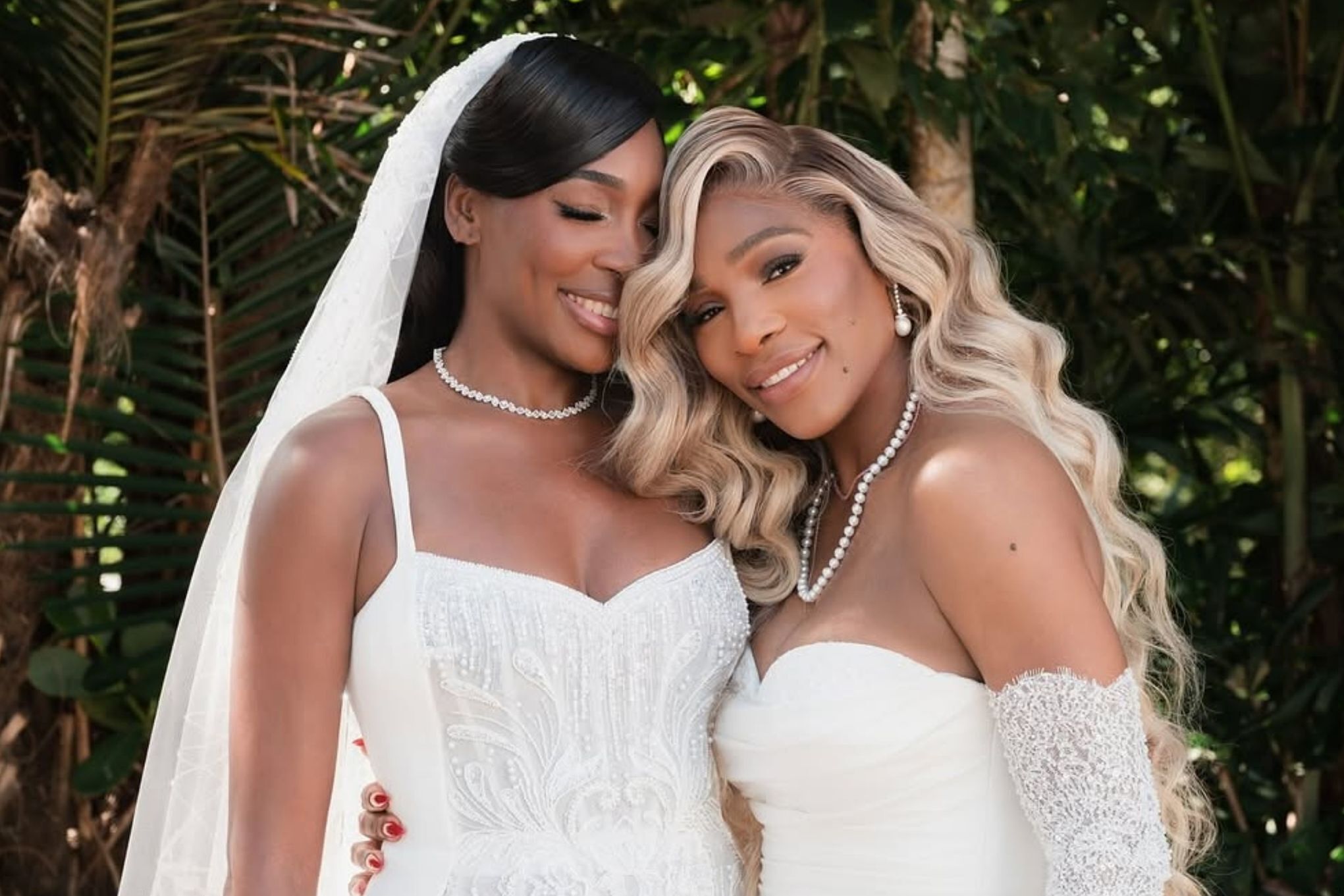
Season 6 of Serena brings unexpected narrative shifts, dramatic character developments, and major twists that redefine the television landscape and captivate dedicated viewers worldwide.
Television seasons that achieve long-running success often face the daunting challenge of subverting audience expectations while staying true to their core identity. When analyzing the trajectory of Serena, Season 6 stands out as a watershed moment characterized by high-stakes creative choices, structural disruptions, and emotional payoffs that left viewers talking long after the credits rolled. Rather than relying on comfortable formulas, the writers and showrunners introduced bold plot developments that redefined relationships, reshaped power dynamics, and challenged preconceived notions about key characters.
Examining the trajectory of Serena Season 6 requires a close look at how narrative pacing, character arcs, and thematic depth intersect. From shocking exits to long-awaited reunions and sudden shifts in genre conventions, this installment completely altered the stakes. For fans and critics alike, understanding the anatomy of these surprises provides a deeper appreciation of modern serialized storytelling and the intricate mechanics required to keep a beloved series fresh across multiple years of production.
1. The Sudden Realignment of Power Dynamics
One of the most jarring surprises in Serena Season 6 is the complete collapse and restructuring of the established hierarchy. Characters who spent five seasons maneuvering from positions of strength or safety found themselves stripped of their influence overnight, forcing an emergency adaptation to new environments.
This dramatic shift avoided the common television trap of gradual decline, opting instead for a sudden, disruptive power vacuum. The narrative consequence was immediate: alliances formed out of desperation rather than strategy, and long-standing rivalries were temporarily frozen as characters faced existential threats. Scriptwriters utilized this structural disruption to test psychological resilience, revealing hidden vulnerabilities in characters previously perceived as bulletproof. The emotional resonance of these shifts anchored the early episodes, setting a tense tone that persisted throughout the broadcast run.
2. Unprecedented Character Exits and Fatal Twists
Long-running series often protect their core ensemble to maintain brand recognition, but Serena Season 6 cast aside conventional safety nets. The unexpected departure of major figures through high-impact narrative events sent shockwaves through the fandom and radically altered future storytelling possibilities.
These exits were not handled as background transitions; they served as explosive turning points that directly motivated the actions of surviving characters. By removing protective shields from central figures, the creative team established a sense of genuine peril where no one's narrative longevity was guaranteed. This approach elevated the emotional stakes of every confrontation, ensuring that viewers engaged with the material not as passive observers, but with the genuine tension that comes from unpredictable consequences.
3. The Structural Time Jump and Missing Years
To prevent narrative stagnation, Serena Season 6 implemented a bold temporal leap, skipping over several crucial years in the lives of its primary subjects. This stylistic choice bypassed anticipated immediate aftermaths in favor of exploring a world forever altered by unseen events.
The time jump introduced a fascinating storytelling puzzle for the audience: piecing together what happened during the missing interval through scattered clues, changed behaviors, and altered institutional structures. Relationships had soured or solidified off-screen, new factions had risen to dominance, and personal philosophies had undergone radical transformations. This narrative gamble required viewers to recalibrate their understanding of the core ensemble, as past grievances clashed with unfamiliar present-day realities.
4. Subversion of Fan-Favorite Romantic Arcs
Romantic pairings in television often follow predictable trajectories of tension, union, conflict, and eventual resolution. Serena Season 6 actively dismantled these tropes by steering major relationships into deeply uncomfortable, unexpected territories rather than providing easy fan service.
Instead of rewarding years of emotional investment with harmonious resolutions, the writers exposed deep-seated incompatibilities and toxic codependency within fan-favorite pairings. Characters grew apart in realistic, painful ways, choosing self-preservation over forced reconciliation. This commitment to emotional honesty over comfortable tropes earned critical acclaim, even as it provoked intense debate within online fan communities.
| Narrative Element | Preceding Seasons | Serena Season 6 Shift | Audience Impact |
|---|---|---|---|
| Power Structure | Centralized authority and predictable factions | Complete collapse and sudden power vacuum | High tension and forced tactical alliances |
| Ensemble Safety | Core cast protected by narrative armor | High-impact exits and permanent removals | Genuine peril and heightened emotional stakes |
| Temporal Flow | Linear, day-by-day progression | Significant off-screen time jump | Discovery-driven engagement and mystery |
| Romantic Arcs | Will-they-won't-they tension and resolution | Deconstruction and permanent parting | Intense debate and critical acclaim |
5. Radical Shifts in Visual Aesthetics and Directorial Tone
Beyond scriptwriting and character development, Serena Season 6 surprised audiences with a distinct visual makeover. The color grading, framing choices, and pacing of individual episodes reflected the internal psychological decay of the characters, moving away from glossy presentation toward raw, atmospheric realism.
Directors employed unconventional framing and extended single-take sequences during pivotal emotional scenes, allowing performances to breathe without rapid-fire editing distractions. This aesthetic evolution mirrored the thematic darkness of the season, creating a cohesive audiovisual experience that reinforced the narrative's heavier stakes. Critics noted that this stylistic evolution elevated the series from standard serialized drama to a work of cinematic ambition.
6. The Re-evaluation of Historical Antagonists
Characters previously categorized as irredeemable villains underwent complex humanization processes in Serena Season 6. Rather than relying on simple mustache-twirling antagonists, the writing room dove deep into the systemic pressures, trauma, and ideological motivations that created these figures.
This narrative nuance did not excuse past actions, but it provided a layered context that challenged viewers to grapple with moral ambiguity. When historic enemies were forced to cooperate with the protagonists against a mutual, larger threat, the resulting friction produced some of the most compelling dramatic sequences of the entire run. The blurring lines between hero and villain enriched the thematic tapestry of the show.
7. The Introduction of Unconventional Narrative Pacing
Traditional seasonal structures usually build toward a mid-season climax and a massive finale. Serena Season 6 disrupted this rhythm by front-loading major revelations into the earliest episodes and using the back half of the season for quiet, character-driven fallout rather than frantic action set pieces.
This inverted pacing model caught viewers off guard, subverting expectations about where dramatic peaks should occur. By prioritizing emotional aftermath over explosive plot twists in the closing episodes, the series demonstrated a mature confidence in its audience's patience and desire for psychological depth over superficial spectacle.
8. High-Risk Narrative Ambition and Genre Blending
While fundamentally rooted in its core genre, Serena Season 6 incorporated elements of psychological thriller, political drama, and surrealist art-house cinema. Dream sequences, unreliable narrators, and non-linear storytelling devices appeared with increasing frequency, challenging the audience to question the objective reality of what was shown on screen.
This stylistic boundary-pushing polarized casual viewers while thrilling critics who appreciated the creative fearlessness. The willingness to alienate portions of the audience in pursuit of artistic vision marked a defining phase in the series' cultural footprint.
9. Resolution of Long-standing Lore Mysteries
For years, dedicated fans dissected background details, prophetic statements, and minor clues regarding the overarching mythology of the series. Serena Season 6 answered many of these long-standing questions, but often in ways that upended fan theories rather than validating them.
Instead of clean, comforting closures, the answers brought new complications, proving that understanding the past did not guarantee control over the future. This deconstruction of established lore rewarded attentive viewers while simultaneously keeping the narrative unpredictable and dynamic.
10. The Ambiguous and Provocative Conclusion
The final surprise of Serena Season 6 was its refusal to provide a neat, tidy resolution. Rather than tying up every loose end, the final moments left crucial character fates and institutional futures hanging in a state of unresolved tension.
This open-ended conclusion sparked intense post-broadcast analysis, discussions, and debate across media platforms. By choosing thematic resonance over definitive closure, the creative team ensured that the impact of Serena Season 6 would linger long after the final frame faded to black.
Frequently Asked Questions
What makes Serena Season 6 different from previous seasons?
Serena Season 6 stands out due to its willingness to dismantle established power structures, introduce high-stakes character exits, employ a major time jump, and shift toward psychological realism over formulaic plotting.
Were the creative choices in Serena Season 6 well received by fans?
Reception was initially polarized due to shocking character departures and the subversion of popular romantic arcs, though critical appraisal praised the season's narrative ambition and emotional depth.
Did Serena Season 6 resolve major plot mysteries?
Yes, the season answered numerous long-standing lore questions, though it frequently subverted established fan theories and introduced new complications rather than providing easy closures.
How did the visual style change in this installment?
The season adopted a darker, more atmospheric color palette, utilized unconventional framing, and incorporated extended single-take sequences to mirror the psychological state of the characters.
Where can I watch Serena Season 6?
Availability depends on regional streaming licenses, local broadcast networks, and digital purchase platforms operating in your jurisdiction as of 2026. Check official distribution partners for current streaming access.
Next Actions and Recommendations
For viewers returning to Serena Season 6 or experiencing it for the first time, approaching the season with an open mind toward narrative subversion is essential. To fully appreciate the intricate callbacks and structural shifts, consider rewatching key episodes from Season 5 to refresh your memory on character alignments before the time jump. Engage with critical reviews and community discussions to explore alternative interpretations of ambiguous plot points and thematic motifs.