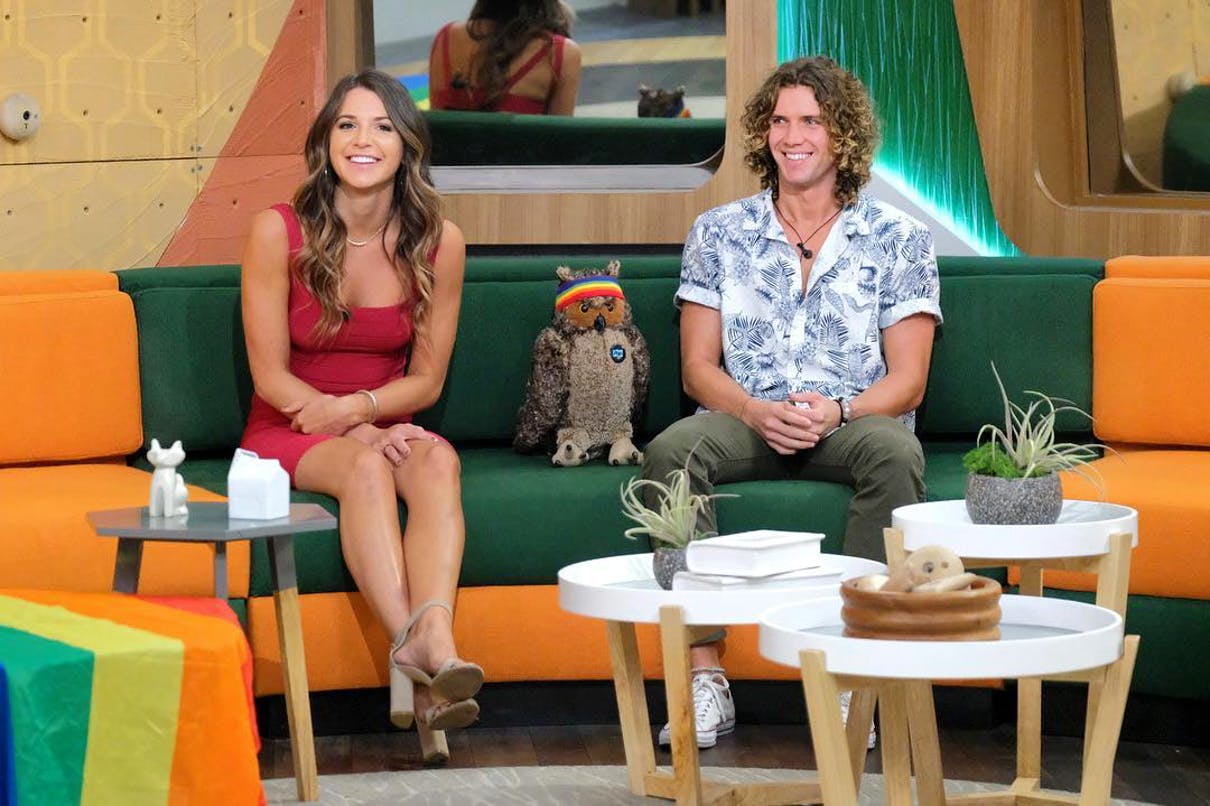
Tyler Crispen, a former lifeguard from Hilton Head, South Carolina, became a central figure in the history of the American reality television series Big Brother following his standout performance in the show’s 20th season, which aired in 2018. Known for his social manipulation, strategic gameplay, and ability to influence the house dynamic, Tyler remains a frequent reference point for fans studying modern Big Brother archetypes. As of 2026, he is recognized for his enduring impact on the game, his subsequent professional ventures, and his continued influence within the reality TV community.
Early Life and Path to Big Brother 20
Before his television debut, Tyler Crispen worked as a lifeguard in Hilton Head, South Carolina. His background in this profession often surfaced during his time on the show, where he was frequently depicted as physically fit and laid-back. However, this relaxed exterior served as a deliberate strategic mask during Big Brother 20. When he entered the house, he was 23 years old and brought a level of game awareness that allowed him to navigate the high-stress environment of the Big Brother house with surprising composure.
The casting process for Big Brother typically identifies individuals who can provide both entertainment value and competitive drive. Tyler was selected for season 20, a season that was highly regarded for its influx of fresh players and a return to more traditional strategic elements. His casting proved pivotal for the season’s narrative, as he became the primary architect of the "Level Six" alliance, one of the most successful factions in the show’s modern history.
Strategic Gameplay in Big Brother 20
Tyler Crispen’s gameplay is frequently analyzed for its efficacy in balancing social influence with competition wins. His primary strategy, which he dubbed "winning by losing," involved manipulating the house’s perceptions so that he was rarely seen as the most immediate threat, despite being one of the most powerful players at any given time.
The Level Six Alliance
The core of Tyler’s success was the Level Six alliance. This group, which also included players like Kaycee Clark, Angela Rummans, and Brett Robinson, operated with high efficiency, controlling almost every eviction vote for the duration of the season. Tyler acted as the central communication hub for this group, ensuring that they had a presence in every conversation occurring in the house. By acting as a "confessor" to members of the opposing alliance, he was able to extract critical information, which he then funneled back to his own faction.
Competition Performance
Beyond his social game, Tyler was a formidable competitor. Throughout his tenure on Big Brother 20, he secured multiple Head of Household (HOH) and Power of Veto (POV) victories. His ability to win competitions at critical junctures allowed him to keep his alliance safe while effectively dictating the week-to-week targets. His performance was not merely about winning; it was about choosing when to win to maintain his standing within the house hierarchy without drawing unnecessary ire from the jury members.
The Finale Outcome
Tyler eventually reached the final two alongside his close ally, Kaycee Clark. In the final vote, he lost to Kaycee in a 5–4 decision. This result generated significant debate among fans, with some arguing that Tyler played a superior game while others emphasized the importance of social bond building—a criterion that Kaycee excelled in during the final stages of the game. Despite not winning the grand prize, Tyler was awarded the title of "America’s Favorite Houseguest," a testament to his popularity among the viewing audience.
Professional Ventures and Life Post-Show
Following his departure from the Big Brother house, Tyler transitioned into the world of social media content creation and entrepreneurship. He leveraged his newfound visibility to establish a career that focused on lifestyle branding. One of his notable ventures included the launch of Salt & Butter, an online boutique. This move highlighted a trend common among reality television alumni: translating a personality-based following into a tangible retail or service-oriented business.
As of 2026, Tyler remains engaged with the broader reality television community. His presence on platforms like YouTube and Instagram has allowed him to maintain a connection with his original fan base while diversifying his output to include fashion, fitness, and lifestyle advice. He has also remained a recurring topic of discussion for Big Brother superfans, who often look back at his gameplay as the "gold standard" for a social-strategic hybrid player in the show's middle era.
Comparative Overview of Notable Players
To understand Tyler’s standing within the Big Brother pantheon, it is useful to view his trajectory alongside other high-performing houseguests. The following table highlights common metrics used by analysts to evaluate player performance across different seasons.
| Player | Season | Key Alliance | Strategic Style | Final Status |
|---|---|---|---|---|
| Tyler Crispen | 20 | Level Six | Social Manipulator | Runner-up |
| Dan Gheesling | 10, 14 | The Renegades | Chaos Management | Winner / Runner-up |
| Dr. Will Kirby | 2, 7 | Chilltown | Puppet Master | Winner / Finalist |
| Derrick Levasseur | 16 | The Detonators | Under-the-radar | Winner |
| Cody Calafiore | 16, 22 | The Committee | Competition Beast | Runner-up / Winner |
Note: Data reflects official historical records from the series. Strategic styles are based on common fan and critic consensus regarding gameplay patterns.
Analysis of the "America's Favorite Houseguest" Designation
The "America's Favorite Houseguest" (AFH) title is a significant accolade in Big Brother. Unlike the winner of the game, who is chosen by a jury of evicted houseguests, the AFH is decided by the viewing audience. This distinction is important because it rewards a player for their entertainment value, likability, and the "story" they provide to the audience over the course of a three-month season.
Tyler’s win in this category indicated a strong disconnect between the internal jury’s perception and the external audience’s perception. While the jury rewarded Kaycee Clark’s consistent social kindness and loyalty, the audience appreciated Tyler’s complexity, his vulnerability in the diary room, and his active role in driving the narrative forward. This pattern is not uncommon in Big Brother history, where the most active strategists often lose to players who excel in interpersonal relationship management.
Addressing Common Questions
Why is Tyler considered one of the best to never win?
Tyler is frequently cited as one of the best players to never win because he held near-total control over the house for the majority of his season. His ability to navigate complex social webs while maintaining a strong competition record demonstrated a high level of raw talent for the game’s mechanics.
How did Tyler’s relationship with Angela Rummans impact his game?
Tyler and Angela began a romantic relationship inside the Big Brother 20 house. This alliance was instrumental to their success, as it provided a layer of mutual trust that neither had with any other player. It also made them a "power couple," which eventually created a target on their backs, but their dominance in competitions allowed them to fend off eviction threats until the final stages.
Did Tyler return to the Big Brother house after season 20?
Yes, Tyler returned to compete in Big Brother: All-Stars (season 22) in 2020. His experience in this season was markedly different, as he faced players who were intimately familiar with his strategic tendencies from season 20. He eventually chose to self-evict during this season, citing a lack of motivation to continue playing the game under the changed social dynamics.
What are the core lessons for future contestants from Tyler’s game?
The main takeaway from Tyler’s game is the importance of "social layering." By building different relationships with every houseguest—each based on different levels of trust and information sharing—a player can ensure they are never the primary target. However, Tyler’s game also highlights the risk of losing the jury if those relationships are seen as purely transactional.
Strategic Limitations and Lessons
While Tyler’s gameplay is highly lauded, it was not without flaws. A recurring criticism of his performance in season 20 was the handling of the endgame. By the time the final jury members were being seated, the house had narrowed down to only members of his alliance. This created a scenario where the jury felt slighted, as Tyler had been the one to orchestrate their evictions.
His struggle to shift from the "executioner" role to the "advocate" role during the jury questioning process is a critical lesson for future players. In Big Brother, the game is played in two parts: the eviction phase, where strategy and competition matter most, and the jury phase, where emotional management and relationship repair become the keys to victory. Tyler mastered the former but faltered in the latter, leaving his legacy as a brilliant strategist who was perhaps too efficient for his own good.
Conclusion and Recommendations
Tyler Crispen’s tenure on Big Brother 20 serves as an essential case study for any aspiring reality TV contestant or analyst of social dynamics. His ability to synthesize information and control the flow of the game remains a benchmark for the series. For those looking to understand his gameplay, the best approach is to re-watch the Big Brother 20 feeds and episodes with a focus on his "diary room" segments, where he explicitly articulated his thought processes and strategic decision-making.
As a next step, fans of the genre might examine his post-show career to understand how reality television figures leverage their brand in the modern digital age. Whether or not one believes he "deserved" the win over Kaycee, it is undeniable that Tyler transformed the way modern Big Brother is played, emphasizing that control of the narrative is just as important as control of the vote.