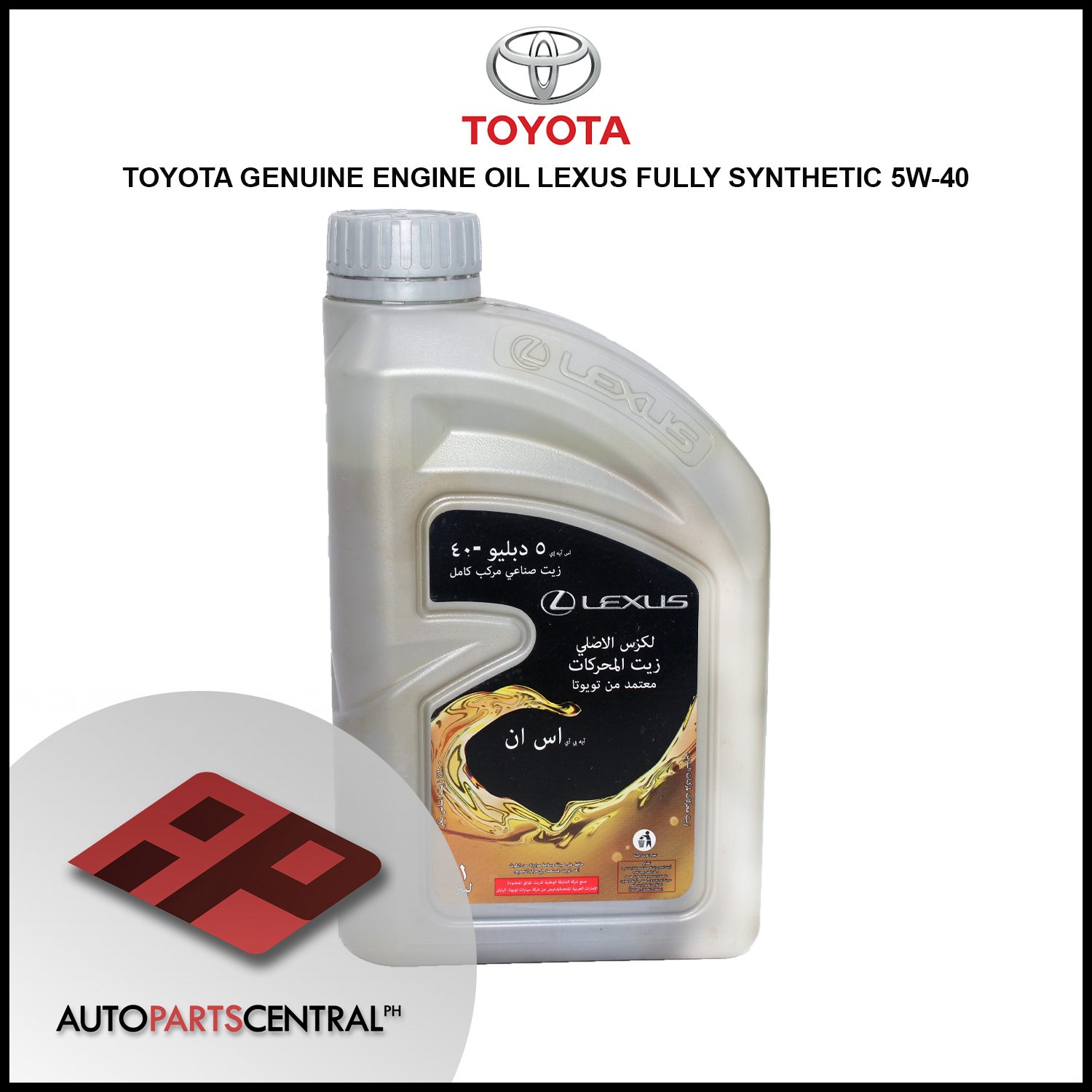
The Lexus IS250 typically requires a full synthetic motor oil with an SAE 5W-30 viscosity grade that meets the American Petroleum Institute (API) certification standards. For optimal performance and engine longevity, Lexus recommends using oil that complies with the ILSAC (International Lubricant Standardization and Approval Committee) multigrade engine oil requirements, specifically ensuring the container displays the API "Starburst" certification mark.
Understanding the Lexus IS250 Lubrication Requirements
The Lexus IS250, primarily powered by the 2.5-liter V6 engine (designated as the 4GR-FSE), is a precision-engineered machine that relies heavily on the quality and consistency of its lubrication system. Unlike older vehicle models that might tolerate conventional oils, the 4GR-FSE engine features direct injection and specific internal clearances that demand the superior thermal stability and flow characteristics of synthetic lubricants.
The "5W-30" specification is not merely a suggestion; it represents a technical balance between cold-start protection and high-temperature viscosity. The "5W" rating indicates the oil's flow characteristics during cold temperatures—a critical factor for reducing wear during the initial seconds of startup when the engine oil has not yet reached operating temperature. The "30" rating describes the oil’s resistance to thinning at high operational temperatures, ensuring that the critical bearings and the Direct Injection (D-4) system components remain protected under load.
Why Full Synthetic is Essential
Many owners often debate the necessity of full synthetic versus conventional or synthetic-blend oils. For the Lexus IS250, the manufacturer-recommended oil is full synthetic. The primary reason for this is the architecture of the engine's internal components and its fuel management system.
Full synthetic oils offer several distinct technical advantages:
- Oxidation Resistance: Synthetic oils are formulated to resist breaking down over extended mileage intervals, which is vital for the IS250's engine, which can operate at high temperatures.
- Shear Stability: These lubricants maintain their viscosity grade even when subjected to the intense pressure found in the valvetrain and cylinder walls.
- Volatility: Synthetic base stocks have a lower tendency to evaporate or "boil off" at high temperatures, which helps maintain proper oil levels and reduces carbon buildup, a common concern in direct-injection engines.
- Cold-Flow Performance: The synthetic base allows for immediate lubrication at startup, preventing the metal-on-metal friction that accounts for the majority of engine wear over the vehicle's lifespan.
Viscosity and Environmental Factors
While SAE 5W-30 is the standard for the majority of Lexus IS250 operating environments, owners should remain aware of how temperature extremes affect their choice. In regions experiencing consistent sub-zero temperatures, the "5W" ensures the oil remains thin enough to circulate rapidly. Conversely, in extreme heat, the "30" weight is calibrated to ensure the film strength of the oil does not drop below the point where metal-to-metal contact occurs.
It is highly recommended to consult your specific Owner’s Manual for the vehicle's year. While the 5W-30 standard remained consistent for the IS250 throughout its production run, manufacturers occasionally update service bulletins based on updated chemical formulations in modern oil. Using an incorrect viscosity—such as a 10W-40—can interfere with the Variable Valve Timing (VVT-i) system, which relies on oil pressure to actuate.
Comparing Motor Oil Specifications for the IS250
| Specification Property | Requirement for Lexus IS250 | Reason for Requirement |
|---|---|---|
| Viscosity Grade | SAE 5W-30 | Balanced protection for cold-start and heat |
| Oil Type | Full Synthetic | Thermal stability and deposit control |
| Service Category | API SN / SP or ILSAC GF-6 | Compatibility with emission and fuel systems |
| Change Interval | 5,000 to 10,000 Miles | Varies by year and driving conditions |
| Container Marking | API "Starburst" Symbol | Ensures energy-conserving standard |
The Role of Oil Filters and Additives
A motor oil specification is only as effective as the filtration system supporting it. When performing an oil change on a Lexus IS250, using an Original Equipment Manufacturer (OEM) filter is strongly advised. OEM filters are designed with the specific bypass valve pressure required for the V6 engine. A generic or aftermarket filter with an incorrect bypass setting may cause oil to bypass the filter element during cold starts or high-RPM operation, circulating unfiltered debris through the engine.
Regarding additives: Adding aftermarket oil supplements (such as friction modifiers or viscosity index improvers) is generally discouraged. Modern synthetic 5W-30 oils are already formulated with a complex balance of detergents, anti-wear agents, and dispersants. Introducing external additives can disrupt this chemical balance, potentially causing foaming or sludge formation, which can damage the engine's sensitive internal sensors.
Common Mistakes to Avoid
Owners frequently make errors that compromise the engine’s performance. Understanding these common pitfalls can extend the life of your Lexus:
- Over-tightening the Drain Plug: The IS250 uses a metal oil pan; over-tightening the drain plug can strip the threads. Always use a new crush washer every time the plug is removed.
- Ignoring Oil Consumption: Even healthy engines consume small amounts of oil. Checking your oil level every 1,000 miles is a best practice, especially as the vehicle ages.
- Extended Drain Intervals: While many modern oils are marketed as "long-life," the direct-injection 4GR-FSE engine is prone to carbon accumulation. Frequent changes (every 5,000 to 7,500 miles) are a proactive measure to keep internal components clean.
- Mixing Oil Weights: Never mix different viscosity grades. If you are in an emergency situation and must top off, use the correct 5W-30, even if the brand differs from what is currently in the crankcase.
Step-by-Step Verification of Oil Health
Beyond the scheduled interval, you can verify if your engine is performing well by checking the oil's physical state.
- Level Check: Ensure the car is on a flat surface and the engine is warm but has been shut off for at least 5–10 minutes. This allows the oil to drain back into the pan for an accurate reading.
- Color Analysis: Fresh oil is light amber. Dark brown or black oil is common in high-mileage engines due to carbon pickup. If the oil appears milky or contains metallic glitter, seek professional mechanical assistance immediately, as this indicates coolant contamination or internal wear.
- Odor Test: A strong smell of gasoline in the oil can indicate "fuel dilution," which occurs more frequently in direct-injection engines and may require more frequent oil changes or a diagnostic check of the fuel injectors.
Frequently Asked Questions
Can I use 0W-20 instead of 5W-30 in my IS250? No. You should strictly adhere to the 5W-30 specification. Using a lower viscosity like 0W-20, which is common in newer Lexus models, can lead to insufficient oil pressure and increased wear in an IS250 engine designed specifically for the higher film strength of a 30-weight oil.
What is the impact of using non-synthetic oil? Using conventional oil in an IS250 will likely lead to rapid thermal breakdown, sludge accumulation in the direct-injection fuel system, and potentially clogged oil passages. The engine’s tight tolerances require the clean-burning properties of synthetic oil.
Does the specific brand of oil matter? As long as the oil meets the required API and ILSAC standards listed on the bottle, the brand is less critical than the specification. However, many technicians recommend top-tier brands that demonstrate consistency in their additive packages.
What should I do if my oil light comes on? If the oil pressure light illuminates while driving, pull over safely and turn off the engine immediately. Check the oil level. If the level is low, add the specified 5W-30 oil. If the level is correct and the light remains on, do not drive the vehicle, as this indicates a failure of the oil pump or a blockage in the lubrication system.
Is it necessary to change the oil filter every single time? Yes. Always replace the oil filter during every oil change. Oil filters in the IS250 capture contaminants that, if left in the system, will circulate through the engine and degrade the quality of your fresh synthetic oil almost immediately.
Next Steps for Maintenance
For owners performing their own maintenance in 2026, the most practical next action is to purchase a high-quality OEM Lexus oil filter and the appropriate quantity of 5W-30 full synthetic oil based on the capacity listed in your owner's manual (typically around 6.5 to 6.7 quarts for the V6 engine). If you prefer professional service, verify that your local shop or dealership utilizes the correct synthetic specification rather than a bulk-rate oil. Maintaining a detailed record of your oil changes—including the date, mileage, and the specific brand of oil used—is essential for preserving the vehicle’s long-term value and mechanical reliability.