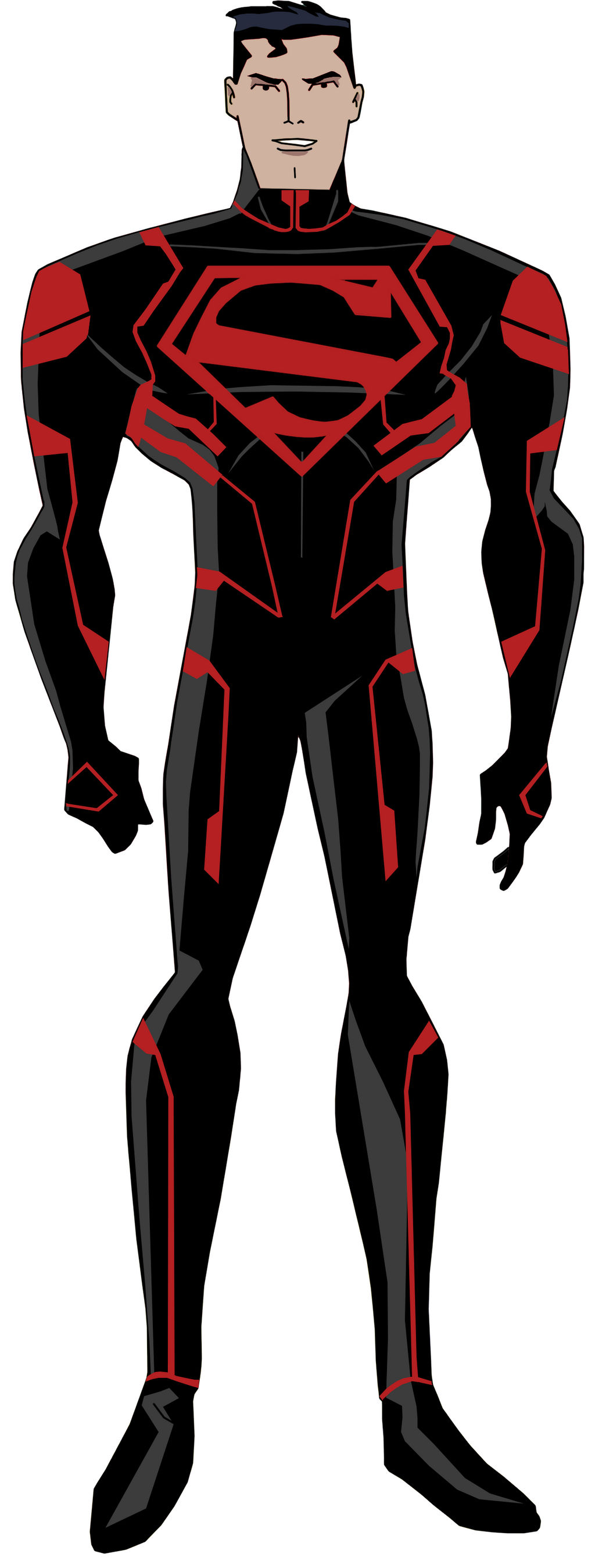
The relationship between the classic DC Animated Universe (DCAU) and the New 52-inspired DC Animated Movie Universe (DCAMU) represents two distinct storytelling epochs for DC Comics adaptations, each featuring completely different narrative continuities, artistic designs, and structural philosophies. While the DCAU laid the foundational blueprint for interconnected superhero television and film media throughout the 1990s and 2000s, the New 52 era ushered in a darker, more cohesive cinematic line-up directly adapting contemporary comic book reboots for a mature direct-to-video market.
Understanding how these two universes operate requires examining their origins, production timelines, structural frameworks, and overall impacts on comic book adaptation media. Although fans often group DC's animated projects together, the DCAU and the New 52 animated slate are separate entities produced decades apart under different creative leadership.
The Origins and Legacy of the DCAU
The DC Animated Universe officially began with Batman: The Animated Series in 1992 and expanded over nearly two decades through television shows, feature films, and tie-in media. Spearheaded by creators like Bruce Timm, Paul Dini, Alan Burnett, and Andrea Romano, this shared continuity established a gold standard for Western superhero animation.
Unlike fragmented adaptations of the past, the DCAU prioritized a long-form, cohesive narrative arc. Characters introduced in one series frequently crossed over into others, creating an immersive fictional world that respected viewer intelligence and continuity.
Core Pillars of the Classic DCAU Continuity
The primary television shows that anchor the DCAU timeline include:
- Batman: The Animated Series (1992–1995) and its continuation The New Batman Adventures (1997–1999).
- Superman: The Animated Series (1996–2000).
- The New Batman/Superman Adventures (1997–2000 package series).
- Batman Beyond (1999–2001), exploring a futuristic Gotham City under an aging Bruce Wayne and his successor Terry McGinnis.
- Static Shock (2000–2004) and The Zeta Project (2001–2002), which integrated into the broader continuity.
- Justice League (2001–2004) and Justice League Unlimited (2004–2006), bringing the entire pantheon together.
The era concluded with projects like Justice League vs. the Fatal Five (2019), though the definitive prime continuity essentially wrapped up with Justice League Unlimited and the epilogue episode of Batman Beyond titled "Epilogue."
The New 52 Era and the Birth of the DCAMU
In 2011, DC Comics radically restructured its comic book publishing line by cancelling all ongoing monthly titles and relaunching them with 52 new #1 issues—an event known as the New 52. This initiative aimed to modernize characters, streamline continuity, and appeal to new readers by offering accessible entry points.
Warner Bros. Animation and DC Entertainment soon adapted this strategy for their direct-to-video animated movie line. Starting officially with Justice League: The Paradox (though Justice League: War in 2014 serves as the true narrative launchpad), the studio built a new shared movie universe. This continuity is commonly referred to as the DC Animated Movie Universe (DCAMU) to differentiate it from both the classic DCAU and standalone original movies.
Characteristics of the New 52 Animation Style
The New 52 animated films departed sharply from the aesthetic and tone of the classic DCAU:
- Mature Content: The DCAMU targeted an older demographic, frequently earning PG-13 and R ratings for intense violence, blood, and adult themes.
- Visual Design: Character designs drew direct inspiration from Jim Lee's New 52 comic book redesigns, emphasizing heavy armor, high-collared costumes, and intricate linework.
- Tight Serialization: Rather than utilizing an expansive television format, the narrative unfolded across a tightly paced sequence of direct-to-video feature films, culminating in the reality-resetting event Justice League Dark: Apokolips War (2020).
Comparing DCAU and New 52 Animated Eras
To understand the structural and creative differences between these two milestones in DC animation, the following table breaks down their core production parameters, formats, and stylistic approaches.
| Feature / Metric | Classic DCAU (1992–2006) | New 52 / DCAMU Era (2013–2020) |
|---|---|---|
| Primary Medium | Television series with occasional feature films | Direct-to-video feature films (infrequent shorts) |
| Primary Visual Style | "Dark Deco" art style, stylized proportions, simplified shading | Modern comic book aesthetics, detailed line-work, Jim Lee influence |
| Target Audience | All-ages / Family-friendly with mature storytelling depths | Older teens and adults (frequent PG-13 and R ratings) |
| Key Creative Leads | Bruce Timm, Paul Dini, Alan Burnett | James Tucker, Jay Oliva, Constantine Segis |
| Narrative Structure | Expansive, slow-burn world-building across hundreds of TV episodes | Fast-paced, high-stakes continuity leading to a definitive grand finale |
Key Productions of the New 52 / DCAMU Timeline
The DCAMU consists of 16 interconnected feature films that follow a strict chronological progression. Unlike the episodic nature of the DCAU, missing a single entry in the DCAMU often leaves major gaps in character development—particularly regarding Damian Wayne (Robin), Superman, and Raven.
Essential Viewing Order for the New 52 Continuity
- Justice League: War (2014) – Introduces the formation of the League against Darkseid's invasion.
- Son of Batman (2014) – Introduces Damian Wayne and the League of Assassins.
- Justice League: Throne of Atlantis (2015) – Focuses on Arthur Curry's ascension as Aquaman.
- Batman vs. Robin (2015) – Explores the conflict between Batman and his son.
- Batman: Bad Blood (2016) – Expands the Bat-family with Batwoman and Nightwing.
- Justice League vs. Teen Titans (2016) – Integrates the younger heroes into the shared continuity.
- Justice League Dark (2017) – Introduces magical and supernatural entities like John Constantine and Zatanna.
- Teen Titans: The Judas Contract (2017) – Adapts the classic comic storyline within the New 52 framework.
- Suicide Squad: Hell to Pay (2018) – A gritty heist film featuring Task Force X.
- The Death of Superman (2018) & Reign of the Supermen (2019) – A two-part adaptation of the iconic 1990s comic event.
- Batman: Hush (2019) – Adapts the classic storyline with specific DCAMU continuity twists.
- Wonder Woman: Bloodlines (2019) – Explores Diana's early years and rogue gallery.
- Justice League Dark: Apokolips War (2020) – The epic, high-casualty conclusion to the entire DCAMU continuity.
Frequently Asked Questions
Are the classic DCAU and the New 52 animated films connected?
No, they exist in entirely separate continuities. The classic DCAU is anchored by Batman: The Animated Series and Justice League Unlimited, while the New 52 animated films (DCAMU) are a distinct movie line that began with Justice League: War in 2014 and ended with Apokolips War in 2020. Sharing characters does not mean sharing universes.
Which era is better for younger audiences?
The classic DCAU is generally much more suitable for younger viewers. While it deals with complex emotional themes, its television origins required adherence to broadcast standards and practices, resulting in minimal blood or explicit gore. Conversely, the New 52 animated movies frequently feature intense violence, strong language, and graphic imagery intended strictly for mature audiences.
Did the New 52 animated universe continue after Apokolips War?
No. Justice League Dark: Apokolips War was specifically designed as the final chapter of the DCAMU. Following its release, Warner Bros. Animation transitioned into standalone projects and new anthology universes, such as the Tomorrowverse, which utilizes a different visual style and separate continuity framework.
Do I need to read the New 52 comic books to understand the movies?
No, reading the comic books is not a prerequisite. While the films draw character designs, plot beats, and titles from Geoff Johns and other creators' New 52 comic runs, the movies function as standalone cinematic adaptations that modify storylines to fit a feature-length runtime.
Next Actions and Viewing Recommendations
If you are planning to dive into DC animation, your choice depends entirely on your preference for medium and tone. For sprawling, character-driven television world-building that rewards long-term viewing, start with the classic DCAU beginning with Batman: The Animated Series. If you prefer a serialized, high-stakes, mature cinematic sequence with a definitive beginning, middle, and end, tackle the 16-film New 52 DCAMU run starting with Justice League: War.