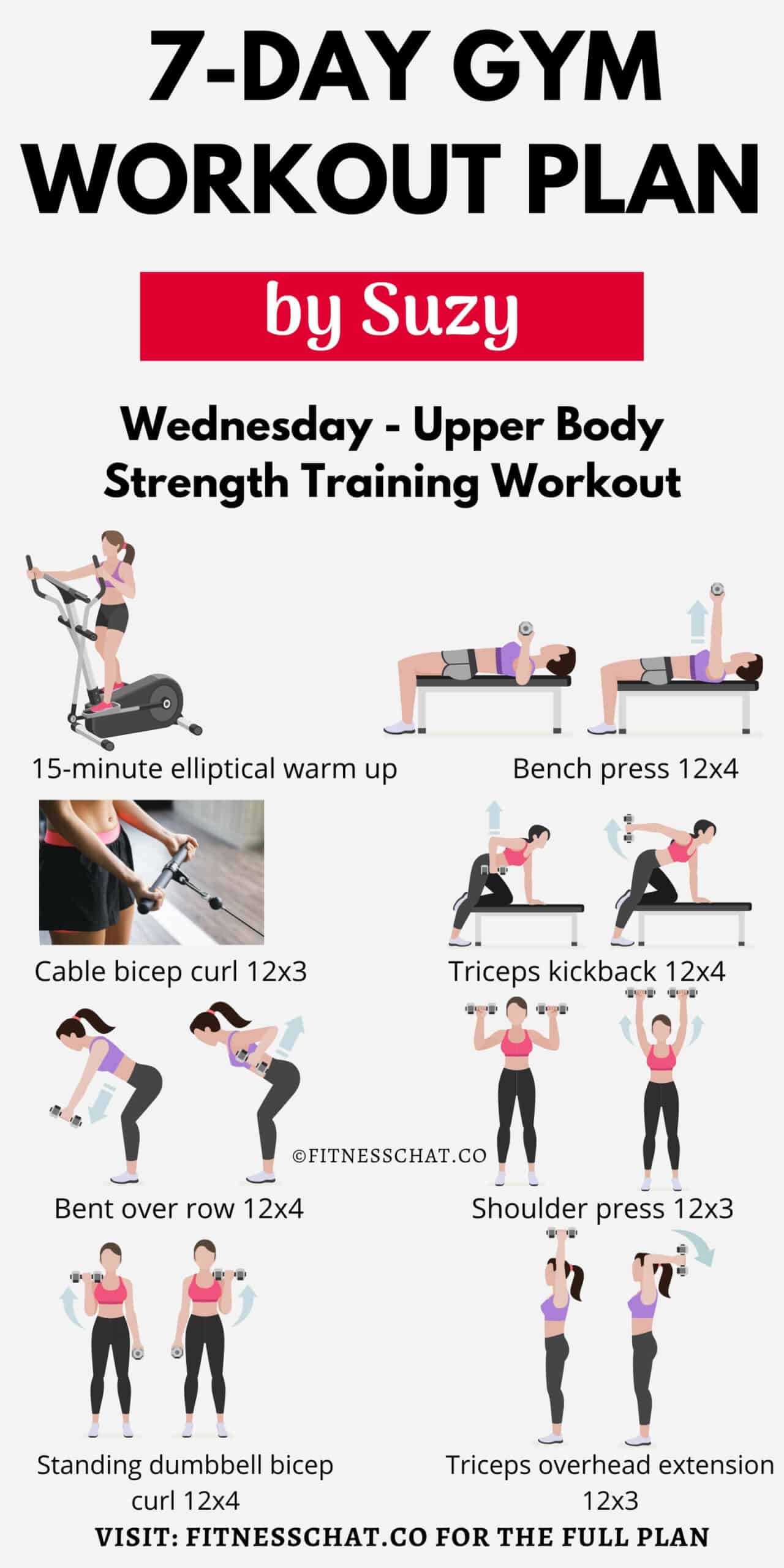
A practical gym-based weight loss workout focuses on a combination of resistance training and cardiovascular exercise to optimize metabolic rate and preserve lean muscle mass. By prioritizing compound movements—which engage multiple muscle groups simultaneously—and incorporating periodized cardio, you can create the caloric deficit required for weight loss while improving overall body composition and functional strength.
Understanding the Physiology of Weight Loss in a Gym Setting
Weight loss, at its most fundamental level, requires a caloric deficit: the state where your body expends more energy than it consumes. While diet remains the primary driver of this deficit, a gym routine acts as a force multiplier. Regular physical activity increases your Total Daily Energy Expenditure (TDEE). More importantly, structured exercise ensures that a significant portion of the weight lost comes from fat stores rather than muscle tissue.
When you engage in resistance training, you create micro-tears in muscle fibers. The body’s process of repairing this tissue is energy-intensive, leading to an elevated metabolic rate for hours—and sometimes days—following the workout. This phenomenon, often referred to as Excess Post-exercise Oxygen Consumption (EPOC), is a critical component of a "practical" weight loss strategy. By contrast, excessive reliance on steady-state cardio alone can lead to muscle atrophy if not paired with adequate protein intake and resistance training.
Essential Prerequisites for a Safe Workout Routine
Before beginning any high-intensity or strength-focused gym program, you must establish a baseline of physical readiness. Consult with a qualified healthcare provider or a certified fitness professional, especially if you have pre-existing cardiovascular conditions, joint issues, or metabolic concerns.
Furthermore, "practicality" involves logistical preparation. You should arrive at the gym with a clear, written plan. Wandering between machines without a set structure leads to wasted time, inconsistent intensity, and potential injury. Ensure you have proper footwear, a hydration vessel, and a method to track your progression, such as a notebook or a dedicated fitness tracking application.
The Foundation: Compound Strength Movements
To maximize caloric expenditure and muscle retention, your workouts should revolve around compound movements. These exercises are the most efficient way to tax the central nervous system and utilize the largest muscle groups in the body.
1. Squat Variations
Squats target the quadriceps, hamstrings, and glutes. Whether using a barbell, kettlebell, or dumbbell, the squat creates a high metabolic demand. Beginners should prioritize movement patterns (such as goblet squats) before moving to heavy barbell back squats to ensure spinal neutrality.
2. The Hinge Pattern (Deadlifts)
Deadlifts are essential for posterior chain development—the back, glutes, and hamstrings. This movement builds foundational strength and improves posture, which is often neglected in sedentary work environments.
3. Pushing and Pulling Movements
Include overhead presses, bench presses, or push-ups to develop upper-body strength. Balancing these with pulling movements—such as lat pulldowns, seated rows, or pull-ups—is critical to prevent muscle imbalances that can lead to shoulder impingement or chronic back pain.
Incorporating Cardiovascular Training
Cardiovascular training should be viewed as a tool to enhance heart health and boost your caloric burn, not as a replacement for strength training. A practical approach integrates two distinct types of cardiovascular work:
- Low-Intensity Steady State (LISS): Walking on a treadmill at an incline or using a stationary bike at a moderate pace. This is ideal for recovery days or as an addition to a workout because it imposes minimal stress on the central nervous system.
- High-Intensity Interval Training (HIIT): Short bursts of near-maximal effort (e.g., 30 seconds of rowing) followed by recovery periods. HIIT is highly efficient but should be limited to 1–2 sessions per week to prevent overtraining and joint inflammation.
Sample Weekly Gym Routine
The following routine is designed for a three-day-per-week schedule, which is sustainable for most individuals. It utilizes a "Full Body" split to ensure that every major muscle group is stimulated three times per week.
| Exercise | Sets | Repetitions | Focus |
|---|---|---|---|
| Goblet Squat | 3 | 10–12 | Lower Body Strength |
| Bench Press | 3 | 8–10 | Chest/Triceps |
| Lat Pulldown | 3 | 10–12 | Back/Biceps |
| Romanian Deadlift | 3 | 10–12 | Glutes/Hamstrings |
| Plank | 3 | 45–60s | Core Stability |
| Treadmill Walk (Incline) | 1 | 15 min | Cardiovascular Burn |
Common Mistakes to Avoid
The most common pitfall in gym-based weight loss is the "more is better" fallacy. Attempting to spend two hours in the gym daily often leads to burnout and injury, which halts progress entirely.
Another mistake is neglecting progressive overload. To continue seeing changes in body composition, you must incrementally increase the difficulty of your workouts. This does not always mean adding weight; it can also mean improving your form, increasing the number of repetitions, or decreasing your rest time between sets.
Finally, do not underestimate the importance of sleep and nutrition. The gym is where you break muscle down; growth and fat metabolism occur during periods of recovery. Without 7–9 hours of quality sleep, your body will struggle to manage cortisol levels, which can inadvertently hinder fat loss.
Frequently Asked Questions
How long should a practical weight loss workout last? A well-structured session should last between 45 and 75 minutes. Beyond 90 minutes, the return on investment diminishes for most people, and the risk of fatigue-related injury increases. Focus on intensity and focus rather than the duration of your stay.
Should I do cardio before or after lifting weights? It is generally recommended to perform strength training first. You want your energy reserves to be at their peak when performing complex, heavy movements where safety and form are paramount. Cardio can then be used to finish the session and ensure you reach your caloric expenditure goal.
How do I know if the workout is working if the scale doesn't move? The scale is an incomplete metric. Weight loss and fat loss are not identical. Use objective measures such as body circumference measurements (waist, hips), progress photos, and your performance in the gym. If your strength is increasing and your waist measurement is shrinking, you are successfully losing fat and building muscle.
Can I lose weight without counting calories? While you can lose weight by eating intuitively, it is difficult to do so reliably without tracking. Using a food diary for at least two weeks can help you understand your caloric intake versus your actual expenditure. This "nutritional audit" is often the missing piece for those who exercise but fail to see weight changes.
How much protein do I need while trying to lose weight? Protein is essential for satiety and muscle preservation. A general guideline for active individuals is to consume roughly 1.6 to 2.0 grams of protein per kilogram of body weight per day. This intake helps maintain muscle mass, which in turn keeps your metabolism higher during a caloric deficit.
Is it safe to workout every day? While light movement is safe and encouraged daily, high-intensity training should be limited. Your body requires rest days to repair tissue and replenish glycogen stores. A schedule of 3–4 days of intense gym sessions per week is often more productive than 6–7 days of low-quality, fatigued effort.
Next Steps for Success
To begin your journey, schedule your gym sessions in your calendar just as you would a high-priority professional meeting. Start with the routine outlined above, keeping a logbook to record the weights used and the perceived effort for each set. If you find the sessions too difficult, reduce the volume (total sets); if you find them too easy, focus on the quality of your repetitions and the precision of your tempo. Success in the gym is the result of consistency over months, not intensity over a single week. Commit to the process, monitor your recovery, and adjust your intensity based on your performance markers.