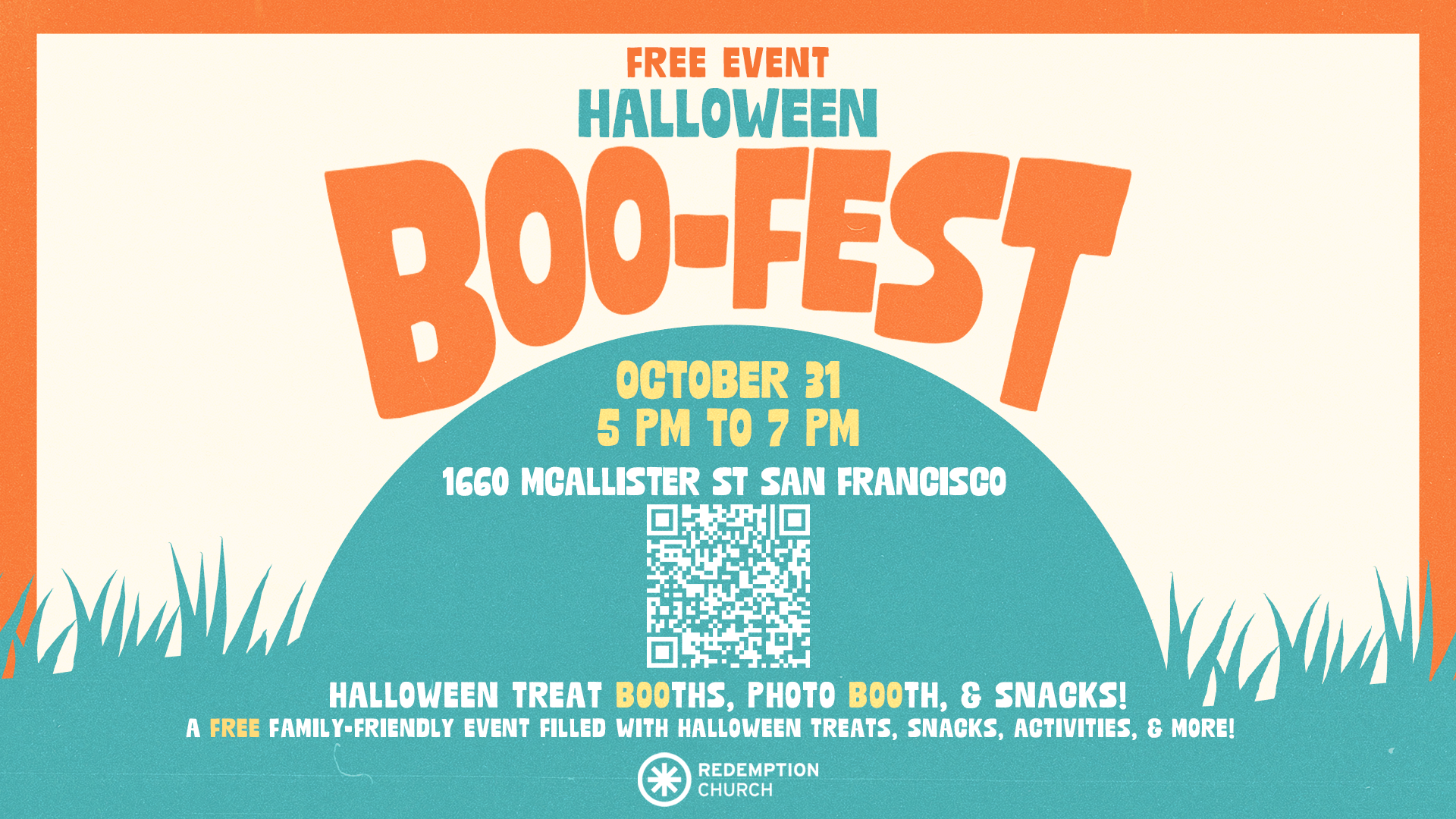
A Halloween Boo Fest is a specialized, family-oriented seasonal event designed to provide a festive atmosphere focused on "fun over fear." Unlike adult-targeted haunted houses, a Boo Fest emphasizes trick-or-treating, costume parades, age-appropriate games, and whimsical decorations, making it the ideal choice for families with young children or individuals who prefer a lighthearted holiday experience.
The concept of the "Boo Fest" has evolved significantly. By 2026, these events have become the gold standard for inclusive, community-based autumn celebrations. Whether you are a city planner looking to host a municipal event, a school administrator organizing a fundraiser, or a parent searching for the best local festivities, understanding the core components of a successful Boo Fest is essential for creating a memorable and safe experience.
Defining the Halloween Boo Fest Experience
The primary distinction between a Boo Fest and a traditional "fright night" or "haunted attraction" is the target demographic and the psychological approach to the holiday. A Boo Fest is intentionally designed to be "spooktacular" rather than "terrifying."
In 2026, the industry standard for these events focuses on high-engagement, interactive stations. Instead of jump scares and gore, attendees find "friendly ghosts," talking pumpkins, and glow-in-the-dark environments. This shift caters to the growing demand for "kid-centric" autumn activities that allow younger children to participate in Halloween traditions without the risk of nightmares or sensory overload.
The Core Pillars of a Boo Fest
- Whimsical Aesthetics: The visual theme utilizes vibrant oranges, deep purples, lime greens, and bright yellows. Black is used as an accent rather than a dominant, somber tone.
- Interactive Engagement: Every station should offer an activity, such as a craft, a game, or a treat-gathering opportunity, rather than just a passive walk-through.
- Safety and Accessibility: Low-light areas are replaced with colorful neon or LED lighting to prevent trips and falls, and pathways are designed for stroller and wheelchair accessibility.
Planning and Logistics for a 2026 Boo Fest
Hosting a Boo Fest requires a logistical framework that prioritizes crowd flow, safety, and variety. For those organizing an event this season, the planning phase should begin at least four to six months in advance to secure vendors and permits.
Venue Selection and Layout
The ideal venue for a Halloween Boo Fest is an open space that can be easily partitioned into "zones." Public parks, fairgrounds, and large community centers are preferred. When designing the layout, consider a circular flow to prevent bottlenecks.
- Zone A (The Welcome Zone): Ticket scanning, map distribution, and photo opportunities with non-threatening mascots.
- Zone B (The Activity Hub): Carnival-style games, pumpkin painting, and craft stations.
- Zone C (The Treat Trail): A designated path where local businesses or volunteers distribute candy or non-food trinkets.
- Zone D (The Performance Stage): For costume contests, puppet shows, or kid-friendly live music.
Permits, Insurance, and Safety Standards
Organizing a public event in 2026 involves navigating specific municipal requirements. You must verify local ordinances regarding:
- Special Event Permits: Required for gatherings exceeding a certain number of attendees.
- Liability Insurance: Essential for protecting the organizing entity against accidents.
- Food Service Licenses: If you are selling prepared food rather than pre-packaged treats, health department inspections are mandatory.
- Fire Safety: All decorations must be fire-retardant, and "open flame" policies (such as real candles in pumpkins) are generally prohibited in favor of LED alternatives.
Essential Activities and Programming
The success of a Halloween Boo Fest lies in its ability to keep children of various ages entertained simultaneously. By 2026, technology integration has become a standard feature of these events, blending physical activities with digital interaction.
The "Treat Trail" and the Teal Pumpkin Project
The Treat Trail is often the main draw. To ensure inclusivity, many Boo Fests now strictly adhere to the Teal Pumpkin Project, a movement by Food Allergy Research & Education (FARE). This involves offering non-food treats (stickers, glow sticks, small toys) for children with food allergies.
Creative Activity Stations
- The "No-Carve" Pumpkin Patch: Instead of using knives, children use stickers, markers, and glitter to decorate pumpkins. This eliminates safety risks and allows the pumpkins to last longer.
- Glow-in-the-Dark Scavenger Hunts: Using UV flashlights (blacklights), participants search for hidden neon symbols throughout a hay maze or designated wooded area.
- AR Ghost Hunting: In 2026, many Boo Fests utilize simple Augmented Reality (AR) apps that parents can download. Children "find" friendly digital ghosts hidden around the venue to win digital badges or physical prizes.
Costume Contests and Parades
A structured costume contest provides a focal point for the afternoon or evening. Categories should be kept positive and non-competitive, such as "Most Creative," "Brightest Colors," or "Best Family Group." A parade allows every child to feel seen and celebrated, which is a hallmark of the Boo Fest philosophy.
Boo Fest vs. Traditional Haunted Attractions
To help organizers and attendees decide which event type suits their needs, the following table compares the typical characteristics of a Boo Fest versus a standard Haunted House.
| Feature | Halloween Boo Fest | Traditional Haunted House |
|---|---|---|
| Primary Audience | Families with children ages 2–12 | Teens and Adults |
| Atmosphere | Bright, festive, and whimsical | Dark, claustrophobic, and intense |
| Scare Level | Zero (no jump scares or gore) | High (actors, jump scares, animatronics) |
| Lighting | Well-lit with neon/festive LEDs | Low-light, strobe, and fog-heavy |
| Activities | Crafts, games, trick-or-treating | Passive walk-through / Survival horror |
| Duration | Usually 3–5 hours (daytime or early eve) | 20–45 minute walk-through (night) |
| Costume Policy | Encouraged for all | Often restricted for safety/security |
Budgeting and Financial Considerations
Whether you are a professional event planner or a volunteer, a Boo Fest requires a clear financial roadmap. For a mid-sized community event in 2026, the following budget categories are standard:
- Decorations and Lighting: Often the largest expense, as high-quality, weather-resistant LED displays are necessary for the "whimsical" feel.
- Entertainment: Professional face painters, balloon artists, and kid-friendly DJs or performers.
- Security and Sanitation: Ensuring enough portable restrooms, trash management, and visible security personnel to manage crowds and parking.
- Insurance: General liability coverage is non-negotiable for public gatherings.
- Marketing: Social media promotion, local radio spots, and physical banners in the host community.
Ensuring Accessibility and Inclusivity
In 2026, a top-tier Halloween Boo Fest must be accessible to all. This goes beyond simple physical ramps.
- Sensory-Friendly Hours: Many events now offer a "Quiet Hour" at the start of the day with reduced volume on music and no flashing lights for children with sensory processing sensitivities.
- Physical Accessibility: Ensure that "hayrides" have accessible loading ramps and that the Treat Trail is paved or uses hard-packed gravel suitable for mobility aids.
- Diverse Representation: Ensure that event signage and mascot characters reflect a diverse community, reinforcing the inclusive nature of the "Boo Fest" brand.
Common Mistakes to Avoid
Even with the best intentions, certain pitfalls can detract from the Boo Fest experience.
- Inadequate Lighting: While it is a nighttime-adjacent holiday, a Boo Fest should never be "dark." Poor lighting leads to accidents and can frighten the very toddlers the event is meant to serve.
- Bottlenecks at the Entrance: Long wait times can lead to restless children. Implementing timed-entry tickets is a highly effective 2026 solution to manage crowd flow.
- Underestimating Treat Quantities: Running out of candy or prizes mid-event is a significant failure. Always over-budget for treats based on ticket sales plus a 20% buffer for walk-ins.
- Confusing Branding: If an event is marketed as a "Boo Fest" but features chainsaw-wielding actors, parents will feel misled. Maintain strict control over the "scare factor."
Frequently Asked Questions
What is the best age for a child to attend a Boo Fest?
The "sweet spot" for a Halloween Boo Fest is typically between ages 2 and 10. Children in this age range are old enough to participate in games and trick-or-treating but often still find traditional haunted houses too intense. However, many events in 2026 offer "Toddler Zones" specifically for those under 3.
Can adults attend a Boo Fest without children?
While the events are designed for families, adults who enjoy the whimsical, "vintage Halloween" aesthetic often attend. It is a popular option for those who want to celebrate the holiday in a low-stress, social environment without the intensity of horror-themed attractions.
How should we handle inclement weather for an outdoor Boo Fest?
In 2026, most outdoor festivals have a "Rain Date" established at the time of permit filing. Alternatively, if the venue has an indoor pavilion, the "Activity Hub" can be moved inside. It is crucial to communicate weather-related updates via the event’s official social media channels or SMS alerts at least four hours before the start time.
Are costumes mandatory for attendees?
Costumes are never mandatory but are highly encouraged. For safety, organizers usually recommend that costumes do not include realistic-looking weapons or masks that significantly obstruct the wearer's vision, especially for young children navigating the event grounds.
How can local businesses get involved in a community Boo Fest?
Businesses can participate through "Trunk-or-Treat" sponsorships, where they decorate a vehicle and hand out treats, or by sponsoring specific activity stations (e.g., "The [Business Name] Pumpkin Painting Patch"). This provides excellent community visibility and supports the event’s overhead costs.
Final Recommendations for a Successful 2026 Season
If you are planning a Halloween Boo Fest for the 2026 season, prioritize early communication and inclusive programming. The most successful events are those that feel like a community gathering rather than a commercial enterprise. Ensure your "Treat Trail" is well-stocked, your lighting is bright and colorful, and your staff is trained to help families navigate the space with ease.
For those attending, the best advice is to arrive early—especially if you have very young children—and to bring a reusable bag for treats to support the eco-friendly trends of 2026. By focusing on the "fun" side of the holiday, the Halloween Boo Fest continues to be a cherished tradition that brings communities together during the autumn season.