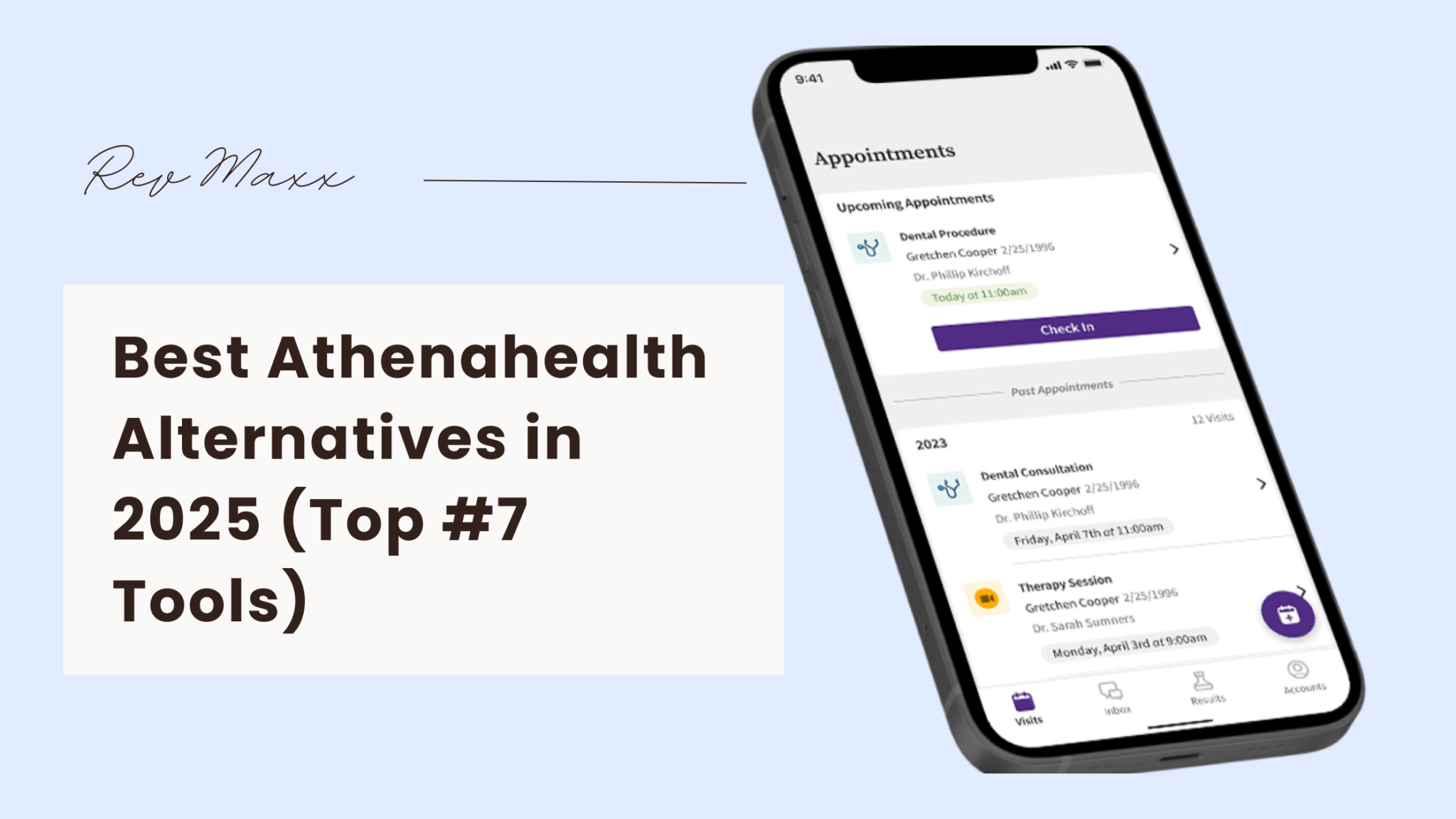
athenahealth is a premier cloud-native healthcare platform that integrates electronic health records (EHR), revenue cycle management (RCM), and patient engagement services. In 2026, it remains a top choice for practices seeking a "software-as-a-service" model that minimizes IT overhead while maximizing clinical efficiency through its massive interconnected data network.
Choosing a healthcare IT partner is a multi-year commitment that dictates the operational health of a medical practice. As we look at the landscape in 2026, athenahealth (specifically its flagship athenaOne suite) continues to differentiate itself by moving away from the traditional "software vendor" role and acting as a business partner. This review examines the technical architecture, clinical utility, financial implications, and implementation hurdles of the athenahealth cloud ecosystem.
The Architecture of a Cloud-Native EHR
Unlike legacy systems that were "cloud-hosted" (traditional software moved to a remote server), athenahealth was built from the ground up as a multi-tenant cloud environment. This distinction is critical for performance and scalability. In a multi-tenant environment, all users operate on the same version of the software. When athenahealth pushes an update or a new regulatory patch—such as updated ICD-10 codes or MIPS reporting requirements—it is deployed across the entire network simultaneously.
For a medical practice, this eliminates the "upgrade cycle" common with on-premise systems. There are no servers to maintain in a closet, no manual backups to verify, and no local IT consultants required to install patches at 2:00 AM on a Sunday. The technical requirements for athenahealth in 2026 are straightforward: high-speed internet, modern web browsers, and compatible hardware such as tablets or laptops.
The Power of the athenaNet Network
One of the most significant advantages of athenahealth is what the company calls the "Network Effect." Because thousands of providers are on a single platform, athenahealth can aggregate data (de-identified) to identify trends in claim denials, clinical outcomes, and administrative bottlenecks. If a specific payer in one state changes its filing requirements, athenahealth can update its "Rules Engine" for every provider on the network, preventing denials before they happen.
athenaClinicals: Streamlining the Patient Encounter
The core of the clinical experience is athenaClinicals. In 2026, the focus has shifted heavily toward reducing "pajama time"—the hours doctors spend documenting after clinic hours. athenahealth addresses this through several key features:
- Adaptive Documentation: The system learns a provider’s specific patterns. If a cardiologist frequently orders the same panel of tests for a new patient with hypertension, the system surfaces those orders more prominently.
- athenaTelehealth: Fully integrated into the clinical workflow, this allows for seamless transitions between in-person and virtual visits without needing third-party software like Zoom or Doxy.me.
- Mobile Accessibility: The athenaOne mobile app allows providers to review charts, sign off on lab results, and even document simple encounters from a smartphone or tablet, providing true mobility within and outside the clinic.
Interoperability and Data Exchange
Interoperability is no longer an optional feature; it is a core requirement for value-based care. athenahealth is a founding member of CommonWell Health Alliance and participates heavily in Carequality. In 2026, when a patient visits an athenahealth provider, the system can automatically query outside hospitals and pharmacies to pull in medication histories and recent discharge summaries. This reduces duplicate testing and ensures the clinician has a holistic view of the patient’s health.
athenaCollector: The Revenue Cycle Engine
While many EHRs treat billing as an afterthought, athenahealth built its reputation on athenaCollector. This is a comprehensive Revenue Cycle Management (RCM) service. What makes it unique in the cloud space is the combination of software and back-office human intervention.
athenahealth’s "Rules Engine" contains millions of billing rules. When a claim is submitted, it is scrubbed against these rules in real-time. If a claim is likely to be denied, it is flagged for the practice to fix before it ever reaches the payer. If a claim is denied despite these checks, athenahealth’s own teams often handle the initial follow-up and appeals process, acting as an extension of the practice’s billing department.
athenaPatient: Modernizing the Patient Experience
In 2026, patients expect a digital experience similar to online banking. athenaPatient provides a secure portal and mobile app where patients can:
- Schedule appointments online.
- View lab results and clinical notes.
- Pay balances using integrated payment processing (including Apple Pay and Google Pay).
- Communicate via secure messaging with their care team.
This self-service model significantly reduces the administrative burden on front-desk staff, lowering the volume of phone calls for routine inquiries.
Technical Specifications and Implementation
Implementing athenahealth is a significant undertaking that typically takes 12 to 24 weeks, depending on the size of the practice and the complexity of data migration.
Hardware and Connectivity Requirements
| Component | Minimum Requirement (2026) | Recommended for Optimal Performance |
|---|---|---|
| Internet Speed | 25 Mbps download / 10 Mbps upload | 100+ Mbps Fiber connection |
| Browser | Chrome (Latest), Edge (Latest) | Dedicated browser profile for athenaNet |
| Hardware | Intel Core i5, 8GB RAM | Intel Core i7 or M2/M3 Mac, 16GB RAM |
| Mobile | iOS 16+ or Android 13+ | iPad Pro with Apple Pencil for charting |
| Scanning | TWAIN-compatible document scanner | High-speed duplex network scanner |
Data Migration and Training
The migration process involves extracting data from the legacy EHR and mapping it to athenahealth’s tables. While "demographics" (name, address, insurance) migrate easily, "clinical data" (historical notes) often requires more manual oversight. athenahealth provides a dedicated implementation manager, but practices must designate an internal "Super User" to lead the transition.
The Cost Structure: Percentage of Collections
One of the most debated aspects of athenahealth is its pricing model. Unlike many SaaS competitors that charge a flat monthly fee per provider (e.g., $500/month), athenahealth typically charges a percentage of the practice's total collections.
- Pros: The incentives are aligned. athenahealth only makes more money if the practice collects more money. During slow months, the software costs decrease.
- Cons: For high-revenue specialty practices (e.g., orthopedic surgery or oncology), a percentage-based fee can be significantly more expensive than a flat-fee subscription.
Practices must conduct a thorough ROI analysis to determine if the decrease in administrative labor and the increase in clean-claim rates justify the higher price tag.
Pros and Cons of the athenahealth Cloud Ecosystem
The Advantages
- Zero IT Footprint: No local servers or complex hardware maintenance.
- Superior RCM: The billing rules engine is arguably the best in the industry.
- Continuous Updates: Users are always on the most secure, compliant version of the software.
- Marketplace Integration: The athenahealth Marketplace allows for easy integration with third-party apps for things like AI scribes or specialized analytics.
The Disadvantages
- Rigid Workflows: Because it is a multi-tenant system, you cannot customize the core architecture. You must adapt your practice workflows to fit "the athena way."
- Cost for High-Earners: High-volume practices may find the percentage-of-collections model punitive.
- Connectivity Dependency: If your internet goes down, your practice stops. A redundant internet connection (like a 5G backup) is mandatory.
Common Challenges and Troubleshooting
The most common complaint regarding athenahealth involves the "clutter" of the interface. Because the system is feature-rich, new users can feel overwhelmed by the number of tabs and notifications.
Troubleshooting Workflow Bottlenecks:
- Audit the Task Manager: Many practices fall behind because the "Inbox" becomes a dumping ground. Setting up specific routing rules for lab results and documents is essential.
- Optimize the Rules Engine: If the system is flagging too many "holds," the practice should meet with their Customer Success Manager to refine the custom rules applied to their account.
- Browser Optimization: Clearing cache and disabling unnecessary browser extensions can resolve 90% of "lag" issues reported by clinicians.
Comparison with Key Competitors
| Feature | athenahealth | Epic (Community Connect) | eClinicalWorks (eCW) |
|---|---|---|---|
| Cloud Model | Native Multi-tenant | Hosted / Hybrid | Hosted / Browser-based |
| Pricing | % of Collections | Subscription + Implementation | Per Provider / Per Month |
| Target Market | Small to Large Groups | Large Health Systems | Small to Mid-sized |
| Best For | Billing & RCM | Large-scale Integration | Customization & Low Cost |
Summary of Findings
In 2026, athenahealth remains the gold standard for cloud-based healthcare management for practices that value operational efficiency over extreme software customization. Its "service-plus-software" model effectively offloads much of the administrative burden of running a medical practice, particularly in the realms of billing and regulatory compliance.
However, it is not a "plug-and-play" solution. It requires a disciplined approach to workflow and a willingness to adopt the platform’s standardized processes. For practices struggling with high claim denial rates or those looking to retire their local server infrastructure, athenahealth offers a compelling, albeit premium-priced, path forward.
Frequently Asked Questions
Does athenahealth work on Mac and iPad?
Yes. As a cloud-native platform, athenahealth is accessible via any modern web browser on macOS. Furthermore, the athenaOne app is specifically optimized for iPad and iPhone, supporting features like photo uploads for wound care and mobile e-prescribing. Many clinicians in 2026 prefer using an iPad Pro for in-room charting to maintain better eye contact with patients.
How does athenahealth handle HIPAA compliance in the cloud?
athenahealth manages HIPAA compliance through rigorous physical and digital security protocols. Data is encrypted both in transit and at rest. As the "Business Associate," athenahealth takes on much of the burden of securing the Protected Health Information (PHI), providing SOC2 Type II reports and maintaining HITRUST CSF certification. However, the practice remains responsible for local security, such as password hygiene and workstation security.
Can a small practice with only one provider use athenahealth?
While athenahealth does support solo practitioners, the pricing model and implementation effort are often geared toward small-to-mid-sized groups (3+ providers). Solo providers should carefully weigh the percentage-of-collections cost against their monthly revenue to ensure it is sustainable. For many solo practices, the reduction in billing staff costs makes it a viable option.
What happens to my data if I leave athenahealth?
Per federal regulations and the 21st Century Cures Act, athenahealth must provide a path for data export. Usually, this involves a "flat file" or a series of CCDA (Consolidated Clinical Document Architecture) files. While you own your data, moving it into a different EHR system can be technically complex and may incur fees for data extraction and conversion.
Does athenahealth include an AI Scribe?
By 2026, athenahealth has integrated several AI-assisted ambient listening tools through its Marketplace and native features. These tools listen to the patient encounter and draft the clinical note for the provider to review. While these often require an additional subscription fee, they are fully integrated into the athenaClinicals workflow to reduce manual typing.
Final Recommendation
For practices looking to modernize in 2026, athenahealth is highly recommended for those who want to outsource their billing headaches and IT maintenance. It is the ideal choice for multi-specialty groups that need robust interoperability and a system that stays ahead of federal regulations. If your practice is highly specialized with a very high revenue-per-encounter, you should perform a side-by-side cost comparison with flat-fee SaaS models to ensure the percentage-based pricing aligns with your budget.