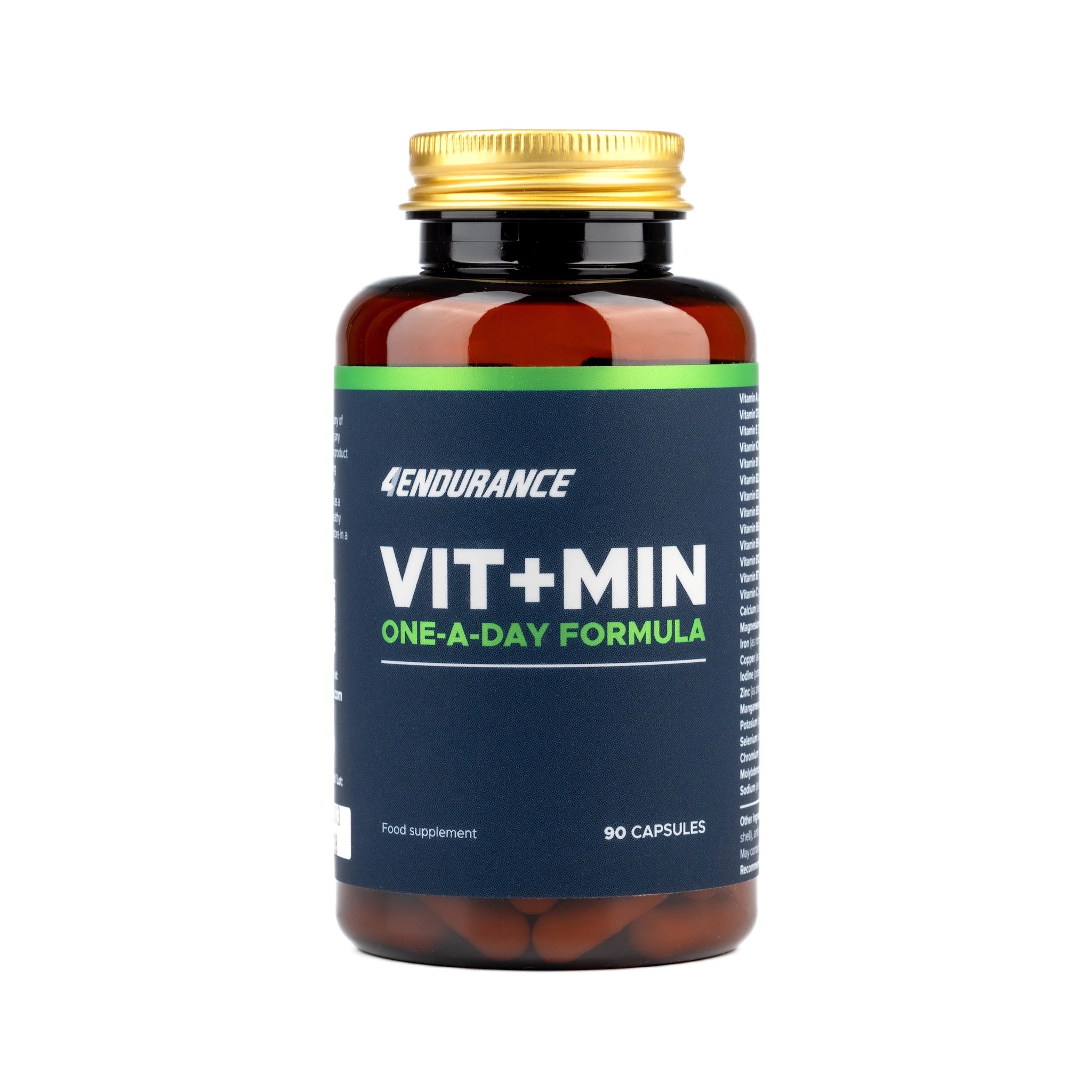
Vitamins do not supply direct caloric energy, but key micronutrients—specifically B-complex vitamins (B12, B6, folate, niacin, thiamine), vitamin D, and metabolic cofactors—are essential for converting food into cellular energy (adenosine triphosphate). Athletes with micronutrient deficiencies experience reduced aerobic capacity, delayed muscle recovery, and premature fatigue during high-intensity training.
Disclaimer: This article is for informational purposes only and does not substitute for personalized medical advice or sports nutrition consulting. Athletes should consult a board-certified sports dietitian or medical professional before starting any high-dose supplementation regimen.
The Bioenergetics of Athletic Performance
Energy production within human tissue relies on metabolic pathways that transform macronutrients—carbohydrates, fats, and proteins—into adenosine triphosphate (ATP), the primary energy currency of the cell. While carbohydrates and fats serve as the fuel substrates, vitamins act as essential coenzymes and catalysts in these biochemical reactions. Without adequate intracellular levels of these micronutrients, the enzymatic pathways responsible for cellular respiration slow down significantly.
- Macronutrients (Carbs, Fats, Proteins)
- Enzymatic Cleavage (supported by B-Complex Vitamins [Coenzymes])
- Citric Acid Cycle & Electron Transport Chain (supported by Vitamin D, Iron, Magnesium, CoQ10)
- ATP Production
- Muscle Contraction & Athletic Output
During physical exertion, metabolic rates increase dramatically, elevating the demand for ATP synthesis via both aerobic and anaerobic pathways. Aerobic energy production takes place inside the mitochondria through the citric acid cycle (Krebs cycle) and the electron transport chain. High-performance training increases the turnover and excretion of key vitamins through sweat, urine, and metabolic degradation, raising the baseline micronutrient requirement for competitive athletes above that of sedentary individuals.
When an athlete experiences a micronutrient shortfall, mitochondrial output declines. This bioenergetic deficit manifests as decreased peak oxygen consumption ($\text{VO}_2\text{ max}$), prolonged post-exercise heart rate recovery, reduced power output, and subjective feelings of systemic lethargy. Understanding how specific vitamins drive energy metabolism allows athletes and coaches to build targeted nutritional strategies rather than relying on unverified energetic quick-fixes.
Essential Vitamins driving Energy and Endurance
1. B-Complex Vitamins: The Engine of Cellular Respiration
The B-complex family comprises eight water-soluble vitamins that play interlocked roles in cellular energy conversion. Because the body does not store significant amounts of most B vitamins (with the notable exception of B12 in the liver), consistent daily intake is mandatory for maintaining high-intensity athletic performance.
- Thiamine (Vitamin B1): Functions as the coenzyme thiamine pyrophosphate (TPP), which is required for the pyruvate dehydrogenase complex. This complex converts pyruvate—the end-product of glycolysis—into acetyl-CoA, allowing it to enter the citric acid cycle. A deficiency creates a bottleneck in carbohydrate metabolism, forcing the cell into anaerobic glycolysis and causing premature lactate accumulation.
- Riboflavin (Vitamin B2): Forms the structural core of flavin adenine dinucleotide (FAD) and flavin mononucleotide (FMN). These electron carriers are indispensable for fatty acid beta-oxidation and the transfer of electrons along Complex I and II of the mitochondrial electron transport chain.
- Niacin (Vitamin B3): Serves as the precursor to nicotinamide adenine dinucleotide ($\text{NAD}^+$) and nicotinamide adenine dinucleotide phosphate ($\text{NADP}^+$). $\text{NAD}^+$ acts as the primary electron acceptor in glycolysis, the citric acid cycle, and mitochondrial respiration. Maintaining high $\text{NAD}^+$ availability is crucial for sustained aerobic output and cellular repair mechanisms.
- Pyridoxine (Vitamin B6): Acts as pyridoxal 5'-phosphate (PLP), a coenzyme in amino acid metabolism, gluconeogenesis, and glycogenolysis. Vitamin B6 facilitates the release of glucose from stored muscle glycogen through its role as an essential cofactor for glycogen phosphorylase. Athletes on high-protein diets require elevated levels of B6 to process amino acids for fuel and tissue recovery.
- Cobalamin (Vitamin B12) and Folate (Vitamin B9): Work synergistically in DNA synthesis, cellular division, and erythropoiesis (red blood cell production). Hemoglobin within red blood cells carries oxygen from the lungs to working skeletal muscles. Deficiencies in either B12 or folate lead to megaloblastic anemia, severely limiting tissue oxygenation, endurance performance, and aerobic endurance.
2. Vitamin D: Securing Mitochondrial Function and Muscle Strength
Vitamin D acts as a secosteroid hormone that regulates over 1,000 genomic processes, many of which directly govern athletic performance. Research published by the National Institutes of Health Office of Dietary Supplements emphasizes that vitamin D receptors (VDR) are present throughout human skeletal muscle tissue.
- Serum 25(OH)D
- Nuclear VDR Binding
- Upregulation of Sarcoplasmic Calcium ATPase
- Enhanced Muscle Contraction & Mitochondrial ATP Output
Beyond its established role in calcium homeostasis and bone mineral density, vitamin D directly regulates intramyocellular calcium handling. Adequate status optimizes the expression of sarcoplasmic reticulum calcium-ATPase proteins, improving muscle contraction velocity and force development. Furthermore, vitamin D supports mitochondrial oxidative phosphorylation rates in human skeletal muscle cells.
Athletes with insufficient serum 25-hydroxyvitamin D [25(OH)D] levels—commonly defined as below 30 ng/mL (75 nmol/L)—exhibit lower muscle power, higher rates of stress fractures, and increased susceptibility to upper respiratory tract infections during intense training blocks.
3. Antioxidant Vitamins: Balancing C and E for Recovery
Metabolic throughput during strenuous exercise generates elevated levels of reactive oxygen species (ROS). While excessive oxidative stress causes cell membrane damage, lipid peroxidation, and delayed-onset muscle soreness (DOMS), baseline levels of ROS serve as critical signaling molecules that trigger exercise adaptations, such as mitochondrial biogenesis.
- Vitamin C (Ascorbic Acid): Functions as a powerful water-soluble antioxidant, a cofactor for carnitine synthesis (which shuttles long-chain fatty acids into mitochondria for energy conversion), and an essential component of collagen synthesis for joint tissue repair.
- Vitamin E (Alpha-Tocopherol): Acts as a lipid-soluble antioxidant that protects cell membranes from peroxidation caused by free radicals generated during high-oxygen flux.
Athletes must strike a balance when supplementing antioxidant vitamins. High-dose synthetic supplementation of vitamins C and E (such as 1,000 mg of Vitamin C and 400 IU of Vitamin E daily) can blunt the physiological ROS signaling required for mitochondrial adaptation and endurance gains, as outlined in clinical guidance from the International Society of Sports Nutrition. Obtaining these vitamins through food sources or modest, targeted doses preserves the adaptive stimulus while protecting tissues against excessive oxidative damage.
Essential Co-Factors and Supporting Minerals
Vitamins do not operate in isolation; their metabolic utility depends on specific minerals and organic compounds that act as structural components or enzymatic cofactors.
- Vitamin B-Complex & Vitamin D
- Iron + Folate + B12
- Oxygen Transport (Hemoglobin & Myoglobin)
- Magnesium + CoQ10
- Mitochondrial ATP Synthesis
- Iron + Folate + B12
Iron: The Driver of Oxygen Transport
Iron is an essential mineral component of hemoglobin and myoglobin, the proteins responsible for transporting and storing oxygen in muscle tissue. It also forms the functional centers of cytochromes within the mitochondrial electron transport chain. Without sufficient iron, B vitamins cannot complete the aerobic ATP generation cycle, regardless of their concentration. Female athletes, endurance runners, and vegetarian athletes face a heightened risk of iron depletion due to sweat losses, foot-strike hemolysis, gastrointestinal bleeding, and dietary restrictions.
Magnesium: The Catalytic Activator of ATP
Free ATP must bind to a magnesium ion ($\text{Mg}^{2+}$) to form biologically active $\text{Mg-ATP}$. Magnesium serves as an enzymatic cofactor in more than 300 metabolic reactions, including every step involving glycolytic cleavage and mitochondrial ATP transfer. Magnesium deficiency destabilizes ATP molecules, reduces structural muscle integrity, and promotes muscle cramping and premature neurological fatigue.
Coenzyme Q10 (CoQ10): The Electron Carrier
CoQ10 (ubiquinone/ubiquinol) is a fat-soluble, vitamin-like antioxidant concentrated in mitochondrial membranes. It shuttles electrons from Complexes I and II to Complex III in the electron transport chain. Supplemental CoQ10 can enhance mitochondrial bioenergetics and attenuate exercise-induced oxidative fatigue in endurance athletes, particularly during periods of high training volume.
Comparative Guide to Energy Micronutrients
The following table summarizes the primary roles, athletic performance requirements, deficiency indicators, and whole-food sources for key energy-focused vitamins and cofactors:
| Micronutrient | Primary Role in Energy & Performance | Daily Baseline (RDA) | Recommended Range for Athletes | Key Deficiency Symptoms | Whole-Food Sources |
|---|---|---|---|---|---|
| Vitamin B1 (Thiamine) | Pyruvate oxidation; carbohydrate conversion | 1.1–1.2 mg | 1.5–3.0 mg | Lactic acidosis build-up, early muscle fatigue | Whole grains, pork, sunflower seeds, legumes |
| Vitamin B2 (Riboflavin) | FAD/FMN electron transport; fatty acid oxidation | 1.1–1.3 mg | 2.0–4.0 mg | Muscle soreness, oral inflammation, lethargy | Eggs, organ meats, dark leafy greens, milk |
| Vitamin B3 (Niacin) | $\text{NAD}^+/\text{NADH}$ precursor; glycolytic signaling | 14–16 mg | 20–35 mg | Muscular weakness, skin lesions, digestive distress | Chicken breast, tuna, turkey, peanuts |
| Vitamin B6 (Pyridoxine) | Glycogenolysis; amino acid transamination | 1.3–1.7 mg | 2.5–5.0 mg | Impaired muscle repair, microcytic anemia, irritability | Salmon, chickpeas, bananas, potatoes |
| Vitamin B12 (Cobalamin) | Erythropoiesis; myelin sheath preservation | 2.4 µg | 5.0–50 µg | Megaloblastic anemia, peripheral neuropathy, severe fatigue | Beef liver, clams, eggs, fortified dairy/yeast |
| Vitamin D3 (Cholecalciferol) | Calcium flux; VDR activation; muscle power output | 600–800 IU | 2,000–5,000 IU (adjusted by blood tests) | Stress fractures, muscle weakness, elevated infection risk | Fatty fish (salmon, mackerel), egg yolks, UV mushrooms |
| Vitamin C (Ascorbic Acid) | Carnitine synthesis; collagen matrix repair | 75–90 mg | 200–500 mg | Connective tissue breakdown, slow recovery, scurvy | Bell peppers, citrus fruits, kiwi, strawberries |
| Iron (Elemental) | Oxygen transport via hemoglobin; cytochrome function | 8–18 mg | 18–30 mg (evaluated by ferritin tests) | Exercise-induced fatigue, reduced $\text{VO}_2\text{ max}$, pale sclera | Red meat, lentils, spinach, dark chocolate |
| Magnesium | Stabilization of $\text{Mg-ATP}$ complex; neuromuscular control | 320–420 mg | 400–600 mg | Muscle cramps, impaired recovery, persistent twitching | Pumpkin seeds, almonds, spinach, black beans |
Bioavailability, Formulations, and Dosing Strategies
Achieving optimal vitamin levels requires selecting bioavailable nutrient forms, timing intake effectively, and adjusting strategies to individual training demands.
Nutrient Formulations and Bioavailability
The molecular form of a vitamin dictates its absorption rate across the intestinal epithelium:
- Vitamin B12: Methylcobalamin and adenosylcobalamin are bioactive coenzyme forms that do not require the enzymatic conversion steps needed by synthetic cyanocobalamin.
- Folate: 5-methyltetrahydrofolate (5-MTHF) provides superior bioavailability compared to synthetic folic acid, particularly for individuals carrying variants in the methylenetetrahydrofolate reductase (MTHFR) gene.
- Vitamin D: Vitamin D3 (cholecalciferol) elevates serum 25(OH)D levels far more effectively than plant-derived vitamin D2 (ergocalciferol).
- Iron: Bisglycinate chelate and heme iron exhibit higher gastrointestinal tolerance and absorption rates than ferrous sulfate, which often causes abdominal discomfort.
- Formulation Quality
- Bioactive (Methylcobalamin, 5-MTHF, D3)
- Synthetic (Cyanocobalamin, Folic Acid, D2)
- Nutrient Timing Strategy
- Water-Soluble (B-Complex, C): Pre-Breakfast / Split Doses
- Fat-Soluble (A, D, E, K): Meal with Healthy Fats
- Third-Party Safety Verification
- NSF Certified for Sport
- Informed Sport / Informed Choice
Strategic Timing Guidelines
- Water-Soluble Vitamins (B-Complex, Vitamin C): Take these with water early in the day or split into two doses (morning and mid-afternoon). Splitting doses maintains elevated plasma concentrations throughout training windows, as excess amounts are excreted in urine.
- Fat-Soluble Vitamins (A, D, E, K): Consume these alongside meals containing healthy dietary fats (such as avocados, nuts, or olive oil) to stimulate bile acid secretion and maximize micellar absorption.
- Iron Supplementation: Take iron on an empty stomach or with a source of vitamin C, which enhances non-heme iron absorption by reducing ferric ($\text{Fe}^{3+}$) to ferrous ($\text{Fe}^{2+}$) iron. Avoid taking iron concurrently with calcium supplements, coffee, or tea, as tannic acid and calcium inhibit its uptake.
Third-Party Certification and Anti-Doping Safety
Elite and competitive athletes must evaluate the purity of dietary supplements to avoid unintentional anti-doping violations under the rules of the World Anti-Doping Agency (WADA). Dietary supplements can suffer from cross-contamination with banned substances, including anabolic agents, stimulants, or diuretics.
Athletes should restrict their supplement selection exclusively to products validated by independent third-party testing programs:
- NSF Certified for Sport: Verifies that the product contains the labeled ingredients, does not contain unsafe levels of contaminants, and is free from substances prohibited by major sports organizations. The NSF Certified for Sport Program provides real-time verification of compliant batch numbers.
- Informed Sport / Informed Choice: Tests finished products and manufacturing facilities for prohibited substances using rigorous gas chromatography-mass spectrometry protocols.
Pitfalls, Megadosing Risks, and Common Myths
Myth 1: "More Vitamins Equals Exponentially More Energy"
A frequent misconception among athletes is that consuming high-dose energy supplements or megadose B-complex products yields immediate performance gains. Because water-soluble vitamins act strictly as enzymatic cofactors rather than consumable fuels, once enzyme pathways reach saturation, additional intake provides no further metabolic benefit. Excess water-soluble vitamins are excreted in urine, while excessive amounts of fat-soluble vitamins can accumulate in adipose tissue and the liver, leading to toxicity.
- Metabolic Pathway Saturation Point:
- Deficient Status (0%)
- Optimal Range (Saturated Enzymes - No Added Performance Gain)
- Megadose (Excretion / Toxicity Zone - 100%)
Hazards of High-Dose Megadosing
- Vitamin B6 Toxicity: Long-term daily intake of pyridoxine exceeding 100 mg can lead to peripheral neuropathy, sensory ataxia, and dermatological lesions.
- Vitamin Niacin Flush: High doses of nicotinamide or nicotinic acid (exceeding 50 mg) cause severe cutaneous flushing, vasodilation, gastrointestinal distress, and potential hepatotoxicity.
- Antioxidant Adaptation Blunting: Daily intake of high-dose vitamin C ($\ge 1\text{,000 mg}$) and vitamin E ($\ge 400\text{ IU}$) blunts exercise-induced signaling pathways—such as PGC-1alpha upregulation—which are necessary for mitochondrial biogenesis and physiological aerobic gains.
Myth 2: "Synthetic Energy Drinks Replace Micronutrient-Rich Diets"
Commercial energy drinks often blend massive quantities of synthetic B vitamins with high doses of caffeine, taurine, and sugar. While the caffeine provides a short-term central nervous system stimulant effect, the excess B vitamins do not generate real physical energy. Relying on processed energy drinks instead of whole, nutrient-dense foods deprives the body of essential matrix nutrients, trace minerals, and dietary fiber necessary for long-term health and athletic longevity.
Frequently Asked Questions
Do B-complex vitamins provide an immediate energy boost before a workout?
No. B-complex vitamins do not exert a direct stimulant effect on the central nervous system like caffeine. They function as metabolic coenzymes that convert carbohydrates, fats, and proteins into cellular ATP over time. While correcting a baseline deficiency restores compromised mitochondrial energy production, consuming a B-complex supplement immediately prior to exercise will not produce an instant surge in energy.
How do I know if my fatigue is caused by a vitamin deficiency or overtraining?
Distinguishing between nutritional deficiency and overtraining syndrome requires clinical evaluation. Symptoms of a vitamin deficiency (such as iron-deficiency anemia or low vitamin D) often manifest as persistent lethargy during daily activities, pale skin, slow recovery, and sustained performance drops. Overtraining syndrome usually presents with elevated resting heart rate, mood disturbances, persistent muscle soreness, disrupted sleep, and suppressed immune function. Athletes should obtain a comprehensive blood panel—including serum ferritin, 25(OH)D, B12, folate, and a complete blood count—to assess micronutrient status accurately.
Can vegan or vegetarian athletes maintain high energy levels without synthetic supplements?
Vegetarian and vegan athletes can maintain high performance, but they face an elevated risk of specific deficiencies. Vitamin B12 is not naturally present in plant foods in reliable, bioavailable quantities, making targeted supplementation or fortified foods mandatory for plant-based athletes. Additionally, non-heme iron from plant sources exhibits lower bioavailability than heme iron from animal tissue. Plant-based athletes often need to consume higher overall quantities of iron alongside vitamin C to support optimal oxygen transport and energy levels.
Does sweating heavily drain the body of essential energy vitamins?
Sweat primarily contains water and electrolytes, such as sodium, potassium, chloride, and trace amounts of magnesium and calcium. Water-soluble vitamins (such as B-complex and vitamin C) are excreted in minute amounts through sweat, but the primary route of water-soluble vitamin loss remains urinary excretion. High training volumes increase total metabolic turnover and tissue repair demands, which elevates overall dietary vitamin requirements far more than physical sweat loss itself.
Should athletes take a daily multivitamin or individual single-ingredient vitamins?
A high-quality, third-party-tested daily multivitamin can serve as an effective nutritional baseline to prevent general micronutrient gaps. However, targeted single-ingredient supplementation is superior for correcting clinically confirmed deficiencies. For example, an athlete diagnosed with severe vitamin D insufficiency or iron deficiency requires specific therapeutic dosages under medical supervision. Indiscriminate megadosing with high-potency multivitamins can lead to unnecessary nutrient competition for intestinal absorption pathways.
Actionable Next Steps for Athletes
To optimize energy metabolism and athletic performance using evidence-based nutrition strategies, follow this practical approach:
- Schedule Comprehensive Blood Testing: Consult a physician or sports dietitian to obtain baseline blood work, including total 25(OH)D, serum ferritin, total iron-binding capacity (TIBC), serum B12, red blood cell folate, and a complete blood count (CBC).
- Optimize the Food Matrix First: Prioritize a nutrient-dense whole-food diet containing lean proteins, wild-caught fatty fish, dark leafy vegetables, nuts, seeds, legumes, and unrefined grains to supply organic vitamin cofactors.
- Target Specific Deficiencies: Supplement with individual, bioavailable vitamin forms (such as Vitamin D3 for low serum levels or methylcobalamin for B12 deficiency) based on objective diagnostic results rather than generic high-dose multivitamins.
- Verify Third-Party Safety: Ensure every single dietary supplement carries an official certification mark from NSF Certified for Sport or Informed Sport to protect against cross-contamination with banned substances.
- Re-Evaluate Periodically: Re-test micronutrient panels every six to twelve months, or during major shifts in training load, to adjust supplement dosages dynamically.