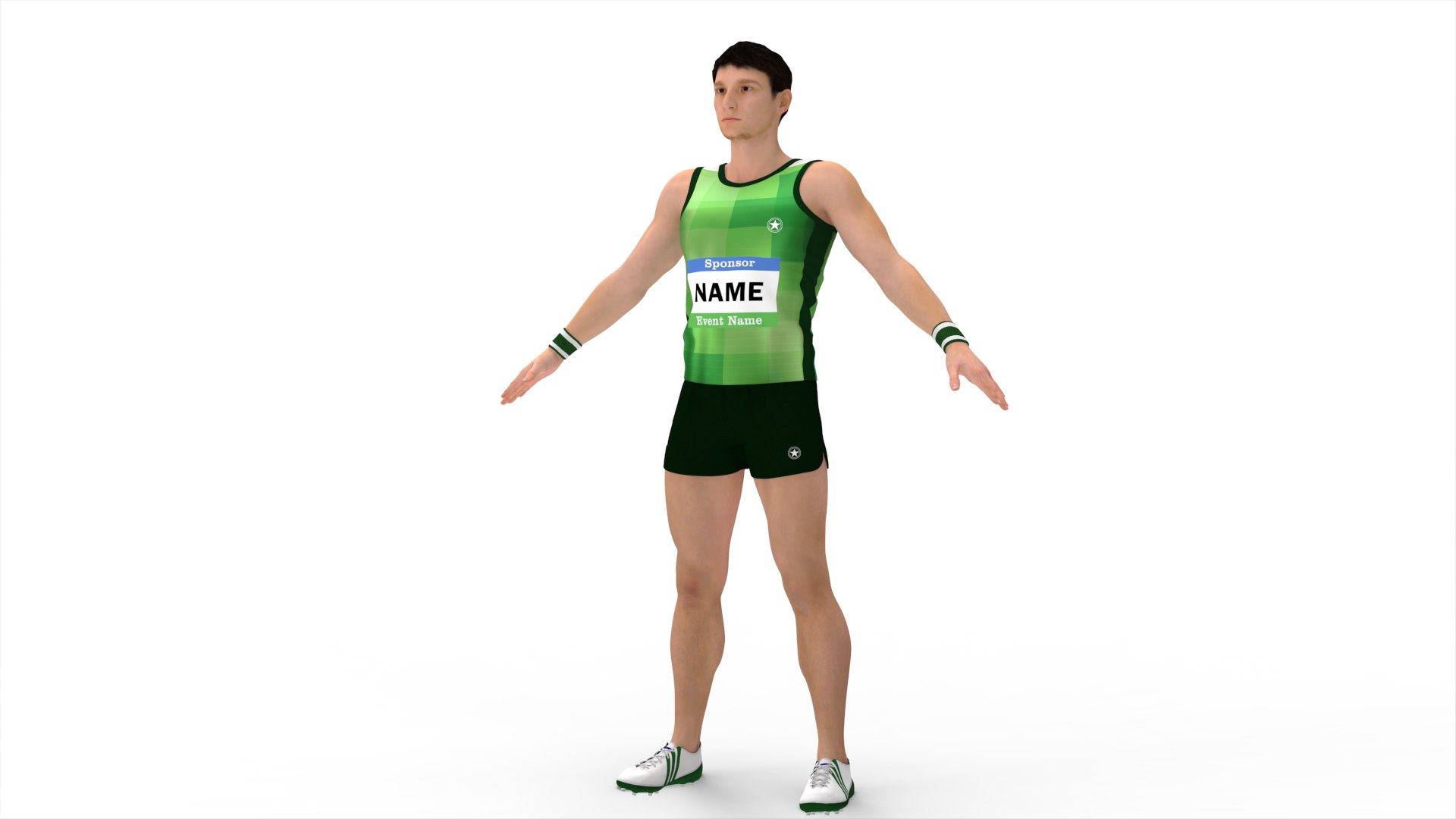
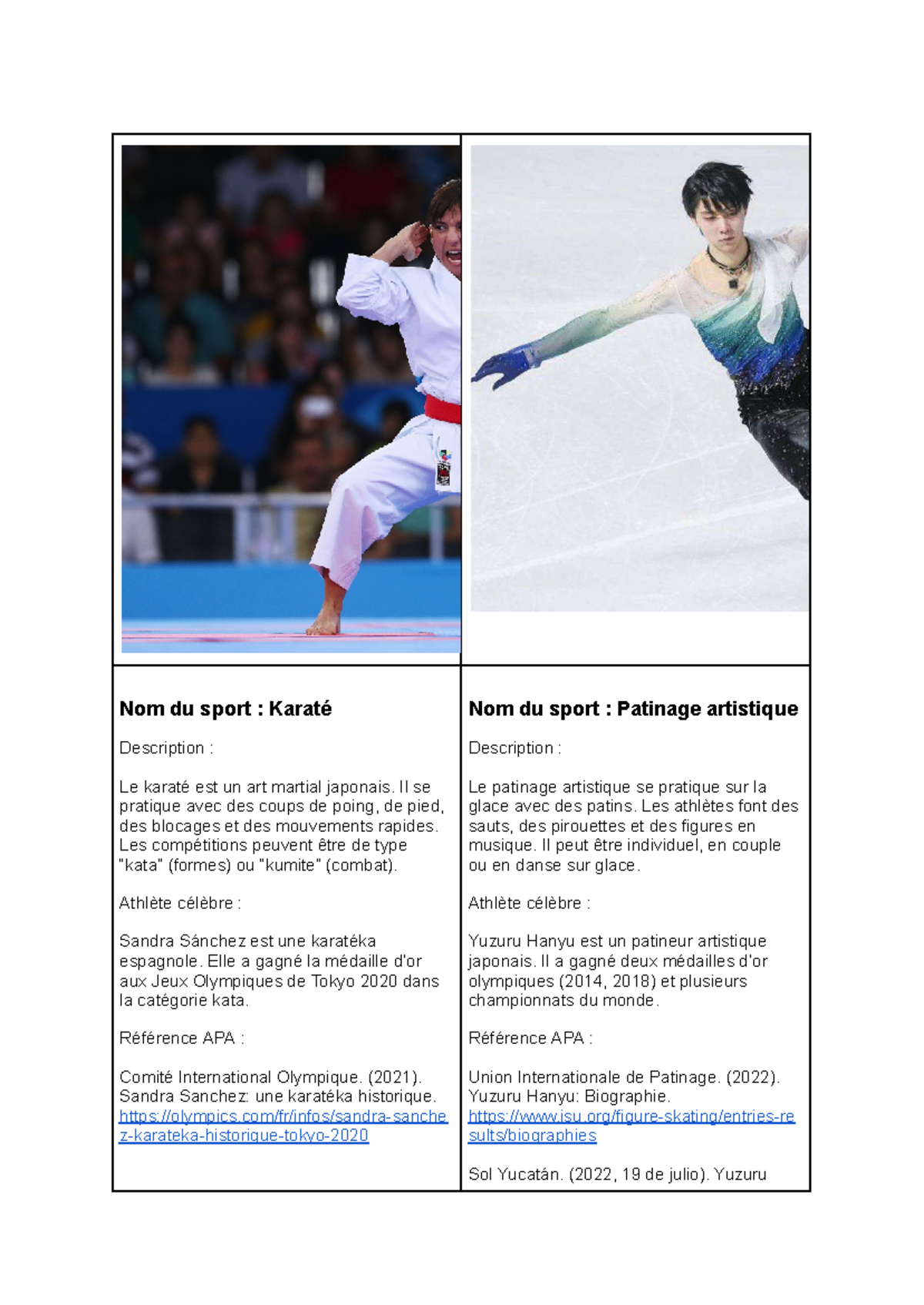
An athlete description is a structured written summary that outlines a player’s physical attributes, performance statistics, technical skills, playing style, and career achievements. Designed for college recruiters, media guides, broadcast commentary, or sponsorship kits, an effective description translates physical performance data into a concise, professional narrative that highlights an athlete's potential and accomplishments.
Core Purposes and Types of Athlete Descriptions
Writing a compelling description requires tailoring the content to the specific audience reviewing the profile. A university scout evaluates different attributes than a sports journalist or a prospective corporate sponsor. Understanding the primary function of the document ensures that the correct details receive priority.
College Recruiting and Scouting Profiles
Collegiate recruiting descriptions serve high school and junior college athletes seeking roster spots or athletic scholarships. These profiles prioritize objective metrics, verified performance data, and academic eligibility markers.
College coaches review hundreds of athlete descriptions during a recruiting cycle. Consequently, recruiting descriptions must omit fluff and focus on actionable evaluation criteria: body measurements (height, weight, wingspan), athletic testing figures (40-yard dash, vertical jump, shuttle times), film availability (Hudl or YouTube links), competitive honors (All-State, All-Conference), and academic standing (GPA, standardized test scores, NCAA Eligibility Center ID).
Team Roster and Media Guide Bios
Sports information directors (SIDs) and public relations managers draft media guide bios for high school, collegiate, and professional team rosters. These descriptions serve sports journalists, broadcasters, and fans.
A media guide description follows a standardized narrative arc: current status and recent highlights, career statistics organized by season, high school or previous team accolades, and basic personal background (hometown, parents, major or field of study). Tone is objective, authoritative, and factual, adhering strictly to house style guides such as the Associated Press (AP) Stylebook.
Sports Journalism and Broadcast Commentary Notes
Play-by-play announcers and color analysts rely on concise spotter charts and athlete description sheets during live broadcasts. These brief summaries focus on immediate, context-rich information: current physical condition, key tendencies, recent momentum shifts, tactical roles, and quick pronunciation guides.
Unlike formal static bios, broadcast athlete descriptions emphasize real-time narrative hooks, situational strengths (e.g., "high percentage free-throw shooter under two minutes"), and comparative context within a league or tournament.
Athlete Personal Branding and Sponsorship Media Kits
For professional athletes, elite amateurs, or name, image, and likeness (NIL) evaluation profiles, the athlete description functions as a promotional press kit element. In addition to athletic excellence, this format highlights public influence, social media engagement, brand alignment, charitable foundation work, and personal values.
Sponsorship bios move beyond pure box scores to answer a critical commercial question: Why should a brand invest in this athlete? The narrative blends competitive credibility with storytelling that resonates with target consumers.
Key Elements Required in Every Professional Athlete Description
Regardless of the intended medium, every thorough athlete description relies on four primary structural pillars. Omitting any of these components weakens the profile's clarity and utility.
- Core Athlete Profile Structure:
- Biographical Demographics
- Physical & Verified Metrics
- Performance & Tactical Intelligence
- Intangibles & Academic Standing
1. Basic Demographics and Physical Metrics
Accurate, standardized physical data provides the baseline evaluation for any athlete. Always list metrics using accepted regional or international units:
- Full Name and Known Alias: Proper spelling and preferred name.
- Primary and Secondary Positions: Specific tactical roles (e.g., "Point Guard / Combo Guard" or "Left-Footed Center Back").
- Graduation Year / Class Standing: Critical for recruiting timelines (e.g., Class of 2027).
- Height and Weight: Recorded in feet/inches and pounds (or meters and kilograms for international sport profiles).
- Anatomic Specifics: Dominant hand/foot, wingspan, hand size, and reach when relevant to the sport (e.g., volleyball, basketball, swimming).
2. Performance Metrics and Verified Statistics
Raw stats are most persuasive when backed by third-party verification. Unverified self-reported times or stats raise doubts among professional evaluators.
- Athletic Testing Numbers: Laser-timed 40-yard dash, 60-meter sprint, pro agility shuttle, standing vertical jump, or max bench press.
- Game/Match Statistics: Per-game averages, total cumulative career figures, shooting percentages, or event-specific personal bests (PBs).
- Third-Party Verification: Note if times or metrics were measured at official combines (e.g., Nike Football Rating Combo, Area Code Games, or official national federation meets).
3. Technical Skills and Tactical Intelligence
A descriptive paragraph must clearly explain how the athlete plays, not just what the numbers state. Technical descriptions should detail:
- Field Vision and Spatial Awareness: How the athlete anticipates plays before they unfold.
- Positional Mechanics: Footwork efficiency, throwing mechanics, stroke technique, or defensive lateral movement.
- Tactical Versatility: The ability to execute multiple defensive schemes, adapt to varying match tempos, or fill diverse tactical roles.
4. Intangibles, Leadership, and Academic Standing
Coaches and brand partners assess character alongside physical talent. Descriptions should concisely capture:
- Work Ethic and Resilience: Evidence of overcoming injury, leading off-season conditioning, or demonstrating consistent competitive drive.
- Leadership Roles: Team captaincy, vocal communication on the field, and peer mentorship.
- Academic Credentials: Cumulative GPA, weighted GPA, class rank, SAT/ACT scores, and intended field of study. Academic eligibility remains a non-negotiable prerequisite for collegiate recruitment under NCAA eligibility standards.
Step-by-Step Framework for Writing an Athlete Description
Drafting a refined athlete description requires moving systematically from raw data collection to polished narrative composition. Follow this six-step process to produce publication-ready text.
Step 1: Establish Context and Target Audience
Identify who will read the description. A submission to an NCAA Division I college recruiter demands rigorous metric verification and academic data. Conversely, a summary for a local newspaper game preview requires accessible narrative phrasing that highlights recent match winning plays.
Step 2: Gather Verified Data and Measurables
Collect original scorecards, official combine result sheets, transcripts, and official team box scores. Avoid relying on memory or estimated physical dimensions. If an athlete measures 5-foot-10, list 5-foot-10; overstating height compromises credibility when evaluated in person.
Step 3: Draft the Lead Paragraph (The "Hook")
The opening sentence must instantly summarize who the athlete is, their primary position, physical frame, team level, and dominant competitive trait.
Example Lead: "Marcus Vance is an explosive, 6-foot-2, 205-pound dual-threat quarterback for Westlake High School (Class of 2027) with a verified 4.52 40-yard dash and a two-year record as starter."
Step 4: Detail Performance and Physical Attributes
Expand into a second paragraph detailing physical mechanics, positional instincts, and proven production. Use precise verbs rather than broad adjectives. Instead of stating that an athlete is "fast," explain that they "exhibit rapid top-end acceleration, reaching top speed within three strides to beat edge defenders."
Step 5: Highlight Achievements, Leadership, and Academics
Synthesize major honors and off-field strengths into a focused concluding block. Mention league recognition, state tournament appearances, captainship, and academic benchmarks. Keep this section clear and factual.
Step 6: Edit for Tone, Clarity, and Precision
Review the draft to eliminate hyperbole, cliché phrases, and repetitive word choices. Verify that every acronym (e.g., All-CIF, Gatorade POY, PPG, OPS) is clear within the target publication context.
Structural Comparison of Athlete Description Contexts
The following matrix highlights key differences across primary athlete description formats:
| Profile Type | Primary Audience | Core Focus Areas | Tone and Style | Critical Metrics Included |
|---|---|---|---|---|
| Recruiting Bio | College Coaches, Scouts | Measurables, Film, Growth Potential, Academics | Concise, Factual, Direct | Height/Weight, Verified Times, GPA/ACT, Hudl Link |
| Media Guide Bio | Journalists, Broadcasters, Fans | Season Progress, Career Records, Background | AP Style, Narrative, Objective | Career Stats, Game Starts, Awards, Hometown |
| Broadcast Spotter Sheet | Announcers, Color Analysts | Current Form, Pronunciation, Situational Traits | Bulleted, Quick-Scan, Dynamic | Season Averages, Recent Form, Tactical Role |
| Sponsorship Kit | Brand Directors, Agencies | Public Reach, Values, Story, Athletic Prestige | Commercial, Engaging, Professional | Social Reach, Audience Demographics, Key Titles |
Formulas and Examples for Different Sports and Roles
To help apply these concepts, the following section provides field-tested formulas and examples for real-world scenarios.
Example 1: High School Recruiting Profile (Football)
Formula:[Name] | [Position] | [Class Year] | [School/Location]Physicals: [Height, Weight, Wingspan] | Testing: [40-Time, Shuttle, Vertical]Paragraph 1: Positional strengths, physical frame, on-field vision, and primary film highlights.Paragraph 2: Academic status, varsity accolades, leadership responsibilities, and contact info.
Jordan Reed – Class of 2027 Position: Wide Receiver / Return SpecialistSchool: Oak Grove High School (San Jose, CA)Height: 6'1" | Weight: 185 lbs | Wingspan: 76"Verified Metrics: 40-Yard Dash: 4.46s (Laser) | Vertical Jump: 36.5" | Pro Shuttle: 4.12sAcademic Standing: 3.84 Cumulative GPA | NCAA ID: #2309110842 Jordan Reed is a dynamic boundary receiver featuring exceptional body control, elite top-end speed, and an expanded catch radius. Operating primarily as the X-receiver in Oak Grove's spread offense, Reed demonstrates rare acceleration off the line of scrimmage, consistently stacking defensive backs on vertical routes. He exhibits strong hands in traffic, securing 78% of contested targets during his junior season while generating 480 yards after the catch (YAC). A two-time All-Blossom Valley Athletic League First-Team selection, Reed finished the 2025 season with 58 receptions for 1,042 yards and 12 touchdowns across 11 games. He also serves as a team co-captain and leads off-season route-running workouts for underclassmen. Reed maintains High Honor Roll status and is fully qualified through the NCAA Eligibility Center.
Example 2: Team Roster and Media Guide Profile (Soccer)
Formula:[Name] – [Jersey #] | [Position] | [Year/Eligibility]Paragraph 1: Previous season highlights, playing time, major match achievements.Paragraph 2: Historical career stats, background, personal history.
Elena Rostova – #10 Position: MidfieldClass: SeniorHometown: Seattle, WashingtonHigh School / Prev. Club: Eastside Prep / Seattle Surf Academy 2025 (Junior): Named First-Team All-Pac-12 after starting all 20 matches in central midfield... Led the conference with 11 assists while adding six goals... Scored the game-winning goal in the 84th minute of the NCAA Tournament Second Round match against Stanford... Played a team-high 1,740 minutes, anchoring a midfield unit that recorded nine clean sheets. 2024 (Sophomore): Appeared in 18 matches, making 15 starts... Recorded four goals and three assists... Named to the Academic All-District First Team. Personal: Majoring in Exercise Science with a minor in Data Analytics... Daughter of Peter and Anna Rostova... Played six seasons for Seattle Surf Academy, winning the ECNL National Championship in 2023.
Example 3: Sponsorship and Brand Media Kit Profile (Track & Field)
Formula:[Athlete Name] – [Event Specialty] | [National/Global Ranking]Paragraph 1: Major championship medals, national records, athletic standing.Paragraph 2: Audience demographics, brand values, community engagement, and sponsorship alignment.
Maya Lin – Olympic Track & Field Athlete Event: 400m Hurdles / 4x400m RelayPersonal Best: 52.84s (400mH) | World Ranking: #4Affiliations: Team USA | Global Nike Track Club Maya Lin is a world-class 400-meter hurdler and Olympic silver medalist known for her technical precision, rhythmic stride patterns, and high-pressure execution on the international stage. A three-time National Champion and American record holder in the indoor 400m, Lin represents the pinnacle of modern track performance. Her historic 2025 season saw her break the 53-second barrier three times while securing diamond trophy wins in Zurich and Eugene. Beyond the track, Maya is a vocal advocate for youth literacy and adaptive sports access, establishing the "Run to Read" initiative in 2024. With an engaged digital audience of over 450,000 followers across platform channels, she partners with brands focused on athletic wellness, sustainable performance wear, and science-backed nutrition. Lin is currently training in Austin, Texas, for the upcoming World Athletics Championships.
Common Mistakes to Avoid When Writing Athlete Profiles
Writing an effective athlete description requires avoiding generic statements, missing metrics, and structural errors that undercut credibility.
| Common Athlete Description Pitfalls | Details |
|---|---|
| ❌ OVERUSING UNVERIFIED CLICHÉS | "Hardest worker in the room"Replace with documented stats |
| ❌ MISSING CONTEXT FOR METRICS | "Scored 30 points per game"Note competition level & games |
| ❌ UNVERIFIED/EXAGGERATED DATA | Listing estimated height/timesUse combine laser measurements |
| ❌ OMITTING ACADEMIC DETAILS | Leaving out GPA or NCAA statusInclude GPA, test scores, ID # |
1. Overusing Unverifiable Clichés
Phrases like "natural-born leader," "first one in, last one to leave," or "has an non-stop motor" appear on thousands of athlete profiles. Evaluators generally ignore subjective praise that lacks concrete proof.
- Weak: "Marcus is a fierce competitor who works harder than anyone else on the field."
- Strong: "Marcus logged a team-high 680 snap counts in 2025, maintaining peak athletic output across 12 consecutive starts without missing a series."
2. Omitting Context for Statistics
Raw statistics lose value without context regarding competition level, opponent quality, or sample size.
- Weak: "Averaged 28 points per game."
- Strong: "Averaged 28.4 points per game against Class 6A opponents, shooting 48.2% from three-point range across 24 regular-season contests."
3. Neglecting Academic Credentials
For high school athletes seeking collegiate placement, omitting academic standing is a major red flag. NCAA eligibility depends on core course completion, cumulative GPA, and standardized test metrics. A high-performing athlete who lacks academic eligibility cannot receive a scholarship offer. Always include updated GPA figures, intended majors, and official clearinghouse identification numbers.
4. Inconsistent Formatting and Terminology
Mixing imperial and metric measurements in the same profile, alternating between full names and nicknames, or misusing sport-specific terms creates a sloppy impression. Maintain consistent formatting throughout the document.
Frequently Asked Questions
How long should an athlete description be?
Length varies based on the target audience. A recruiting description or roster bio should remain concise—between 150 and 250 words—allowing coaches and journalists to digest vital facts quickly. Sponsorship profiles and detailed media kit narratives can extend to 350–500 words to accommodate brand story details.
What stats are most important to include in a recruiting bio?
Prioritize verified physical measurables (height, weight, wingspan), laser-timed athletic performance metrics (40-yard dash, shuttle, vertical jump), and official game statistics verified by your coaching staff or third-party platforms like MaxPreps or Hudl.
How do you describe playing style without using vague buzzwords?
Focus on mechanical, tactical, and observable actions. Instead of calling a basketball player "unselfish," state that they "frequently collapse zone defenses via heavy drives to create open perimeter spot-ups for teammates." Use specific action verbs and precise technical terminology.
Should high school athlete descriptions include academic details?
Yes. College coaches evaluate academic eligibility before investing recruiting time. Include core cumulative GPA, standardized test scores (if available/required), class rank, honor society memberships, and your NCAA Eligibility Center ID number.
How often should an athlete profile be updated?
Update athlete profiles at the end of every competitive season or following major combine events. For high school athletes actively in a recruiting window, updating stats, film links, physical metrics, and academic transcripts every three to six months ensures college staff review accurate information.
Next Steps for Building Professional Athlete Profiles
- Gather Official Documentation: Collect verified combine measurement sheets, high school transcripts, official game box scores, and relevant video links.
- Select the Right Template: Choose a format aligned with your primary goal (college recruitment, team media guide, or commercial media kit).
- Draft and Refine Content: Write the description focusing on verified facts, clear technical phrasing, and objective accomplishments while stripping out subjective clichés.
- Verify Academic and Eligibility Status: Confirm that GPA figures, test scores, and registration details match official records, such as those maintained by the NCAA Eligibility Center.
- Publish and Distribute: Upload the completed description to verified recruiting portals, share it with team sports information directors, or incorporate it directly into your personal media kit.