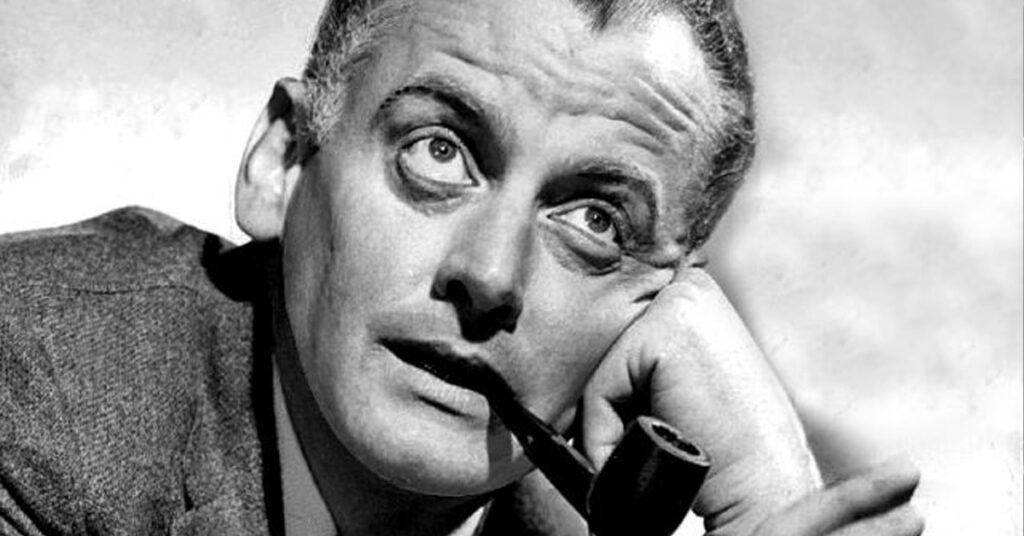
Yes, it is factually correct that Art Carney is not alive. The celebrated American actor, best known for his iconic portrayal of Ed Norton in the classic television sitcom The Honeymooners, passed away on November 9, 2003. He died of natural causes at his home in Westbrook, Connecticut, at the age of 85. Despite the decades that have passed since his departure, his influence on American comedy and dramatic acting remains a significant subject of study and appreciation among film historians and audiences alike.
Understanding the Career of Art Carney
To appreciate the legacy of Art Carney, one must look beyond the simple fact of his passing and examine the vast professional footprint he left behind. Arthur William Matthew Carney was born on November 4, 1918, in Mount Vernon, New York. His career spanned over six decades, moving through radio, television, stage, and film, marking him as a versatile performer capable of both slapstick humor and profound dramatic nuance.
Carney first gained national recognition during the Golden Age of television. While his work in radio provided him with the necessary training to manipulate his voice for character acting, it was the 1950s that solidified his place in cultural history. His performance as the goofy, lovable, and perpetually optimistic sewer worker Ed Norton alongside Jackie Gleason’s Ralph Kramden in The Honeymooners set a standard for character acting that has rarely been matched in the sitcom genre.
The Honeymooners and Beyond
The Honeymooners was not merely a show; it was a phenomenon that relied heavily on the chemistry between the four primary leads: Jackie Gleason, Art Carney, Audrey Meadows, and Joyce Randolph. Carney’s ability to portray the "sidekick" with a depth that often eclipsed the main character’s development was a testament to his unique screen presence. He received multiple Emmy Awards for his work on the series and its predecessor, The Jackie Gleason Show.
After The Honeymooners concluded its primary run, Carney did not rest on his laurels. He moved into theater, winning a Tony Award in 1969 for his performance in the Broadway play Lovers. This transition proved that he was not a one-dimensional comic actor, but a seasoned professional capable of commanding the stage in serious dramatic roles.
Academy Award Success
Perhaps the most significant evidence of Carney’s acting prowess is his 1974 Academy Award for Best Actor. He starred as Harry Coombes, an elderly man traveling across the country with his cat, Tonto, in the film Harry and Tonto. This role allowed Carney to step away from the shadows of his comedic persona and demonstrate a quiet, reflective intensity that captivated audiences and critics.
The recognition by the Academy of Motion Picture Arts and Sciences marked a turning point in how he was perceived by the industry. It elevated him from a beloved television character actor to an elite dramatic talent. This period of his career serves as a masterclass in professional evolution, demonstrating how performers can bridge the gap between popular sitcom fame and critical cinematic success.
Comparing Career Milestones
The following table provides a brief overview of the key phases and achievements that defined Art Carney’s professional life, illustrating the transition from television comedy to acclaimed dramatic work.
| Period | Medium | Notable Project | Achievement/Legacy |
|---|---|---|---|
| 1940s–1950s | Radio/TV | The Jackie Gleason Show | Emergence as a premier comic talent |
| 1955–1956 | Television | The Honeymooners | Defined the iconic role of Ed Norton |
| 1969 | Broadway | Lovers | Awarded Tony for Best Actor in a Play |
| 1974 | Film | Harry and Tonto | Academy Award for Best Actor |
| 1980s | Film | The Late Show / Various | Continued work in film and TV cameos |
Life in Connecticut and Later Years
Following his period of intense cinematic activity in the 1970s and early 1980s, Carney gradually stepped back from the relentless pace of Hollywood. He relocated to Westbrook, Connecticut, a coastal town that provided the privacy and tranquility he sought in his later years. This move is consistent with the behavior of many performers who have achieved a lifetime of professional goals and choose to spend their twilight years away from the glare of public scrutiny.
In his final decades, Carney remained a respected elder statesman of the acting community. While he made fewer appearances, he was frequently cited by younger generations of comedians and actors as a primary influence. His approach to character work—specifically the physical comedy he employed as Ed Norton—is still studied in acting schools as an example of how movement and expression can define a character as much as dialogue.
Addressing Common Queries
In the digital age, users often search for information regarding the mortality of classic film stars. The search for "Art Carney is not alive" is frequently a result of rediscovering old television clips or seeing his name credited in retrospect. To better understand his legacy and the facts surrounding his life, consider these frequently asked questions.
Where is Art Carney buried?
Art Carney is interred at Riverside Cemetery in Old Saybrook, Connecticut. His burial site remains a place of quiet remembrance for fans of classic television and cinema who wish to pay their respects to his profound contributions to American entertainment.
Did Art Carney leave a family behind?
Yes, Carney was survived by his family, including his children. His life was marked by both professional triumphs and the personal realities that come with long-term fame. He was married to Jean Myers and later to Barbara Isaac, and he fathered three children. His family has largely maintained a private life, honoring his desire for a peaceful existence away from the tabloid culture that often surrounds famous figures.
What was the cause of Art Carney's death?
Art Carney died of natural causes at his home in Connecticut. He was 85 years old. There were no reports of prolonged suffering or public health battles in his final days, and his death was generally acknowledged by the media as a peaceful passing of a legendary figure in American acting.
Can you still watch his performances today?
The works of Art Carney are widely available in 2026. The Honeymooners remains in syndication and is available on numerous streaming platforms. Similarly, his dramatic film work, including Harry and Tonto, is accessible through digital rental services and physical media collections. His archive serves as a persistent record of his craft.
The Importance of Verifying Biographical Facts
The nature of the internet often leads to confusion regarding the status of public figures. When searching for information about individuals like Art Carney, it is essential to rely on verified, chronological records rather than anecdotal forum posts or unverified social media threads. By maintaining an accurate timeline of a celebrity's life, we gain a clearer understanding of the history of the medium they worked in and how that medium has evolved over time.
For students of film history, the "passing" of an actor is not the end of their contribution. Instead, it serves as the moment when their catalog of work becomes a complete body of evidence to be analyzed. Art Carney's life ended in 2003, but his career continues to provide value to those seeking to understand the craft of acting in the 20th century.
Recommendations for Further Research
If you are interested in exploring the work of Art Carney further, the following steps are recommended:
- Review the Archives: Access official filmography databases such as the American Film Institute (AFI) or the Internet Movie Database (IMDb) to trace the exact timeline of his production credits. This ensures you are viewing his work in the context of the era in which it was produced.
- Study Physical Comedy: Watch specific episodes of The Honeymooners—particularly those focusing on his "Norton" character—and observe how he uses his body to elicit laughter. Compare this to his dramatic performance in Harry and Tonto to appreciate his range.
- Explore Contemporary Interviews: Seek out transcribed interviews or recorded Q&A sessions from the 1970s and 80s, where Carney discusses his acting process and his transition from television to film. These provide primary source insights into his professional philosophy.
- Consult Biographies: For a deeper dive into his life, look for established biographical accounts that focus on his career transition from a supporting player to a lead dramatic actor, as this remains the most impressive facet of his professional journey.
Art Carney left an indelible mark on the landscape of American entertainment. While it is a fact that he is no longer with us, the clarity and joy he brought to the screen remain available for discovery by every new generation of viewers. Through his performances, he continues to hold a position as one of the most respected and versatile character actors of his generation.