To apply for Federal Work-Study, you must complete the Free Application for Federal Student Aid (FAFSA®) for the 2026-2027 academic year. Eligibility is determined by financial need, your school's available funding, and your enrollment status. Once awarded, you must secure a qualifying part-time position to earn the funds through a regular paycheck.
The Federal Work-Study (FWS) program remains one of the most effective ways for students to offset the rising costs of higher education while gaining professional experience. Unlike grants or scholarships, which are applied directly to your tuition bill, work-study is "earned" aid. It provides part-time jobs for undergraduate and graduate students with financial need, allowing them to earn money to help pay education-related expenses. As of 2026, the program continues to emphasize positions related to community service and the student’s specific field of study.
Understanding the Prerequisites for Federal Work-Study
Before you begin the application process, it is essential to understand the eligibility criteria. Federal Work-Study is not a guaranteed entitlement; it is a campus-based aid program. This means that the U.S. Department of Education provides a specific pool of funds to participating schools, and once those funds are exhausted for the year, no further awards can be made.
Basic Eligibility Requirements
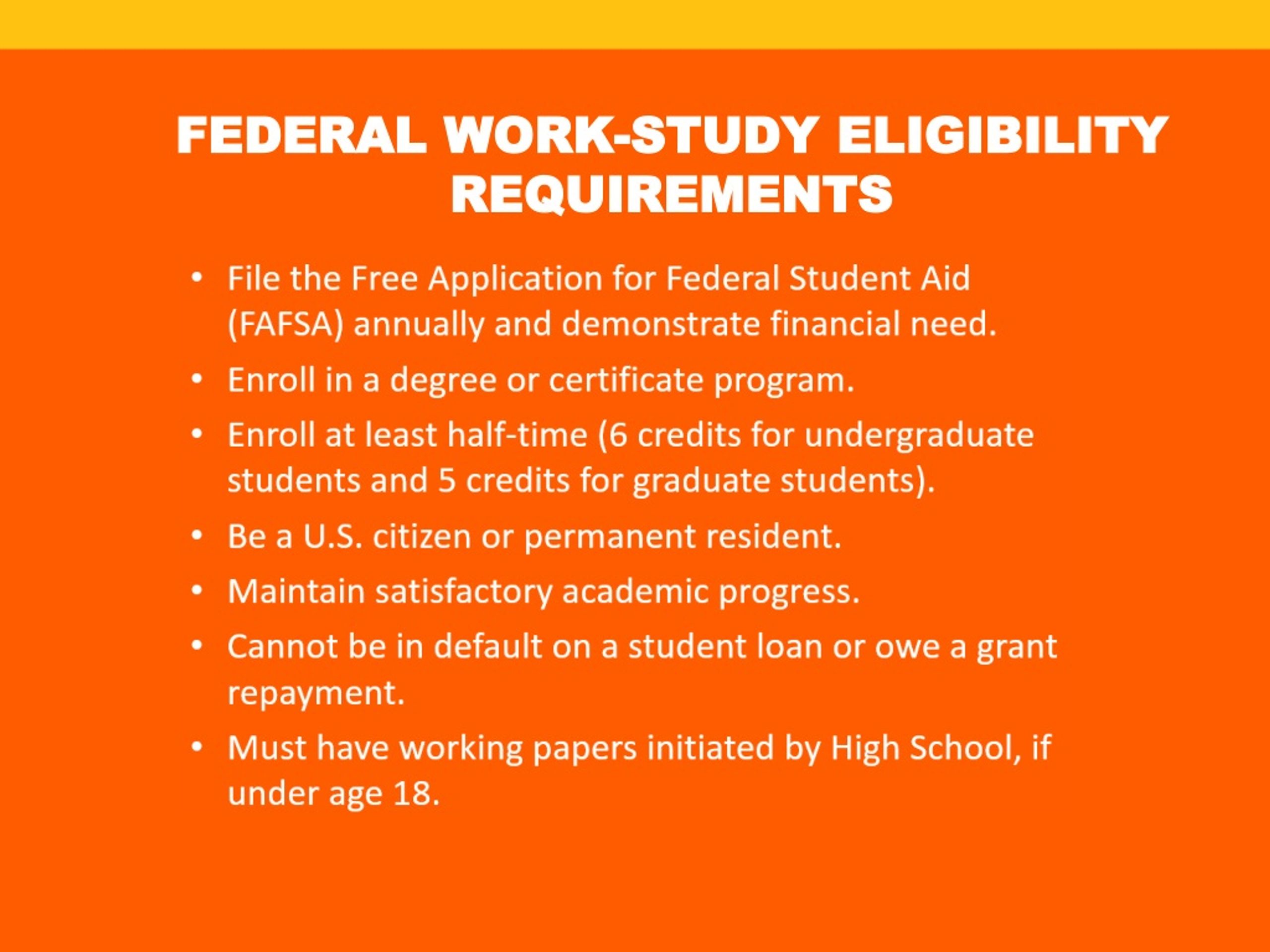
To be eligible for the program in 2026, a student must meet the general requirements for federal student aid:
- Demonstrated Financial Need: This is determined by the information provided on your FAFSA, specifically your Student Aid Index (SAI).
- Citizenship Status: You must be a U.S. citizen or an eligible non-citizen.
- Enrollment: You must be enrolled at least half-time at a college or university that participates in the Federal Work-Study program.
- Satisfactory Academic Progress (SAP): To remain eligible throughout your degree, you must maintain the GPA and credit completion standards set by your institution.
The Importance of the Student Aid Index (SAI)
In the 2026 financial aid landscape, the Student Aid Index (SAI) is the primary metric used by school financial aid offices to calculate your "need." The formula is simple: Cost of Attendance (COA) - Student Aid Index (SAI) - Other Financial Assistance (OFA) = Financial Need. Because work-study is a need-based program, students with a lower SAI are generally prioritized for these limited funds.
Step-by-Step: How to Apply for Federal Work-Study
The application process is integrated into the broader federal financial aid cycle. There is no separate "Work-Study Application" form; instead, the FAFSA serves as your primary entry point.
Step 1: Complete the FAFSA Early
The most critical step to apply for federal work-study is submitting the Free Application for Federal Student Aid (FAFSA). For the 2026-2027 academic year, the FAFSA typically becomes available on October 1, 2025. Because FWS funds are limited and often distributed on a first-come, first-served basis, submitting your FAFSA as early as possible is the single best strategy for securing an award.
When filling out the FAFSA, you will encounter a specific question asking: "Are you interested in being considered for work-study?" You must answer "Yes" to this question. Answering "Yes" does not obligate you to take a job, but answering "No" or "Don't Know" may result in the financial aid office skipping over you when distributing FWS funds.
Step 2: Review Your Student Aid Report (SAR)
After submitting the FAFSA, you will receive a Student Aid Report. Review this document to ensure there are no errors in your financial data. If your SAI is high, you may not be offered work-study. If you believe your financial situation has changed significantly since your last tax filing—due to job loss or medical expenses—contact your school’s financial aid office to request a professional judgment review.
Step 3: Examine Your Financial Aid Award Letter
If you are eligible and the school has funds available, Federal Work-Study will appear as a line item on your financial aid award letter from your college. This letter will specify the maximum amount you are permitted to earn during the academic year (e.g., $3,000).
Note: This amount is not credited to your student account at the start of the semester. It represents a "ceiling" of potential earnings. To get this money, you must find a job and work the necessary hours.
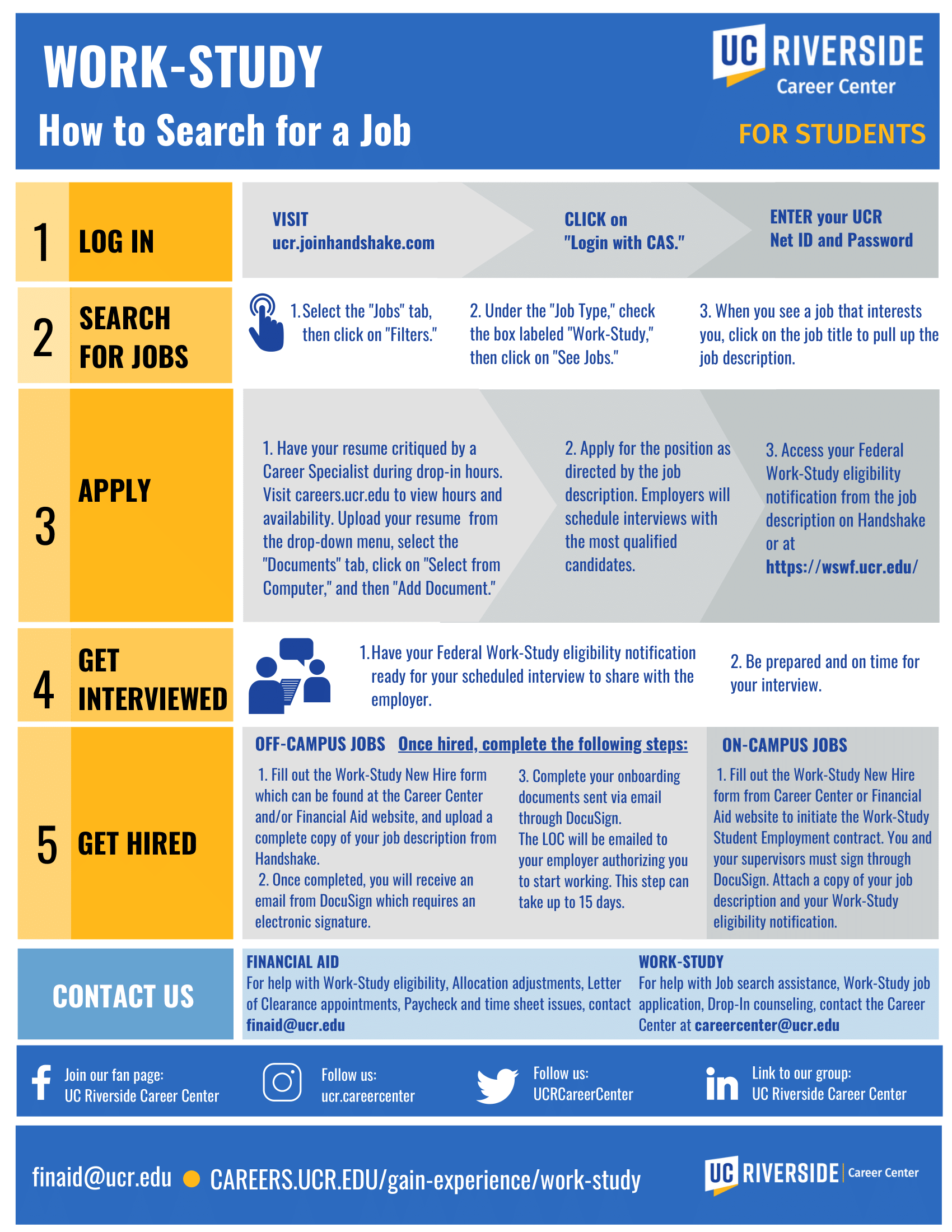
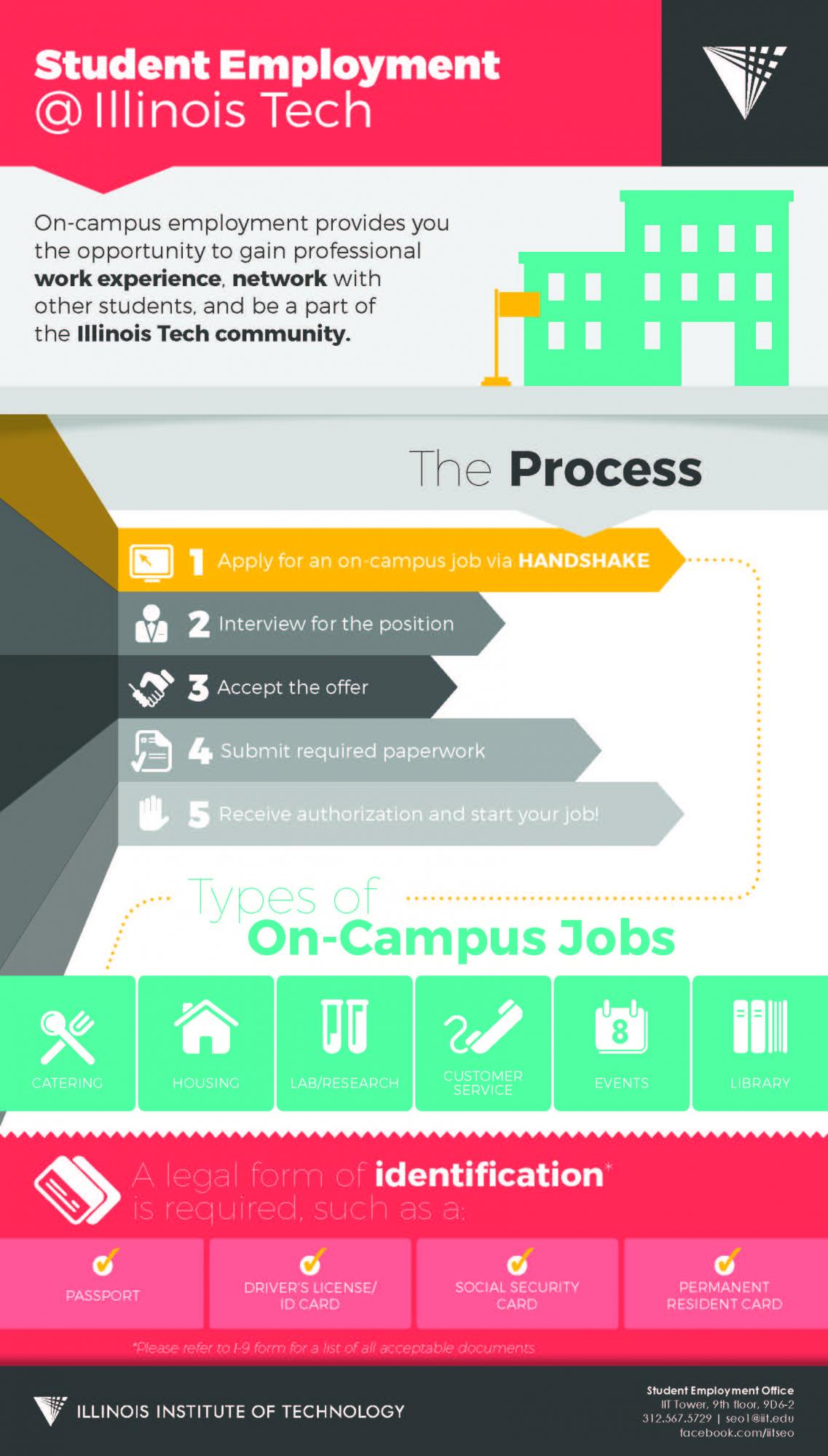
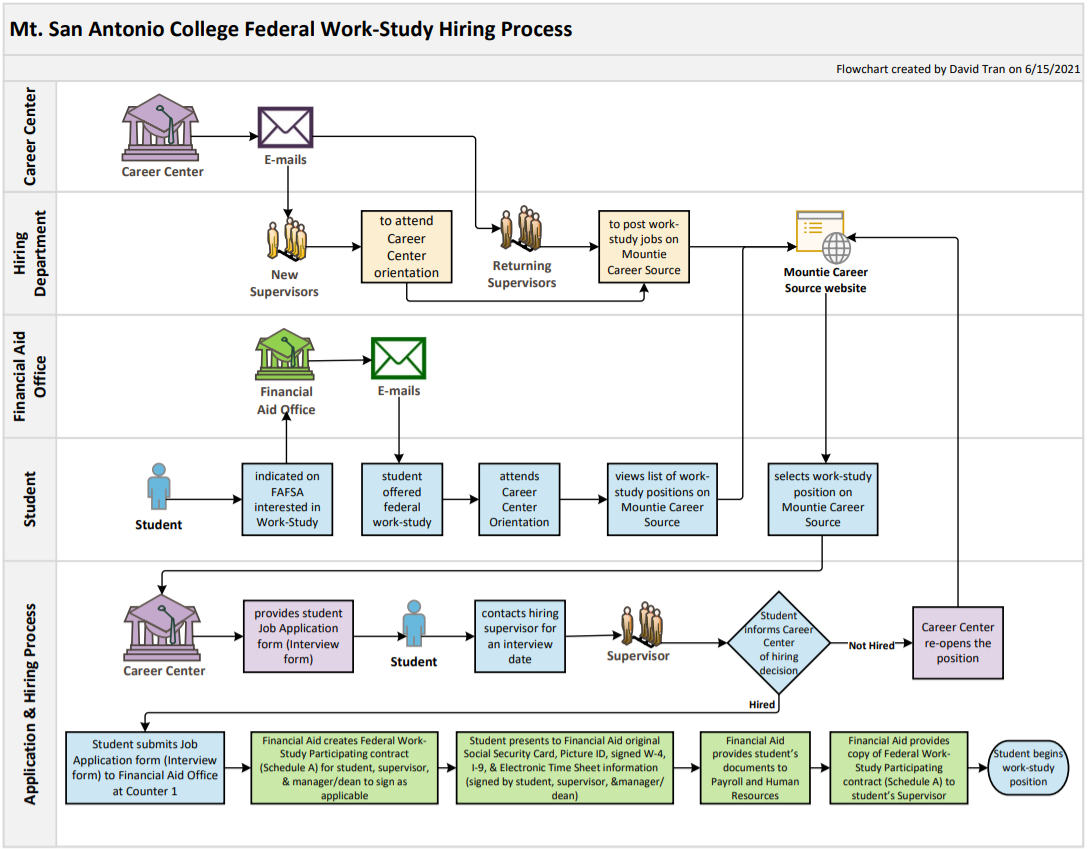
Step 4: Secure a Qualifying Position
Having "Federal Work-Study" on your award letter is essentially a permit to look for a work-study job. Most colleges have a dedicated student employment portal where they list available FWS positions.
- On-Campus Jobs: These are typically located in the library, administrative offices, laboratories, or student centers.
- Off-Campus Jobs: To qualify for FWS, off-campus jobs must usually be at a non-profit organization or a public agency, and the work performed must be in the public interest.
Comparing Federal Work-Study vs. Regular Part-Time Employment
Many students wonder if it is better to seek a work-study position or a traditional part-time job in the private sector. While both provide income, the Federal Work-Study program offers unique regulatory protections and financial benefits that traditional jobs do not.
| Feature | Federal Work-Study (FWS) | Regular Part-Time Job |
|---|---|---|
| FAFSA Impact | Earnings are excluded from "income" on next year's FAFSA. | Earnings count as income and may reduce future aid. |
| Scheduling | Employers are required to work around your class schedule. | Scheduling is at the employer's discretion. |
| Job Location | Primarily on-campus or at local non-profits. | Generally off-campus at commercial businesses. |
| Pay Rate | At least federal/state minimum wage; can be higher. | Determined by the employer/market rates. |
| Taxes | Subject to federal/state income tax; FICA exempt if enrolled full-time. | Subject to all payroll taxes, including FICA. |
| Limit on Earnings | Restricted to the amount in your aid award letter. | No limit on how much you can earn. |
Maximum Earnings and Payment Procedures
One of the most misunderstood aspects of the Federal Work-Study program is how the money is actually delivered to the student. Unlike a Pell Grant, which the school applies directly to your tuition and fees, FWS funds are paid directly to you, the student.
How You Get Paid
Under federal regulations, schools must pay work-study students at least once a month. Most institutions follow a bi-weekly payroll schedule. You will receive a paycheck (or direct deposit) based on the number of hours you worked, just like a standard job. You can choose to have these funds sent to your bank account to cover personal expenses, or you can request that the school apply the earnings directly to your student account to pay for tuition or housing.
The Earnings Ceiling
Your award letter will specify a maximum dollar amount for the year. For example, if your award is $2,500, your employer is responsible for monitoring your hours to ensure you do not exceed that total. Once you reach your limit, the federal subsidy for your wages ends. At that point, the employer must either stop your employment for the year or pay 100% of your wages from their own department budget, which many departments cannot afford to do.
Pay Rates and Hours
As of 2026, your pay rate must be at least the current federal minimum wage, though many schools pay higher rates depending on the complexity of the job and the student's skill level. Regarding hours, the "Financial Aid Administrator" at your school will help determine your schedule. However, you cannot work during scheduled class times, and most schools limit students to 15–20 hours per week to ensure that academic performance remains the priority.
Navigating On-Campus vs. Off-Campus Opportunities
When you apply for federal work-study jobs, you will find a variety of roles. Choosing the right one depends on your career goals and logistical needs.
On-Campus Roles
On-campus employment is the most popular choice because it eliminates the need for a commute. Roles often include:
- Academic Assistants: Working in departments, assisting professors with non-research administrative tasks, or managing lab equipment.
- Student Services: Working in the admissions office, the registrar, or the financial aid office.
- Facilities and Operations: Working at the campus fitness center, the student union, or the campus mailroom.
Off-Campus and Community Service
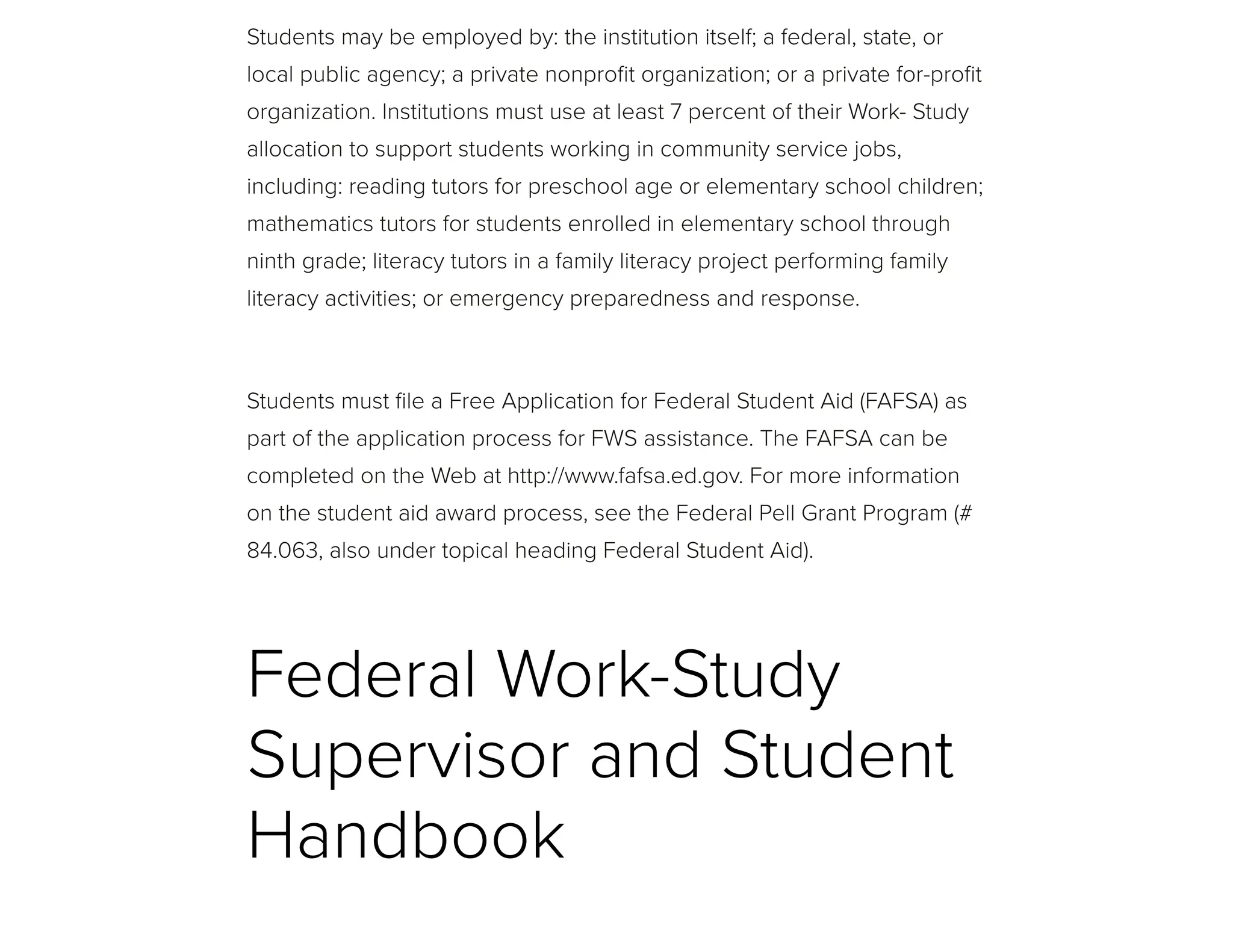
The federal government requires that a portion of a school’s FWS funding be used for community service jobs. These can be exceptionally rewarding and may include:
- Tutoring: Programs like "America Reads" or "America Counts," where college students tutor elementary school children in reading and math.
- Health and Safety: Working at community clinics, food banks, or local government offices.
- Literacy Programs: Assisting at local libraries or adult education centers.
Off-campus FWS jobs often provide students with a stronger resume, as they involve working within professional non-profit organizations or government agencies.
Common Mistakes to Avoid When Applying
To ensure you don't lose out on this financial aid opportunity, avoid these common pitfalls:
- Missing the Priority Deadline: Every school has a "priority deadline" for FAFSA submission. If you file after this date, the work-study funds may already be committed to other students.
- Assuming the Money is Automatic: Many students see "Work-Study" on their aid package and assume it will be deducted from their bill. If you don't find a job, you don't get the money.
- Forgetting to Renew: You must re-apply for federal work-study every year by submitting a new FAFSA. Eligibility is re-evaluated annually based on your current financial situation.
- Over-working: While earning money is important, working too many hours can lead to academic burnout. Most FWS programs are designed to keep work hours manageable.
Frequently Asked Questions
Can I get a work-study job if it isn't in my aid package?
If work-study was not included in your initial financial aid award, you should contact your school's financial aid office. Sometimes, students who were awarded FWS decide not to take a job, and those funds become available later in the semester. You can ask to be put on a "Work-Study Waitlist."
Is work-study income taxable?
Yes, money earned through Federal Work-Study is considered taxable income by the IRS. You will receive a W-2 at the end of the year. However, if you are enrolled as a student, you are typically exempt from FICA (Social Security and Medicare) taxes during the academic periods when you are working on campus.
Does work-study income reduce my financial aid for next year?
This is one of the biggest advantages of the program. When you fill out the FAFSA next year, you will report your total adjusted gross income, but there is a specific field to indicate how much of that income came from a Federal Work-Study job. The FAFSA formula excludes those earnings when calculating your SAI, meaning work-study income will not make you "less eligible" for aid in the following year.
What happens if I can't find a work-study job?
The school cannot guarantee a job for every student who is eligible for FWS. If you are unable to find a qualifying position through the school's employment portal, the award remains "unearned." You will not be penalized, but you will need to find alternative ways to cover the expenses that the work-study money would have addressed.
Can I have two work-study jobs at the same time?
Generally, no. Most schools prohibit students from holding multiple FWS positions simultaneously to ensure that the limited funds are distributed among as many students as possible. However, some schools may allow you to combine a work-study job with a regular (non-FWS) campus job, provided you do not exceed the weekly hour limit set by the institution.
Next Steps and Recommendations
If you intend to use Federal Work-Study to help fund your 2026-2027 education, your first action should be to verify your FSA ID and ensure your parents (if you are a dependent student) have theirs. Once the FAFSA opens, submit it immediately.
After you receive your award letter, do not wait until the first week of classes to look for a job. High-demand positions—such as those in the library or specific academic departments—are often filled weeks before the semester begins. Contact your school’s Student Employment Office in late summer to gain access to the job portal and start submitting your resume and cover letter.
For more information and to begin your application, visit the official Federal Student Aid website.