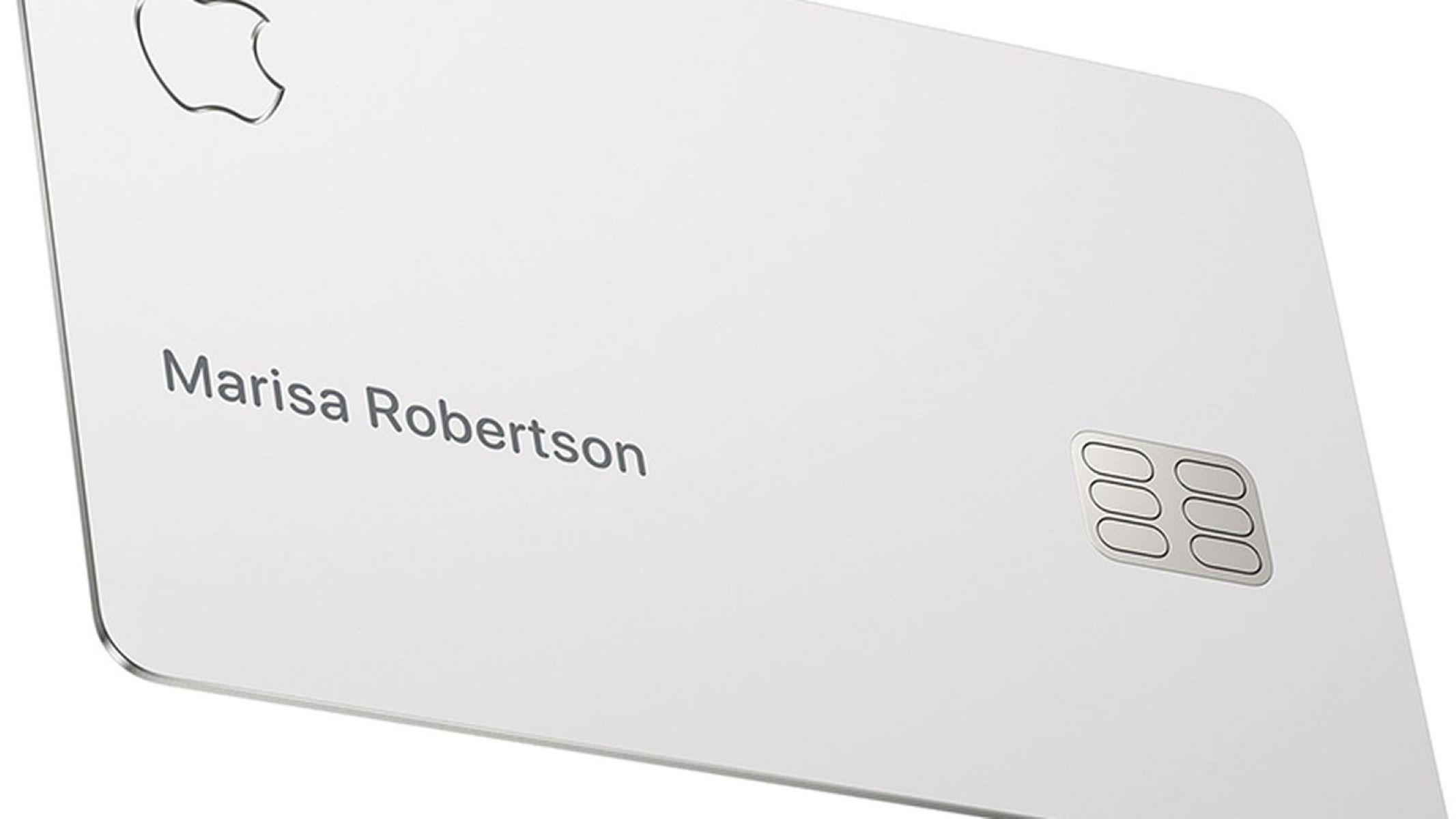
The Apple Federal Credit Union (AFCU) credit card is a financial product issued by a member-owned, not-for-profit cooperative based in Northern Virginia. It is distinct from the Apple Card issued by Goldman Sachs, functioning instead as a traditional credit union-backed lending vehicle designed to provide competitive interest rates, reward structures, and financial stability for its members.
Understanding the Nature of Apple Federal Credit Union
To understand the Apple Federal Credit Union credit card, one must first recognize the organization behind it. Apple Federal Credit Union is a financial institution headquartered in Fairfax, Virginia. Unlike commercial banks, which are owned by shareholders and seek to maximize profit for those stakeholders, a credit union is a cooperative entity owned by its members.
When you apply for an AFCU credit card, you are not merely opening a line of credit; you are becoming a member of the credit union. This requires meeting specific eligibility criteria, usually based on residency, employment, or affiliation with select educational institutions or organizations within the Northern Virginia area. Because the credit union is not-for-profit, it generally returns its earnings to members in the form of lower interest rates on loans, higher yields on savings accounts, and reduced fees on credit products.
Distinguishing AFCU from the Tech-Industry Apple Card
A common point of confusion for consumers involves the naming convention. There is no partnership between Apple Federal Credit Union and Apple Inc. (the technology company). The "Apple" in Apple Federal Credit Union refers to the organization's historical roots, specifically its founding in 1948 by a group of educators in Fairfax County, Virginia, who sought to improve their financial well-being.
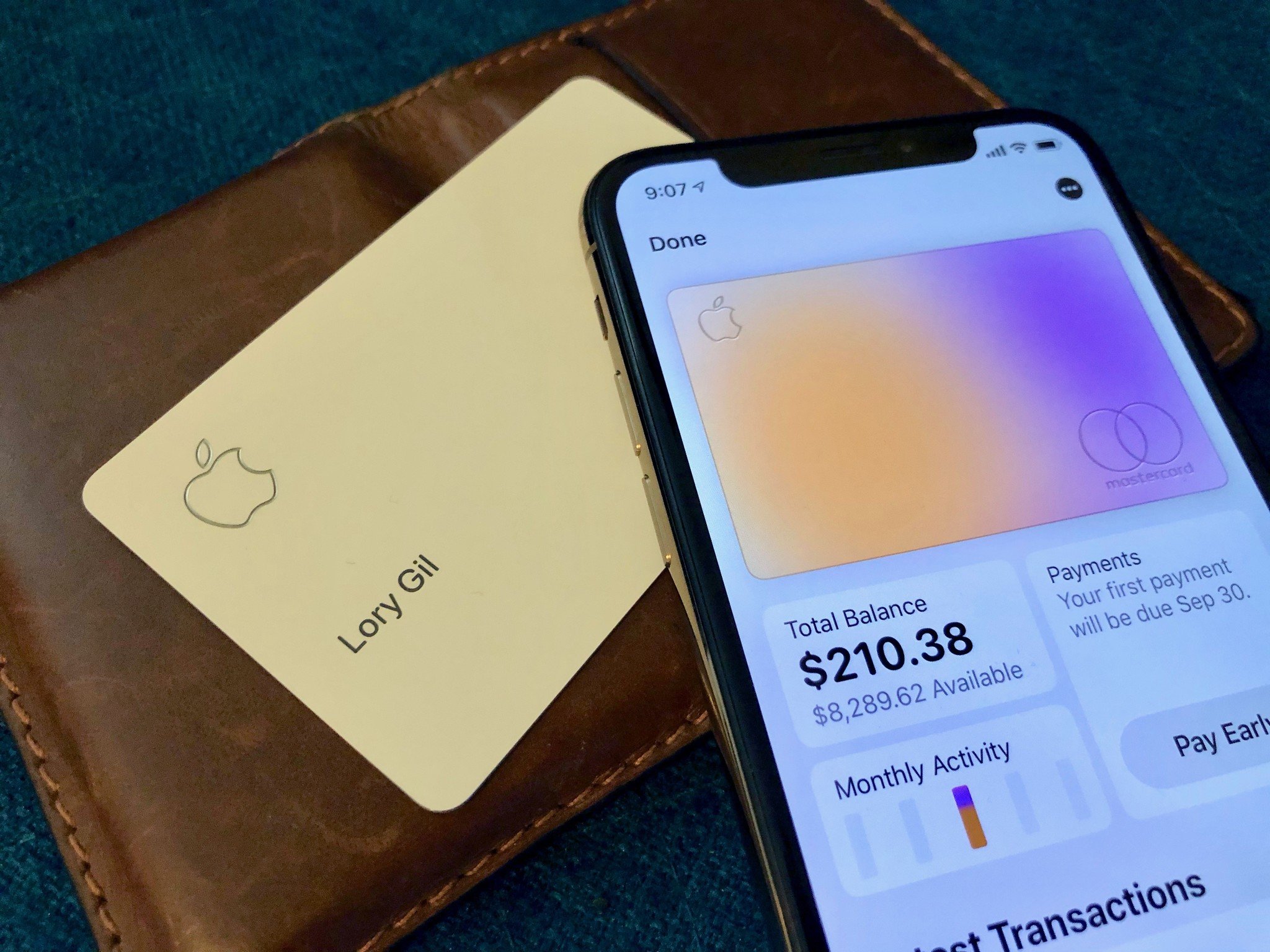
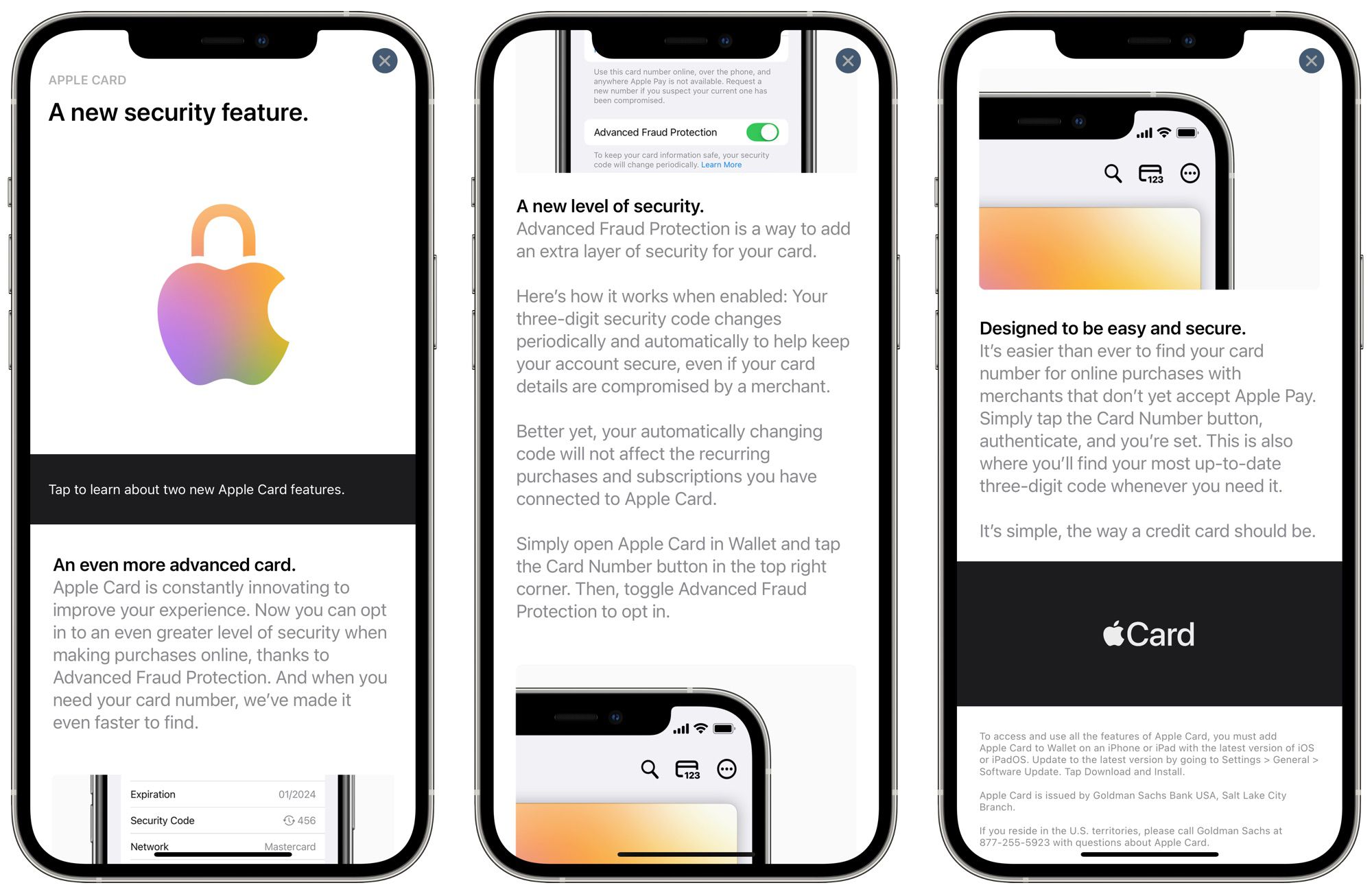
Conversely, the Apple Card is a digital-first credit card managed through the Apple Wallet app, issued by Goldman Sachs. If you are searching for information regarding the tech company's credit card, you will not find it within the documentation of Apple Federal Credit Union. This guide focuses strictly on the lending products offered by the Fairfax-based financial cooperative.
Membership Eligibility and Requirements
Before you can apply for an Apple Federal Credit Union credit card, you must satisfy the membership requirements. Credit unions are mandated by law to serve specific fields of membership. For Apple Federal Credit Union, eligibility generally extends to:
- Individuals who live, work, worship, volunteer, or attend school in various counties and cities throughout Northern Virginia.
- Employees of specific participating organizations or school systems.
- Immediate family members or household members of an existing Apple Federal Credit Union member.
Once you establish your eligibility, the application process requires you to open a primary savings account. This account, typically referred to as a "share account," acts as your formal ownership stake in the credit union. You must maintain a minimum balance—often as low as $5.00—to keep your membership active. Without this share account, the credit union cannot process your credit card application.
Available Credit Card Products
Apple Federal Credit Union offers a tiered structure of credit cards, designed to meet different consumer needs, ranging from building credit to maximizing rewards. While specific promotional offers and interest rates fluctuate, the lineup generally consists of the following types:
- Rewards-Based Cards: These cards typically offer points for every dollar spent on eligible purchases. These points can be redeemed for travel, merchandise, or statement credits. These are geared toward individuals who pay their balances in full every month and want to capitalize on daily spending.
- Low-Interest Cards: These cards prioritize a lower Annual Percentage Rate (APR). They are ideal for cardholders who occasionally need to carry a balance from month to month, as the interest charges are significantly lower than standard commercial credit cards.
- Credit-Builder Cards: Designed for those with limited or damaged credit histories, these products help users establish a positive repayment history. They often feature lower credit limits but provide the same fundamental access to digital banking and security tools as premium products.
Interest Rates and Fee Structures
As a not-for-profit cooperative, Apple Federal Credit Union structures its credit card fees differently than large, for-profit banks. However, transparency is required by the Truth in Lending Act. When reviewing the cardholder agreement for any AFCU card, you must pay attention to:
- Variable APR: Most cards utilize a variable interest rate tied to the Prime Rate. If the Federal Reserve adjusts the federal funds rate, your APR may change accordingly.
- Annual Fees: Many credit union cards are marketed as "no annual fee" products, but you should verify this during the application process, as terms can change based on the specific tier of card selected.
- Transaction Fees: This includes foreign transaction fees, balance transfer fees, and cash advance fees. Credit unions often provide lower-than-average fees in these categories compared to national big-box banks.
- Late Payment Penalties: These are standard across the industry but are regulated by the credit union's internal bylaws.
Comparison of Financial Product Features
| Feature | Apple FCU Credit Cards | Commercial Bank Cards |
|---|---|---|
| Ownership | Member-owned cooperative | Publicly traded corporation |
| Primary Goal | Member financial wellness | Shareholder profit |
| Fee Structure | Generally lower, fewer hidden fees | High fees, complex fine print |
| Customer Service | Localized, member-centric | Often outsourced, high-volume |
| Eligibility | Specific residency/employer criteria | Open to the general public |
Application Process: Step-by-Step
If you have verified your eligibility and identified the card that best fits your financial situation, follow these steps to secure your credit:
- Verify Membership Status: Ensure you meet the residency or professional criteria established by the credit union.
- Prepare Documentation: You will need a government-issued photo ID (driver’s license or passport), a Social Security number, and proof of address.
- Submit Application: You can apply online through the official Apple Federal Credit Union portal, by phone, or in person at a branch location in Northern Virginia.
- Credit Inquiry: The credit union will perform a hard inquiry on your credit report. Be prepared for a temporary, minor dip in your credit score, which is standard during a credit application.
- Review and Accept: Once approved, you will receive a cardholder agreement. Read the specific APR, credit limit, and fee schedule provided in your approval documents.
- Card Activation: Upon receipt of the physical card, you must activate it via the phone number provided or through the credit union's mobile banking platform.
Managing Your Account and Security
Once you have your credit card, maintaining good standing is vital. Apple Federal Credit Union provides several digital tools to help manage your account:
- Digital Banking: You can monitor transactions, check balances, and set up alerts for due dates via the credit union's mobile app or online portal.
- Automated Payments: To avoid late fees and interest, it is highly recommended to set up automatic payments for the "statement balance" each month.
- Security Protocols: In the event of a lost or stolen card, the credit union allows you to "lock" your card instantly through the mobile application, preventing unauthorized transactions.
- Fraud Monitoring: Like most financial institutions, AFCU employs automated systems to flag suspicious activity. Ensure your contact information is current so the fraud department can reach you if they identify an unusual transaction.
Common Pitfalls and Troubleshooting
Even with the best products, users occasionally encounter challenges. Understanding these beforehand can save time and frustration:
- The "Invisible" Membership: Many applicants forget that they need an active share account before they can be approved for a credit card. If your membership application is not fully processed, your credit card application will be delayed or denied.
- Hard Credit Inquiries: Many people apply for multiple credit cards at once. This triggers multiple "hard pulls" on your credit report, which can negatively impact your credit score. Apply only when you are certain you meet the membership and credit requirements.
- Foreign Transactions: If you travel internationally, check whether your specific card carries a foreign transaction fee. While some premium credit union cards waive this, others may charge a percentage for every purchase made outside the United States.
- Dispute Resolution: If you find an error on your statement, contact the credit union’s dispute department immediately. Federal law provides protections for billing errors, but these are time-sensitive, often requiring notification within 60 days of the statement date.
Financial Responsibility and Credit Health
The ultimate goal of utilizing an Apple Federal Credit Union credit card should be to build and maintain financial health. Because the credit union is incentivized to see its members succeed rather than maximize debt-interest income, they offer resources that for-profit lenders often lack.
Utilize their financial counseling services if you find yourself struggling with debt management. They can provide guidance on budgeting, debt consolidation, and credit repair strategies. Remember that a credit card is a tool for convenience and credit building, not an extension of your income. Keeping your credit utilization ratio low—ideally below 30% of your total credit limit—is one of the most effective ways to boost your credit score over time.
Conclusion
The Apple Federal Credit Union credit card is an excellent choice for individuals residing or working within the credit union's service area in Northern Virginia. By choosing a member-owned institution, you gain access to a lending environment that prioritizes fair fees and community-oriented service over the profit-driven motives of large national banks. Before applying, ensure your membership eligibility is confirmed and your financial situation supports responsible borrowing. By treating the card as a managed financial tool, you can leverage the benefits of the credit union to improve your long-term financial stability.
Frequently Asked Questions
1. Can anyone apply for an Apple Federal Credit Union credit card? No. You must meet specific membership eligibility criteria, which are primarily based on your geographic location in Northern Virginia, your employment status with specific partners, or your relationship to an existing member.
2. How does the AFCU card differ from an Apple Card? They are completely unrelated. The Apple Federal Credit Union card is offered by a regional financial cooperative, while the Apple Card is a digital consumer product from Apple Inc. and Goldman Sachs.
3. Will applying for this card hurt my credit score? Applying for the card will trigger a "hard inquiry" on your credit report, which typically results in a small, temporary decrease in your credit score. This is standard procedure for all credit card applications.
4. What is a "share account" and why do I need one? A share account is your primary savings account with the credit union. It represents your ownership share in the cooperative. You must have this account established before you can be approved for credit products like a credit card.
5. Are there fees for using an AFCU credit card? This depends on the specific card type. While many credit unions offer low or no annual fee products, you should always check the "Schumer Box"—the table of fees and rates—provided during the application process for the most current information.
6. Where can I find help if I have a problem with my card? You should contact Apple Federal Credit Union's official customer service department directly through their website or by visiting a local branch. Avoid third-party support sites to ensure your account security.