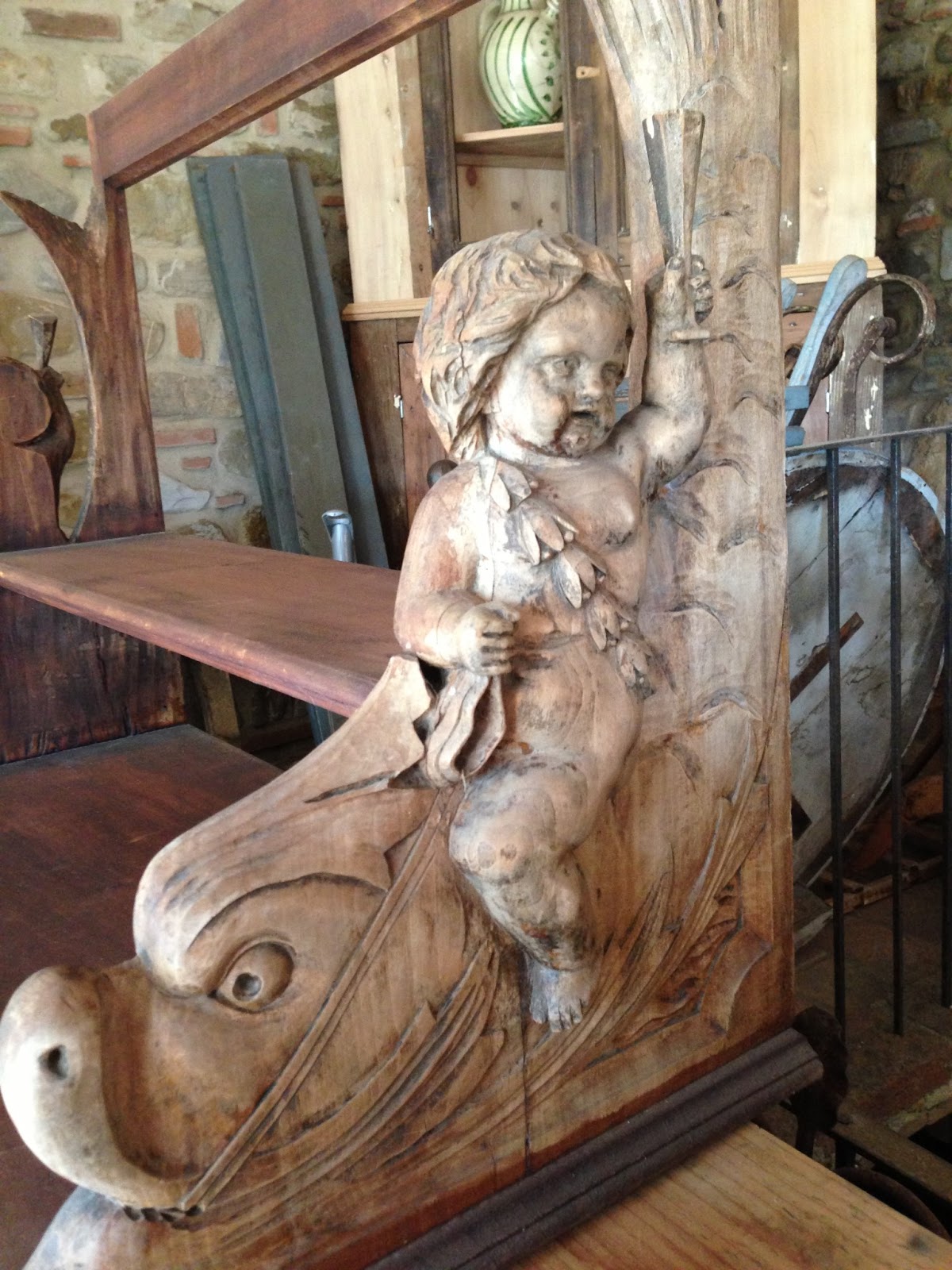
Italy remains the global epicenter for antique collecting, offering a dense network of high-end galleries, historic workshops, and massive outdoor fairs. To navigate this market successfully in 2026, buyers must focus on regional specializations—such as Renaissance pieces in Florence or Mid-Century Modern in Milan—while strictly adhering to national export laws (Belle Arti) and ensuring all purchases include a formal certificate of authenticity and origin.
The Italian antique market is not a monolith; it is a fragmented landscape where centuries of craftsmanship intersect with modern commerce. Whether you are a professional interior designer seeking 18th-century Venetian mirrors or a casual traveler looking for a Roman micro-mosaic, understanding the geography, legalities, and logistics of Italian antiquities is essential. This guide provides the technical and practical framework necessary to source, verify, and export treasures from the Italian peninsula.
The Geography of Italian Antiques: Regional Specializations
Italy’s history as a collection of independent city-states has left a legacy of distinct regional styles. When searching for antique stores, your destination should be dictated by the specific era or aesthetic you desire.
Florence and the Oltrarno District
Florence is the heartbeat of the Italian Renaissance, and its antique trade reflects this. The streets of Via Maggio and Via de' Fossi are lined with prestigious galleries specializing in 16th and 17th-century furniture, religious iconography, and gilt-wood frames. In the Oltrarno (the "other side" of the Arno river), you will find the traditional workshops of restauratori (restorers). These artisans often sell impeccably restored pieces, from inlaid marble tabletops (pietra dura) to Tuscan rustic furniture. Florence is the place for high-provenance, museum-quality investments.
Milan: The Hub of 20th-Century Design
While Florence looks back to the Renaissance, Milan dominates the market for 20th-century design and decorative arts. The Brera District and Via Bagutta host sophisticated boutiques featuring Art Deco, Liberty style (Italian Art Nouveau), and the iconic works of Mid-Century Modern masters like Gio Ponti and Ettore Sottsass. Milanese dealers are known for their curation, often blending ancient artifacts with sleek 1950s furniture to showcase how antiques can function in contemporary spaces.
Rome: Neoclassical Grandeur
Rome’s antique trade is centered around Via dei Coronari, Via Giulia, and Via del Babuino. Given the city’s history, the market here leans heavily toward Neoclassical furniture, ancient Roman marbles (which require extensive documentation), and 18th-century Grand Tour souvenirs. Roman shops are particularly strong in "Old Master" paintings and liturgical antiques. The scale of items in Rome tends to be more architectural, catering to those with grand spaces.
Arezzo and the Monthly Ritual
For many collectors, the city of Arezzo provides the most authentic experience. On the first Sunday of every month (and the preceding Saturday), the entire historic center transforms for the Fiera Antiquaria di Arezzo. Since 1968, this has been one of Italy’s most significant outdoor markets, featuring over 500 exhibitors. It is a prime location for finding "sleepers"—items that may have been undervalued—ranging from ancient coins to massive refectory tables.
Navigating the "Belle Arti": Export Regulations in 2026
The most critical aspect of buying antiques in Italy is understanding the legal framework governing the movement of cultural goods. The Italian Ministry of Culture (Ministero della Cultura) oversees the protection of national heritage through strict export controls.
The 70-Year Rule
Under current Italian law, any object older than 70 years is subject to scrutiny if it is to be exported from Italy. Previously, the threshold was 50 years, but the 70-year rule provides slightly more flexibility for mid-century items. However, if an item is considered to have "exceptional cultural interest," the state can deny an export permit or even exercise its right of pre-emption to purchase the item at the declared price.
The Export Permit Process (SUE)
If you purchase an item over 70 years old (and in some cases, those over 50 years with specific value thresholds), the dealer must apply for an Attestato di Libera Circolazione (Certificate of Free Circulation) through the Ufficio Esportazione (Export Office).
- Submission: The item is physically presented or documented to the authorities.
- Review: Officials determine if the item is a "national treasure."
- Timeline: This process can take anywhere from 4 to 12 weeks. In 2026, many of these processes are handled via the SUE digital portal, but delays remain common.
- Cost: While the certificate itself has nominal fees, the administrative work handled by the dealer or a shipping agent often incurs a cost of €150 to €500.
Self-Declaration for Newer Items
For items between 50 and 70 years old that are valued under €13,500, a simpler "self-declaration" (autocertificazione) is typically sufficient. This document states that the item does not fall under protected categories. Always ensure your dealer provides this paperwork; without it, customs officials can seize the item at the border.
Major Antique Fairs: Events for Serious Collectors
While permanent shops offer curated selections, Italy’s large-scale fairs are where the trade truly happens. These events are essential for comparing prices and seeing a massive volume of inventory in a single weekend.
| Fair Name | Location | Frequency | Specialization |
|---|---|---|---|
| Mercanteinfiera | Parma | Bi-Annual (Spring/Fall) | The largest in Europe; everything from jewelry to large furniture. |
| Fiera Antiquaria | Arezzo | Monthly (1st Sunday) | Eclectic mix, rustic Tuscan, outdoor setting. |
| Navigli Antiquariato | Milan | Monthly (Last Sunday) | High-end 20th-century design and collectibles. |
| Modenantiquaria | Modena | Annual (February) | High-end fine art and prestigious furniture. |
| Brixia Antiquaria | Brescia | Annual (November) | Specialized in paintings and high-quality "objects of virtue." |
Mercanteinfiera in Parma
If you only visit one event, make it Mercanteinfiera. Held at the Fiere di Parma complex, it attracts over 1,000 exhibitors. The fair is divided into pavilions: one usually dedicated to 18th and 19th-century antiques, another to "Modernariato" (20th-century design), and others to jewelry and vintage fashion. It is a high-energy environment where quick decisions are often necessary.
Authentication and the Certificate of Origin
In the Italian market, a verbal assurance is never enough. To protect your investment and satisfy future buyers or customs agents, every significant purchase must be accompanied by a Certificate of Authenticity and Origin.
Under Article 149 of the Codice dei Beni Culturali, professional sellers are legally required to provide documentation for the authenticity of the items sold. A valid certificate should include:
- A detailed description of the item.
- Estimated date or period of creation.
- Materials and techniques used (e.g., "walnut with fruitwood inlay").
- Provenance (history of ownership, if known).
- Photographs of the item.
- The dealer’s official stamp and signature.
If a dealer hesitates to provide this, it is a significant red flag regarding the item's age or legality. Furthermore, for items involving restricted materials—such as ivory, tortoiseshell, or certain exotic woods—you must ensure the item is accompanied by a CITES certificate. In 2026, the trade of antique ivory (pre-1947) is extremely restricted and requires specific "worked item" derogations.
Logistics: Moving Masterpieces Across Borders
Buying a 17th-century cupboard is only half the challenge; getting it home is the other. International shipping from Italy requires specialized knowledge of crating, humidity control, and customs brokerage.
Professional Packing
Standard couriers are rarely suitable for high-value antiques. Look for "fine art shippers" who use custom-built wooden crates. For fragile items like Murano glass chandeliers or terracotta sculptures, "double-crating" (a box within a crate with shock-absorbing foam) is the industry standard.
Insurance Coverage
Never rely on the carrier's basic liability, which usually pays by weight, not value. Secure a "wall-to-wall" insurance policy. This covers the item from the moment it leaves the shop until it is unpacked in your home. Ensure the policy covers "pairs and sets"—if one of a pair of Venetian chairs is destroyed, the value of the remaining chair is significantly diminished.
Customs Duties
When shipping outside the European Union (to the USA, UK, or China), be aware of import duties. In many jurisdictions, items confirmed to be over 100 years old qualify as "antiques" and may be duty-free under specific tariff headings (such as Chapter 97 of the Harmonized System). You will still need to pay VAT or sales tax depending on your local laws.
Tips for Successful Negotiation and Purchase
The Italian market thrives on relationship-building. While high-end galleries in Milan might have fixed prices, most antique dealers expect some level of negotiation (trattativa).
- Cash vs. Card: Italy has strict limits on cash payments to combat money laundering. In 2026, the limit for cash transactions remains low (typically around €1,000 to €5,000 depending on current legislation). For large purchases, bank transfers (bonifico) are the preferred and safest method.
- Bundle Purchases: You are more likely to receive a discount (sconto) if you buy multiple items from the same dealer.
- Identify Restorations: Ask specifically what has been replaced. A "100% original" 18th-century chest is rare. It is acceptable for feet, back panels, or handles to have been replaced, but this should be reflected in the price.
- Visit Workshops: Some of the best deals are found by visiting the laboratori (workshops) directly rather than the showrooms. These are often tucked away in side streets in cities like Lucca or Florence.
Frequently Asked Questions
Can I bring antiques home in my suitcase?
For small items like jewelry or small bronzes, you can physically carry them, but you still require an export permit if they are over 70 years old. If stopped at the airport without documentation, the item may be confiscated. For anything of significant value, it is safer to have a professional shipper handle the paperwork and transport.
How do I know if a "Renaissance" piece is a 19th-century reproduction?
The 19th century saw a massive "Renaissance Revival" in Italy. These pieces are often beautiful and valuable in their own right, but they are not 16th-century originals. Look for signs of tool marks; 19th-century pieces often show signs of circular saws or machine-planing on the hidden undersides, whereas true Renaissance pieces will show hand-planing and irregular joinery.
Is it cheaper to buy antiques in Southern Italy?
Generally, yes. Regions like Puglia, Sicily, and Campania have vibrant antique scenes in cities like Naples and Lecce. Prices are often lower than in Florence or Milan, but the logistics of shipping from the south can be more complex and expensive. The style in the south also tends toward the "Barocco Siciliano" or more rustic Mediterranean aesthetics.
What should I do if a dealer says an export permit isn't necessary?
If the item is clearly old (pre-1950s), do not take their word for it. Request that they provide either the Attestato di Libera Circolazione or a formal Autocertificazione. If you export an item illegally, even unknowingly, you risk permanent seizure and legal fines.
Are there specific apps for finding antique stores in Italy?
While several local apps exist, the most reliable way to find reputable dealers is through the Associazione Antiquari d'Italia (AAI). Their members adhere to a strict code of ethics and professional standards.
Practical Recommendation
For a first-time buyer or a collector looking for the highest density of quality items, start with the Mercanteinfiera in Parma. Held every Spring and Autumn, it provides a comprehensive cross-section of the entire Italian market in one location. Before purchasing, hire a local shipping agent who specializes in fine art to handle the "Belle Arti" export applications and international crating. This ensures that your investment is legally protected and physically secured during transit.