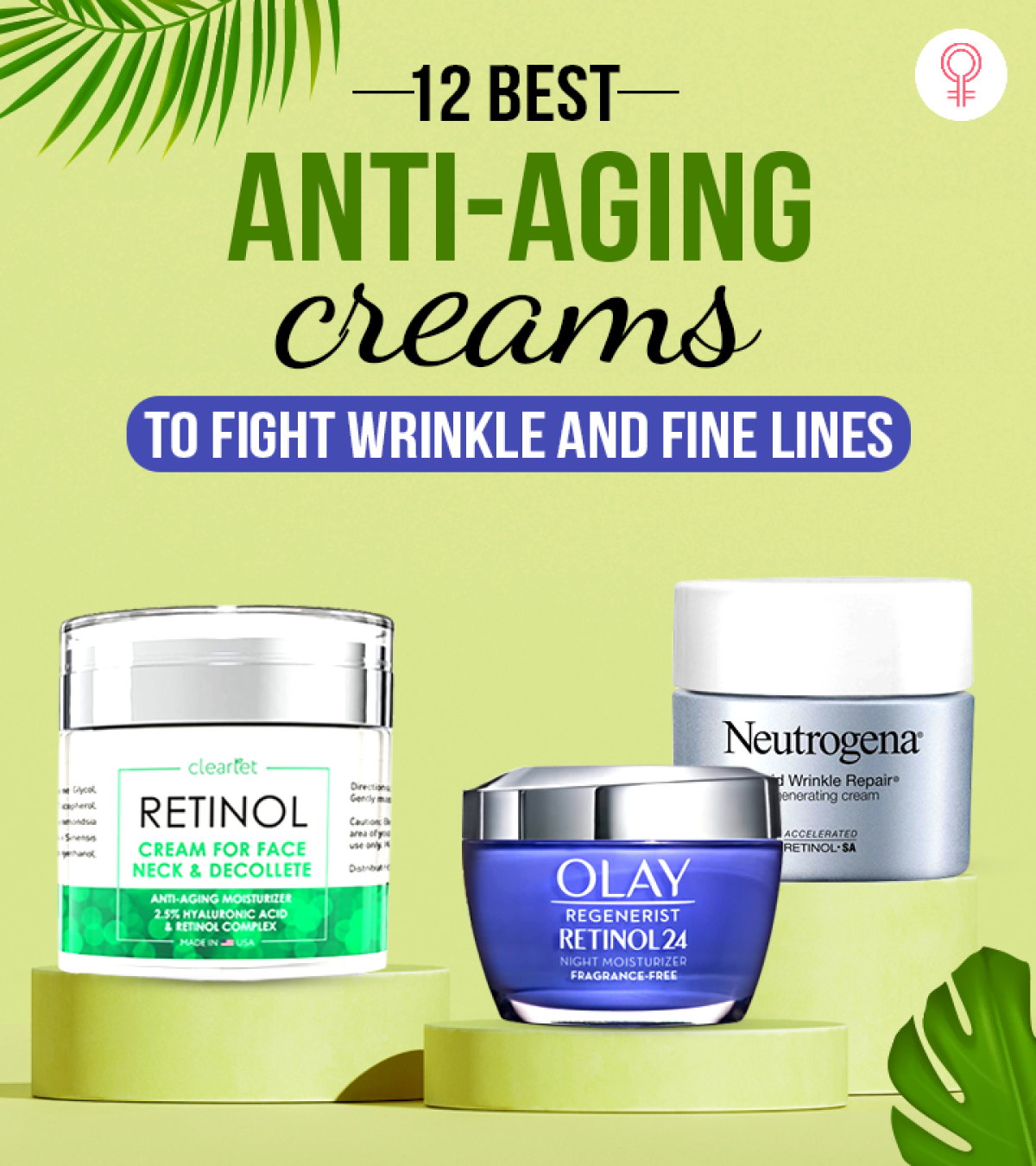
An anti-aging skin care system is a coordinated regimen of topical products designed to mitigate the biological and environmental signs of aging, such as fine lines, wrinkles, hyperpigmentation, and loss of elasticity. A functional system prioritizes DNA repair, collagen synthesis, and barrier protection through the strategic application of retinoids, antioxidants, and broad-spectrum photoprotection tailored to specific skin types.
As we navigate 2026, the paradigm of "anti-aging" has shifted significantly toward "skin longevity." Rather than merely masking the symptoms of chronological aging, modern skin care systems aim to optimize the skin’s cellular environment, enhancing its natural ability to repair and regenerate. Achieving visible results requires more than a single "miracle" cream; it necessitates a structured, multi-step approach that respects the skin’s circadian rhythm and biological thresholds.
The Core Philosophy of a Modern Skin Care System
A successful anti-aging skin care system is built on three pillars: prevention, correction, and maintenance. In the past, many users focused heavily on aggressive correction—using high-strength acids and peels that often compromised the skin barrier. In 2026, the industry has embraced a "barrier-first" philosophy. This approach recognizes that chronic inflammation (often termed "inflammaging") is a primary driver of skin degradation. Therefore, a system must provide active intervention without triggering a state of constant irritation.
Synergy is the defining characteristic of a "system" versus a collection of random products. When ingredients are chosen to work together, they can enhance one another’s efficacy. For example, Vitamin C stabilizes the skin's environment to help Sun Protection Factor (SPF) work more efficiently, while certain peptides can signal the skin to produce the very collagen that retinoids are working to preserve.
The Essential Components of an Anti-Aging System
To build an effective system, one must understand the distinct roles played by morning and evening routines. The skin’s needs change based on its exposure to environmental stressors during the day and its restorative processes during sleep.
The Morning Routine: Protection and Prevention
During the day, the skin is in a defensive mode. It faces ultraviolet (UV) radiation, infrared radiation, blue light from screens, and particulate matter from pollution.
- Antioxidant Serum: Typically centered around Vitamin C (L-ascorbic acid or its stable derivatives like THD Ascorbate), these serums neutralize free radicals. By 2026, formulations often include secondary antioxidants like Ferulic Acid, Vitamin E, or Resveratrol to broaden the spectrum of protection.
- Hydrating Element: Low-molecular-weight Hyaluronic Acid or Polyglutamic Acid helps maintain turgor, making the skin appear plumper and reducing the visibility of dehydration lines.
- Broad-Spectrum Sunscreen: This is the most critical component. Without SPF 30 or higher, the rest of the system is effectively neutralized. Modern systems often utilize "tinted" versions containing iron oxides to protect against visible light-induced hyperpigmentation.
The Evening Routine: Repair and Recovery
At night, the skin’s permeability increases, and its focus shifts to cellular repair. This is the optimal time for "heavy hitters" that might be deactivated by sunlight or cause photosensitivity.
- Corrective Actives (Retinoids): Retinol, Retinaldehyde, or prescription Tretinoin remain the gold standard for accelerating cell turnover and stimulating collagen.
- Peptides and Growth Factors: These "messenger" molecules signal the skin to repair the extracellular matrix. In 2026, bio-identical signal peptides are frequently used to firm the skin without the irritation sometimes associated with retinoids.
- Barrier Support: Richer creams containing ceramides, fatty acids, and cholesterol mimic the skin’s natural lipid bilayer, sealing in moisture and preventing transepidermal water loss (TEWL).
Key Active Ingredients and Their Functions
Understanding the "why" behind ingredients allows for better system customization. Below are the most researched and validated compounds in contemporary dermatology.
Retinoids (Vitamin A Derivatives)
Retinoids work by binding to retinoic acid receptors in the skin, which influences gene expression. This leads to increased collagen production, improved skin texture, and the fading of dark spots. The challenge with retinoids has always been the "retinization" period—a phase of dryness and peeling. Modern systems in 2026 often use encapsulated delivery systems that release the active ingredient slowly over several hours, significantly reducing side effects while maintaining potency.
Alpha and Poly-Hydroxy Acids (AHAs and PHAs)
Exfoliation is necessary to remove the buildup of dead skin cells that can make the complexion look dull and prevent other products from penetrating. Glycolic and Lactic acids are common AHAs that dissolve the "glue" between dead cells. However, PHAs (like Gluconolactone) have gained popularity for anti-aging systems because they provide gentle exfoliation while acting as humectants, making them suitable for sensitive or mature skin.
Niacinamide (Vitamin B3)
Niacinamide is a versatile powerhouse. It improves the skin's barrier function by increasing ceramide production, reduces redness, and regulates oil. In an anti-aging context, it is particularly valued for its ability to prevent "glycation"—the process where sugar molecules attach to collagen fibers, causing them to become brittle and lose elasticity.
Comparing Anti-Aging System Tiers
When selecting a system, consumers generally choose between three categories: Drugstore/Mass Market, Clinical/Premium, and Medical-Grade. The following table compares these approaches based on 2026 market standards.
| Feature | Drugstore Systems | Clinical/Premium Systems | Medical-Grade Systems |
|---|---|---|---|
| Primary Goal | General hydration & mild prevention | Targeted correction & luxury experience | Intensive cellular remodeling |
| Active Concentration | Lower (for safety/mass appeal) | Moderate to High | High (often requires professional guidance) |
| Formulation Stability | Standard | High (Advanced airless packaging) | Superior (Tested for clinical efficacy) |
| Common Ingredients | Pro-Retinol, Glycerin, Niacinamide | Retinol, Peptides, Specialized Ferments | Tretinoin, Growth Factors, Exosomes |
| Price Range (Full Set) | $50 - $120 | $200 - $500 | $400 - $900+ |
| Accessibility | Over-the-counter (Retail) | Specialty beauty retailers | Dermatologist offices / Med-spas |
Selecting a System Based on Life Stages
The "best" system is not universal; it must evolve with the user’s biological age and specific skin concerns.
The 20s and Early 30s: The Prevention Phase
The goal here is to preserve existing collagen and prevent sun damage. The system should be simple: a gentle cleanser, a Vitamin C serum, a light moisturizer, and rigorous sun protection. Introducing a mild retinol twice a week can begin the process of "pre-juvenation."
The 40s: The Corrective Phase
In the 40s, estrogen levels begin to fluctuate, and the skin's natural repair mechanisms slow down. This is the time to increase the strength of retinoids and introduce peptides. Focus moves toward treating visible fine lines and addressing early signs of sunspots (solar lentigines).
The 50s and Beyond: The Restorative Phase
With the onset of menopause or significant chronological aging, the skin becomes thinner and drier. The system must prioritize lipid replacement and barrier repair. Ingredients like phytoestrogens and growth factors become more relevant here to combat "crepey" skin and significant volume loss. High-potency humectants are essential to maintain a healthy glow.
Advanced Technologies in 2026 Skincare
The year 2026 has seen the integration of biotechnology into daily routines. Two major advancements have changed how we view anti-aging systems:
- AI-Driven Customization: Many high-end systems now include a digital diagnostic component. By analyzing a high-resolution photograph or a DNA swab, companies can adjust the concentration of actives in a system to match the user's specific genetic predispositions toward collagen degradation or hyperpigmentation.
- Longevity Molecules: Molecules like NAD+ precursors and sirtuin activators, previously only available as oral supplements, are now being stabilized for topical use. These aim to improve the mitochondrial health of skin cells, effectively "recharging" the skin's ability to repair itself.
Common Mistakes and Troubleshooting
Even the most expensive anti-aging system will fail if used incorrectly. Consistency is the most significant factor in success, but several common errors can hinder progress.
- Over-Exfoliation: Using a physical scrub, an acid toner, and a retinoid all in the same day can lead to a compromised barrier. Signs include stinging when applying simple moisturizer, persistent redness, and "shiny" but dry skin. The solution is to "skin cycle," alternating active nights with recovery nights.
- Neglecting the Neck and Decolletage: The skin on the neck is thinner and has fewer oil glands than the face, making it more prone to aging. Any anti-aging system should be applied from the hairline down to the chest.
- Incompatibility of Actives: For example, using Copper Peptides simultaneously with L-ascorbic acid (Vitamin C) can lead to the oxidation of both, rendering them ineffective. A well-designed system will usually instruct the user to use one in the morning and the other at night.
- Expecting Immediate Results: Biological turnover of the skin takes approximately 28 to 40 days. Meaningful collagen remodeling can take three to six months. Patience is a prerequisite for any anti-aging journey.
Professional Integration
While topical systems are powerful, they have limits. In 2026, the most effective approach is often a "hybrid" model. Topical systems maintain the results achieved through professional treatments like microneedling, fractional lasers, or chemical peels. A dermatologist-prescribed system can prep the skin for these procedures, reducing downtime and enhancing the final aesthetic outcome.
For those with significant skin laxity or deep structural wrinkles, topical systems serve as vital support for the skin's health, but they cannot replace the volume-restoring effects of dermal fillers or the muscle-relaxing effects of neuromodulators.
Professional Advice Limitation: The information provided in this article is for educational purposes and does not constitute medical advice. Skin conditions can vary greatly; consult with a board-certified dermatologist before beginning a high-potency anti-aging regimen, especially if you have underlying skin conditions like rosacea, eczema, or severe acne.
Frequently Asked Questions
How long does it take to see results from an anti-aging skin care system?
Most users notice an improvement in skin hydration and "glow" within two weeks. However, improvements in fine lines and hyperpigmentation typically require 8 to 12 weeks of consistent use. This timeframe aligns with the duration of the skin’s cellular renewal cycle and the time required for new collagen fibers to mature.
Can I mix products from different brands into one system?
Yes, you can mix brands, but it requires a deeper understanding of ingredient interactions. The benefit of staying within a single brand's "system" is that the products are pre-tested for compatibility and pH balance. If mixing, ensure you are not doubling up on irritating actives (like using two different types of acids) and that your antioxidant is used in the morning while your retinoid is used at night.
Is "medical-grade" skin care actually better than drugstore options?
"Medical-grade" generally implies higher concentrations of active ingredients and more sophisticated delivery systems that allow those ingredients to penetrate deeper into the dermis. While drugstore products are excellent for maintenance and hydration, medical-grade systems are often more effective at treating established signs of aging because they are formulated to reach the layers of the skin where collagen is produced.
What is the "Skin Cycling" method?
Skin cycling is a four-night routine designed to maximize the benefits of active ingredients while minimizing irritation. Night one is for exfoliation (AHA/BHA); night two is for retinoids; nights three and four are "recovery nights" focused on hydration and barrier repair. This method is particularly useful for those starting a new anti-aging system.
Do anti-aging systems work on deep wrinkles?
Topical systems are highly effective at smoothing fine lines and preventing the deepening of existing wrinkles. However, "static" wrinkles—those present even when the face is at rest—are difficult to erase completely with creams alone. For deep wrinkles, a system should be used in conjunction with clinical treatments like laser resurfacing or injectables for the best results.
Final Recommendation
For those beginning their journey, the most effective next step is to establish a "Core Four" routine: a non-stripping cleanser, a Vitamin C serum, a broad-spectrum SPF 30+, and a nighttime retinoid. Start with lower concentrations of active ingredients to build tolerance. As your skin adapts over three to six months, you can gradually introduce more specialized components like peptides or growth factors to address specific concerns like loss of firmness or uneven tone.