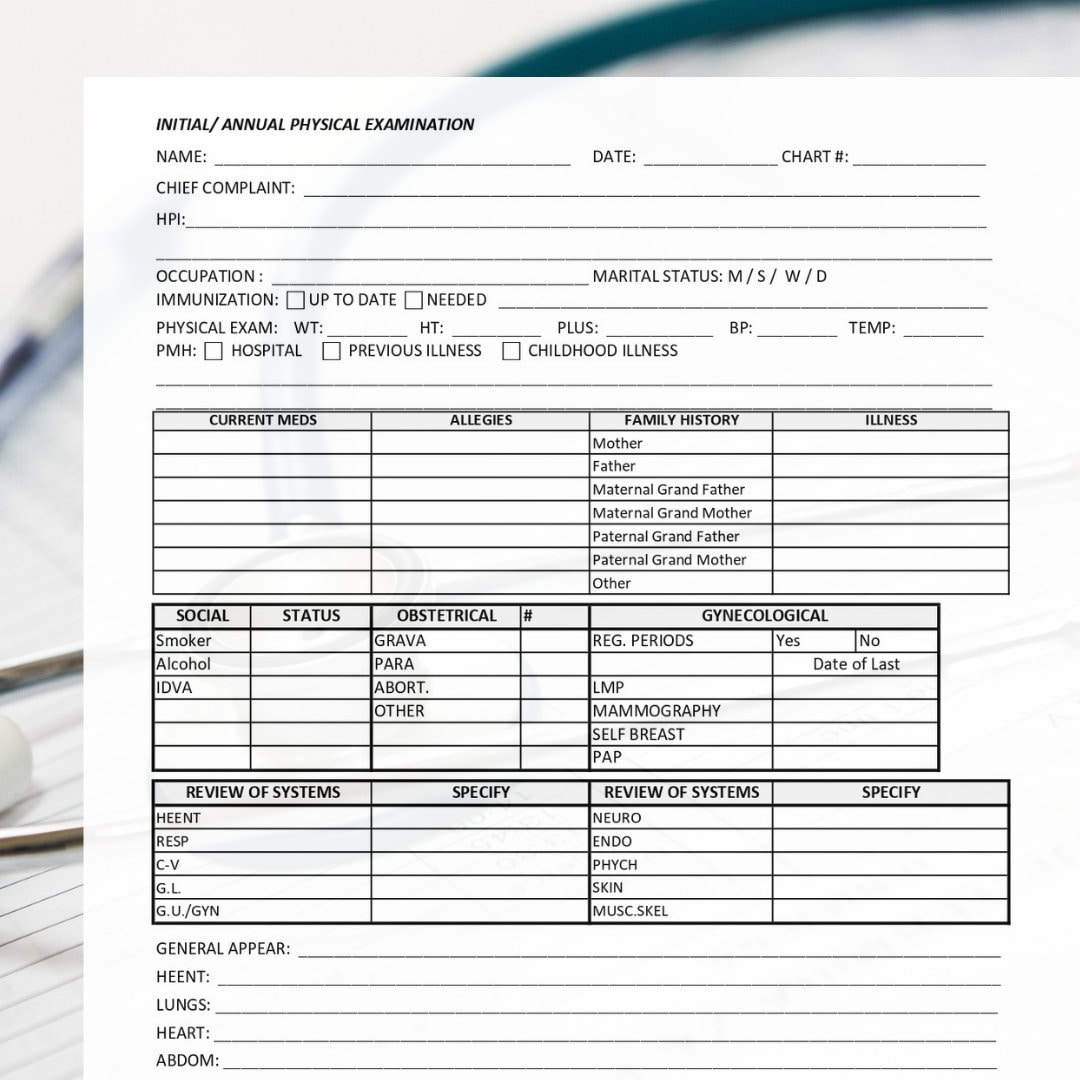
In 2026, a recent annual physical exam can often replace the need for a separate medical exam for life insurance through accelerated underwriting or an Attending Physician Statement (APS). While traditional policies may still require a dedicated paramedical exam, providing records from a physical conducted within the last 12 months frequently simplifies the application process and can secure more favorable premium rates.
The Intersection of Preventive Care and Life Insurance Underwriting
For most individuals seeking life insurance in 2026, the medical underwriting process remains the most significant hurdle to securing a policy. Underwriting is the method insurers use to determine the risk of insuring an individual and, consequently, the price of the premium. At the heart of this process is the evaluation of physical health.
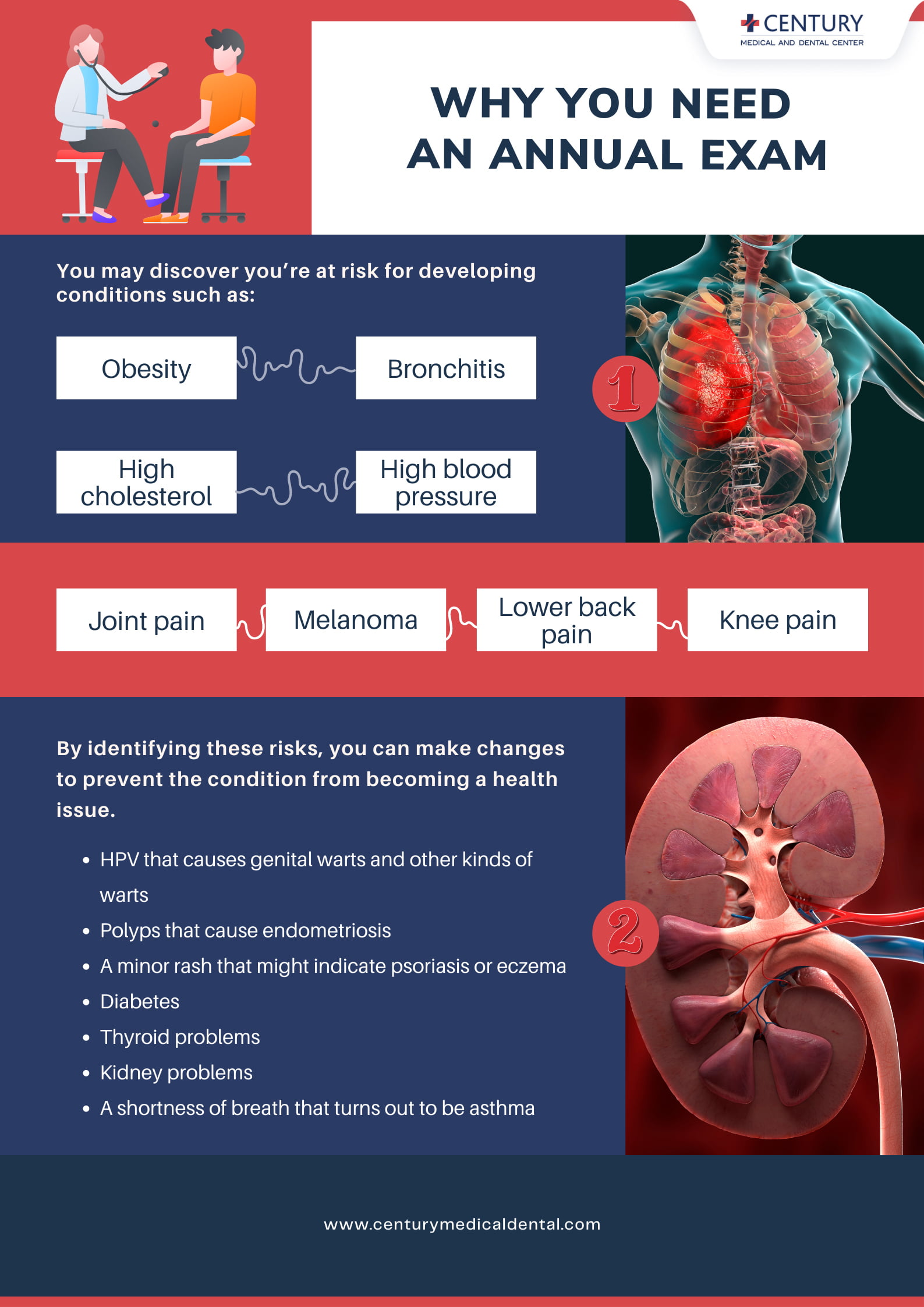
The relationship between your annual physical and a life insurance application is twofold. First, the data gathered during a routine checkup—such as blood pressure, cholesterol levels, and Body Mass Index (BMI)—serves as the primary evidence for your "risk class." Second, the mere fact that you consistently attend an annual physical demonstrates to an insurer that you are proactive about your health, which can sometimes result in a "lifestyle credit" or a more favorable view from an underwriter.
In the current landscape, insurance companies have shifted toward data-driven underwriting. Rather than relying solely on a one-time "paramed" exam (a medical exam conducted specifically for the insurance company), they prefer to see a longitudinal history of health provided by a Primary Care Physician (PCP). This historical data is often more reliable because it filters out "white coat syndrome" or temporary health spikes, providing a clearer picture of your long-term mortality risk.
Routine Physical vs. Paramedical Exam: Understanding the Difference
It is a common misconception that a routine annual physical and a life insurance medical exam are the same. While they share many procedural overlaps, their objectives and the depth of data they capture vary significantly.
The Annual Physical (Clinical Perspective)
A routine physical performed by your PCP focuses on preventive care and diagnosis. Your doctor looks for issues to treat them. They might discuss lifestyle changes, screen for age-appropriate cancers, or adjust medications. The doctor-patient confidentiality privilege applies here, although you must waive certain aspects of it when applying for life insurance so the insurer can view the records.
The Paramedical Exam (Actuarial Perspective)
The paramedical exam is a specialized screening performed by a technician on behalf of the insurance company. Its sole purpose is risk assessment. The examiner is not there to treat you or offer medical advice. They are looking for specific biomarkers that correlate with life expectancy. This exam typically includes a blood draw, a urine sample, height and weight measurements, and a series of health questions. In 2026, some high-value policies also include an EKG (electrocardiogram) or a cognitive screening for older applicants.
How Your Physical Exam Records Replace the Insurance Medical Exam
As of 2026, "Accelerated Underwriting" (AU) has become the industry standard for healthy applicants under certain age and coverage thresholds. If you have had a comprehensive annual physical within the last 6 to 12 months, many insurers can bypass the paramedical exam entirely.
The Role of the Attending Physician Statement (APS)
When you apply for coverage, you grant the insurer permission to request an Attending Physician Statement (APS). This is a summary of your medical history provided by your doctor. If your recent physical was thorough—including a full blood panel and a record of stable vitals—the underwriter may use those results as the basis for your policy.
This is highly beneficial for the applicant for several reasons:
- Convenience: You do not have to schedule a second appointment with a stranger in your home or office.
- Accuracy: Your PCP's records are generally viewed as the "gold standard" of your health status.
- Speed: Digital health record integrations in 2026 allow insurers to pull these records in hours rather than weeks, leading to "instant" or "near-instant" approval.
However, the insurer will only waive their own exam if the annual physical meets their specific criteria. For example, if your PCP did not order a blood test during your last visit, the insurance company will almost certainly require their own technician to draw blood to check for indicators like cotinine (tobacco use), glucose levels (diabetes), and liver enzymes.
Key Health Metrics Insurers Extract from Physical Exams
When an underwriter reviews your physical exam results, they are not just looking for "health"; they are looking for specific numbers that fit into their proprietary risk algorithms.
| Metric | Why Insurers Care | Target Range for "Preferred Plus" (2026) |
|---|---|---|
| Blood Pressure | High BP (hypertension) is a leading indicator of cardiovascular disease. | Under 120/80 mmHg |
| Cholesterol (Total/HDL Ratio) | High ratios suggest a higher risk of heart attack or stroke. | Ratio below 4.5 |
| Blood Glucose (A1c) | Indicates the risk of diabetes or how well it is managed. | A1c below 5.7% |
| Body Mass Index (BMI) | Obesity is linked to numerous chronic conditions. | 18.5 – 25.0 |
| Cotinine Levels | Detects nicotine use (including vaping), which can triple premiums. | Negative |
| Liver/Kidney Function | High levels can indicate chronic organ stress or substance abuse. | Within standard clinical labs |
The Impact of Physical Exam Timing on Your Application
Timing is critical when using an annual physical for life insurance purposes. If you are planning to apply for a significant amount of coverage (e.g., over $1,000,000), it is often wise to schedule your annual physical before you apply.
If your physical results are fresh and positive, they serve as a strong opening argument for your "Preferred" or "Preferred Plus" rating. Conversely, if you apply for life insurance and the company discovers a health issue during their paramedical exam that you were unaware of (because you skipped your annual physical), you may be hit with a "Rated" policy. A rated policy means you are charged a higher premium—sometimes 25% to 100% more—due to the perceived risk.
The "Wait and See" Strategy
If you know you have a temporary health issue—such as high blood pressure due to a stressful life event or elevated cholesterol that you are currently managing with diet—it is often better to complete your annual physical, allow 3–6 months for your lifestyle changes to reflect in your blood work, and then apply for life insurance using those improved records.
Emerging Trends in 2026: Wearables and Digital Health Data
In 2026, the definition of a "physical exam" is expanding. Many top-tier life insurance carriers now offer incentivized programs that integrate data from wearable devices (like smartwatches and rings) into the underwriting process.
While a wearable device does not replace a clinical physical exam, it supplements it. If your annual physical shows a slightly elevated BMI, but your wearable data proves you walk 10,000 steps a day and have a low resting heart rate, the underwriter may "credit" your physical exam results, moving you from a "Standard" to a "Preferred" category. This hybrid approach to medical evidence allows for a more nuanced understanding of an applicant’s health that a single blood draw cannot provide.
Common Pitfalls: When an Annual Physical Might Hurt Your Coverage
While regular checkups are generally positive, there are scenarios where the records from a physical can complicate your life insurance application.
- Undiagnosed Symptoms: If your doctor noted that you complained of "chest pain" or "occasional numbness" but no diagnosis was reached, an insurance underwriter will likely postpone your application until those symptoms are fully investigated. This is known as an "incomplete workup."
- Prescription History: Insurers look closely at the medications prescribed during your physical. Even if you are taking a medication "off-label" or for a minor issue, the underwriter may assume the worst-case scenario associated with that drug unless the doctor’s notes explicitly state otherwise.
- Inconsistencies: If you tell the insurance examiner that you are a non-smoker, but your PCP’s notes from six months ago mention that you "smoke occasionally at social events," you will be flagged for "material misrepresentation." This can lead to a denial of coverage or a future claim being contested.
Preparing for the Insurance Component of the Exam
If the insurance company decides that your annual physical wasn't enough and requires a paramedical exam, preparation is key to ensuring your numbers look their best. Even healthy individuals can produce poor results if they are unprepared.
- Fasting: Most exams require fasting for 8 to 12 hours. This ensures your blood sugar and triglyceride levels are not temporarily spiked by a recent meal.
- Hydration: Drink plenty of water in the 24 hours leading up to the exam. This makes the blood draw easier and helps clear your system of excess salt.
- Avoid Stimulants: Caffeine and nicotine can significantly raise your blood pressure and heart rate. Avoid these for at least 24 hours before the exam.
- Sleep: A lack of sleep can lead to elevated cortisol levels and higher blood pressure.
- Schedule for the Morning: Most people have their lowest blood pressure and most stable glucose levels in the morning.
Frequently Asked Questions
Can I use my 2025 physical for a 2026 insurance application?
Most insurance companies require medical data to be no more than 6 to 12 months old. If your physical took place more than a year ago, the insurer will likely require a new paramedical exam to ensure they are assessing your current health status.
What happens if my physical reveals a health problem?
If a health problem is discovered, the insurer will "rate" your policy based on the severity of the condition. While this increases your premium, it is often better to be insured with a rating than to remain uninsured. In 2026, many policies also include "re-rating" clauses, allowing you to lower your premium in the future if your health improves.
Does "No-Exam" life insurance mean they don't look at my physical?
No. "No-exam" typically means you don't have to meet with a technician for a new blood draw. However, these companies almost always check your medical records (via the MIB and pharmacy databases) to see the results of your previous annual physicals.
If I have a physical through my employer, does that count?
Yes, provided that the physical was performed by a licensed medical professional and a full report was generated. You will need to provide the contact information for the clinic so the insurer can request the records.
Will my doctor charge me for sending records to the insurance company?
In many jurisdictions, doctors are allowed to charge a small administrative fee for copying and sending records. However, most large insurance carriers handle these costs directly or use digital retrieval services that bypass the need for manual paperwork.
Strategic Recommendation
If you are seeking life insurance in 2026, the most effective strategy is to be proactive with your Primary Care Physician. Schedule your annual physical and request a "full lipid panel" and "A1c check." Having these results ready—and ensuring they are within healthy ranges—puts you in a position of strength during the underwriting process.
For those who have not had a physical in several years, it is highly recommended to see a doctor before applying for a policy. This allows you to identify and manage any "silent" issues like high blood pressure or early-stage diabetes privately. Once those conditions are managed and documented as "stable" in your medical records, you will qualify for significantly lower rates than if those conditions were first discovered by the insurance company's examiner.