Americo Financial Life and Annuity Insurance Company provides universal life insurance products designed to offer policyholders a combination of permanent death benefit protection and potential cash value accumulation. Unlike traditional term life insurance, which expires after a set period, universal life policies are characterized by their flexibility, allowing policyholders to adjust premiums and death benefit amounts as their financial circumstances evolve over the lifespan of the coverage.
Understanding the Universal Life Framework
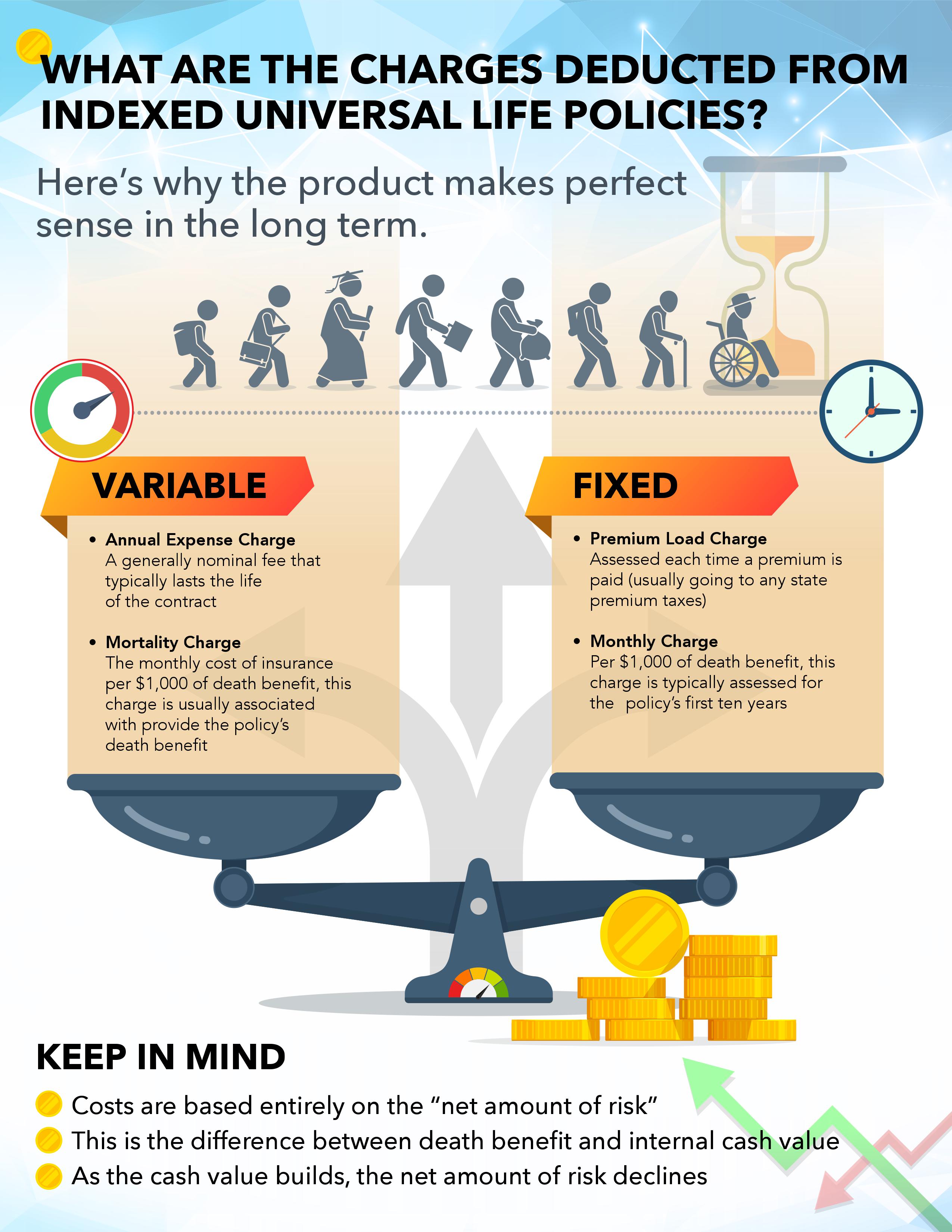
Universal life insurance is a type of permanent life insurance. The core structure involves three primary components: the death benefit, the cost of insurance (COI), and the cash value account. When you pay a premium into an Americo universal life policy, a portion of that payment covers the administrative costs and the actual insurance protection (the COI). The remaining balance is deposited into a cash value account, which earns interest based on the company’s credited rates.
The "universal" designation refers to the flexibility afforded to the policyholder. As long as there is sufficient cash value in the policy to cover the monthly deductions, policyholders generally have the latitude to increase or decrease their premiums or change their death benefit amount. This stands in contrast to whole life insurance, which typically features rigid premium schedules and fixed death benefits.
The Mechanism of Cash Value Accumulation
The cash value component is perhaps the most significant differentiator for those evaluating Americo’s offerings. The interest credited to your account is governed by the specific policy’s terms, which often include a guaranteed minimum interest rate. This acts as a floor, ensuring that even during periods of market instability, the cash value will not lose money due to market fluctuations, provided the policy remains in force.
Policyholders should view the cash value as a long-term asset. Over time, as the policy matures and the cash value grows, it can potentially reach a level that supports the policy’s ongoing costs, allowing the policyholder to reduce or even eliminate out-of-pocket premium payments. However, this depends entirely on the interest rate environment, the COI, and the historical premium payment performance. Relying on cash value to fund premiums without professional oversight can lead to a policy "lapse" if the account balance drops below the amount required to satisfy monthly charges.
Flexibility and Policy Adjustments
Americo’s universal life policies are built to accommodate life’s transitions. Marriage, the birth of children, career changes, or retirement are common milestones where financial needs shift.
- Death Benefit Adjustments: You may request to decrease the death benefit if your family's financial obligations have decreased (e.g., mortgage paid off, children grown). Conversely, you may request an increase, though this almost always requires new medical underwriting to prove insurability.
- Premium Flexibility: If you experience a temporary financial setback, you may be able to pay less than the planned premium, provided the cash value is sufficient to cover the insurance costs for that period. Conversely, you can pay extra premiums to accelerate cash value growth.
It is critical to understand that every adjustment carries a consequence. Reducing the death benefit changes the insurance costs, while paying less than the "target premium" may result in the policy requiring higher payments in the future to keep it from lapsing.
Comparing Life Insurance Structures
To better understand how Americo universal life fits into a financial plan, it is helpful to compare it against other common insurance vehicles.
| Feature | Term Life Insurance | Whole Life Insurance | Universal Life Insurance |
|---|---|---|---|
| Duration | Specific period (e.g., 20 years) | Lifetime | Lifetime (if funded correctly) |
| Premiums | Fixed | Fixed and generally high | Flexible |
| Cash Value | None | Guaranteed growth | Variable growth |
| Death Benefit | Fixed | Fixed | Adjustable |
| Complexity | Low | Low | Moderate to High |
Eligibility and Underwriting
Americo evaluates applicants based on standard life insurance underwriting criteria. This process assesses your risk profile to determine your eligibility and the cost of your insurance.
- Medical History: You will typically be required to disclose past diagnoses, surgeries, and family medical history.
- Lifestyle Factors: Habits such as smoking, alcohol consumption, and participation in high-risk hobbies (e.g., skydiving or scuba diving) are scrutinized.
- Financial Underwriting: For high death benefit amounts, Americo may require documentation to justify the need for the requested coverage level to prevent over-insuring.
For some products, Americo may offer "simplified issue" paths, which involve fewer medical questions and no paramedical exam, though these generally come with higher premium costs per thousand dollars of coverage compared to fully underwritten policies.
Managing Your Americo Policy
Once your policy is active, effective management is essential to ensure it remains in force until your death or maturity.
- Review Annual Statements: Americo issues an annual statement that shows the current death benefit, the cash value, and the premiums paid. This document is the most vital tool for monitoring your policy’s health.
- Monitor the Lapse Potential: If your cash value is low, check the "projected" status of your policy. If the interest rates credited to your policy drop, or if your COI increases, the policy might be at risk of terminating.
- Beneficiary Updates: Always ensure your beneficiary designations are current. Life events such as divorce or the death of a beneficiary should trigger an immediate review of your policy documents.
Common Risks and Considerations
While the flexibility of universal life insurance is an advantage, it is also a potential pitfall. The primary risk is the "lapse" of the policy. Because premiums are flexible, many policyholders fall into the trap of paying the minimum amount, believing it will sustain the policy indefinitely. If the cash value is exhausted, the policy will terminate, and the death benefit will be lost.
Additionally, as you age, the cost of insurance deductions increases. A policy that was affordable at age 40 may become significantly more expensive at age 75. Without sufficient cash value accumulation to offset these rising costs, the burden of premium payments can become unsustainable. Prospective policyholders should always run a "ledger" or illustration—a document provided by an Americo agent that projects the policy’s performance under various interest rate and premium scenarios—to understand the long-term commitment.
Frequently Asked Questions
Does Americo universal life insurance offer a guaranteed death benefit? Most universal life policies are considered non-guaranteed because the longevity of the policy is tied to the cash value. However, some specific products offer a secondary guarantee (such as a "no-lapse guarantee") that keeps the policy in force for a specific number of years or until a certain age, provided the required premiums are paid, regardless of cash value performance.
Can I borrow money from my Americo policy? Yes, universal life policies typically allow for policy loans against the cash value. You can generally borrow up to a certain percentage of the accumulated cash value. Note that interest will be charged on these loans, and if the loan is not repaid, it will be deducted from the death benefit when the claim is eventually filed.
What happens to my cash value when I pass away? In most standard universal life configurations, the cash value is essentially absorbed by the insurance company to pay the death benefit. The beneficiary receives the face amount of the policy (the death benefit), not the face amount plus the cash value. Ensure you clarify the specific product type (e.g., Option A vs. Option B) during the application phase.
Can I convert my Americo term policy to a universal life policy? Many Americo term policies include a "conversion privilege." This allows you to transition to a permanent product, such as a universal life policy, without undergoing new medical underwriting, even if your health has declined since you purchased the original term policy. Check your specific policy contract for conversion windows.
Are the interest earnings on my cash value taxable? The interest credited to the cash value account grows on a tax-deferred basis. You generally do not pay taxes on the growth as it accumulates. If you withdraw the cash value, the portion that exceeds your total premiums paid (the "cost basis") is generally subject to income tax.
Next Steps for Policyholders
If you are considering an Americo universal life insurance policy, start by requesting a current illustration from a licensed insurance producer. Review the "Non-Guaranteed" columns of the illustration specifically; these represent the projections based on current, rather than guaranteed, interest rates. If you already hold a policy, request an in-force illustration from Americo customer support. This will tell you exactly how long your policy is projected to last based on your current payment habits. Always consult with a qualified financial advisor to ensure that universal life insurance aligns with your broader estate planning and wealth management goals.