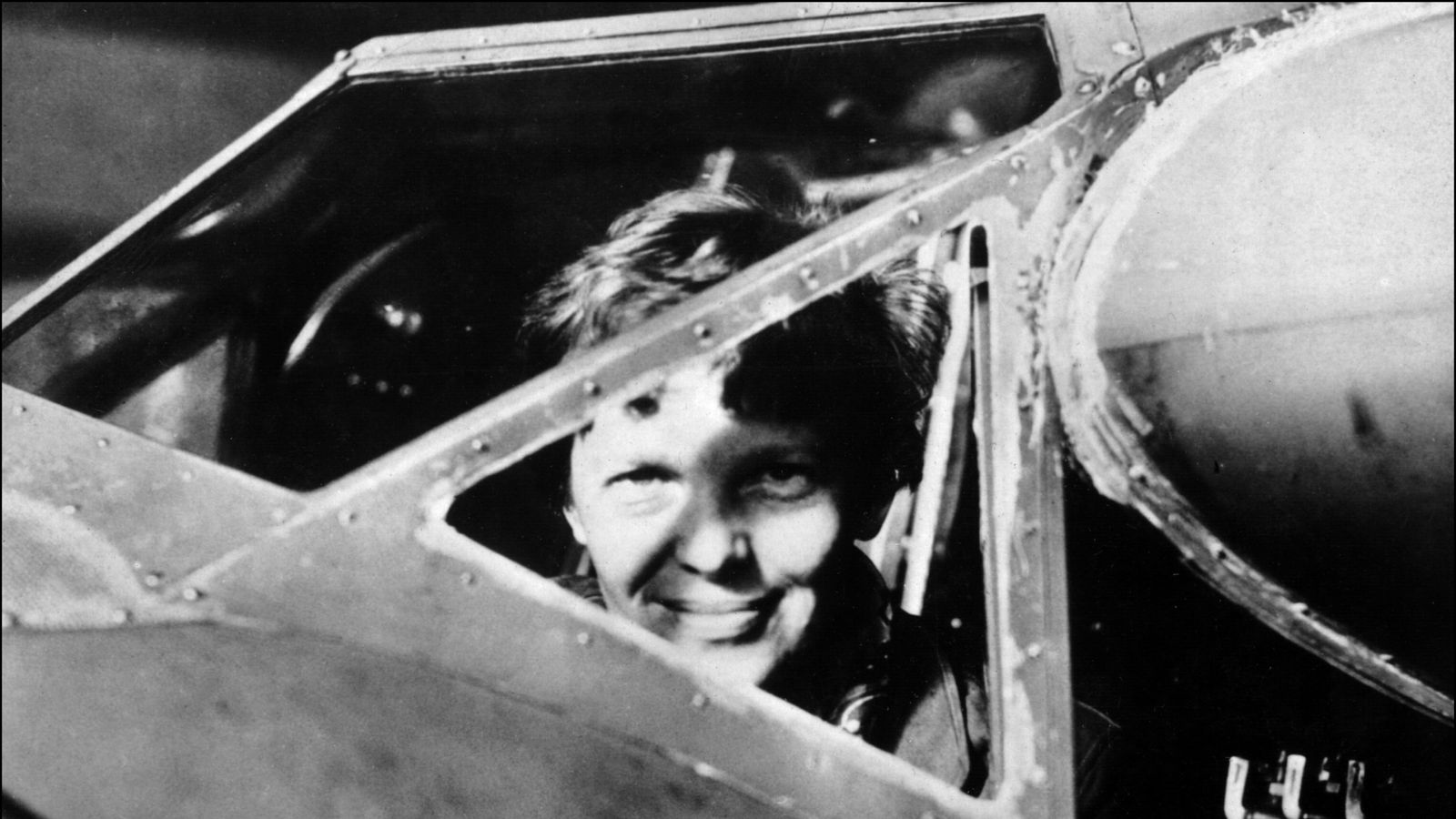
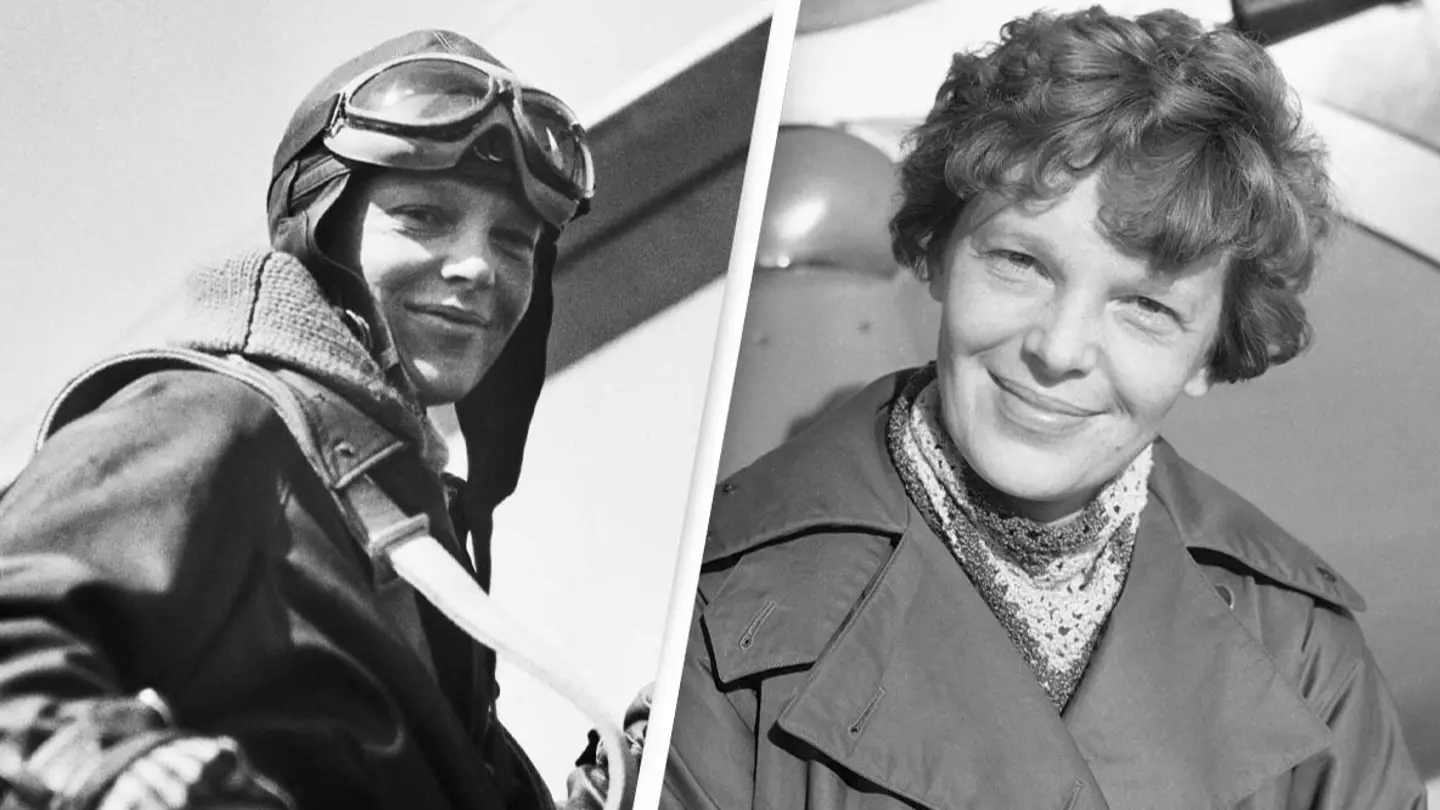
Amelia Earhart was 39 years old at the time of her disappearance on July 2, 1937. Born on July 24, 1897, in Atchison, Kansas, she was only three weeks shy of her 40th birthday when her Lockheed Model 10-E Electra vanished over the central Pacific Ocean during her attempt to circumnavigate the globe.
The mystery of Amelia Earhart remains one of the most enduring puzzles in aviation history. As of 2026, historians and researchers continue to analyze the logs, radio transmissions, and artifacts from her final flight to piece together what happened to the world’s most famous female pilot. To understand the significance of her disappearance, one must look at the specific timeframe of her life, the maturity of her career at age 39, and the technical challenges she faced during that fateful July in 1937.
The Timeline of a Pioneering Life
To accurately calculate Amelia Earhart’s age during her most significant milestones, we must look at her chronological progression. Her life was defined by a rapid ascent from a curious young woman to an international icon.
Amelia Mary Earhart was born in the closing years of the 19th century. By the time she reached her late 30s, she had already accomplished more than most aviators do in a lifetime. When she set out for her world flight in 1937, she was not a novice; she was a seasoned professional navigating the complexities of middle age in a physically demanding profession.
Early Years and the Spark of Aviation
Earhart did not immediately take to the skies. At age 20, during World War I, she worked as a nurse's aide in Toronto, where she began to observe the pilots at a nearby airfield. It wasn't until December 1920, at the age of 23, that she took her first airplane ride with Frank Hawks, a meeting that changed her life forever. She famously remarked that as soon as the plane was two or three hundred feet off the ground, she knew she had to fly.
By age 25, Earhart had purchased her first aircraft, a yellow Kinner Airster biplane she nicknamed "The Canary." It was in this plane that she set her first women’s record, rising to an altitude of 14,000 feet.
The "Friendship" Flight and Solo Records
At age 30, in 1928, Earhart became the first woman to fly across the Atlantic, though she was only a passenger on that specific trip (the "Friendship" flight). This event catapulted her into the global spotlight.
The most defining moment of her career came in 1932. At the age of 34, exactly five years after Charles Lindbergh’s crossing, she became the first woman to fly solo nonstop across the Atlantic. This achievement solidified her status as a serious aviator and silenced critics who had previously dismissed her as a mere passenger or a "lady flyer."
The Final Flight of 1937: Context at Age 39
When Earhart planned her world flight in 1937, she was at the pinnacle of her fame. However, being 39 years old in the 1930s meant she was operating in a high-stress environment with navigation technology that was primitive by today’s standards. Her age is often discussed by historians regarding her physical stamina and her experience level compared to her navigator, Fred Noonan.
Fred Noonan’s Age and Experience
Fred Noonan, her navigator on the world flight, was 44 years old at the time of their disappearance. Noonan was a highly respected navigator who had previously worked for Pan American Airways, helping to map out the "China Clipper" routes across the Pacific. The pairing of a 39-year-old pilot and a 44-year-old navigator represented a team of significant maturity and experience. They were not "reckless youths," but rather calculated professionals attempting the longest flight of their careers.
Technical Milestones and Age Comparison
| Milestone | Date | Earhart's Age | Significance |
|---|---|---|---|
| Birth | July 24, 1897 | 0 | Born in Atchison, Kansas |
| First Flight Lesson | January 3, 1921 | 23 | Taught by Anita "Neta" Snook |
| Atlantic Crossing (Passenger) | June 17-18, 1928 | 30 | First woman to cross the Atlantic |
| Solo Atlantic Crossing | May 20-21, 1932 | 34 | First woman to fly solo across the Atlantic |
| Solo Pacific Flight | January 11, 1935 | 37 | First person to fly solo from Hawaii to California |
| World Flight Departure | May 20, 1937 | 39 | Departed from Oakland, California |
| Disappearance | July 2, 1937 | 39 | Vanished near Howland Island |
The Events Leading to July 2, 1937
The world flight was intended to be a 29,000-mile journey. By the time Earhart and Noonan reached Lae, New Guinea, in late June 1937, they had completed approximately 22,000 miles. Only 7,000 miles remained, mostly over the vast, featureless Pacific Ocean.
The Departure from Lae
On July 2, 1937, at 10:00 AM local time, Earhart and Noonan took off from Lae. Earhart was 39 years and 343 days old. Their destination was Howland Island, a tiny sliver of land just 1.5 miles long and half a mile wide, located 2,556 miles away.
The flight was fraught with challenges from the start:
- Overloaded Aircraft: The Lockheed Electra was heavily burdened with fuel, making the takeoff from the unpaved runway in Lae extremely dangerous.
- Cloud Cover: Reports indicated extensive cloud cover and rain squalls along the route, which would have made celestial navigation—Noonan’s specialty—nearly impossible.
- Radio Communication Issues: There were significant discrepancies between the radio frequencies used by Earhart and the U.S. Coast Guard cutter Itasca, which was stationed at Howland Island to guide her in.
The Final Radio Transmissions
The last confirmed radio transmissions from Earhart occurred between 7:42 AM and 8:43 AM on July 2. Her voice was described as "frantic" in some reports and "clear" in others. Her famous last message stated: "We must be on you, but cannot see you—but gas is running low. Have been unable to reach you by radio. We are flying at 1,000 feet."
At the time these words were spoken, Earhart was still 39. Had she survived to reach Howland Island and complete her journey, she likely would have celebrated her 40th birthday in the United States as the first woman to circumnavigate the globe.
Theories Surrounding the Disappearance
Since 1937, numerous theories have emerged regarding what happened to the 39-year-old aviator and her 44-year-old navigator. Despite modern sonar and satellite technology available in 2026, no theory has been proven with 100% certainty, though some have more evidence than others.
1. The "Crash and Sink" Theory
This is the official position held by the U.S. Government and the Smithsonian National Air and Space Museum. It suggests that Earhart and Noonan ran out of fuel and ditched the Lockheed Electra in the ocean. Given the depth of the Pacific around Howland Island (up to 18,000 feet), the aircraft would have sunk to the bottom, making it nearly impossible to locate without advanced deep-sea submersibles.
2. The Gardner Island (Nikumaroro) Hypothesis
The International Group for Historic Aircraft Recovery (TIGHAR) has spent decades investigating the possibility that Earhart and Noonan landed on a reef near Gardner Island, now known as Nikumaroro. Proponents of this theory point to:
- Radio distress signals: Hundreds of radio signals were reported in the days following the disappearance, some of which were traced to the vicinity of the Phoenix Islands.
- Artifacts: Expeditions have found pieces of aluminum, a woman’s shoe heel from the 1930s, and evidence of a campfire on the island.
- Bones: In 1940, partial skeletal remains were found on the island. While initially identified as male, later forensic analysis using modern modeling suggested the measurements were consistent with a female of Earhart’s height and ethnic origin.
3. The Japanese Capture Theory
A more controversial theory suggests that Earhart and Noonan were blown off course, landed in the Marshall Islands (then occupied by Japan), and were taken prisoner as spies. While this theory has been the subject of several books and documentaries, there is no definitive physical evidence from Japanese or American military archives to support it.
The Significance of Age in 1930s Aviation
In 2026, we view 39 as a relatively young age for a professional. However, in 1937, the physical toll of aviation was immense. Cockpits were not pressurized, heating was minimal, and noise levels were deafening. Pilots were exposed to vibration and fatigue for 18 to 20 hours at a time.
Earhart’s decision to attempt a world flight at 39 was a testament to her physical fitness and mental resolve. She had spent the previous decade advocating for women in aviation, serving as a visiting professor at Purdue University, and acting as a career counselor for women. Her age allowed her to command a level of respect and authority that a younger pilot might not have achieved.
Legacy and Cultural Impact
Amelia Earhart’s disappearance at age 39 fixed her in the public imagination as forever young and daring. Unlike other aviators who aged out of the spotlight or retired into obscurity, Earhart’s story ended at the peak of her career.
Her legacy continues to inspire:
- The Ninety-Nines: An international organization of women pilots that Earhart helped found.
- Aviation Technology: The search for her plane has driven advancements in underwater mapping and deep-sea exploration technology.
- STEM Education: Her life remains a cornerstone of educational programs encouraging young girls to enter science, technology, engineering, and mathematics.
Frequently Asked Questions
How old was Amelia Earhart’s navigator, Fred Noonan?
Fred Noonan was 44 years old at the time of the disappearance. He was born on April 4, 1893. Noonan was a veteran maritime and aviation navigator, and his expertise was considered essential for the long transoceanic legs of the world flight.
Where exactly did Amelia Earhart disappear?
She disappeared in the vicinity of Howland Island in the Central Pacific Ocean. Her last known position was based on a "line of position" (157/337 degrees) that she broadcast to the U.S. Coast Guard cutter Itasca.
Has Amelia Earhart’s plane ever been found?
As of 2026, no definitive piece of the Lockheed Model 10-E Electra (registration NR16020) has been recovered and verified. While various search teams have identified "anomalies" on the ocean floor using sonar, none have been confirmed as the aircraft.
Was Amelia Earhart married when she disappeared?
Yes, Amelia Earhart was married to George P. Putnam, a famous publisher. They married in 1931. Putnam was instrumental in promoting Earhart’s career and was the primary coordinator of her world flight attempts.
What was the last thing Amelia Earhart said?
Her final confirmed radio transmission was: "We are on the line 157 337. We will repeat this message. We will repeat this on 6210 kilocycles. Wait." This was followed by a later message indicating they were running north and south on the navigation line, unable to see land.
Final Perspective for Researchers
For those studying the life of Amelia Earhart, it is vital to distinguish between the verified facts of her biography and the various myths that have surfaced over the last century. At 39 years old, Earhart was a woman who had already broken the "glass ceiling" of her era multiple times. Whether she perished in the ocean or survived for a time on a remote atoll, her age at her disappearance represents the conclusion of a decade of unprecedented achievement for women in flight.
To further explore this subject, it is recommended to consult the official records at the National Archives or the Smithsonian National Air and Space Museum, which house the most comprehensive collection of Earhart's logs, letters, and technical data.