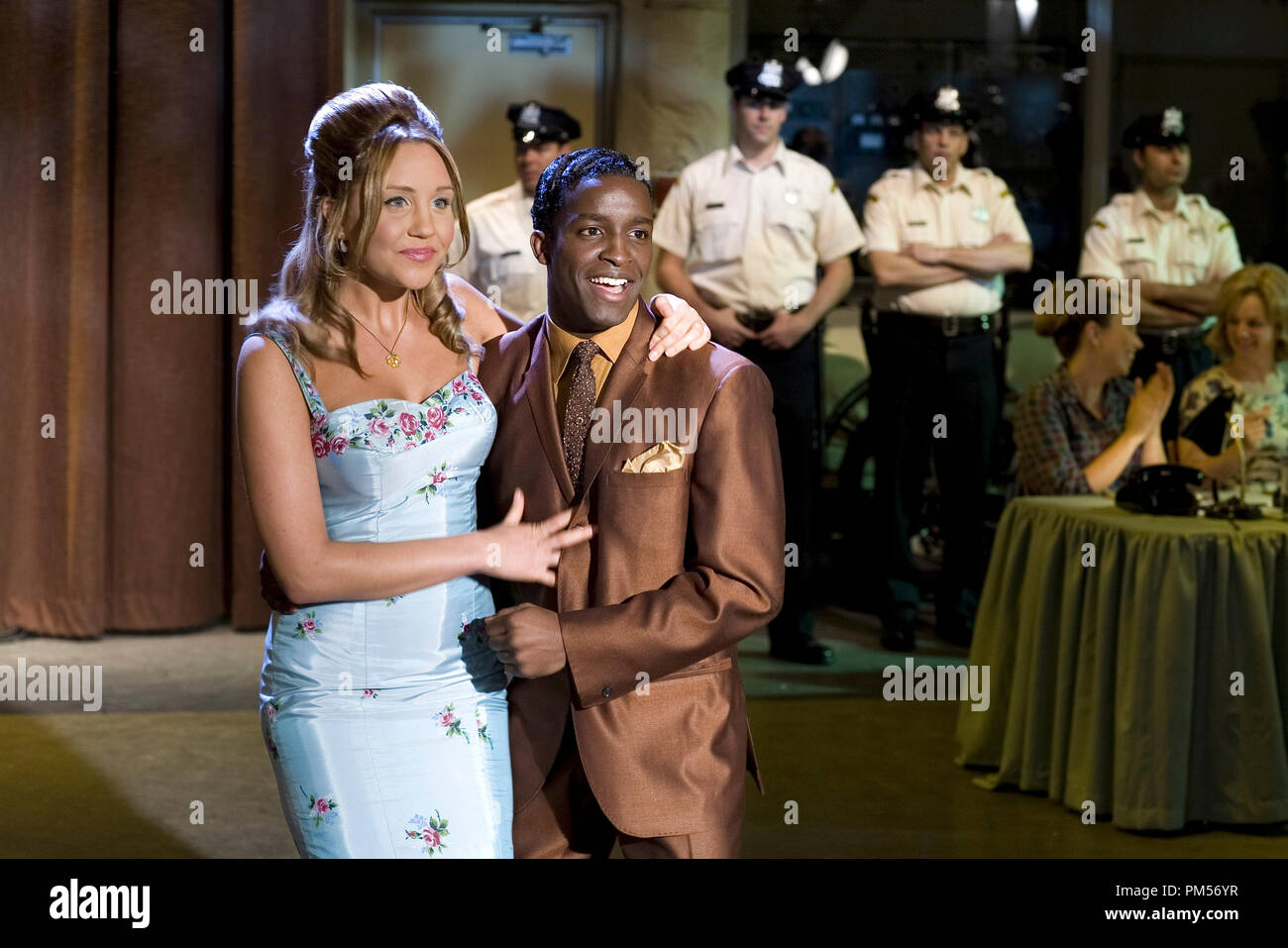
Amanda Bynes rose to prominence as a formidable comedic talent in the late 1990s and 2000s, leaving a distinct mark on the landscape of teen cinema and television. Her filmography captures a specific era of coming-of-age stories, characterized by physical comedy, sharp wit, and a transition from successful child stardom to leading roles in major studio productions.
For viewers looking to trace the evolution of Bynes’ professional career, the following film list serves as a verified chronological record. While she became a household name through her sketch comedy work on Nickelodeon, her feature film career showcases a deliberate progression from ensemble family comedies to the "teen queen" rom-coms that defined the mid-2000s. Understanding her filmography requires looking at both her theatrical releases and her voice acting contributions, as each project underscores her versatility as an entertainer.
Early Beginnings and Breakout Roles
Amanda Bynes’ transition from the small screen to the cinema occurred at the height of her popularity on The Amanda Show. Her initial film roles were carefully selected to capitalize on her established fanbase while testing her ability to carry a theatrical narrative. The early 2000s were a period where Bynes was frequently compared to comedic legends due to her innate sense of timing and willingness to engage in slapstick humor.
Her debut in Big Fat Liar (2002) was a pivotal moment. Starring alongside Frankie Muniz, Bynes proved she could anchor a feature film that resonated with both children and adolescents. The plot, centered on a teen attempting to reclaim a story stolen by a Hollywood producer, mirrored the themes of agency and honesty that would eventually become common threads in her later work. This period of her career was defined by high-energy, family-friendly projects that emphasized her charm and comedic presence.
The Peak of the Teen Rom-Com Era
By the mid-2000s, Bynes had firmly established herself as a primary lead in the romantic comedy genre. This period is arguably the most recognizable for her audience, as she balanced her comedic flair with the earnestness required for the "coming-of-age" tropes prevalent during that time.
What a Girl Wants (2003) showcased her ability to transition into a more traditional lead role, playing an American teenager searching for her aristocratic father in London. The film relied heavily on her screen presence and ability to play the "fish out of water" archetype. She followed this with Love Wrecked (2005) and She's the Man (2006).
She's the Man is frequently cited as the pinnacle of her film career. A modern retelling of Shakespeare’s Twelfth Night, the film required Bynes to perform complex physical comedy while maintaining the emotional core of the protagonist. Her performance was widely praised for its balance of absurdity and sincerity, marking a high point in the genre of 2000s teen comedies.
Voice Acting and Transition Roles
Beyond live-action performance, Bynes lent her voice to several prominent animated features, which allowed her to diversify her reach within the industry. These roles required a different set of skills, specifically the ability to convey character motivation through vocal delivery alone.
In Robots (2005), she voiced the character Piper Pinwheeler. This was an opportunity for Bynes to work within an ensemble cast of established actors, further legitimizing her standing in Hollywood. Additionally, her role in Charlotte's Web 2: Wilbur's Great Adventure (2003) demonstrated her capacity to adapt to established literary narratives, proving that her appeal extended across various demographics and formats.
Chronological Feature Film Overview
The following table categorizes Bynes’ primary film contributions. Please note that this list focuses on feature films and does not include her episodic television work, such as All That or What I Like About You, which were integral to her public persona but occupy a different structural category in media history.
| Film Title | Release Year | Role | Genre |
|---|---|---|---|
| Big Fat Liar | 2002 | Kaylee | Comedy |
| Charlotte's Web 2 | 2003 | Nellie (Voice) | Animation |
| What a Girl Wants | 2003 | Daphne Reynolds | Comedy/Romance |
| Robots | 2005 | Piper Pinwheeler | Animation |
| Love Wrecked | 2005 | Jenny Taylor | Comedy/Romance |
| She's the Man | 2006 | Viola Hastings | Comedy/Romance |
| Hairspray | 2007 | Penny Pingleton | Musical/Comedy |
| Sydney White | 2007 | Sydney White | Comedy |
| Easy A | 2010 | Marianne Bryant | Comedy |
Analyzing the Impact of Hairspray and Easy A
As her career matured, Bynes began to accept ensemble roles that challenged her previous typecasting. Hairspray (2007) served as a significant departure from her typical leads. By playing Penny Pingleton, a character defined by her awkwardness and growth, Bynes showed a willingness to step into a supporting capacity within a high-budget musical production. The success of Hairspray proved she could hold her own alongside an all-star cast, including Michelle Pfeiffer and John Travolta.
Her final major film appearance in Easy A (2010) saw her playing a villainous character, a stark contrast to the relatable protagonists she had played for the better part of a decade. In this role, she adopted a more cynical and satirical tone, which many critics noted as a clever subversion of her wholesome "Nickelodeon" image.
Technical and Industry Considerations
When analyzing Bynes' filmography, it is essential to consider the industry constraints of the era. The mid-2000s were characterized by a specific demand for teen-focused content that prioritized high-concept, low-risk stories. Bynes’ success in this environment was largely due to her ability to hit comedic beats consistently, a technical skill honed through years of sketch television.
From an editorial perspective, identifying her "film list" requires distinguishing between project types. Voice work and guest-starring roles in live-action films serve as different data points than top-billed performances. Users navigating her career trajectory should note that her most significant critical reception occurred during her mid-2000s run, specifically between 2006 and 2007, where the combination of She's the Man and Hairspray demonstrated her range within the musical and comedic genres.
Frequently Asked Questions
What was Amanda Bynes’ final film appearance? Amanda Bynes’ last feature film appearance was in the 2010 movie Easy A, where she played the character Marianne Bryant. This film marked a departure from her previous lead roles.
Did Amanda Bynes provide the voice for any animated characters? Yes. She provided the voice for Piper Pinwheeler in the 2005 animated film Robots and voiced the character Nellie in Charlotte's Web 2: Wilbur's Great Adventure (2003).
Which Amanda Bynes film is based on Shakespeare? She's the Man (2006) is a modern-day adaptation of William Shakespeare’s Twelfth Night. Bynes played the lead, Viola, who disguises herself as her brother to play on the men’s soccer team.
Are there major gaps in her filmography? While her filmography shows a consistent release schedule between 2002 and 2010, there was a notable cessation of film work following her appearance in Easy A. Her career focus shifted significantly after this period.
How does her film work compare to her television work? Her film work was generally characterized by scripted narrative arcs, whereas her television career—specifically The Amanda Show—was defined by sketch comedy, recurring characters, and direct-to-audience addresses. Both mediums utilized her strong background in physical performance.
Recommendations for Further Viewing
For those interested in the cultural impact of her work, it is recommended to view She's the Man alongside the 2007 musical Hairspray. These two films illustrate the breadth of her performance abilities—ranging from the high-intensity physical comedy of the former to the nuanced, ensemble-based musical performance of the latter. These projects provide the clearest window into why Bynes became a defining figure of early 2000s teen cinema. If you are conducting research or curating a retrospective, starting with her 2002–2007 catalog will yield the most comprehensive understanding of her stylistic evolution.