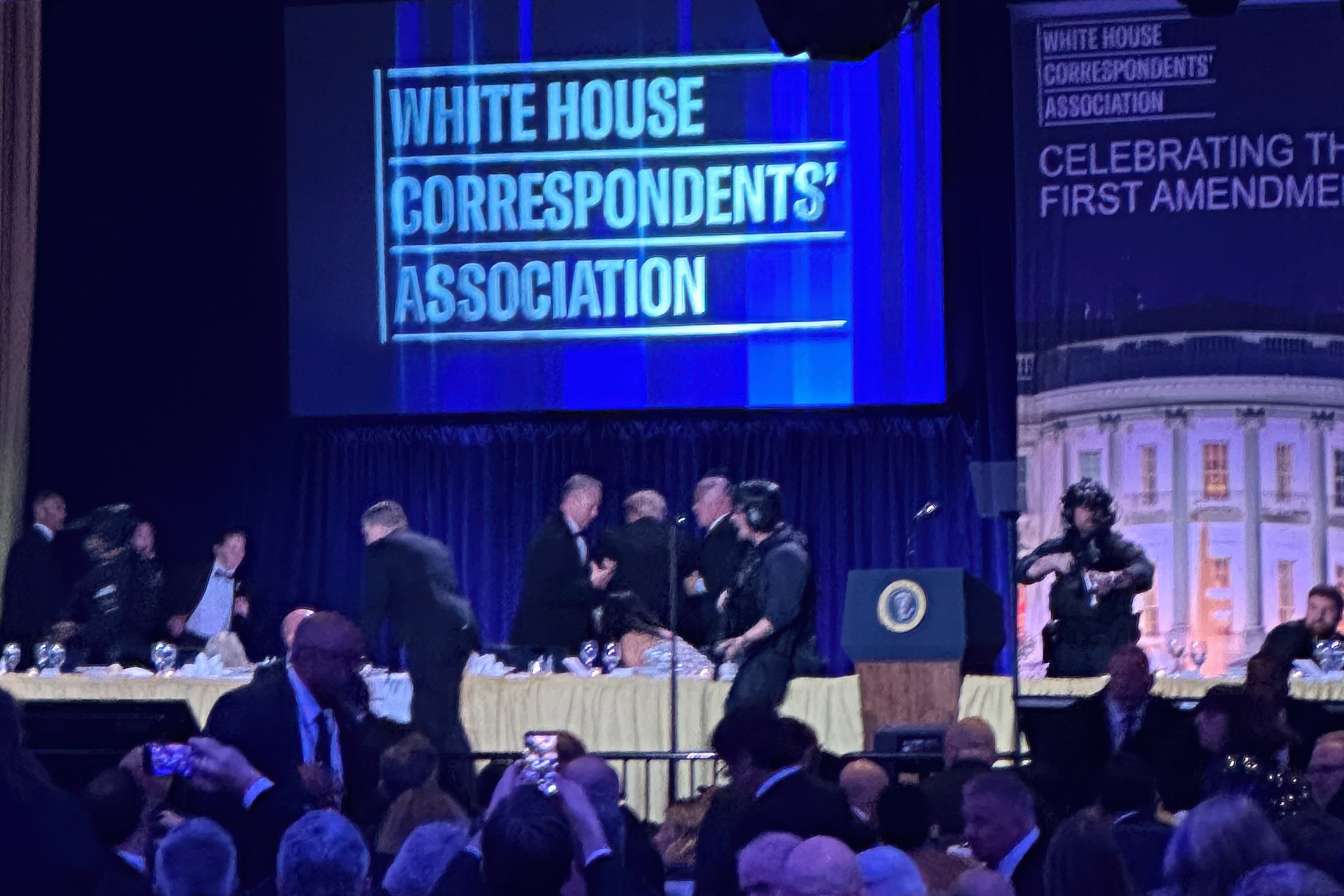
An alternative White House Correspondents’ Dinner is any counter-programming event, gala, or protest gathering held to challenge the traditional "Nerd Prom" atmosphere of the official White House Correspondents’ Association (WHCA) annual dinner. These events typically focus on press freedom advocacy, independent media, or comedic satire that remains more adversarial toward political power than the main event.
The White House Correspondents’ Dinner (WHCD) has long been a staple of the Washington, D.C. social calendar, traditionally intended to celebrate the First Amendment and raise scholarship money for aspiring journalists. However, as the event morphed from a localized press dinner into a star-studded "Hollywood East" gala, a significant movement emerged to create alternative spaces. These alternatives range from high-production televised specials to grassroots rallies and independent media galas that prioritize different values than the main ballroom at the Washington Hilton.
The Evolution of Media Counter-Programming
The concept of an alternative White House Correspondents’ Dinner did not emerge in a vacuum. It was born out of a growing critique—from both the left and the right—that the official dinner had become a symbol of a "cozy" relationship between the press and the politicians they are meant to cover. Critics argue that when journalists and high-ranking government officials share jokes and wine, the adversarial nature of the Fourth Estate is compromised.
The first major shift toward a mainstream "alternative" occurred in the mid-2010s. While there were always side parties hosted by media giants like MSNBC, CNN, and Bloomberg, these were viewed as extensions of the main event rather than true alternatives. The real pivot happened when the political climate shifted toward a more overtly hostile relationship between the executive branch and the press corps.
By the time we reached the mid-2020s, the "alternative" landscape had fractured into three distinct categories:
- Advocacy-Focused Galas: Events designed specifically to raise money for the Committee to Protect Journalists (CPJ) or the Reporters Committee for Freedom of the Press.
- Political Counter-Programming: Events held by administrations or political movements to bypass the traditional media entirely.
- Satirical Alternatives: Comedy-driven events that maintain a more aggressive "roast" format than the often-sanitized official dinner.
Samantha Bee and the Rise of "Not the White House Correspondents' Dinner"
Perhaps the most culturally significant alternative was Samantha Bee’s "Not the White House Correspondents’ Dinner," which first debuted in 2017. This event was a direct response to the perceived need for a space that championed the press without the presence of the politicians being covered.
Held at DAR Constitution Hall, the event successfully raised hundreds of thousands of dollars for the Committee to Protect Journalists. It served as a template for how an alternative event could maintain the "prestige" of a gala while abandoning the social mingling between reporters and government sources. The success of this format proved that there was a massive television audience interested in the spirit of the WHCD but alienated by the "insider" optics of the Hilton ballroom.
In 2026, we see the legacy of this event in the way independent streaming platforms now host their own "Press Freedom" nights. These events often eschew the presence of the President or administration officials entirely, focusing instead on the work of investigative reporters working in dangerous conditions globally.
The Presidential Boycott Era as a Catalyst
The trajectory of alternative dinners was irrevocably changed during the 2017–2019 period when the sitting President chose to boycott the official dinner. During these years, the "alternative" actually became the administration’s official stance. Instead of attending the dinner, the President held campaign-style rallies in various states, effectively creating a populist alternative to the "elite" gathering in D.C.
This era highlighted a fundamental divide in the purpose of the weekend. For the WHCA, the dinner remained about scholarships and the First Amendment. For the administration, the "alternative" rally was about a direct-to-voter communication strategy that characterized the press as an opposition party. This period solidified the idea that the Saturday night in late April could support multiple, conflicting narratives of what journalism and governance should look like.
The Ethics of the "Nerd Prom" vs. Independent Spaces
The primary driver for anyone seeking an alternative White House Correspondents’ Dinner is often an ethical one. Within the world of journalism ethics, the "Nerd Prom" has been a source of internal debate for decades.
The Case Against the Traditional Dinner
Journalists are trained to maintain a professional distance from their subjects. When a White House correspondent invites a Cabinet Secretary as their personal guest to a black-tie gala, it creates an optical problem. Skeptics ask: How can a reporter aggressively grill a source on Monday after laughing at their jokes and sharing a table on Saturday night?
The Alternative Perspective
Alternative events seek to solve this by:
- Excluding Politicians: Making the event "Press Only" or "Press and Public."
- Focusing on the Work: Replacing the comedy roast with deep-dive reports or awards for investigative journalism that the main event might overlook.
- Public Access: While the WHCD is notoriously difficult to attend (tickets are generally not sold to the public), many alternatives sell tickets to the general audience, making the celebration of the First Amendment more inclusive.
2026 Landscape: Digital and Decentralized Alternatives
As of 2026, the concept of a single "alternative" has been replaced by a decentralized network of events. With the rise of independent media empires and Substack-based collectives, the monopoly of the "Big Five" networks over the WHCD weekend has waned.
The current 2026 season features several notable independent gatherings. These are often smaller, more focused, and held at various venues across the capital. Some focus on the intersection of tech and policy, while others focus on climate journalism or international human rights. This decentralization allows for a more nuanced discussion of media roles than the broad-strokes "celebration of the press" found at the Hilton.
| Event Type | Primary Purpose | Audience | Key Difference from WHCD |
|---|---|---|---|
| Official WHCD | Scholarships & WHCA funding | Journalists, Politicians, Celebrities | High-level social mingling between press and power. |
| Advocacy Galas | Fundraising for Press Freedom | Journalists, Donors, Activists | No government officials; focuses on legal protections for media. |
| Satirical Specials | Public Entertainment & Satire | General Public (Broadcast/Stream) | More aggressive, "punching up" at the establishment. |
| Indie Media Salons | Networking & Strategy | Independent Creators, Substackers | Less formal; focuses on the future of media business models. |
| Political Rallies | Direct Voter Communication | Political Base | Bypasses traditional media entirely; often adversarial to the WHCA. |
How to Access Alternative Events
For those looking to participate in the "alternative" side of the weekend, the process is vastly different than securing a seat at the official dinner.
For the General Public
Most alternative events are either televised or streamed. In 2026, major streaming platforms often secure the rights to the largest satirical alternatives. Tickets for in-person attendance at advocacy galas like those hosted by the CPJ are sometimes available for purchase by the public, though they remain expensive as they are primarily fundraisers.
For Independent Journalists
The "Alternative" circuit is much more welcoming to independent creators who may not have the credentials required by the White House Correspondents’ Association. Many of the fringe parties and "un-dinners" are organized via social media networks and professional groups for freelance journalists.
The Role of the First Amendment in Alternatives
While the official dinner often focuses on the First Amendment as a shared value between the press and the government, alternative dinners often frame the First Amendment as a shield against the government.
This distinction is important. In 2026, with the rapid evolution of AI-generated content and new digital privacy laws, the "Alternative" dinners have become the primary venue for discussing the technical and legal challenges facing the modern press. While the main dinner stays at a high level of "celebrating the truth," the alternatives often get into the weeds of whistleblower protections, encryption, and the fight against disinformation.
Critique of the Alternative Movement
It is worth noting that the alternative movement is not without its own critics. Some argue that by creating separate events, the media landscape is becoming even more siloed. If the administration goes to one event and the adversarial press goes to another, the opportunity for the "peaceful" (if awkward) coexistence represented by the WHCD is lost.
Furthermore, some "alternative" dinners have been accused of becoming their own version of the elite gatherings they claim to despise. When an alternative gala charges $500 for a ticket and invites its own set of "alternative" celebrities, it can mirror the same exclusivity problems as the original event.
Future Outlook for 2027 and Beyond
Looking forward, the trend toward alternative White House Correspondents' Dinners is likely to continue growing. As the definition of "journalist" continues to expand to include creators, streamers, and independent researchers, the WHCA’s traditional membership model may become increasingly outdated.
The most successful alternatives will likely be those that can balance the "glamour" that D.C. thrives on with a genuine, substantive focus on the crises facing journalism—such as the collapse of local news and the rise of deepfakes.
FAQ
What is the "Nerd Prom"? "Nerd Prom" is a popular nickname for the official White House Correspondents’ Dinner. It refers to the idea that the event is like a high school prom for the "nerdy" world of D.C. politics and journalism, complete with red carpets, tuxedos, and celebrity guests.
Can anyone buy a ticket to an alternative WHCD? It depends on the event. Satirical specials often sell tickets to the general public through standard ticketing platforms. Advocacy galas may sell tickets but at a high "fundraiser" price point. The official WHCD is generally restricted to WHCA members and their invited guests.
Do presidents ever attend the alternative dinners? Generally, no. A sitting president attending an alternative dinner would be seen as a direct snub to the WHCA. Presidents either attend the official dinner or skip the D.C. gala circuit entirely in favor of a rally or private residence.
Who benefits financially from these alternative events? Most alternative dinners are structured as non-profit fundraisers. Common beneficiaries include the Reporters Committee for Freedom of the Press and the Committee to Protect Journalists. Always check the specific event's "About" section to verify where the proceeds are directed.
Is there a specific dress code for alternative dinners? While the official WHCD is strictly black-tie, alternative events range from "business casual" to "festive" or even "protest attire." Comedic specials usually maintain a formal look for the cameras but are less rigid for the attendees.
Summary Recommendation
If you are a member of the public interested in the intersection of media and politics, the best way to experience the alternative White House Correspondents' Dinner scene is to look for the televised/streamed comedy specials and the social media livestreams of independent media galas. These provide a more critical and often more entertaining perspective on the D.C. power structure than the official broadcast. For those in the industry, attending the advocacy-focused alternatives offers a more ethical way to celebrate the profession without the complications of social dinner-dating with political sources.