Alligators are a permanent and protected part of the Fripp Island ecosystem, residing in nearly every lagoon, pond, and marsh across the island. While they are naturally shy and avoid human contact, residents and visitors must maintain a minimum distance of 60 feet and strictly follow South Carolina laws against feeding or harassing them. Coexistence is maintained through strict local enforcement and the understanding that any alligator that loses its fear of humans must be lethally removed.
The Fripp Island Ecosystem and Alligator Habitat
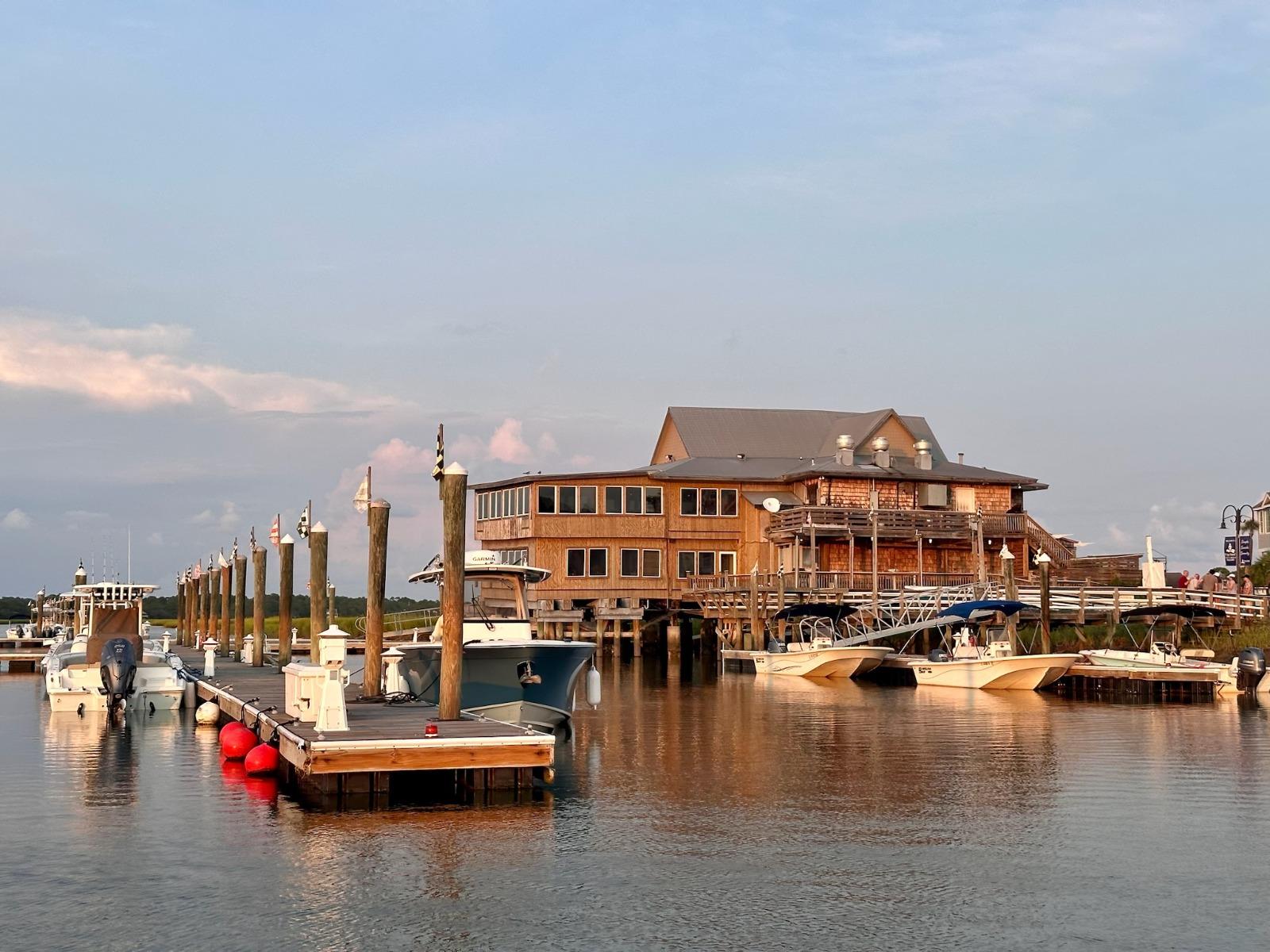
Fripp Island, a private barrier island located at the end of Highway 21 in Beaufort County, South Carolina, is a certified wildlife sanctuary. This designation is not merely a title; it is a reflection of the island's commitment to preserving the natural Lowcountry landscape. As of 2026, the island’s infrastructure remains integrated with its environmental features, including over 30 man-made and natural lagoons that serve as primary habitats for the American Alligator (Alligator mississippiensis).
The American Alligator is an apex predator that has called the South Carolina coast home for millions of years. On Fripp Island, the alligator plays a vital role in maintaining the balance of the wetlands. They help control the populations of mid-sized predators and fish, and their "alligator holes" provide essential water sources for other wildlife during dry spells.
Why Every Body of Water is an Alligator Habitat
It is a fundamental rule on Fripp Island: assume every body of water contains an alligator. From the expansive lagoons bordering the Ocean Point and Ocean Creek golf courses to the small decorative ponds in residential neighborhoods, these reptiles are mobile and highly adaptable.
While they prefer freshwater or brackish environments, alligators can occasionally be spotted in the salt marshes or even on the beach, though they cannot survive in salt water for extended periods. Their presence in a lagoon does not indicate a "problem," but rather a functioning ecosystem. As we move through 2026, the Fripp Island Property Owners Association (FIPOA) continues to emphasize that the presence of these animals is a sign of a healthy environment.
Understanding Alligator Behavior and Seasonal Patterns
To live safely alongside alligators, one must understand their biology and the environmental factors that dictate their behavior. Alligators are ectothermic, meaning their body temperature is regulated by the external environment.
Basking and Thermoregulation
In the cooler months and during the mornings of the spring and fall, you will frequently see alligators "basking" on the banks of lagoons. They lie motionless with their mouths open (a behavior known as "gaping") to absorb heat or cool down. This is not a sign of aggression. During this time, they are often lethargic as they wait for their internal temperature to rise high enough to facilitate digestion or movement.
The Mating Season (April - June)
The most active time for alligators on Fripp Island is the spring. Starting in April, alligators begin their mating season. During this window, males (bulls) become more mobile and territorial as they search for mates. Residents may hear "bellowing," a deep, vibrating roar used to attract females and warn off rivals. Because alligators are more likely to move between lagoons and cross roads or golf fairways during this period, extra caution is required when walking or driving.
Nesting and Hatchlings (July - September)
Female alligators build nests of mound-type vegetation near the water's edge in early summer. A female is highly protective of her nest. If you encounter a mound of mud and rotting plants near a lagoon, do not approach it. After the eggs hatch in late summer, the mother may stay with her young for up to two years. Small "hatchlings," characterized by bright yellow stripes, are common sights, but where there is a baby, a protective mother is always nearby.
The Legal and Ethical Framework: Why Feeding is Fatal
The most significant threat to the safety of humans and the survival of alligators on Fripp Island is feeding. In South Carolina, it is a criminal offense to feed an alligator. As of 2026, state and local authorities have increased surveillance and penalties to prevent this practice.
The Biological Consequence of Feeding
Alligators have a natural, healthy fear of humans. They typically retreat into the water when approached. However, when an alligator is fed, it quickly learns to associate humans with an easy meal. This is a permanent behavioral change known as "food conditioning."
Once an alligator loses its fear of humans, it may begin to approach people, piers, or backyard decks looking for food. This is the point at which an alligator becomes a "nuisance alligator." Under South Carolina Department of Natural Resources (SCDNR) regulations, a food-conditioned alligator cannot be relocated; it must be euthanized. Relocation is not an option because alligators have a powerful homing instinct and will often travel dozens of miles to return to their original territory, potentially causing problems in every community they pass through along the way.
Reporting Harassment and Feeding
Harassment is also illegal. This includes throwing rocks, poking them with sticks, or intentionally trying to provoke a movement for a photograph. The FIPOA Security team and the SCDNR are the primary enforcement bodies on the island. If you witness someone feeding or harassing an alligator, you should report it immediately to Fripp Island Security.
Safety Guidelines for Residents and Visitors
Maintaining a safe distance is the most effective way to prevent a negative encounter. On Fripp Island, the standard recommendation is to stay at least 60 feet (about four car lengths) away from any alligator.
Walking, Biking, and Golfing
- Stay on Designated Paths: Avoid walking near the edge of lagoons, especially in areas with tall grass or thick vegetation where an alligator may be resting out of sight.
- Golf Course Etiquette: Alligators are a common sight on the "Best 18 Holes" of the Lowcountry. If your ball lands near an alligator or at the very edge of a lagoon, leave it. The risk of an ambush from the water’s edge is not worth the price of a golf ball.
- Nighttime Caution: Alligators are nocturnal hunters. Avoid walking near water sources after dark when visibility is low and the reptiles are most active.
Protection of Pets and Children
Pets and small children are at the highest risk because their size mimics that of the alligator's natural prey (such as deer, raccoons, or large birds).
- Leash Laws: Fripp Island has strict leash laws. A dog running loose near a lagoon is in significant danger. Never allow your pet to swim in the lagoons or drink from the water's edge.
- Supervision: Children should never be allowed to play near the banks of any lagoon. An alligator’s primary hunting strategy is the ambush; they can remain submerged and invisible just inches from the shore before striking with incredible speed.
Comparison of Safety Behaviors
| Situation | Safe Action | High-Risk Action |
|---|---|---|
| Viewing an Alligator | Observe from 60+ feet away; use binoculars. | Approaching for a "close-up" photo or selfie. |
| Golfing | Leave balls that land near the water's edge. | Reaching into tall grass or near a bank to retrieve a ball. |
| Pet Care | Keep dogs on a short leash and away from banks. | Allowing dogs to roam or "explore" the lagoon edge. |
| Interaction | Keep silent and move past the animal slowly. | Throwing food, rocks, or objects to get a reaction. |
| Fishing | Clean fish at designated stations; discard scraps in trash. | Throwing fish guts or bait into the water near alligators. |
Managing "Nuisance" Alligators on Fripp Island
While the goal is coexistence, there are instances where an alligator poses a direct threat to public safety. The management of these animals is handled through a partnership between the FIPOA and the SCDNR.
What Defines a Nuisance Alligator?
An alligator is considered a nuisance if it:
- Is at least four feet long and exhibits aggressive behavior toward humans or pets.
- Has been fed and routinely approaches people.
- Is found in an area where it cannot easily return to its habitat (such as a swimming pool or an enclosed porch).
The Removal Process
If an alligator is deemed a nuisance, a permit is issued by the SCDNR to a contracted nuisance alligator trapper. It is important to note that the FIPOA does not have the authority to remove alligators without state approval. Once a trapper captures a nuisance alligator, the animal is euthanized. This is why the community emphasizes "Don't Feed the Alligators"—feeding them is essentially a death sentence for the animal.
Historical Context and Conservation Success
The presence of alligators on Fripp Island is a success story for American conservation. In the mid-20th century, the American Alligator was an endangered species due to unregulated hunting and habitat loss. The passage of the Endangered Species Act and subsequent state protections allowed the population to rebound.
Today, the population is stable and healthy. On Fripp Island, the management philosophy has shifted from "control" to "coexistence." By maintaining the island as a sanctuary, the FIPOA ensures that future generations can witness these prehistoric creatures in their natural habitat, provided that human behavior remains disciplined and respectful.
Frequently Asked Questions
Can alligators climb fences?
Yes, alligators are surprisingly adept climbers. If a fence has a grip (like chain-link) and is not topped with an outward-curving barrier, a motivated alligator can climb over it. However, they rarely do this unless they are seeking a new water source or a mate. On Fripp, most residential barriers are aesthetic rather than protective, so they should not be relied upon for safety.
How fast can an alligator run on land?
Alligators can burst at speeds of up to 30 miles per hour over very short distances on land. However, they tire quickly. Their primary mode of attack is a short lunging burst from the water, not a long-distance chase. If you are 60 feet away, you are well outside their typical strike zone.
What should I do if an alligator hisses at me?
A hiss is a clear warning that you are too close. If an alligator hisses, it is feeling threatened and is defending its space. You should back away slowly and give the animal a wide berth. Do not turn your back until you have reached a safe distance, but do not make sudden, jerky movements.
Is it safe to kayak or paddleboard in Fripp Island lagoons?
The FIPOA generally discourages or prohibits private boating, kayaking, and swimming in the interior lagoons due to the high density of alligators. The tidal creeks and marshes surrounding the island are safer for these activities, though alligators are still present there. Always check current local regulations and signage before entering any body of water.
What if I find an alligator in my yard or under my house?
Do not attempt to move the animal yourself. Contact Fripp Island Security immediately. They have trained personnel who can assess the situation and determine if the animal will move on its own (which they usually do) or if a trapper needs to be called.
Final Recommendation for Residents and Visitors
The key to a successful experience on Fripp Island is a healthy respect for its oldest residents. Enjoy the opportunity to observe these magnificent reptiles from a distance. By keeping your pets leashed, supervising children near water, and never offering food to wildlife, you contribute to the safety of the community and the preservation of the American Alligator. If you are ever in doubt about an alligator's behavior or location, contact Fripp Island Security as your first point of action.