Understanding auto insurance in Northern Virginia requires navigating a complex landscape of state mandates, urban driving risks, and evolving legislation. Alexandria Wrest, a prominent insurance professional in Alexandria, VA, provides clarity by debunking common misconceptions regarding coverage limits, vehicle colors, and the recent expiration of the Uninsured Motorist Fee, ensuring local drivers remain legally compliant and financially protected in 2026.
The Local Context: Driving in Alexandria, VA
Alexandria is a unique environment for motorists. Nestled between the heavy transit corridors of I-495 (the Capital Beltway) and I-395, residents face some of the highest traffic densities in the United States. This geographic reality directly influences insurance premiums and the frequency of claims. When local experts like Alexandria Wrest discuss "myth-busting," they aren't just addressing general folklore; they are addressing specific misunderstandings that can lead to catastrophic financial losses for Virginia residents.
In 2026, the insurance market has stabilized following several years of post-pandemic inflation, but new technologies in vehicles—ranging from advanced driver-assistance systems (ADAS) to electric vehicle (EV) battery arrays—have changed how risks are calculated. Many drivers still rely on "common knowledge" passed down through generations that no longer applies to modern actuarial science or current Virginia statutes.
Myth 1: You Can Still Pay a Fee to Opt Out of Insurance in Virginia
One of the most persistent myths in the Commonwealth of Virginia concerns the Uninsured Motorist Vehicle (UMV) fee. For decades, Virginia was one of the few states that allowed vehicle owners to pay a $500 fee to the DMV to bypass the requirement for liability insurance.
The Reality in 2026
This option is officially a thing of the past. Effective July 1, 2024, the Virginia General Assembly eliminated the UMV fee option. By 2026, all registered vehicles in Alexandria and throughout the state must be covered by a liability insurance policy that meets or exceeds the state’s minimum limits.
The transition was designed to reduce the number of uninsured motorists on the road, which historically drove up premiums for insured drivers through mandatory Uninsured Motorist (UM) coverage. If you are caught driving without insurance in Alexandria today, you face severe penalties, including license suspension, registration revocation, and substantial reinstatement fees. Alexandria Wrest emphasizes that checking your policy's active status is no longer optional—it is a legal necessity for every driver on the George Washington Memorial Parkway or King Street.
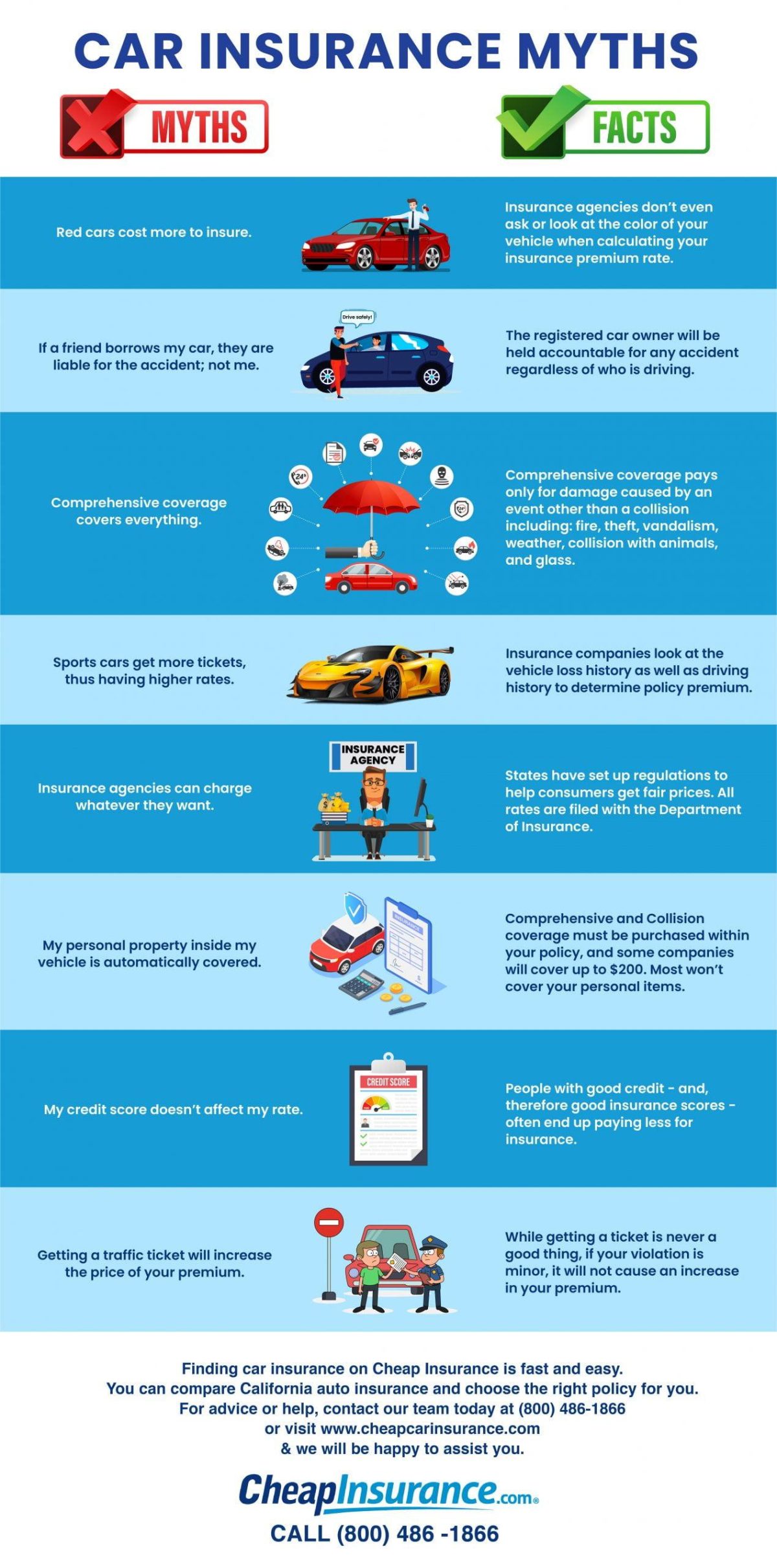
Myth 2: The Color of Your Car Affects Your Premium
The "Red Car Myth" is perhaps the most enduring legend in the insurance world. The belief is that red cars are more expensive to insure because they are associated with aggressive driving or are more likely to be pulled over by police.
The Reality of Actuarial Data
Insurance companies, including those represented by Alexandria Wrest, do not even ask for the color of your vehicle when generating a quote. What they do ask for is the Vehicle Identification Number (VIN). The VIN provides data on:
- Safety Features: Does the car have automatic emergency braking or lane-keep assist?
- Engine Specs: Is it a high-performance turbo-charged engine or a standard commuter plant?
- Claims History: How often is this specific year, make, and model involved in accidents?
- Repair Costs: How expensive are the parts and labor for this specific model?
While a bright red sports car might have a higher premium, it is because it is a sports car, not because it is red. A red minivan will typically be cheaper to insure than a white luxury sedan. In 2026, the focus has shifted even further toward the cost of replacing specialized sensors and calibrations required for modern vehicles, regardless of the paint color.
Myth 3: "Full Coverage" Means You are 100% Protected
Many drivers in Alexandria contact an agent asking for "full coverage," assuming this phrase represents an all-encompassing shield against any financial loss.
The Breakdown of Coverage Types
In the professional view of Alexandria Wrest, the term "full coverage" is a dangerous misnomer because it isn't an actual policy type. Usually, when people say "full coverage," they are referring to a combination of:
- Liability: Covers damage you cause to others.
- Collision: Covers damage to your car from an accident.
- Comprehensive: Covers non-collision events like theft, fire, or flood (crucial for those parking near the Potomac River front).
However, even with these three, you may still have massive gaps. For example, standard policies do not typically include Gap Insurance (which pays the difference between your car's value and your loan balance) or Replacement Cost Coverage. If you are driving a new vehicle through the heavy traffic of Alexandria, a total loss accident could leave you owing thousands to a lender even if you have "full coverage," unless you have specific endorsements.
Myth 4: Your Personal Policy Covers Business Use and Gig Work
With the rise of app-based delivery and ridesharing in the DC metro area, many Alexandria residents use their personal vehicles for income. A common myth is that your standard personal auto insurance will cover you while you are "on the clock" for companies like Uber, Lyft, or DoorDash.
The Delivery Gap
Standard personal auto policies specifically exclude commercial use. If you are involved in an accident while delivering a meal or transporting a passenger in Old Town, your personal insurer will likely deny the claim.
While many gig platforms provide some level of insurance, it is often secondary or only applies during specific "phases" of the app usage (e.g., when a passenger is physically in the car). To stay protected, drivers should consult with an agent like Alexandria Wrest to add a Rideshare Endorsement or a commercial rider. Without this, you risk both a denied claim and the potential cancellation of your entire policy for misrepresentation of risk.
Myth 5: Minimum State Limits are Sufficient for Alexandria Drivers
Virginia law sets minimum limits for liability insurance. As of 2026, these limits have been adjusted to reflect modern medical and repair costs. However, a myth persists that as long as you meet the state minimum, you are "safe."
The Danger of Underinsurance
The current minimums in Virginia may not be enough to cover a multi-car pileup on I-495 or an accident involving a luxury vehicle, of which there are many in the Alexandria/Arlington area.
| Coverage Type | VA Statutory Minimum (2026) | Recommended "Reality" Limit |
|---|---|---|
| Bodily Injury (Per Person) | $60,000 | $100,000 - $250,000 |
| Bodily Injury (Per Accident) | $120,000 | $300,000 - $500,000 |
| Property Damage | $30,000 | $100,000+ |
If you carry only $30,000 in property damage coverage and cause an accident that totals a $70,000 Electric Vehicle, you are personally liable for the $40,000 difference. In a high-wealth area like Northern Virginia, carrying minimum limits is a significant financial gamble. Alexandria Wrest frequently advises clients to opt for higher limits and an umbrella policy to protect personal assets like homes and savings.
Myth 6: Credit Scores Don't Influence Your Insurance Rate
In some states, the use of credit-based insurance scores is restricted. This has led many to believe that their financial history is irrelevant to their driving costs.
Credit as a Risk Predictor
In Virginia, insurance companies are permitted to use credit-based insurance scores as one of many factors in determining premiums. Statistical data used by carriers shows a correlation between financial responsibility and driving safety. While a poor credit score won't necessarily prevent you from getting coverage, it can lead to higher premiums compared to someone with an identical driving record but better credit.
By 2026, Virginia regulators have maintained oversight to ensure these scores are used fairly, but they remain a primary component of the underwriting process. Drivers in Alexandria can often lower their rates by improving their credit health, a strategy that Alexandria Wrest often highlights during annual policy reviews.
Myth 7: Your Insurance Follows the Driver, Not the Car
There is a common misunderstanding that if you lend your car to a friend and they crash it, their insurance will pay for the damages.
The "Primary Follows the Vehicle" Rule
In most cases in Virginia, insurance follows the car. If you give someone permission to drive your vehicle, your insurance policy is the primary coverage for any damages they cause. The driver's insurance may act as secondary coverage if your limits are exceeded, but your policy will be the one hit with the claim, and your rates will likely increase.
This is particularly relevant for Alexandria families with college students or those who frequently use valet services in the city. Always ensure that anyone driving your vehicle is a "permissive user" and understand that your financial protection is on the line when someone else is behind the wheel of your car.
The Role of Alexandria Wrest in Policy Customization
In an era of automated online quotes, the value of a local expert like Alexandria Wrest cannot be overstated. Online algorithms often miss the nuances of Alexandria's specific risks—such as the high rate of glass claims due to highway debris or the flood risks associated with the Potomac's tidal fluctuations.
Customization involves more than just selecting a deductible. It requires a deep dive into:
- Commuting Habits: Drivers taking the Metro vs. those driving into DC every day.
- Vehicle Technology: Understanding how 2026 ADAS systems change repair costs.
- Asset Protection: Aligning insurance limits with the value of your Alexandria real estate and investments.
Technical Considerations for 2026 Vehicles
As we move through 2026, the technology within our vehicles has debunked another myth: that "older cars are always cheaper to insure." While older cars have lower market value, they lack modern safety suites that provide significant discounts. Conversely, some 2026 models feature "over-the-air" updates and telematics that allow insurers to monitor driving behavior in real-time.
Telematics-based insurance is now a standard offering. Drivers who opt into these programs can see significant discounts by proving they avoid late-night driving and hard braking—common occurrences in Alexandria's stop-and-go traffic. Alexandria Wrest often recommends these programs for safe drivers looking to offset the generally higher costs of living in Northern Virginia.
Frequently Asked Questions
Does Virginia still allow the $500 Uninsured Motorist Fee?
No. As of July 1, 2024, the Uninsured Motorist Vehicle (UMV) fee was repealed. In 2026, all vehicles registered in Virginia must have a valid liability insurance policy. Failure to maintain insurance results in the suspension of driving and registration privileges. For more details, consult the Virginia Department of Motor Vehicles (DMV).
Will my insurance go up if I get a speeding ticket in Alexandria?
Generally, yes. Virginia uses a point system for traffic violations. A speeding ticket typically results in "insurance points" that can increase your premium for three to five years. However, some insurers offer "accident forgiveness" or minor violation forgiveness. Experts like Alexandria Wrest can help determine if your policy includes these protections.
Does my auto insurance cover my car if it's flooded in Old Town?
Only if you have Comprehensive Coverage. Standard liability and collision insurance do not cover weather-related damage. Given that parts of Alexandria, particularly near the waterfront, are prone to tidal flooding, Alexandria Wrest highly recommends comprehensive coverage for local residents.
Is it true that males always pay more for car insurance?
Statistically, younger males often face higher rates due to higher risk profiles. However, as drivers age, the gap narrows significantly. By 2026, insurers use a much wider array of data points, including occupation and education levels in some cases, to create a more personalized risk profile that moves beyond simple gender binary stats.
How does Alexandria Wrest help with claims?
A local agent serves as an advocate. While the insurance company's claims department handles the logistics, an agent like Alexandria Wrest can help you understand the process, ensure your car is repaired with quality parts, and help you navigate the complexities of "total loss" valuations in the current 2026 market.
Practical Recommendation for Alexandria Residents
To ensure you are not falling victim to these myths, schedule a "Policy Audit" with a professional such as Alexandria Wrest. In 2026, the intersection of new Virginia laws and advanced vehicle technology means that a policy written even two years ago may be dangerously outdated.
Next Steps:
- Verify your Liability Limits: Ensure they are significantly higher than the 2026 state minimums to protect your assets.
- Confirm Gig-Work Coverage: If you use your car for any form of delivery, ensure you have the proper endorsement.
- Review Comprehensive Deductibles: Given the local risks of theft and flooding in urban Alexandria, ensure your deductible is an amount you can comfortably pay out of pocket.
- Inquire about Telematics: Ask if a driving-monitor program could lower your rates based on your specific Alexandria commute.
By moving past common myths and focusing on the legal and mechanical realities of 2026, Alexandria drivers can secure coverage that is both cost-effective and legally robust.