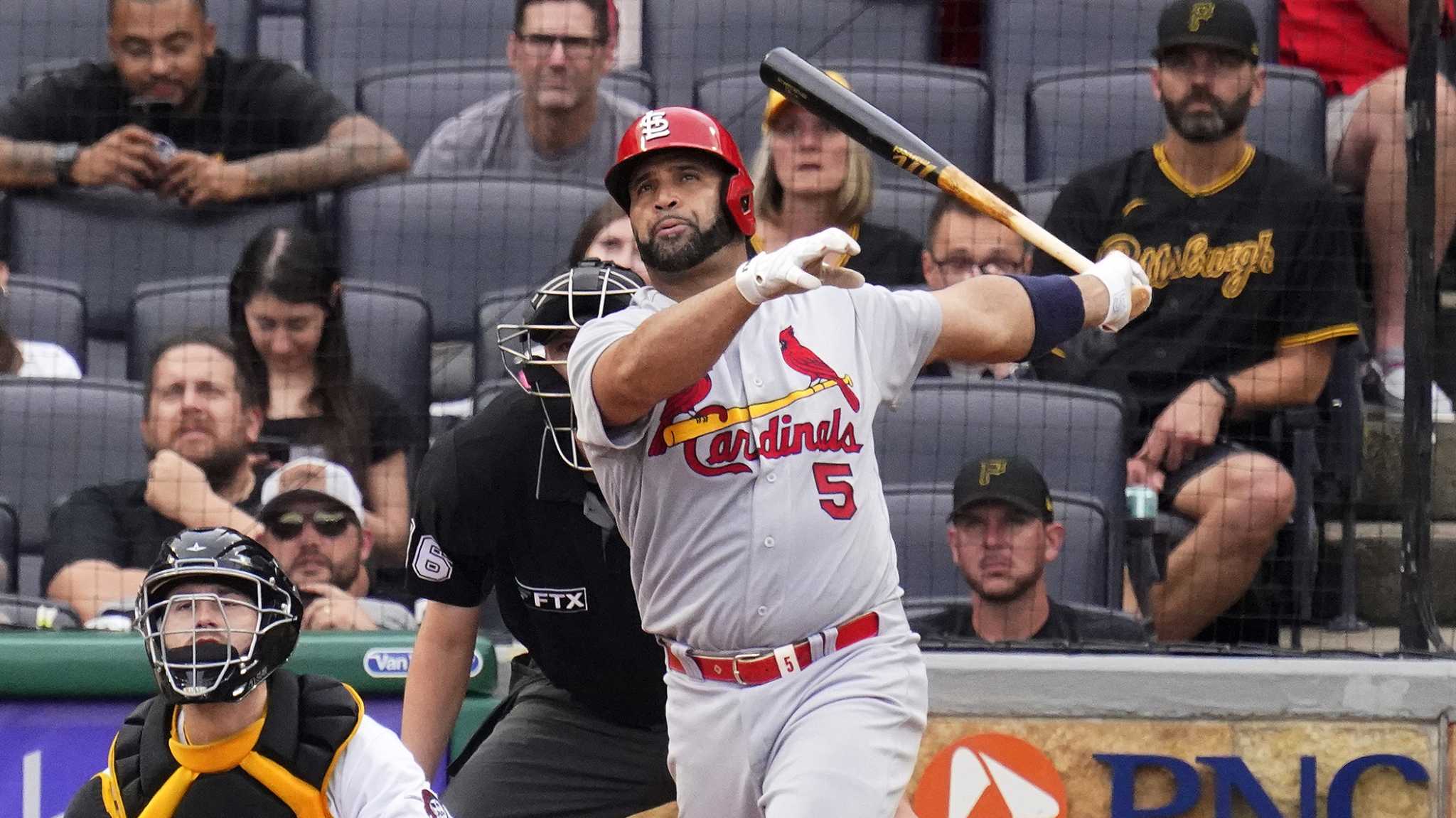
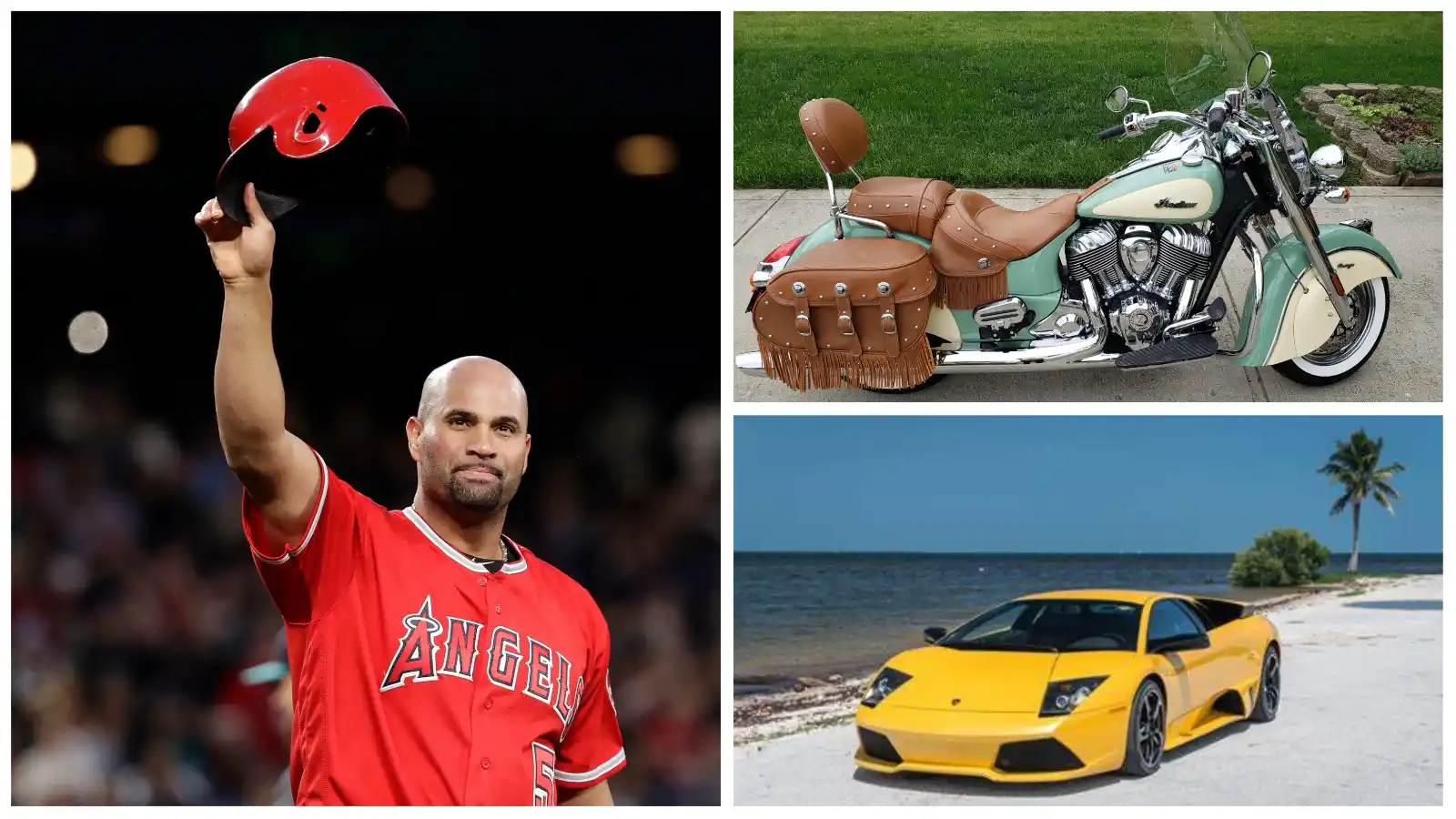
As of 2026, Albert Pujols’ estimated net worth stands between $175 million and $190 million. This valuation is the result of over $341 million in career MLB salary, a landmark 10-year personal services contract with the Los Angeles Angels, and a diverse portfolio of endorsements and philanthropic investments, adjusted for significant taxation and professional fees.
Understanding the net worth of Jose Alberto Pujols Alcántara requires looking beyond a single number. For a player nicknamed "The Machine" for his consistent excellence on the field, his financial trajectory is equally systematic. From a 13th-round draft pick with a modest signing bonus to signing one of the largest contracts in sports history, Pujols’ wealth is a case study in athletic longevity, brand management, and strategic post-retirement income.
The $341 Million Blueprint: Major League Earnings
The primary engine behind Pujols' wealth is his unprecedented on-field production, which translated into some of the most lucrative contracts of his era. Over 22 seasons in Major League Baseball, Pujols earned approximately $341 million in gross salary alone. However, the timing and structure of these earnings provide the necessary context for his current net worth.
The St. Louis Cardinals Era: The Value of a Bargain
When Pujols broke into the big leagues in 2001, he was not a high-priced prospect. Selected 402nd overall in the 1999 draft, his initial signing bonus was a mere $60,000. For the first three years of his career, he provided the St. Louis Cardinals with what many analysts consider the greatest "surplus value" in baseball history, producing Hall of Fame numbers while earning near the league minimum.
In 2004, the Cardinals secured Pujols with a seven-year, $100 million contract extension. While a massive sum at the time, his performance far outpaced the pay. By the time he entered free agency in 2011, he had three MVP awards and two World Series titles, making him the most coveted free agent in the market.
The Los Angeles Angels: The Quarter-Billion Dollar Milestone
In December 2011, Pujols signed a 10-year, $240 million contract with the Los Angeles Angels. This deal was a watershed moment in sports finance. The contract was backloaded, meaning the annual salary increased as Pujols aged. In the final year of the deal (2021), his base salary reached $30 million.
While critics often debated the "on-field value" of the contract during Pujols' later years, from a net worth perspective, it provided a guaranteed, high-volume cash flow through his late 30s and early 40s. This contract alone accounts for the vast majority of his career liquidity.
The Final Chapters: Dodgers and the St. Louis Return
Following his release from the Angels in 2021, Pujols played for the Los Angeles Dodgers on a pro-rated veteran minimum salary. His final season in 2022, back with the St. Louis Cardinals, was similarly focused on legacy rather than logic-defying paychecks. He earned $2.5 million for his "Last Dance" season, during which he famously joined the 700-home run club.
The 10-Year Personal Services Contract: Income Beyond Retirement
A unique and often misunderstood component of Albert Pujols’ net worth is his personal services contract with the Los Angeles Angels. When Pujols signed his $240 million playing deal in 2011, it included an additional agreement: a 10-year, $10 million personal services contract to begin once he retired from baseball.
In 2026, Pujols is currently in the fourth year of this agreement. This contract pays him $1 million annually to represent the Angels organization at events, serve as a consultant, and act as a brand ambassador. This structure is significant for several reasons:
- Income Smoothing: It provides a steady seven-figure income long after his playing days have ended.
- Asset Preservation: The guaranteed nature of this income allows Pujols to maintain his lifestyle without dipping into the principal of his investment portfolios.
- Brand Continuity: It ensures his face remains associated with a major market (Los Angeles/Orange County), maintaining his relevance for regional endorsements.
Endorsements and Commercial Ventures
While Pujols was never as prolific a commercial pitchman as contemporaries like Derek Jeter or Alex Rodriguez, his "Machine" persona was highly marketable to blue-chip brands seeking reliability and integrity.
His endorsement portfolio has included:
- Nike: A long-standing partnership that provided both equipment and significant annual retainers.
- Gatorade: Featuring Pujols in national campaigns during his peak MVP years.
- Upper Deck and Topps: Lucrative exclusive deals for memorabilia and autographed trading cards.
- Rawlings: A partnership centered on his defensive excellence as a Gold Glove first baseman.
In addition to traditional endorsements, Pujols has engaged in various business ventures, including "Pujols 5 Kitchen," a restaurant venture in the St. Louis area. While some athlete-led businesses fail, Pujols’ ventures have generally focused on sectors where he has a strong personal connection or a dedicated local fan base.
The Financial Impact of Taxes, Agents, and Management
To understand why a player who earned $340 million in salary has a net worth closer to $180 million, one must account for the substantial "leakage" inherent in professional sports.
- Taxation: A significant portion of Pujols’ career was spent playing for the Angels and Dodgers in California, a state with one of the highest income tax rates in the U.S. (often exceeding 13% for high earners). Combined with federal taxes, "Jock Taxes" (taxes paid to every state where he played an away game), and FICA, it is estimated that nearly 45-50% of his gross earnings went to the government.
- Agent Fees: Standard MLB agent fees range from 3% to 5%. Over a $340 million career, this represents a $10 million to $17 million outlay to representation.
- Management and Overhead: High-net-worth athletes employ wealth managers, accountants, and legal teams to protect their assets. These professional services, while necessary for long-term growth, represent a constant operational cost.
Philanthropy as a Wealth Priority: The Pujols Family Foundation
Any discussion of Albert Pujols’ net worth is incomplete without mentioning the Pujols Family Foundation. Unlike many celebrity foundations that serve primarily as tax shelters, the Pujols Family Foundation is a deeply funded, active organization focused on Down syndrome awareness and poverty relief in the Dominican Republic.
Pujols has historically directed a significant percentage of his personal wealth into this foundation. In 2026, the foundation remains a pillar of his public life. While these contributions technically "reduce" his personal net worth on paper, they represent a deliberate allocation of capital toward social legacy. For Pujols, "wealth" is clearly defined by impact as much as by bank balances.
Comparative Wealth: Pujols vs. His Contemporaries
In the landscape of MLB's all-time highest earners, Pujols sits in the top tier, though his net worth profile differs from other legends.
| Player | Estimated Net Worth (2026 Context) | Primary Wealth Driver |
|---|---|---|
| Albert Pujols | $170M - $190M | MLB Salary & Personal Services Contract |
| Alex Rodriguez | $350M - $400M+ | A-Rod Corp, Real Estate, & Media |
| Derek Jeter | $200M - $225M | Brand Jordan, Publishing, & Team Ownership Stakes |
| Miguel Cabrera | $145M - $160M | Guaranteed MLB Salary & International Investments |
While Rodriguez and Jeter leveraged their brands into massive private equity and ownership ventures, Pujols has followed a more conservative financial path, focusing on guaranteed salary, high-yield investments, and philanthropic work.
Strategic Summary of Financial Milestones
The following table outlines the pivotal moments that shaped the "Machine's" financial standing over the decades.
| Period | Key Financial Event | Estimated Impact on Wealth |
|---|---|---|
| 1999 | Drafted (13th Round) | $60,000 Signing Bonus |
| 2004-2010 | First Major Cardinals Extension | $100 Million (Established Wealth Base) |
| 2012-2021 | The Angels Mega-Deal | $240 Million (Peak Liquidity) |
| 2022 | The Retirement Tour | Final $2.5M Salary + Memorabilia Spike |
| 2023-2032 | Post-Retirement Services | $1M Annual Guaranteed Income |
| 2028 (Est.) | Hall of Fame Induction | Projected 20-30% increase in memorabilia/appearances |
Investment Philosophy and 2026 Status
In 2026, Pujols’ financial strategy appears to be one of wealth preservation and steady growth. His portfolio is diversified across real estate, diversified equities, and municipal bonds—typical for an athlete who has already "won the game" financially.
His role as a Special Assistant to the Angels provides him with a professional platform that keeps his brand active in the Los Angeles market, which is crucial for his ongoing endorsement value. Furthermore, his status as a legendary figure in both St. Louis and the Dominican Republic gives him a unique "cross-border" financial influence, allowing for international business opportunities that many American athletes lack.
Disclaimer: Net worth estimates are based on public salary data, endorsement reporting, and standard financial modeling for professional athletes. Private investments and exact tax liabilities are not publicly disclosed.
Frequently Asked Questions
How much did Albert Pujols earn in total from MLB salaries?
Albert Pujols earned approximately $341,710,741 in gross salary during his 22-season MLB career. This figure does not include his signing bonus, incentives, or post-retirement personal services contract.
Is Albert Pujols still being paid by the Los Angeles Angels in 2026?
Yes. As part of his 2011 contract, Pujols signed a 10-year, $10 million personal services agreement. This agreement began following his official retirement from baseball and pays him $1 million per year through the early 2030s.
What is the most significant factor affecting his net worth today?
The most significant factors are his career earnings and his conservative investment strategy. Because he earned the bulk of his money later in his career ($240 million between 2012 and 2021), a large portion of his wealth is still relatively "fresh" and generating compound interest, offset by the high taxes of his California playing years.
How does his net worth compare to Shohei Ohtani?
While Pujols was one of the highest earners of his time, the market has shifted significantly. Shohei Ohtani’s $700 million contract (signed in late 2023) far exceeds Pujols' career earnings. However, due to Ohtani's massive deferrals, Pujols may actually have more immediate liquidity and current net worth than many younger stars for several more years.
Does his philanthropy reduce his net worth?
Directly, yes. Pujols is known for being exceptionally generous with the Pujols Family Foundation. Financial experts estimate that he has donated millions of dollars to causes related to Down syndrome and poverty relief, which reduces his personal liquid assets but increases his social and legacy "capital."
Practical Next Actions for Researching Athlete Wealth
To gain a deeper understanding of the financial structures behind legends like Albert Pujols, consider the following steps:
- Analyze Contract Structures: Visit sites like Spotrac or Cot's Baseball Contracts to see how backloading and deferrals impact an athlete's cash flow.
- Study the "Jock Tax": Research how professional athletes are taxed in different jurisdictions to understand the gap between "gross salary" and "take-home pay."
- Monitor Post-Retirement Roles: Watch for official announcements from MLB teams regarding "Special Assistant" roles, which are often used as vehicles for continued compensation and brand management.