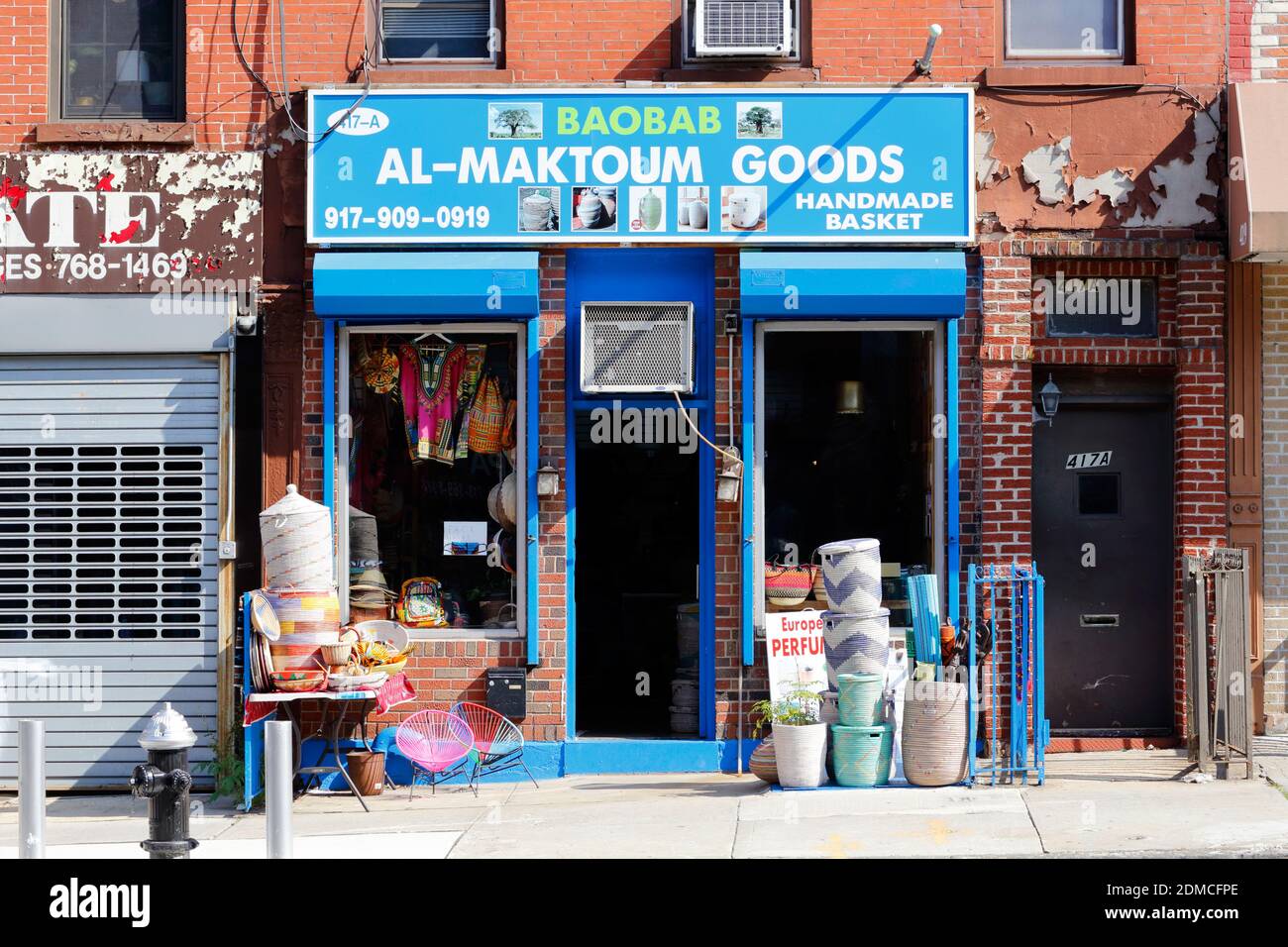
Al Maktoum Goods, a specialty retail and cultural goods enterprise originally established within the vibrant community of Brooklyn, New York, has officially initiated a broader geographic and operational expansion. This strategic pivot marks a major milestone for the brand, taking its unique product curation, heritage-inspired goods, and localized retail philosophy out of New York City and into new domestic and international markets. By transitioning beyond its foundational Brooklyn footprint, the enterprise aims to scale its distribution networks, reach a more diverse demographic of consumers, and cement its position as a distinctive player in specialty consumer goods.
Understanding the Roots: The Brooklyn Foundation
To fully grasp the significance of the expansion beyond Brooklyn, one must examine the operational and cultural environment that allowed Al Maktoum Goods to establish its core identity. Brooklyn has long served as an incubator for independent commerce, artisanal craftsmanship, and culturally rich niche markets. For an enterprise dealing in specialty imports, heritage goods, and curated lifestyle products, establishing a base in neighborhoods known for diverse consumer bases provided immediate feedback loops and a loyal local clientele.
The initial storefronts and distribution nodes functioned not merely as commercial points of sale, but as cultural hubs. Consumers turned to these locations for authentic items that often bridged traditional craftsmanship with contemporary urban aesthetics. However, relying solely on a localized footprint presented clear operational constraints. High overhead costs associated with prime New York real estate, local supply chain bottlenecks, and a geographically restricted customer base ultimately catalyzed the decision to look outward. Scaling beyond Brooklyn was not just an ambition for higher revenue; it became a logistical necessity to satisfy growing digital demand from customers outside the tri-state area.
Key Factors Driving the Initial Success in New York
- Cultural Resonance: Aligning product curation with the eclectic tastes of urban consumers looking for authentic heritage items.
- Community Engagement: Building strong grassroots loyalty through local pop-ups, community events, and word-of-mouth marketing.
- Agile Supply Chains: Establishing direct relationships with international artisans and suppliers, creating a unique product catalog unavailable in mainstream big-box retail.
Strategic Drivers Behind the Geographic Expansion
The decision to expand beyond Brooklyn is rooted in a calculated assessment of market demand, supply chain maturation, and digital commerce analytics. Over recent operating cycles, management observed a sharp increase in online orders originating from outside the New York metropolitan area, particularly from regions with high concentrations of specialty retail consumers, such as the West Coast, the American South, and select international hubs.
Furthermore, commercial real estate dynamics played a critical role. While Brooklyn offers immense brand cachet, expanding physical footprints into emerging commercial districts allows the enterprise to optimize operational margins. By diversifying physical locations and reinforcing regional fulfillment centers, Al Maktoum Goods can reduce shipping times, mitigate regional supply chain risks, and meet consumer expectations for rapid, reliable delivery.
| Expansion Driver | Impact on Operations | Strategic Advantage |
|---|---|---|
| Geographic Demand | Redirects shipping data to identify high-density customer clusters outside NY. | Enables targeted placement of new pop-ups and permanent storefronts. |
| Fulfillment Logistics | Decentralizes inventory storage away from single urban warehouses. | Lowers transit times and reduces average shipping costs per unit. |
| Real Estate Costs | Diversifies overhead by acquiring space in emerging commercial markets. | Protects the brand against localized spikes in urban commercial rent. |
| Brand Diversification | Introduces localized product lines tailored to new regional demographics. | Broadens market share without diluting core brand identity. |
Operational Challenges in Scaling Specialty Retail
Expanding a boutique retail brand beyond its home market involves navigating complex operational hurdles. Unlike mass-market retail chains that rely on standardized, highly automated inventory models, specialty operations like Al Maktoum Goods depend heavily on nuanced product curation, artisan relationships, and personalized customer service. Replicating this delicate balance across multiple new regions requires robust administrative frameworks and meticulous planning.
Supply Chain and Inventory Management
Maintaining product authenticity and quality control becomes exponentially more difficult as distribution networks widen. Sourcing rare or heritage-crafted goods often involves small-batch producers who cannot easily scale production to meet sudden multi-regional demand. Management must balance expansion velocity with the realities of artisan supply constraints, ensuring that entering new markets does not dilute the exclusivity and quality that defined the brand in Brooklyn.
Regulatory and Compliance Requirements
Moving operations across state lines—and potentially into international jurisdictions—introduces a labyrinth of regulatory obligations. This includes navigating varying state-level retail licenses, consumer protection laws, commercial zoning permits, and international import-export tariffs. Ensuring full compliance without stalling operational momentum requires dedicated legal oversight and localized administrative partnerships.
Consumer Reception and Market Adaptation
As Al Maktoum Goods introduces its catalog to new markets outside New York, early consumer reception provides valuable insights into how niche retail brands translate across different cultural landscapes. Market adaptation involves more than simply shipping existing inventory to a new zip code; it requires understanding regional preferences while maintaining the core ethos that attracted customers in the first place.
In newer markets, the brand has found success by blending its signature product lines with regional collaborations. This approach prevents the brand from appearing as an out-of-touch outsider while preserving the distinctive aesthetic that distinguishes it from mainstream competitors. Consumer analytics from these new regions indicate high retention rates, proving that the appeal of the brand's core offerings transcends its original Brooklyn audience.
Frequently Asked Questions
What prompted Al Maktoum Goods to expand beyond Brooklyn?
The expansion was driven by a combination of rising digital orders from outside the New York metropolitan area, the need to optimize fulfillment logistics, and strategic opportunities to diversify real estate overhead in emerging regional markets.
Are the original Brooklyn operations still active?
Yes, the foundational presence in Brooklyn remains a core component of the enterprise's operations, serving as a primary cultural anchor, design lab, and flagship experience center.
How does the brand maintain product quality during geographic scaling?
Management works closely with small-batch artisan suppliers through structured, long-term agreements and regional fulfillment hubs, ensuring that scaling efforts do not compromise the authenticity of the goods.
What regions are prioritized in the initial expansion phase?
The initial rollout prioritizes high-density digital consumer clusters across domestic growth corridors, with secondary evaluations focused on select international markets displaying strong affinity for specialty heritage goods.
Will the expanded locations offer the same product catalog as the original store?
While core signature items remain universally available, new locations incorporate regionally tailored selections and exclusive collaborations designed to appeal to local consumer preferences.
Strategic Recommendations and Next Actions
For consumers, business analysts, and industry observers tracking the trajectory of Al Maktoum Goods, engaging with this expansion requires monitoring both digital availability and localized retail announcements. Stakeholders should review official corporate updates for specific regional launch dates, pop-up schedules, and localized catalog drops. For entrepreneurs and retail strategists, the brand's transition serves as a compelling case study in scaling a niche, community-rooted enterprise into a broader regional and international presence without sacrificing core authenticity.