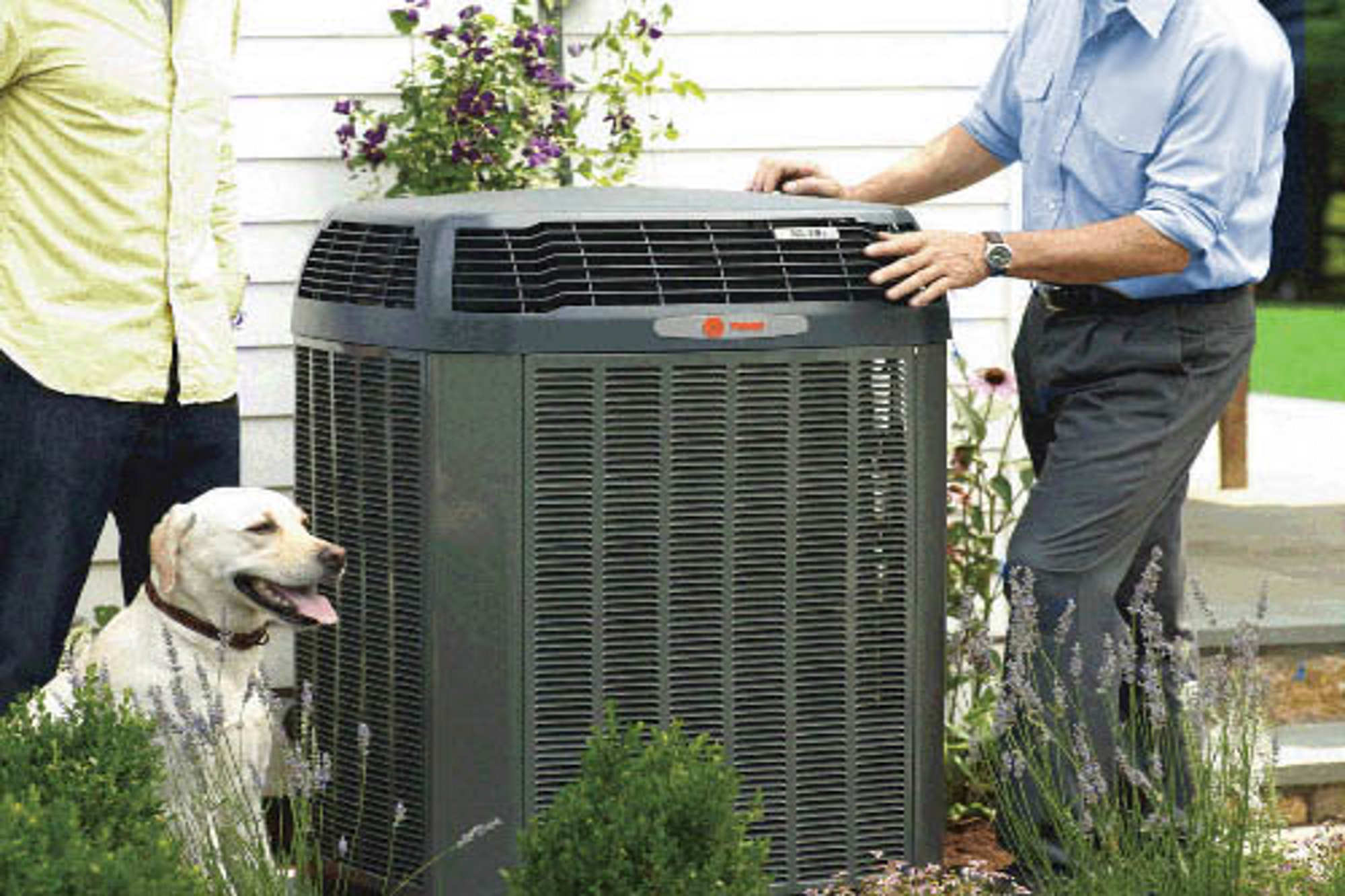
Maintaining a functional air conditioning system in Phoenix, Arizona is not merely a matter of comfort—it is a critical requirement for health and safety during extreme summer heat. Because local temperatures frequently exceed 100 degrees Fahrenheit for months at a time, HVAC systems operate under severe stress, making routine professional maintenance, prompt troubleshooting, and strategic replacement essential for homeowners across the Valley of the Sun.
Understanding the Phoenix Climate and Your HVAC System
The desert environment of Phoenix presents unique challenges for residential and commercial cooling equipment. High ambient temperatures, intense solar radiation, low humidity, and airborne dust combine to create an unforgiving operating theatre for air conditioning units.
When an air conditioner runs for sixteen to twenty hours a day during peak summer months, mechanical components experience accelerated wear and tear. Electric motors, capacitors, compressors, and fan blades endure constant thermal and mechanical loads. Furthermore, the persistent presence of fine dust and caliche particulate matter in the air means that filtration systems clog much faster than they would in more temperate climates. Without scheduled intervention, this combination of heavy runtime and environmental debris leads to reduced cooling capacity, soaring electrical bills, and catastrophic mechanical failure precisely when reliable operation is needed most.
The Impact of Extreme Heat on Mechanical Efficiency
As outdoor temperatures rise, the pressure within the refrigeration cycle of an air conditioner increases significantly. The compressor must work harder to reject heat absorbed from the home's interior into an already scorching outdoor environment. This elevated head pressure reduces the overall Coefficient of Performance (COP) and Energy Efficiency Ratio (EER) of the unit.
When coils are coated in layers of desert dust, heat transfer is severely inhibited. The system must run longer cycles to achieve the thermostat setpoint, drawing more electrical current and overheating internal components. Understanding these environmental factors highlights why routine tune-ups are not optional extras, but fundamental requirements for system longevity in Maricopa County.
Essential Types of Air Conditioner Services in Phoenix
Navigating the local HVAC market requires knowing the distinct types of service offerings available from licensed contractors. Whether you are seeking preventative upkeep, urgent repairs, or a complete system overhaul, professional intervention must match the technical needs of your equipment.
1. Preventative Maintenance and Tune-Ups
Preventative maintenance is designed to catch minor discrepancies before they escalate into major failures. In Phoenix, industry experts recommend scheduling dual annual tune-ups: a cooling-focused inspection in the spring before the intense heat arrives, and a heating-focused check in the autumn.
A comprehensive seasonal service typically includes:
- Refrigerant Level Verification: Checking pressures to ensure the system is neither undercharged nor overcharged.
- Electrical Component Testing: Measuring voltage and amperage on compressors and fan motors, and testing run capacitors for capacitance degradation.
- Coil Cleaning: Washing away accumulated dust and debris from both indoor evaporator coils and outdoor condenser coils.
- Drain Line Clearing: Flushing the condensate drain to prevent clogs, water damage, and microbial growth.
- Moving Parts Lubrication: Applying high-temperature lubricants to motor bearings where applicable.
- Thermostat Calibration: Ensuring temperature sensors read accurately and communicate correctly with the control board.
2. Diagnostic and Repair Services
When a system fails to cool, makes unusual grinding or screeching noises, or trips circuit breakers, diagnostic services are required. A certified technician uses specialized tools—such as manifold gauges, digital multimeters, and thermal imaging cameras—to isolate electrical faults, airflow restrictions, or refrigerant leaks. Common Phoenix-specific repairs include replacing burned-out contactors, swapping swollen capacitors, repairing blown fan motors, and sealing refrigerant line sets.
3. Full System Replacement and Installation
Air conditioning systems in the desert typically have a functional lifespan of 10 to 15 years due to the relentless runtime demands. When a compressor fails, or when repair costs exceed 50 percent of the value of an aging unit utilizing phased-out refrigerants like R-22, replacement becomes the most financially prudent choice. Modern installations involve sizing calculations (Manual J), ductwork evaluations (Manual D), and equipment selection (Manual S) to ensure optimal SEER2 (Seasonal Energy Efficiency Ratio 2) ratings and proper airflow distribution.
Comparing Service Options: Repair vs. Replace
Deciding whether to repair an existing air conditioning unit or invest in a new installation is one of the most significant financial choices a Phoenix homeowner faces. The decision should be guided by system age, efficiency standards, and repair history.
| Consideration | Repairing the Existing Unit | Replacing with a New System |
|---|---|---|
| Upfront Cost | Typically lower (ranging from hundreds to a low thousand dollars). | Higher capital investment, offset by long-term energy savings. |
| Energy Efficiency | Maintains older SEER ratings; prone to higher monthly utility bills during peak summer. | Features modern dual-stage or variable-speed compressors with high SEER2 ratings. |
| Warranty Coverage | Usually limited to 30 to 90 days on specific labor and parts replaced. | Comprehensive manufacturer warranties (often 10 years on parts) and contractor labor guarantees. |
| Refrigerant Type | Older units may use R-22 (Freon), which is costly and phased out; newer use R-410A or R-32. | Uses modern, environmentally compliant, and efficient refrigerants. |
| Reliability Risk | High probability of subsequent failures in other worn-out legacy components. | High reliability and peace of mind during extreme weather events. |
Key Warning Signs That Your AC Requires Immediate Attention
Waiting for an air conditioner to stop blowing cold air entirely often results in emergency service calls during the hottest days of the year, when wait times for technicians are longest. Recognizing early warning signs allows homeowners to schedule service proactively.
- Weak Airflow: If air coming out of the supply registers is sluggish, it may indicate a severely blocked air filter, a failing blower motor, or an obstruction within the ductwork.
- Biscotti or Musty Odors: Foul smells point toward mold or mildew growth inside the evaporator coil or drain pan, which thrives in humid condensate environments. Burning smells suggest electrical insulation breakdown.
- Unusual Noises: Grinding sounds indicate failing motor bearings, squealing points to a slipping belt or friction issue, and loud banging or clanking can mean loose internal components.
- Frequent Short-Cycling: If the unit turns on and off rapidly without completing a full cooling cycle, it may be oversized, low on refrigerant, or overheating due to a dirty condenser coil.
- Unexplained Spike in Electric Bills: A sudden increase in energy consumption without a corresponding change in weather or usage habits signifies declining mechanical efficiency.
Choosing a Qualified HVAC Contractor in Phoenix
Selecting a reputable service provider in the Phoenix metropolitan area requires careful vetting to protect your home and investment. Because the industry attracts seasonal operators during heatwaves, consumers should verify credentials thoroughly before signing any service agreements.
Licensing and Insurance Requirements
In Arizona, residential and commercial HVAC contractors must be licensed by the Arizona Registrar of Contractors (ROC). Homeowners can verify a contractor’s license status, bond history, and complaint record directly through the Arizona Registrar of Contractors portal. Always ensure the contractor carries active general liability insurance and workers' compensation coverage to protect against property damage or workplace injuries on your premises.
Industry Certifications and Technical Competence
Look for technicians who hold North American Technician Excellence (NATE) certification, which validates real-world working knowledge of heating, ventilation, and air conditioning systems. Additionally, technicians handling refrigerants must be certified by the Environmental Protection Agency (EPA) under Section 608 to ensure safe recovery and handling of chemical refrigerants.
Frequently Asked Questions About AC Service in Phoenix
How often should I change my air filter in Phoenix?
In the Phoenix area, air filters should be inspected monthly and replaced every 30 to 60 days. Because of high dust levels, construction projects, and constant HVAC runtime, filters load up with particulate matter much faster than national averages suggest. Neglecting filter changes restricts airflow, drops efficiency, and strains the blower motor.
What is the ideal thermostat setting during a Phoenix summer?
The U.S. Department of Energy recommends setting your thermostat to 78 degrees Fahrenheit when you are at home and awake, with higher settings when sleeping or away. However, many Phoenix residents prefer setting thermostats between 74 and 76 degrees for comfort. Balancing comfort with efficiency helps prevent excessive wear on the system during peak afternoon hours.
Why is my air conditioner freezing up when it is 115 degrees outside?
An iced-up evaporator coil is caused by restricted airflow or low refrigerant pressure, not outdoor temperatures. When airflow is blocked by a dirty filter or blocked vents, the temperature of the indoor coil drops below freezing, causing ambient moisture to turn into ice. Turning off the cooling function and running the fan can melt the ice safely before calling a technician.
Are annual maintenance agreements worth the cost?
Yes, preventative maintenance agreements typically pay for themselves by lowering monthly electrical consumption, extending equipment life, and catching minor electrical failures before they cause system breakdowns. Many local contractors also offer priority scheduling and discounted repair labor to plan members.
How do I know if my AC technician is honest about needing a major repair?
Always seek a second opinion if a technician diagnoses a catastrophic failure—such as a burned-out compressor or a major refrigerant leak—on a relatively new system. Reputable contractors will provide clear diagnostic data, show you the damaged component, and explain the root cause rather than pushing for an immediate, high-pressure replacement.
Conclusion and Next Actions
Ensuring reliable indoor climate control in Phoenix requires a proactive approach centered on bi-annual tune-ups, prompt attention to mechanical warning signs, and careful contractor selection. By understanding the unique demands that the desert environment places on your equipment, you can protect your investment and maintain a comfortable home environment. To secure your cooling system against upcoming seasonal extremes, verify your contractor's credentials with the Arizona Registrar of Contractors, replace your air filters promptly, and schedule a comprehensive professional inspection before peak summer temperatures arrive.