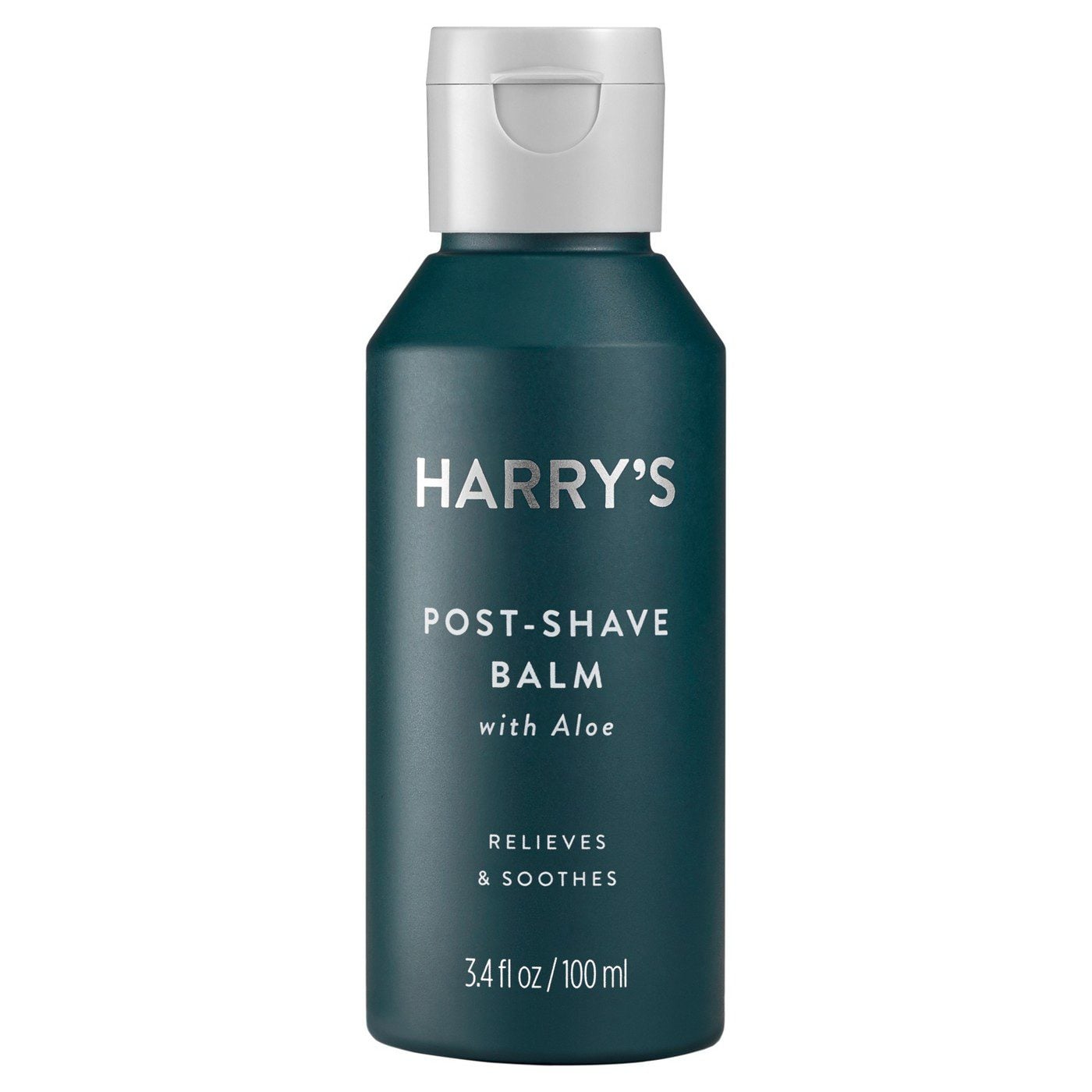
An aftershave balm is a nourishing, low-alcohol or alcohol-free emulsion formulated to soothe, hydrate, and repair the skin immediately following a shave. Unlike traditional high-alcohol splashes that sting and dry out the face, balms restore the skin's protective barrier, relieve razor burn, and calm irritation using soothing botanicals, humectants, and natural lipids.
Understanding Aftershave Balm: Formulation and Skin Mechanics
Shaving is a form of manual physical exfoliation. Every time a razor blade glides across your face, neck, or body, it does not merely sever hair follicles at the surface; it also lifts away the outermost layer of dead skin cells (stratum corneum) and removes essential natural oils (sebum). This process leaves microscopic abrasions across the skin barrier, exposing vulnerable underlying tissue to air, bacteria, and environmental pollutants.
Without post-shave intervention, this compromised skin barrier leads to transepidermal water loss (TEWL), manifest as tightness, inflammation, redness, and the localized burning sensation known as razor burn.
- Shaving Process
- Strips Stratum Corneum & Sebum
- Micro-Abrasions & TEWL
- Aftershave Balm Application
- Restores Lipid Barrier & Humectants
- Calmed, Hydrated Skin
Aftershave balm is engineered specifically to counteract this physical stress. Unlike traditional liquid splashes that rely on high concentrations of denatured alcohol to sterilize the skin, modern balms are crafted as oil-in-water or water-in-oil emulsions. They deliver targeted active ingredients directly into the compromised epidermis, accelerating cellular recovery while restoring balance to the skin's delicate acid mantle.
The primary mechanical roles of an aftershave balm include:
- Barrier Restoration: Supplying skin-identical lipids, fatty acids, and ceramide builders to patch the stripped outer barrier.
- Humectant Hydration: Drawing moisture into the upper skin layers to instantly relieve tightness and dryness.
- Anti-Inflammatory Modulation: Cooling active surface irritation and reducing vasodilation (redness) triggered by blade friction.
- Microbial Protection: Utilizing gentle, non-stinging antibacterial botanical extracts or mild preservatives to shield microscopic nicks from opportunistic surface bacteria.
Aftershave Balm vs. Splash vs. Lotion: Key Differences
Understanding the structural and chemical differences between post-shave products is essential for selecting the right formula for your routine. The grooming market features three distinct categories of post-shave treatments: balms, splashes, and lotions.
- Post-Shave Spectrum:
- Aftershave Splash (Liquid / Alcohol Base)
- Aftershave Lotion (Light Fluid Emulsion)
- Aftershave Balm (Rich Emulsion)
Aftershave Splash
Historically the standard post-shave option, splashes are thin, hydro-alcoholic liquids. Containing anywhere from 30% to over 70% denatured alcohol, their primary intent is immediate antiseptic sterilization and pore constriction. While they provide a sharp, bracing sensation, alcohol evaporates rapidly, taking the skin’s natural moisture with it. This leaves dry, sensitive, or reactive skin vulnerable to severe irritation, flaking, and excessive sebum production as the skin attempts to overcompensate for moisture loss.
Aftershave Lotion
Post-shave lotions (sometimes called fluids or gels) occupy a middle ground. They are lighter than balms but significantly more hydrating than splashes. Typically featuring a liquid-gel or thin milky texture, lotions may contain a very low percentage of alcohol alongside mild hydrating agents. They absorb rapidly without leaving residual oil, making them popular for individuals with oily or normal skin living in humid climates.
Aftershave Balm
Balms represent the most restorative class of post-shave care. Formulated with a cream-like or rich emulsion consistency, balms contain zero to minimal alcohol. Instead, they rely on a high concentration of conditioning agents, oils, and soothing compounds. Balms evaporate slowly, forming a breathable protective shield over the face that actively heals micro-cuts and maintains skin hydration for hours.
| Feature | Aftershave Balm | Aftershave Splash | Aftershave Lotion |
|---|---|---|---|
| Primary Texture | Creamy, viscous emulsion | Thin, water-like liquid | Light fluid, gel, or thin milk |
| Alcohol Content | Alcohol-free (or < 1%) | High (30% to 70%+) | Low (0% to 15%) |
| Primary Goal | Deep hydration, soothing, barrier repair | Antiseptic astringent, fragrance delivery | Light hydration, fast-absorbing refresh |
| Initial Sensation | Cooling, soothing, softening | Bracing, sharp sting | Mild cooling, quick-drying refresh |
| Finish | Dewy to matte protection | Dry, tight | Natural, lightweight |
| Ideal Skin Types | Sensitive, Dry, Normal, Reactive | Very Oily, Thick (non-sensitive) | Oily, Combination, Normal |
| Best Climate | Cold, Dry, Winter, Air-Conditioned | Hot, Highly Humid | Warm, Moderate |
Key Ingredients to Look For (and Avoid)
The performance of an aftershave balm depends directly on its underlying ingredient formulation. Knowing how to read cosmetic ingredient labels allows you to select products that actively heal your skin rather than cause secondary contact dermatitis.
Recommended Actives and Hydrators
- Aloe Vera (Aloe Barbadensis Leaf Juice): A natural anti-inflammatory agent rich in vitamins A, C, and E. Aloe acts as a primary water-binding humectant that rapidly calms epidermal burning and cools heated skin tissue.
- Allantoin: Derived from the comfrey plant, allantoin promotes cell proliferation and epithelization. It speeds up the natural healing of minor blade scrapes, softens rough skin textures, and reduces stinging sensations.
- Bisabolol: The primary active constituent of chamomile (Matricaria chamomilla). Bisabolol is a potent anti-irritant that suppresses inflammatory cytokine release, making it useful for reducing post-shave redness.
- Hyaluronic Acid & Sodium Hyaluronate: Humectants capable of holding up to 1,000 times their weight in water. They draw moisture from the ambient air into the epidermis, restoring volume and pliability to stressed skin cells.
- Niacinamide (Vitamin B3): Strengthens the natural lipid barrier by boosting ceramide synthesis. Niacinamide improves skin elasticity, evens out hyperpigmentation caused by old razor bumps, and reduces redness.
- Shea Butter (Vitellaria paradoxa) & Jojoba Oil (Simmondsia chinensis): Rich emollients packed with essential fatty acids. Jojoba oil closely mimics natural human sebum, allowing it to absorb easily, while shea butter provides a breathable protective seal against harsh external elements.
- Centella Asiatica (Cica / Tiger Grass): Rich in triterpenoids, cica speeds skin recovery, reinforces barrier resilience, and minimizes localized swelling after close shaves.
Ingredients to Avoid or Limit
- High Denatured Alcohol (Alcohol Denat. / Ethanol / Isopropyl Alcohol): When listed near the top of an ingredient deck, denatured alcohol strips intercellular lipids, destroys the moisture barrier, and accelerates premature skin aging.
- Synthetic Fragrance (Parfum): High concentrations of synthetic fragrance compounds are among the leading triggers of allergic contact dermatitis. If you have sensitive skin or razor burn, artificial fragrances can worsen itching and burning.
- Comedogenic Heavy Oils (e.g., Coconut Oil, Wheat Germ Oil): While natural, highly comedogenic oils can clog freshly shaved, exposed hair follicles, leading to folliculitis, trapped sebum, and breakouts.
- Excessive Essential Oils (e.g., Menthol, Eucalyptus, Citrus Oils): While small amounts provide a cooling aroma, high concentrations of volatile plant oils can irritate freshly exfoliated skin, causing secondary inflammation beneath the surface.
Choosing the Right Aftershave Balm for Your Skin Type
Every individual's skin responds differently to blade friction and cosmetic formulations. Matching your aftershave balm to your specific skin profile yields the best long-term skin health.
- Skin Type Matrix:
- Sensitive: Fragrance-free, High Bisabolol
- Dry / Aging: Rich occlusives, Peptides, Ceramides
- Oily / Acne: Lightweight gel, Niacinamide
- Combination: Balanced lotion, Hyaluronic acid
1. Sensitive and Reactive Skin
If your skin immediately flares up with red splotches, hot spots, or prolonged burning after shaving, prioritize ultra-gentle formulations.
- Look for: Fragrance-free formulas labeled hypo-allergenic, containing high doses of colloidal oatmeal, bisabolol, allantoin, and cica.
- Avoid: Added perfume, menthol, essential oils, and any alcohol traces.
2. Dry or Aging Skin
Shaving removes the lipids that dry skin lacks. Mature skin also experiences slower cellular turnover and lower natural moisture retention, making post-shave hydration essential.
- Look for: Thick, lipid-replenishing balms featuring shea butter, squalane, ceramides, peptides, and sodium hyaluronate to plump fine lines and seal in moisture.
- Avoid: Lightweight, watery fluids that evaporate quickly without leaving a protective lipid layer.
3. Oily and Acne-Prone Skin
Shaving oily skin can easily trap bacteria inside open follicles if heavy products are applied afterward. However, skipping hydration completely causes the skin to overproduce oil.
- Look for: Oil-free, non-comedogenic balm-gels or fluid emulsions. Key ingredients include niacinamide, witch hazel extract (alcohol-free distillation), and zinc PCA to balance oil production.
- Avoid: Heavy plant butter bases (like cocoa butter or coconut oil) and thick occlusive waxes.
4. Combination Skin
Combination skin typically presents an oily T-zone (forehead and nose) paired with dry or sensitive cheeks and upper neck areas where shaving occurs.
- Look for: Fast-absorbing, medium-weight balms with balanced humectant-to-emollient ratios, such as formulas utilizing jojoba oil, aloe vera, and light plant-derived squalane.
How to Apply Aftershave Balm Correctly: Step-by-Step
Applying aftershave balm correctly maximizes its protective benefits and prevents pore blockage or product pilling. Follow this detailed sequence immediately after completing your shave routine:
- Step 1: Cold Water Rinse
- Step 2: Gently Pat Dry
- Step 3: Dose Balm (Dime-size)
- Step 4: Spread in Palms
- Step 5: Press into Skin
- Step 6: Apply Daily SPF
Step 1: Cold Water Rinse
Once your shave is finished and all shaving cream residue has been rinsed away with warm water, splash your face thoroughly with cool or cold water. Cold water lowers the localized skin temperature, calms micro-inflammation, and causes surface blood vessels to constrict slightly, reducing minor redness and closing microscopic nicks.
Step 2: Gently Pat Dry
Do not rub your face aggressively with a rough bath towel. Aggressive rubbing across freshly shaved skin re-traumatizes the raw epidermis. Gently pat your skin dry with a clean, soft hand towel, leaving the face slightly damp. Applying balm to slightly damp skin allows humectants to bind and trap moisture directly inside the upper epidermal layers.
Step 3: Dose the Correct Amount
Dispense a small amount of aftershave balm onto the palm of your hand. For most individuals, a pea-sized to nickel-sized portion (approximately 1 to 2 milliliters) is sufficient to cover the entire lower face and neck. Using too much product can saturate the skin's surface, leading to a greasy feel and potential pore congestion.
Step 4: Warm and Distribute
Rub your palms together for two to three seconds. This warms the emulsion to your body temperature, lowering the balm’s viscosity and allowing it to spread evenly across your hands without pulling on your skin during application.
Step 5: Apply with Gentle Pressing Motions
Gently press and pat the balm into the shaved areas—cheeks, jawline, chin, and neck—using the flats of your hands. Avoid aggressive circular rubbing, which can drag sensitive hair follicles in opposing directions. Work in the direction of your hair growth, ensuring smooth, uniform coverage across all exposed areas.
Step 6: Follow with Sun Protection (Daytime Routine)
While high-quality aftershave balms provide exceptional moisture, most do not contain broad-spectrum sun protection. If you shave in the morning, allow your balm to absorb completely for 60 to 90 seconds, then apply a broad-spectrum sunscreen with SPF 30 or higher. Freshly exfoliated skin is particularly sensitive to ultraviolet (UV) damage and hyperpigmentation.
Preventing Razor Burn and Ingrown Hairs
While aftershave balm plays a pivotal role in recovery, it functions best as part of an integrated, skin-conscious grooming routine. Combining targeted post-shave balm application with proper pre-shave techniques reduces chronic razor bumps (pseudofolliculitis barbae) and blade burn.
Dermatological Pathophysiology of Razor Bumps
Razor bumps occur when a severed hair shaft—cut at a sharp angle by a blade—curls backward and penetrates the surrounding follicle wall or adjacent skin tissue during regrowth. The body treats the trapped hair shaft as a foreign invader, initiating a localized inflammatory cascade that results in red, painful papules or pustules.
- Sharply Cut Hair Shaft
- Curls Backward into Follicle Wall
- Foreign Body Response
- Inflammatory Papule (Razor Bump)
The Role of Aftershave Balm in Prevention
Balm helps prevent this process by keeping the outer skin layer soft and pliable. When the stratum corneum is dry and hard, newly emerging hair shafts cannot break through the surface smoothly, forcing them to curl underneath. By maintaining optimal skin hydration and elasticity, aftershave balm provides a clear path for hair growth.
For maximum protection against post-shave skin issues:
- Integrate Salicylic Acid (BHA): If you are prone to persistent ingrown hairs, choose an aftershave balm featuring low doses (0.5% to 1%) of salicylic acid, or apply a gentle BHA liquid toner prior to your balm. Salicylic acid is oil-soluble, penetrating deep into the pore lining to dissolve dead skin cells and clear trapped oil.
- Avoid Extremely Close Multi-Blade Shaves: Multi-blade cartridges use a "hysteresis" mechanism (the first blade pulls the hair up, and subsequent blades cut it below the skin line). Cutting hair beneath the skin surface drastically increases the occurrence of ingrown hairs. Opting for a single-blade safety razor minimizes this issue.
- Never Shave Against the Grain on Sensitive Areas: Shaving directly against the growth pattern of your hair bends the follicle opening, increasing micro-tears. Always complete your primary pass with the grain (in the direction hair naturally grows).
Frequently Asked Questions
Can aftershave balm be used as a general daily facial moisturizer?
Yes. High-quality aftershave balms contain hydrating humectants, soothing botanicals, and barrier-repairing emollients similar to lightweight facial creams. If your balm is alcohol-free and suits your skin type, you can safely apply it across your entire face—including non-shaved areas like your forehead—as a general morning or evening moisturizer.
Does aftershave balm stop bleeding from shaving nicks?
No, aftershave balm is designed for general hydration and soothing rather than micro-vascular constriction. To stop bleeding from minor cuts, use an astringent styptic pencil or an alum block composed of potassium alum. These compounds contract local capillaries and coagulate proteins instantly to seal small nicks. Apply the styptic pencil or alum block first, rinse with cold water, and finish with your aftershave balm.
Should I use aftershave balm after electric shaving?
Yes. Electric shavers do not cut hair as cleanly as double-edge razor blades, but their high-speed foil or rotary heads generate friction, warmth, and surface abrasion against the skin. Applying a lightweight aftershave balm post-electric shave replenishes moisture lost to friction and cools heat-induced redness.
Can women use aftershave balm after body shaving?
Absolutly. The physiological mechanics of skin irritation are identical across all genders and body areas. Applying an alcohol-free aftershave balm to the legs, underarms, or bikini area after shaving helps calm razor irritation, rehydrates broad skin surfaces, and significantly reduces painful ingrown hairs.
How long does an opened bottle of aftershave balm remain effective?
Most commercial aftershave balms have a Period After Opening (PAO) lifespan of 12 to 24 months, indicated by a small open-jar symbol on the packaging. Over time, active plant extracts, lipids, and vitamins degrade, while exposure to air and finger contamination can introduce bacteria. If your balm changes color, develops a sour odor, or separates permanently into distinct liquid phases, replace it.
Practical Recommendation and Next Actions
To build a reliable post-shave recovery routine, select a formula built around your specific skin concerns rather than branding or scent alone.
- Audit Your Current Products: Check your current post-shave bottle for drying ingredients like Alcohol Denat., Isopropyl Alcohol, or high Parfum concentrations. If present near the top of the label, consider switching to an alcohol-free formula.
- Perform a Patch Test: When trying a new aftershave balm, apply a dime-sized amount to the inside of your forearm or side of your upper neck 24 hours before shaving with it. Monitor the area for any sign of itchiness, localized redness, or hives.
- Refine Your Sequence: Incorporate the cold-water rinse, gentle towel-patting, and palm-warming pressing techniques into your next shave. Consistency in gentle handling preserves skin integrity as effectively as the ingredients you apply.
- Pair with Daily UV Defense: Protect freshly shaved skin from post-inflammatory hyperpigmentation and sun damage by following morning balm applications with a broad-spectrum SPF 30+ sunscreen.
For further clinical guidance on maintaining epidermal health during manual exfoliation, consult the American Academy of Dermatology Association guidelines on skin maintenance and proper shaving practices.