Investing in common stocks offers high growth potential, liquidity, and ownership stakes in corporations, making it a primary engine for long-term wealth. Conversely, using life insurance as an investment often results in high fees, restricted access to capital, and lower net returns due to the inherent costs of mortality coverage and administrative overhead.
The Strategic Role of Common Stocks in Wealth Accumulation
Common stocks represent fractional ownership in a corporation. As the company grows, increases its earnings, and expands its market share, the value of that ownership stake typically rises. In the financial landscape of 2026, equities remain the cornerstone of most successful retirement and brokerage accounts due to several distinct advantages that are difficult to replicate in other asset classes.
Capital Appreciation and Long-Term Growth
The most significant advantage of common stocks is their historical ability to outperform inflation and other asset classes over long horizons. Capital appreciation occurs when the market price of a stock increases above the purchase price. Unlike fixed-income instruments, there is no theoretical ceiling on how high a stock's price can go. For investors with a 10-to-30-year time horizon, the compounding effect of stock price growth is the most reliable way to build a substantial "nest egg."
The growth is driven by the underlying company's ability to innovate, optimize operations, and capture new markets. When an investor buys a broad market index or a selection of high-quality individual stocks, they are essentially betting on the collective ingenuity and productivity of the global economy.
Dividend Income and the Power of Compounding
Beyond price appreciation, many common stocks pay dividends—a portion of the company’s profits distributed to shareholders. In 2026, dividend-paying stocks continue to be favored by investors seeking a "total return" strategy. When these dividends are reinvested to purchase more shares, the investor benefits from exponential growth.
Dividends also act as a cushion during market volatility. Even if the stock price remains stagnant or dips slightly, the cash flow from dividends provides a tangible return on investment. Historically, a significant portion of the S&P 500’s total return has come from reinvested dividends rather than price action alone.
Liquidity and Market Accessibility
Common stocks are highly liquid assets. They are traded on major exchanges like the New York Stock Exchange (NYSE) or NASDAQ, meaning they can be converted to cash almost instantaneously during market hours. This liquidity provides investors with flexibility. If an emergency arises or a better investment opportunity appears, an investor can exit their position with a few clicks. This stands in stark contrast to real estate or certain insurance products where accessing the full value of the asset can take weeks, months, or involve heavy penalties.
Hedge Against Inflation
Stocks are a natural hedge against inflation because corporations can often pass rising costs on to consumers through higher prices. As the prices of goods and services rise, company revenues and earnings frequently follow suit, which eventually pushes the stock price higher. While cash and bonds may lose purchasing power in an inflationary environment, a well-diversified portfolio of common stocks tends to preserve and increase real wealth over time.
The Hidden Disadvantages of Life Insurance as an Investment
While life insurance is a critical risk-management tool, it is frequently marketed as a "Swiss Army knife" for financial planning—combining death benefits with a savings or investment component. However, when compared to direct investment in common stocks, permanent life insurance (such as Whole Life, Universal Life, or Variable Universal Life) carries significant drawbacks that can hinder wealth accumulation.
High Fee Structures and Commission Loads
One of the most glaring disadvantages of using life insurance as an investment is the front-loaded fee structure. In the early years of a policy, a massive portion of the premium goes toward agent commissions, administrative fees, and "surrender charges" rather than the cash value. It is not uncommon for a policy to have zero or negative returns for the first five to ten years.
In contrast, investing in common stocks through a low-cost brokerage or a diversified Exchange-Traded Fund (ETF) involves minimal fees. In 2026, many platforms offer commission-free trading, ensuring that nearly 100% of the investor's capital is put to work immediately.
The Cost of Insurance (Mortality Charges)
A permanent life insurance policy must, by definition, provide a death benefit. This coverage is not free. The "Cost of Insurance" (COI) or mortality charge is deducted from the cash value every month. As the policyholder gets older, the risk of death increases, and the COI rises. These rising costs can act as a significant drag on the growth of the cash value, especially in later years. Investors who do not actually need the death benefit—such as those with no dependents or those who are already "self-insured" through their assets—are paying for a service that provides them no utility, thereby reducing their net investment performance.
Surrender Charges and Lack of Liquidity
Life insurance is notoriously illiquid. Most permanent policies include a surrender charge period that can last 10 to 15 years. If the policyholder decides the product no longer fits their needs and wants to withdraw their money, the insurance company deducts a substantial penalty. This makes life insurance a rigid and unforgiving vehicle for anyone who might need to pivot their financial strategy. Common stocks, as noted, offer daily liquidity without such predatory exit fees.
Complexity and Lack of Transparency
Insurance contracts are dense legal documents that are often difficult for the average consumer to decipher. The internal rate of return (IRR) on a policy is rarely disclosed clearly. Instead, agents often show "illustrations" based on non-guaranteed dividend scales or optimistic market projections. These illustrations are not guarantees and often fail to materialize in reality. Common stocks are far more transparent; an investor knows exactly what they paid, what the current market price is, and exactly what fees (if any) they are paying to a broker or fund manager.
Comparative Analysis: Stocks vs. Cash-Value Life Insurance
The following table summarizes the key differences between these two vehicles from an investment perspective in the current 2026 financial environment.
| Feature | Common Stocks / ETFs | Permanent Life Insurance |
|---|---|---|
| Primary Goal | Wealth accumulation and growth | Death benefit with secondary savings |
| Average Long-term Return | Historically 7-10% (nominal) | Historically 2-5% (net of fees) |
| Liquidity | High (T+1 settlement) | Low (Surrender charges apply for years) |
| Fees & Expenses | Low to zero (Expense ratios <0.10%) | High (Commissions, COI, Admin fees) |
| Tax Treatment | Capital gains (lower rates), Tax-loss harvesting | Tax-deferred growth; loans are tax-free but reduce death benefit |
| Transparency | High (Publicly quoted prices) | Low (Complex internal illustrations) |
| Risk | Market volatility | Policy lapse risk and company solvency |
The Opportunity Cost: Why "Buy Term and Invest the Difference" Still Wins
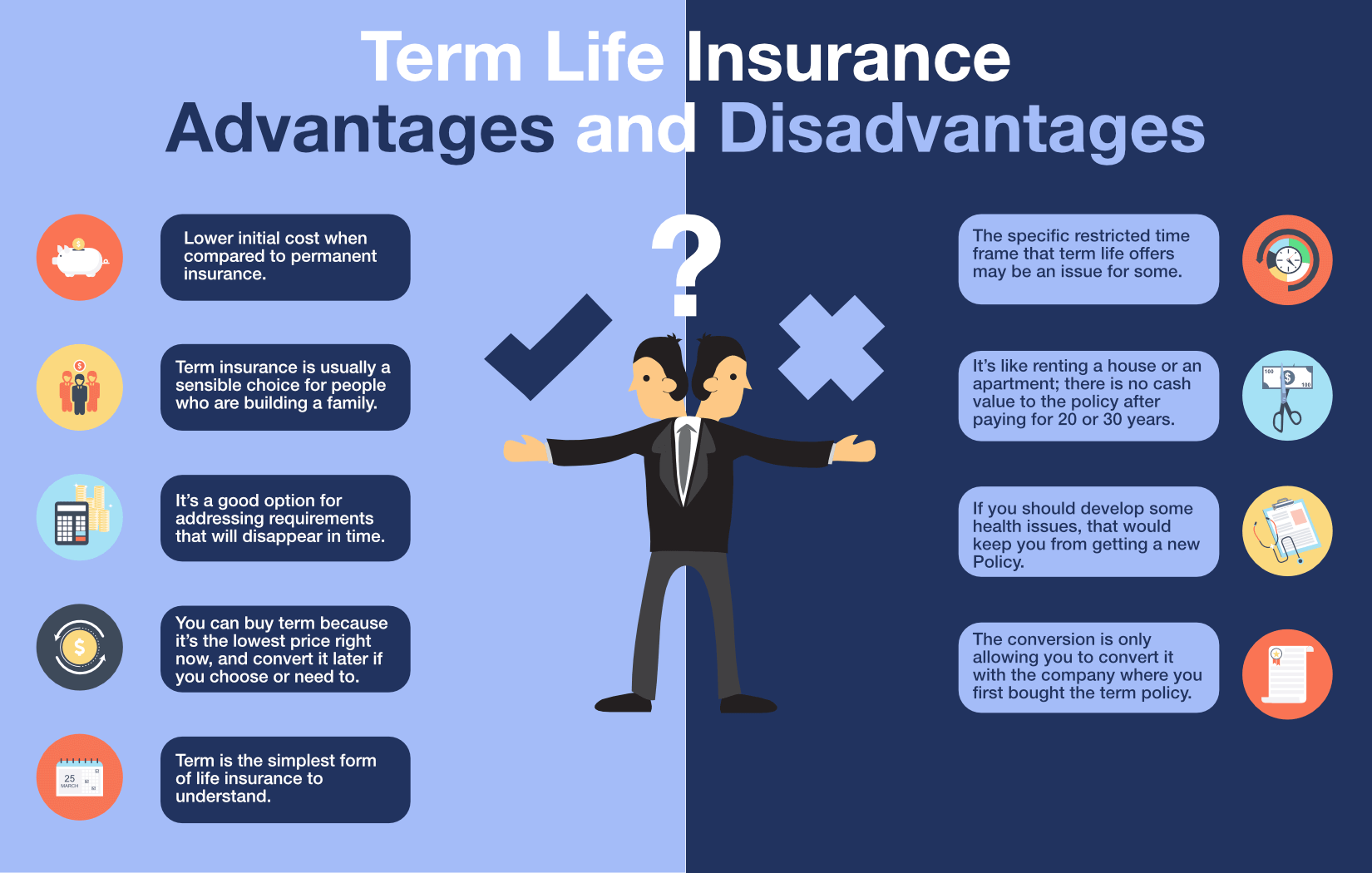
A common strategy recommended by financial experts is "Buy Term and Invest the Difference" (BTID). This involves purchasing a low-cost term life insurance policy—which provides a high death benefit for a specific period (e.g., 20 or 30 years)—and investing the money saved (the "difference" in premiums compared to a permanent policy) directly into common stocks or stock indices.
The opportunity cost of choosing a permanent life insurance policy over common stocks is often measured in hundreds of thousands of dollars over a lifetime. Because stocks have a higher expected rate of return and lower internal friction (fees), the "difference" invested in the market typically grows into a sum far exceeding the cash value of an insurance policy.
Furthermore, the BTID strategy allows for greater flexibility. If an investor falls on hard times, they can stop contributing to their brokerage account without losing their insurance coverage (provided the term premium is paid). With a permanent policy, failing to pay the high premiums can lead to the policy lapsing, resulting in the loss of both the insurance and the accumulated cash value.
When Life Insurance Fails the Investor
It is important to recognize that life insurance is an expense, not an investment. Its failure as an investment vehicle usually stems from misaligned expectations.
- Inflation Erosion: Because the growth in many whole life policies is relatively fixed or capped, high inflation can erode the real value of the death benefit and the cash value over several decades.
- Tax Complications: While loans against a policy are often marketed as "tax-free income," they carry interest rates. If the policy lapses or is surrendered while a loan is outstanding, the policyholder may face a significant "tax bomb" as the forgiven loan is treated as ordinary income.
- The "Net" Death Benefit Trap: In many traditional policies, the insurance company keeps the cash value when the insured dies, paying out only the face value of the death benefit. The investor essentially spent years building up a savings account that the insurer eventually absorbs.
For those interested in the legal and tax frameworks governing these products, the Internal Revenue Service (IRS) provides guidelines on how life insurance must be structured to maintain its tax-advantaged status under IRC Section 7702, a crucial area of study for high-net-worth individuals.
Frequently Asked Questions
Is it ever better to invest in life insurance than stocks?
Life insurance is rarely "better" as a pure investment, but it serves specific niches. For very high-net-worth individuals, certain private placement life insurance (PPLI) structures can offer tax advantages for estate planning that stocks in a taxable account do not. However, for 99% of investors, the growth and liquidity of common stocks make them the superior choice for wealth building.
Can I lose more money in stocks than in life insurance?
In the short term, yes. Common stocks are subject to market volatility, and prices can drop significantly in a single year. Life insurance cash values are generally more stable and often have a "floor" or guaranteed minimum interest rate. However, the "safety" of life insurance comes at the cost of significantly lower long-term returns and the risk of the policy lapsing if premiums become unaffordable.
What are the tax advantages of common stocks?
Common stocks held for more than a year qualify for long-term capital gains tax rates, which are typically lower than ordinary income tax rates. Additionally, investors can use "tax-loss harvesting" to offset gains with losses, a strategy not available within an insurance policy. Qualified dividends also receive preferential tax treatment.
Why do financial advisors promote life insurance as an investment?
In many cases, the high commissions associated with permanent life insurance products provide a strong incentive for insurance agents (who may call themselves "financial planners") to promote these products. It is essential to distinguish between a "fiduciary" advisor, who is legally obligated to act in your best interest, and a commissioned salesperson.
Does "Infinite Banking" using life insurance actually work?
Infinite Banking is a strategy that involves borrowing against the cash value of a life insurance policy to finance large purchases. While the mechanics exist, the "math" often shows that the interest paid to the insurance company and the lost opportunity cost of not having that money in the stock market make it less efficient than it appears in sales presentations.
Practical Recommendations
For most individuals in 2026, the clearest path to financial independence involves a disciplined approach to the equity markets. Start by maximizing contributions to tax-advantaged accounts such as 401(k)s or IRAs, focusing on low-cost, broad-market index funds that provide exposure to a wide array of common stocks. This ensures diversification and keeps expenses to a minimum.
If you have a need for life insurance—such as a mortgage, young children, or a non-working spouse—purchase a term life insurance policy. This provides the necessary protection at a fraction of the cost of permanent insurance. Take the savings from the lower premiums and invest them systematically into the stock market. This "unbundled" approach provides superior growth, better liquidity, and greater control over your financial future.
Note: This article is provided for informational purposes only and does not constitute legal, tax, or financial advice. Always consult with a qualified professional regarding your specific situation.