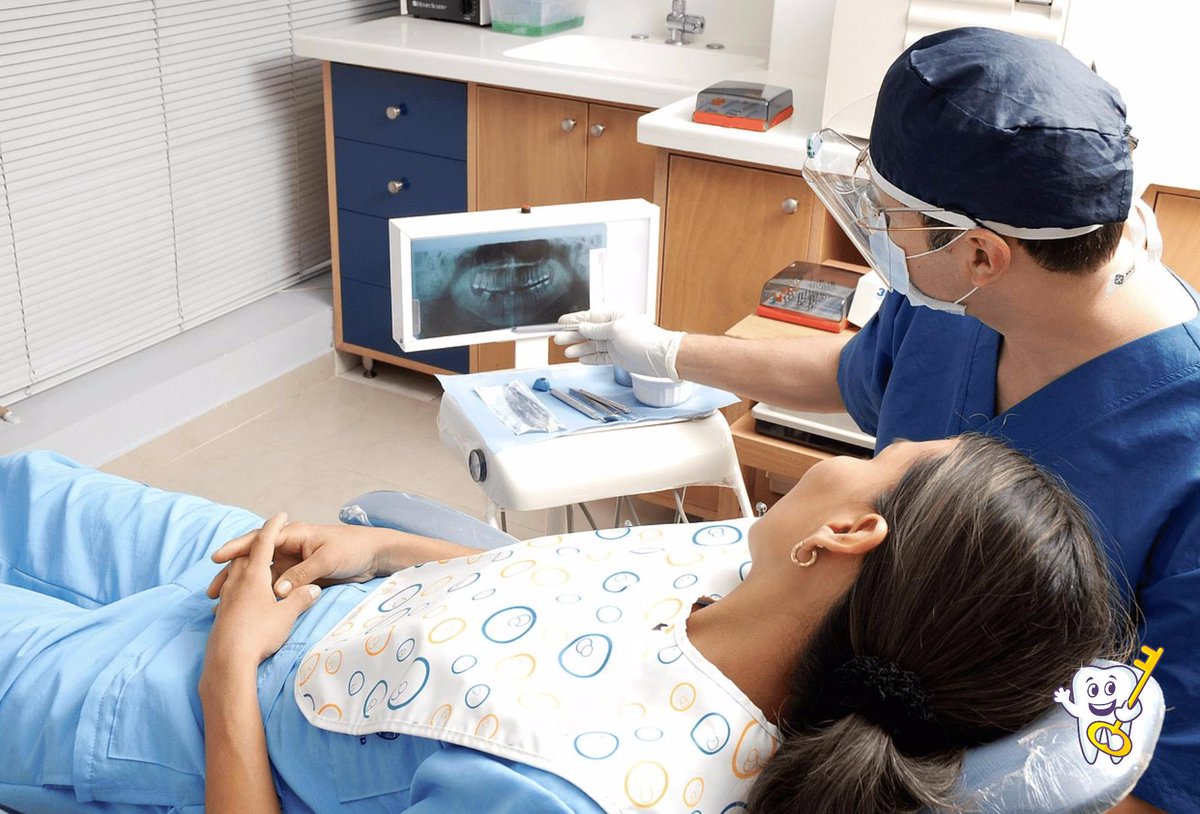
Accessing family dental care requires matching your family's oral health needs with the appropriate payment structure and healthcare setting—ranging from private dental insurance and Medicaid or the Children’s Health Insurance Program (CHIP) to Federally Qualified Health Centers (FQHCs) and university dental clinics. By evaluating local care models, financial assistance options, and preventive care schedules, families can secure consistent oral healthcare across all stages of life.
Disclaimer: This guide is provided for educational and informational purposes only and does not constitute professional medical, legal, or financial advice. For specific clinical diagnoses or treatment plans, consult a licensed dental healthcare professional.
The Importance of Comprehensive Family Dental Care
Family dental care encompasses preventive, diagnostic, restorative, and emergency oral health services designed for patients of all ages, from infants receiving their first primary tooth to older adults managing complex restorative work. Maintaining continuous dental care under a unified family practice—or within an accessible community health network—ensures that oral health issues are identified before requiring invasive and costly interventions.
Oral health is deeply connected to systemic health. Periodontal disease, for instance, has documented links to cardiovascular disease, diabetes management complications, and adverse pregnancy outcomes. Furthermore, pediatric dental caries (tooth decay) remains one of the most prevalent chronic childhood diseases, leading to missed school days, impaired speech development, and pain if left untreated.
A comprehensive approach to family dental care typically integrates several distinct categories of service:
- Preventive Services: Professional prophylaxis (cleanings), routine oral examinations, digital radiographs (X-rays), topical fluoride applications, and dental sealants to prevent decay in pediatric molars.
- Restorative Services: Composite fillings, crowns, root canal therapy, and bridges designed to repair damaged teeth and maintain proper bite alignment.
- Pediatric-Specific Care: Monitoring jaw growth, early orthodontic evaluations, habit counseling (such as thumb sucking), and spatial maintenance for early loss of primary teeth.
- Periodontal Care: Scaling and root planing (deep cleanings) alongside ongoing maintenance for gum disease.
- Emergency Interventions: Urgent management of dental trauma, severe toothaches, abscesses, and broken restorations.
Primary Pathways to Access Family Dental Care
Securing reliable oral healthcare depends heavily on your financial circumstances, geographic location, and insurance status. Below are the primary pathways available to families seeking high-quality dental services.
- Pathways to Family Dental Care
- Private / Group Dental Plans
- Medicaid / CHIP Assistance
- FQHCs & Community Health Centers
- Dental Schools & Savings Networks
1. Private and Employer-Sponsored Dental Insurance
For many families, commercial dental insurance obtained through an employer or purchased via individual state health insurance exchanges serves as the primary gateway to care. Standard private plans typically operate on a Preferred Provider Organization (PPO) or Dental Health Maintenance Organization (DHMO) model.
- PPO Plans: Offer the flexibility to see any licensed dentist, though out-of-pocket costs are significantly reduced when using in-network providers who have agreed to negotiated fee schedules.
- DHMO Plans: Require patients to select a primary care dentist from a specific network who coordinates all care. These plans usually feature lower monthly premiums and minimal copayments but offer no out-of-network coverage except in emergencies.
Most commercial plans follow a traditional 100-80-50 coverage structure: 100% of preventive services are covered, 80% of basic restorative procedures (like simple fillings and tooth extractions) are covered, and 50% of major restorative treatments (such as crowns, bridges, and dentures) are covered. Patients are typically subject to annual maximums (often ranging from $1,000 to $2,500 per covered individual per year) and small annual deductibles.
2. Public Programs: Medicaid and CHIP
Government assistance programs play a vital role in providing access to dental care for low-income families, children, pregnant individuals, and adults with disabilities.
- Medicaid for Children: Under federal law, the Early and Periodic Screening, Diagnostic, and Treatment (EPSDT) benefit mandates that states provide comprehensive dental services to all Medicaid beneficiaries under the age of 21. This includes preventive care, pain relief, tooth restoration, and medically necessary orthodontia.
- Medicaid for Adults: Unlike pediatric benefits, adult dental coverage under Medicaid is optional for individual states to determine. Some states offer comprehensive adult dental benefits, while others restrict coverage to emergency treatments (such as extractions) or offer no adult dental benefits at all.
- Children’s Health Insurance Program (CHIP): CHIP provides dental coverage to uninsured children in families whose income is too high to qualify for standard Medicaid but too low to afford private coverage. Dental benefits provided under CHIP generally match the comprehensive standards set by EPSDT.
To explore specific Medicaid or CHIP eligibility guidelines and participating providers, families should consult their state’s official Medicaid office or the federal resource portal at Medicaid.gov.
3. Federally Qualified Health Centers (FQHCs) and Community Clinics
For families without dental insurance or those who do not qualify for Medicaid, Federally Qualified Health Centers (FQHCs) represent a critical healthcare safety net. Funded under Section 330 of the Public Health Service Act, FQHCs are community-based healthcare providers that receive federal funding to deliver comprehensive primary and preventive care in medically underserved areas.
Key aspects of accessing care at an FQHC include:
- Sliding-Fee Scales: FQHCs are required by law to offer services on a sliding-fee scale based on the household's income relative to the Federal Poverty Guidelines (FPG). Patients with incomes at or below 100% of the FPG pay a nominal fee, while those between 101% and 200% of the FPG receive discounted rates.
- Comprehensive Services: Many FQHC facilities feature integrated dental suites offering cleanings, fillings, extractions, basic root canals, and emergency care alongside general medical services.
- No Refusal of Service: FQHCs cannot deny care to an individual based on their inability to pay.
To locate an FQHC with dental services in your region, use the official search tool provided by the Health Resources and Services Administration at HRSA Find a Health Center.
4. Dental School Clinics and Hygiene Programs
University dental schools and allied dental hygiene programs offer another valuable avenue for low-cost, high-quality family dental care.
- Commission on Dental Accreditation (CODA) Programs: Dental schools accredited by CODA train dental students and post-doctoral residents. Treatments are provided directly by students under the close, step-by-step supervision of licensed, experienced faculty dentists. Because these appointments double as educational sessions, visits take longer than in private practice, but the cost of treatment is typically 30% to 70% lower than standard private fees.
- Dental Hygiene Schools: Local community colleges and universities with accredited dental hygiene programs frequently offer low-cost preventive care—including cleanings, dental X-rays, and topical sealants—performed by hygiene students under faculty supervision.
5. Dental Savings Plans and In-House Membership Models
For uninsured families who prefer private dental offices rather than community clinics, alternative payment models can reduce financial friction.
- Dental Savings Plans (Discount Networks): These are non-insurance membership programs where individuals or families pay an annual fee to gain access to a network of participating dentists who have agreed to provide services at reduced rates according to a published fee schedule. There are no claims forms, waiting periods, or annual maximum limits.
- In-House Practice Memberships: Many private family dental practices offer custom annual plans directly to uninsured patients. For an upfront annual fee, the practice provides routine preventive care (typically two exams, cleanings, and yearly X-rays) at no extra charge, alongside a flat discount (usually 10% to 20%) on all other treatments performed at their clinic.
Comparing Family Dental Care Pathways
The following comparison table outlines the primary pathways to help families evaluate which care model aligns best with their budget, eligibility, and service requirements.
| Pathway / Care Model | Target Group | Typical Cost Structure | Scope of Services | Availability & Waiting Times |
|---|---|---|---|---|
| Private Insurance (PPO/DHMO) | Employed individuals; families buying marketplace plans. | Monthly premiums; copays/coinsurance; annual deductibles and maximum limits. | Comprehensive (Preventive, Restorative, Endodontic, Orthodontic). | High availability; immediate appointments for network clinics. |
| Medicaid & CHIP | Low-income families, children, pregnant women, eligible adults. | Low to zero out-of-pocket costs; subsidized by federal/state funds. | Comprehensive for pediatric; variable (basic to emergency) for adults. | Moderate availability; depends on local participating provider density. |
| FQHCs & Community Clinics | Uninsured, underinsured, and medically underserved populations. | Sliding-fee scale based on income relative to Federal Poverty Guidelines. | Essential care: Preventive, simple restorative, extractions, emergency care. | Moderate to long wait times for non-urgent preventive appointments. |
| Dental School Clinics | Open to the public; budget-conscious individuals and families. | 30% to 70% lower than standard private practice fees. | Comprehensive, including complex specialty care (prosthodontics, periodontics). | Longer appointment durations; potential waiting lists for intake exams. |
| Dental Savings Plans | Uninsured families seeking private practice care without insurance. | Fixed annual membership fee; pre-negotiated discounted fee schedule. | Dependent on participating provider; typically covers all standard procedures. | Immediate access upon plan activation; standard private practice scheduling. |
Step-by-Step Guide to Securing Family Dental Care
Establishing ongoing care for your household involves a systematic selection process. Follow these five steps to find and finalize an appropriate dental home.
- Step 1: Assess Family Needs & Specific Oral Health Priorities
- Step 2: Determine Budget, Insurance Eligibility, or Subsidy
- Step 3: Search, Screen, and Verify Local Dental Providers
- Step 4: Confirm Logistics, Accessibility, & Pediatric Services
- Step 5: Schedule Initial Comprehensive Exams & Preventive Care
Step 1: Assess Family Needs and Priorities
Identify the specific oral health requirements of each family member. Consider whether any family member requires specialized care, such as:
- Pediatric specialty care for infants or toddlers.
- Orthodontic evaluations for teenagers.
- Periodontal maintenance or prosthetics (bridges/dentures) for older adults.
- Accommodations for individuals with special healthcare needs or dental anxiety.
Step 2: Determine Your Coverage and Budget Status
Review your financial capacity and insurance standing:
- If insured, log into your insurer's portal to download the current provider directory and verify your plan's exact deductible, coinsurance rates, and annual maximums.
- If low-income or uninsured, check your state’s Medicaid/CHIP income thresholds or prepare household income documentation (such as recent tax returns or pay stubs) to apply for sliding-fee services at a local FQHC.
Step 3: Search and Verify Local Dental Providers
Utilize reputable directories to build a list of prospective providers:
- Use the American Dental Association (ADA) Find-a-Dentist tool to find licensed dentists in your area who adhere to the ADA Code of Ethics.
- Cross-reference candidate dentists with state licensing boards to verify that their licenses are active and free of severe disciplinary actions.
- Verify that candidate practices accept your specific insurance plan or offer formal financial options (such as sliding scales or internal savings plans).
Step 4: Evaluate Practice Logistics and Accessibility
A convenient practice location and family-friendly environment improve long-term attendance consistency. Evaluate:
- Location and Hours: Is the office accessible to your home, workplace, or children's school? Do they offer evening or weekend appointments?
- Family Scheduling: Does the office allow block scheduling, where multiple family members can be seen during the same visit block?
- Emergency Protocols: How does the clinic handle after-hours dental emergencies?
Step 5: Schedule Initial Examinations and Establish Preventive Care
Book introductory comprehensive exams for family members. The initial visit should include:
- A thorough review of medical and dental history.
- A complete extraoral and intraoral examination, including soft-tissue oral cancer screening.
- Diagnostic digital X-rays (as clinically indicated).
- A periodontal assessment to check gum health.
- The creation of a long-term preventive and treatment plan, complete with clear cost estimates prior to initiating non-urgent restorative work.
Overcoming Barriers to Dental Access
Despite the available pathways, many families encounter structural barriers when attempting to access regular care. Understanding how to navigate these challenges ensures continuous oral health management.
Geographic and Transportation Constraints
In rural or remote areas, access to brick-and-mortar dental offices can be limited. Families facing geographic barriers can explore:
- Mobile Dental Clinics: Non-profit organizations and county health departments frequently operate mobile dental vans that visit rural schools, community centers, and churches to offer basic preventive care and sealants.
- Teledentistry Services: Many modern networks offer virtual consultations. While teledentistry cannot replace physical cleanings or restorations, it provides initial triage, visual evaluations, prescription management for infections, and emergency guidance without requiring immediate travel.
Managing Dental Anxiety and Special Needs
Fear of dental procedures is a primary reason individuals avoid care. When seeking a practice for anxious family members or individuals with special physical or cognitive needs:
- Look for practices offering behavioral guidance techniques, tell-show-do methods for pediatric patients, or nitrous oxide (laughing gas) for nervous adults.
- Confirm that the facility is fully wheelchair-accessible and compliant with the Americans with Disabilities Act (ADA) standards.
Language and Cultural Considerations
Effective patient-provider communication is essential for informed consent and quality care. Federally funded centers (like FQHCs) are required under Title VI of the Civil Rights Act to provide language access services, including professional medical interpreters and translated patient materials, at no cost to limited-English-proficient (LEP) patients.
Financial Tools and Assistance Strategies
When out-of-pocket expenses remain a concern, families can utilize several financial mechanisms to reduce the immediate burden of care.
- Financial Assistance Toolkit
- Pre-Tax Health Accounts (HSA / FSA)
- Flexible Payment Arrangements (In-House/Care)
- State & Local Assistance Programs
- Charitable & Non-Profit Care Events (MOM)
- Health Savings Accounts (HSAs) and Flexible Spending Accounts (FSAs): These tax-advantaged accounts allow individuals to use pre-tax dollars to pay for eligible out-of-pocket dental expenses, including copayments, deductibles, orthodontia, and major restorative treatments.
- Third-Party Healthcare Credit: Companies such as CareCredit or Proceed Finance offer dedicated medical/dental lines of credit. Many practices partner with these companies to offer zero-interest promotional financing plans (typically for 6, 12, or 24 months) for qualifying procedures, provided the balance is paid in full before the promotional period expires.
- Missions of Mercy (MOM) and Charitable Events: State dental associations regularly host free, large-scale temporary clinics (such as America’s Dentists Care Foundation Mission of Mercy events). These events provide cleanings, fillings, and extractions on a first-come, first-served basis to anyone in need, regardless of income or documentation status.
Frequently Asked Questions
What basic preventive care should a family schedule each year?
Most children and adults should schedule a professional dental examination and prophylaxis (cleaning) every six months. Diagnostic bitewing X-rays are typically updated once a year, while full-mouth series or panoramic X-rays are conducted every three to five years depending on individual risk factors. Children should also receive topical fluoride applications every six months and dental sealants on permanent molars as they erupt (typically around ages 6 and 12).
Are children guaranteed dental coverage under federal law?
In the United States, pediatric dental care is designated as an Essential Health Benefit (EHB) under the Affordable Care Act (ACA) for individual and small-group health insurance plans. Furthermore, Medicaid mandates comprehensive pediatric oral health coverage through the Early and Periodic Screening, Diagnostic, and Treatment (EPSDT) benefit. However, coverage details, network limits, and co-pay amounts vary by specific insurance provider and state program.
How do sliding-fee scales work at community dental centers?
Sliding-fee scales adjust the cost of care based on household size and verified annual income relative to the Federal Poverty Guidelines. To qualify, patients present income verification (such as pay stubs, W-2 forms, or tax returns) during enrollment. Charges are categorized into fee tiers: those at or below 100% of the poverty guideline pay a low nominal fee per visit, while higher tiers receive progressive percentage discounts off standard fees.
What should a family do during an after-hours dental emergency?
For severe, urgent issues—such as an avulsed (knocked-out) permanent tooth, severe facial swelling accompanied by fever, or uncontrollable bleeding—contact your primary dentist’s office first, as many maintain an after-hours emergency call system. If an emergency dentist is unreachable, or if swelling threatens the airway or causes difficulty swallowing, seek immediate emergency medical evaluation at a hospital emergency department.
Can adults without insurance get low-cost restorative work done safely?
Yes. Adult patients can obtain safe, low-cost restorative care (such as fillings, crowns, and root canals) through accredited dental school clinics or Federally Qualified Health Centers (FQHCs). Dental school treatments are performed by supervised dental students and resident specialists using modern standards of care, while FQHCs provide discounted services anchored to household income.
Actionable Next Steps to Take Care of Your Family's Teeth
To establish consistent, affordable family dental care, complete the following practical checklist:
- Gather Household Documentation: Collect income verification documents (recent pay stubs or tax returns) and current insurance cards for all family members.
- Verify Coverage Limits: Call your dental insurer or log into your portal to verify participating in-network providers, pediatric benefits, and remaining annual coverage limits.
- Locate Community Resources: If uninsured or underinsured, use the HRSA Health Center Finder to map nearby FQHCs or search for regional accredited university dental schools.
- Schedule First Appointments: Book initial comprehensive exams and cleanings for all family members. Request block scheduling if you prefer to bring multiple family members during a single clinic visit.
- Establish a Daily Home Care Routine: Complement professional care by ensuring every family member brushes twice daily with fluoridated toothpaste, flosses daily, and limits intake of sugary foods and beverages.