While John Wick: Chapter 3 – Parabellum does not feature a traditional post-credit scene in the style of a Marvel cinematic universe entry, its final sequence before the credits roll serves as a high-stakes cliffhanger that functions as a narrative bridge to the later sequels. The "secrets" behind this ending involve the intentional omission of a stinger, the symbolic references to silent film history, and the complex tactical maneuvers between Winston and the High Table.
The Significance of the "Missing" Post-Credit Scene
In the landscape of modern action cinema, audiences have been conditioned to wait until the lights come up for a "stinger" or a teaser for the next installment. However, director Chad Stahelski and star Keanu Reeves made a deliberate creative choice to exclude a post-credit scene from John Wick: Chapter 3 – Parabellum. This decision was not due to a lack of planning; rather, it was a commitment to the film’s tonal integrity.
The "secret" here is that the filmmakers view the John Wick series as a continuous graphic novel. By ending the film on the raw, bleeding face of John Wick as he agrees to go to war against the High Table, they felt a post-credit scene would diminish the impact of that final emotional beat. In 2026, looking back at the complete tetralogy, it is clear that the ending of Chapter 3 was designed to leave the audience in the same state of exhaustion and "pissed-off" resolve as the protagonist himself.
1. The Buster Keaton Homage and the "Long Fall"
One of the most significant secrets behind the final sequence—where John is shot by Winston and falls from the roof of the Continental—is its inspiration from silent film legend Buster Keaton. Chad Stahelski, a former stuntman himself, has often cited Keaton as a primary influence on the series' physical storytelling.
The fall John takes is not just a plot device; it is a "gag" in the classical sense, albeit a brutal one. The way John hits the fire escape, a balcony, and finally the pavement was choreographed to mimic the "falling down the stairs" or "falling off a building" sequences that Keaton made famous. The secret technical detail is that this wasn't purely CGI. While Keanu Reeves did not fall off a skyscraper, the production utilized complex wire work and a custom-built multi-level rig to ensure the physics of the impact looked "Keaton-esque"—clumsy, painful, and surprisingly survivable.
2. Winston’s True Intent: Tactical Betrayal or Survival?
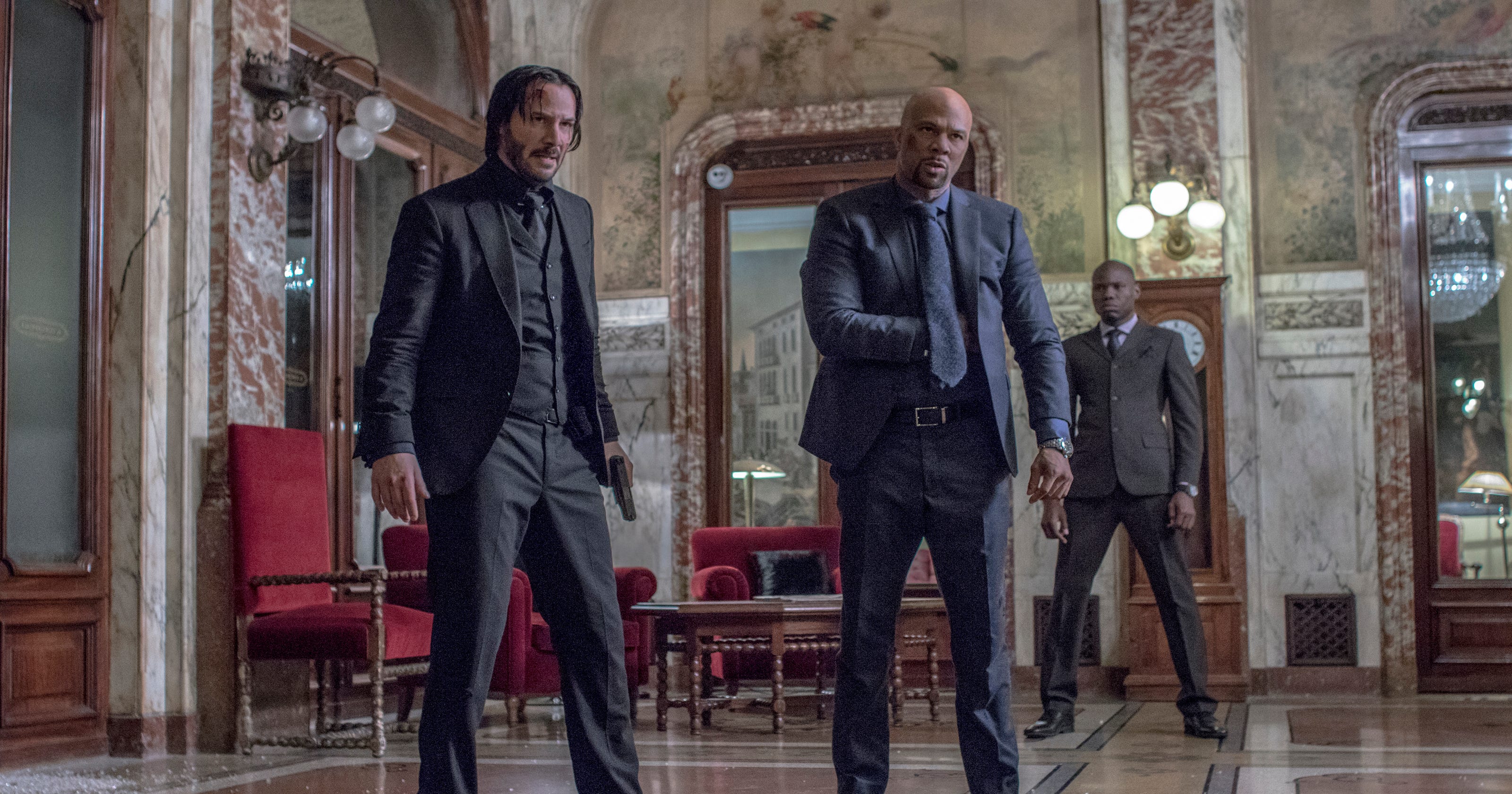
The most debated "secret" of the ending involves Winston (Ian McShane) and his decision to shoot John. Many viewers left the theater wondering if Winston truly intended to kill his friend. Analysis of the choreography and the dialogue suggests a more nuanced "secret": Winston shot John in the ballistic vest purposefully.
By shooting John and sending him over the edge, Winston effectively "killed" the problem in the eyes of the Adjudicator. Had he stayed by John’s side, the High Table would have razed the Continental and everyone in it. By "betraying" John, Winston secured his position, saved the hotel, and—crucially—gave John a slim chance to escape into the New York underworld. This tactical maneuver was Winston’s "parabellum" (preparing for war) by ensuring his most powerful weapon (John) remained on the board, even if John was broken and discarded.
3. The Tick Tock Man and the Bowery King’s Underground
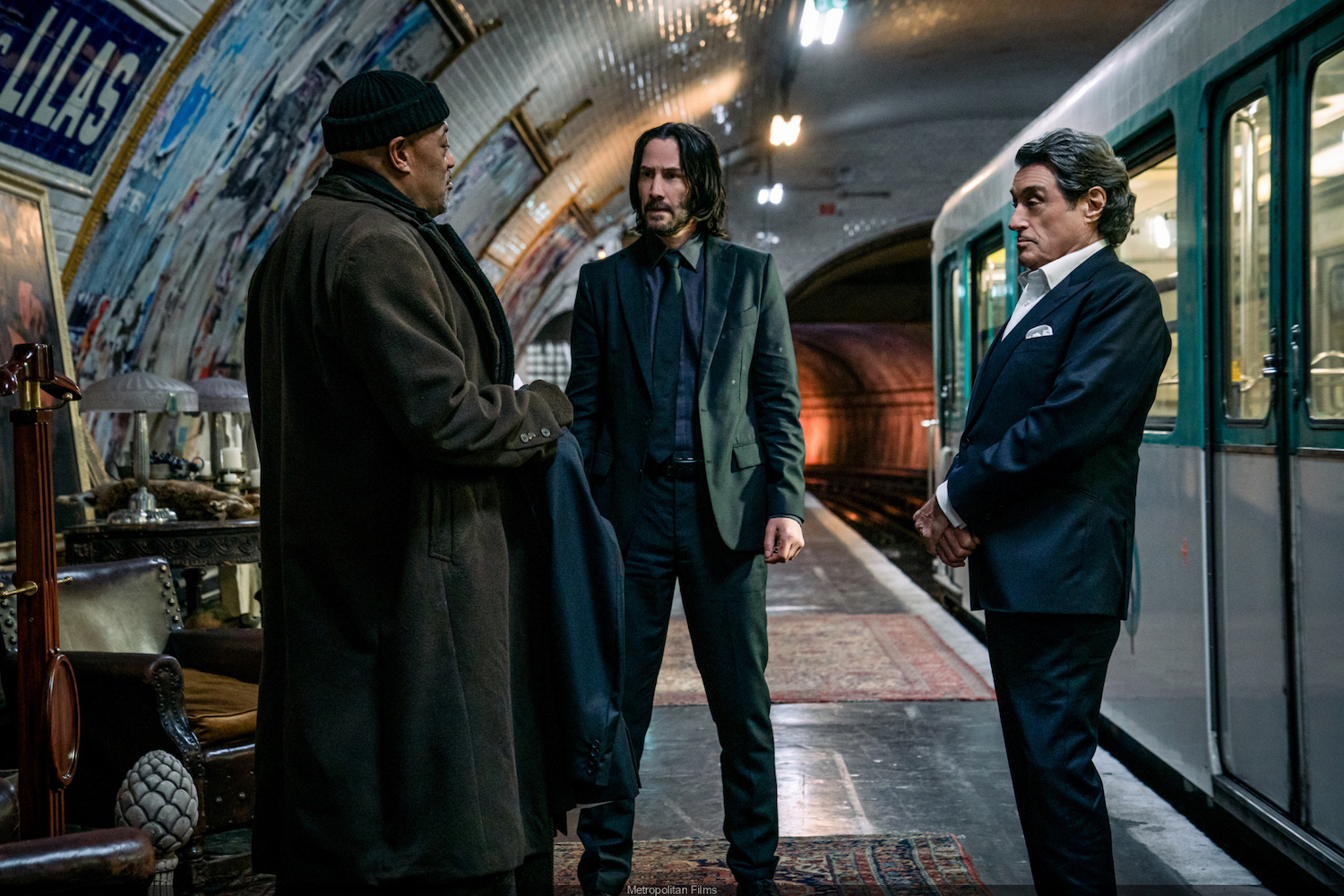
The final moments show the "Tick Tock Man" (played by Jason Mantzoukas) retrieving John’s body and delivering him to the Bowery King (Laurence Fishburne). The secret here lies in the "Tick Tock" motif used throughout the film. It isn't just a quirky catchphrase; it represents the inevitable collapse of the High Table’s order.
The Bowery King’s survival after being sliced seven times by Zero’s blade was a major revelation. The secret of his recovery involves the "Seven Cuts" rule of the High Table—a punishment meant to be symbolic and non-lethal if the recipient is lucky. The ending establishes that the Bowery King has moved his entire operation even deeper underground, literally and figuratively, setting the stage for the total war seen in later chapters. His final line, "Are you pissed, John?" mirrors the audience’s sentiment, cementing the alliance between the "low" (The Bowery) and the "high" (the fallen legend).
4. The Adjudicator’s Mistake: Underestimating the "Boogeyman"
The Adjudicator (Asia Kate Dillon) represents the cold, bureaucratic heart of the High Table. The secret behind her final scene—where she discovers John’s body is missing—is the realization of her own failure. Throughout the film, she views John as a mere "error" to be corrected.
Her look of genuine fear when she sees the empty spot on the pavement is the first time the High Table acknowledges that John Wick is not just a man, but a force of nature. This scene was meticulously timed to show that even the most powerful organization in the world is vulnerable to "the man of focus, commitment, and sheer will." The secret subtext is that by leaving the body unconfirmed, she has allowed the "Excommunicado" status to transform into a revolution.
5. Why There Was No "After Credits" Teaser for Chapter 4
In the original production phases, there were discussions about a teaser that would show John recovering in the Bowery King’s bunker. However, the secret reason this was cut is that Lionsgate and the directors wanted to keep the timeline tight.
John Wick movies are unique because they often take place immediately after one another. Chapter 2 starts days after Chapter 1; Chapter 3 starts minutes after Chapter 2. By ending Chapter 3 on a "cut to black" right after John says "Yeah," the filmmakers maintained the frantic, breathless pace of the series. They didn't want to show John healing because they wanted the audience to feel the immediate dread of the "war" that was about to begin. Adding a scene after the credits would have released the tension that they worked so hard to build.
6. The "Excommunicado" Symbolism of the Continental
The final sequence takes place at the Continental, which has been "deconsecrated." The secret design choice here was to show the hotel—usually a place of sanctuary and elegance—as a blood-soaked fortress. The green-lit "tactical" look of the final battle was a departure from the warm golds and reds of the previous films.
When the credits begin to roll, the "secret" takeaway is that the rules of the world have fundamentally broken. The Continental is no longer a neutral ground; it is a vassal state of the High Table. The credits, which feature stylized art of the High Table’s iconography, reinforce the idea that the "system" is the ultimate antagonist.
7. Keanu Reeves' Real-Life Stamina and the Ending’s Physicality
The final secret involves the physical toll on Keanu Reeves. By the time they filmed the final sequence of Chapter 3, Reeves had been training for over five months in Brazilian Jiu-Jitsu, Judo, and tactical 3-gun shooting.
The "secret" of the ending’s intensity is that Reeves was genuinely exhausted. The pained expression on his face in the final shot isn't just acting; it's the result of months of grueling stunt work. This authenticity is what makes the "end credit" transition so jarring. There is no upbeat music or funny outtakes—only the grim reality of a man who has been through hell and is now preparing to go back in.
Comparison of John Wick Film Endings
| Film | Post-Credit Scene? | Final Scene Context | Primary Antagonist Status | John's Status |
|---|---|---|---|---|
| John Wick (2014) | No | John walks home with a new dog. | Viggo Tarasov (Deceased) | Retired (Temporary) |
| Chapter 2 (2017) | No | John starts running; 1-hour grace period. | Santino D'Antonio (Deceased) | Excommunicado |
| Chapter 3 (2019) | No | John joins the Bowery King to fight. | The Adjudicator (Active) | Under Repair / In Hiding |
| Chapter 4 (2023) | Yes | Caine and Akira final confrontation. | Marquis de Gramont (Deceased) | Unknown / "Deceased" |
The Philosophy of "Para Bellum"
The title of the third film comes from the Latin adage: "Si vis pacem, para bellum" (If you want peace, prepare for war). The ending sequence is the literal embodiment of this phrase. John spent the entire movie trying to find a way to live, even visiting the Elder in the desert to plead for his life. However, the "secret" of the ending is his realization that there is no peace to be found through negotiation.
The final sequence marks the transition from John Wick as a "survivor" to John Wick as a "revolutionary." The lack of a post-credit scene reinforces that this is not a game or a "comic book" setup—it is a life-or-death struggle. According to reports from the Official John Wick Production Notes, the filmmakers wanted the credits to be a time for the audience to process the fact that the "hero" had finally lost his last shred of hope for a quiet life.
Technical Details: How the Ending was Filmed
The cinematography of the final scene, handled by Dan Laustsen, used high-contrast lighting to emphasize the "underworld" nature of the Bowery King’s hideout.
- Location: The rooftop scenes were filmed at the One Hanson Place in Brooklyn, utilizing the iconic clock tower as a backdrop.
- Stunts: The fall used a "dummy" for the initial impact, but Keanu Reeves performed several of the rolls and landings on lower-impact surfaces to maintain the continuity of the character’s pain.
- Audio: The sound design of the final scene intentionally mutes the city sounds, focusing only on the heavy breathing of John and the Bowery King, creating an intimate, claustrophobic atmosphere before the credits explode into the theme music.
Frequently Asked Questions
Is there a secret scene after the credits in John Wick 3?
No, there is no scene after the credits in John Wick: Chapter 3 – Parabellum. The movie ends immediately after the final dialogue between John Wick and the Bowery King. This was a creative decision by director Chad Stahelski to keep the focus on the cliffhanger ending.
Why did Winston shoot John at the end?
The most widely accepted theory is that Winston shot John to save both of them. By appearing to kill John, Winston proved his loyalty to the High Table and regained control of the Continental. Because he shot John in his bulletproof suit and "allowed" him to fall off the roof (knowing John’s resilience), he gave John a chance to disappear and recover.
Who is the man who finds John at the end?
The man is known as the "Tick Tock Man," played by Jason Mantzoukas. He is a high-level operative for the Bowery King’s underground network of "homeless" assassins. His presence throughout the movie was a subtle hint that the Bowery King was watching John’s every move.
How did John Wick survive the fall from the Continental?
While it seems impossible, the film suggests John survived through a combination of his tactical body armor (which softened the impact of the bullets), the various obstacles he hit on the way down (fire escapes and awnings) which slowed his momentum, and his sheer physical durability. It is a "Buster Keaton" style stunt where the character survives extreme physics for the sake of the narrative.
What does the final line "Yeah" mean?
When the Bowery King asks John if he is "pissed off," John’s one-word response—"Yeah"—signifies that he has stopped running. Up until that point, John was trying to survive and find a way out. This "secret" pivot point means John has finally accepted that the only way to be free is to destroy the High Table entirely.
Does John Wick 4 pick up right where Chapter 3 ended?
Not exactly. John Wick: Chapter 4 begins after a short period of time has passed, allowing John to recover from the broken bones and internal injuries sustained during the fall at the end of Chapter 3. However, the alliance between John and the Bowery King remains the central plot point.
Final Recommendation for Viewers
If you are revisiting John Wick: Chapter 3 – Parabellum in 2026, pay close attention to the sound of the ticking clock throughout the film. It culminates in that final "missing" scene. While the lack of a post-credit stinger might be frustrating for fans of modern franchises, it is the most honest way to experience John's journey. To fully appreciate the lore, viewers should watch the final 10 minutes of Chapter 3 and immediately transition into the opening of Chapter 4 to see how the "secrets" of Winston's betrayal and the Bowery King's alliance manifest into a global conflict.