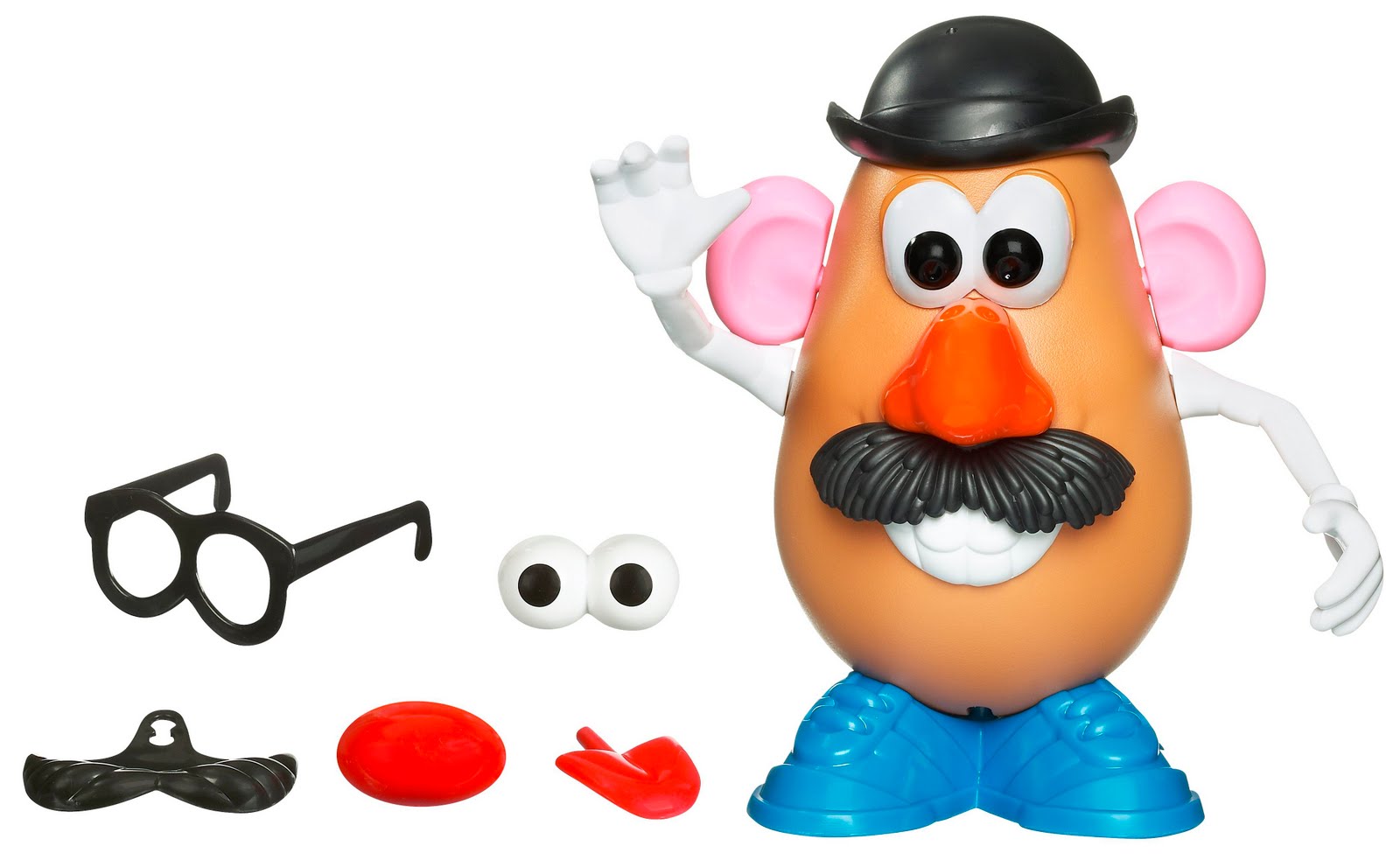
Mrs. Potato Head remains a beloved fixture in the Toy Story universe, and as production gears up for Toy Story 5 in 2026, fans frequently look for details regarding the character's legacy, voice cast history, and how she fits into the broader ensemble of Andy's (and now Bonnie's) room. While Pixar structures its ensemble casts around core legacy performers, understanding Mrs. Potato Head involves looking at the incredible voice talent who brought her to life across decades of animation history, the character's narrative evolution, and her place among the foundational seven toys that anchor the franchise.
Understanding the Toy Story Ensemble and Mrs. Potato Head's Role
When examining the structural hierarchy of the Toy Story franchise, the ensemble typically revolves around Woody, Buzz Lightyear, Jessie, Rex, Slinky Dog, Hamm, and the Potato Head couple. Within this dynamic, Mrs. Potato Head (often paired with her husband, Mr. Potato Head) provides sharp comic relief, maternal instincts, and deadpan observations.
Her introduction in Toy Story 2 expanded the domestic dynamic of the toy world, proving that toys shared traditional human-like relationships, anxieties, and domestic squabbles. As the franchise progresses through subsequent sequels, her character evolves from a background gag character into a resourceful helper, particularly in Toy Story 3 when her detachable eye becomes a critical plot device for locating Woody at Sunnyside Daycare.
Maintaining continuity for legacy characters in long-running animated franchises requires careful navigation, especially when original voice talent passes away or steps down. To appreciate Mrs. Potato Head's presence in the upcoming fifth installment, it is essential to examine the history of the artists who gave her voice, personality, and distinct comedic timing.
The Voice Legacy: Honoring Estelle Harris
No discussion of Mrs. Potato Head is complete without recognizing the legendary comedic actress Estelle Harris, who defined the character from Toy Story 2 (1999) through Toy Story 4 (2019). Known instantly for her abrasive, high-pitched, nasal voice and impeccable timing—traits she famously showcased as Estelle Costanza on Seinfeld—Harris brought a fierce maternal energy to Mrs. Potato Head.
| Film / Project | Primary Voice Actor | Character Status |
|---|---|---|
| Toy Story 2 (1999) | Estelle Harris | Introduced as new toy |
| Toy Story 3 (2010) | Estelle Harris | Active ensemble member |
| Toy Story 4 (2019) | Estelle Harris | Ensemble member (archive/ new recorded dialogue) |
| Toy Story 5 (2026) | Archival / New Casting | Continuing character legacy |
Harris passed away in April 2022 at the age of 93. Because Toy Story 4 was released in 2019, her final major cinematic performance as the character captured her signature wit. For subsequent projects, shorts, theme park attractions, and potential appearances in Toy Story 5, Pixar animation studios carefully manages legacy vocal performances alongside possible sound-alike casting or archival audio integration, depending on script requirements and the character's screen time.
Character Dynamics: The Potato Head Partnership
The relationship between Mr. and Mrs. Potato Head forms one of the most stable and humorous partnerships in animated film history. Originally voiced by the late Don Rickles as Mr. Potato Head alongside Estelle Harris, the couple's banter relies on sharp barbs masking deep affection.
- The Dynamic: Mr. Potato Head often plays the cynical, easily irritated pessimist, while Mrs. Potato Head acts as the grounding, no-nonsense partner who is quick to correct him—often threatening to take away his angry eyes or mouth.
- Narrative Utility: In ensemble writing, paired characters allow screenwriters to deliver exposition and jokes simultaneously. While Mr. Potato Head expresses immediate skepticism about external threats (like Buzz Lightyear or Forky), Mrs. Potato Head often matches his skepticism with practical observations.
- Physical Comedy: Because their facial features, limbs, and accessories are modular, the physical comedy associated with both characters involves losing parts, misplacing eyes, or being packed away into handbags and boxes.
Examining the Core Cast Structure of Toy Story 5
As Pixar develops Toy Story 5, directed by Andrew Stanton, the studio has emphasized that the narrative will tackle modern challenges facing toys—specifically, how traditional playthings compete with electronic devices and modern technology that capture children's attention.
Within this new conflict, the classic ensemble must adapt. The core group of toys—often referred to by fans when discussing the primary character roster—must navigate Bonnie's changing interests. While Woody operates independently after the events of the fourth film, Buzz, Jessie, and the remaining room toys must strategize together.
Mrs. Potato Head's inclusion in this group relies on maintaining the classic voice chemistry of the room. Even as new characters are introduced to reflect contemporary tech-based toys, the foundational members anchor the emotional core for long-time viewers.
Technical and Creative Challenges in Legacy Casting
When animated franchises span nearly three decades, production teams face significant hurdles regarding voice casting continuity. When a definitive voice actor passes away, studios generally face three distinct choices:
- Retiring the Character: Writing the character out of future scripts, which is rarely done for iconic ensemble members unless narrative closure requires it.
- Archival Audio: Using previously recorded, unused dialogue or speech samples, which limits the character to brief lines or reactive noises.
- Sound-Alike Casting: Hiring a specialized voice actor capable of matching the cadence, tone, and emotional inflection of the original performer.
Pixar has historically approached these transitions with immense respect for its performers, ensuring that legacy characters retain their integrity without leaning heavily on unconvincing imitations. For Mrs. Potato Head, the character's distinct vocal blueprint established by Estelle Harris remains the gold standard for any future dialogue.
Frequently Asked Questions
Who originally voiced Mrs. Potato Head in the Toy Story franchise?
Estelle Harris originally voiced Mrs. Potato Head, beginning with her introduction in Toy Story 2 (1999) and continuing through Toy Story 3 (2010) and Toy Story 4 (2019). Her distinct, nasal comedic style defined the character's personality.
Will Mrs. Potato Head appear in Toy Story 5?
Yes, Mrs. Potato Head is part of the established legacy ensemble of room toys featured throughout the franchise. The character remains an integral part of the core group supporting Buzz Lightyear, Jessie, and the rest of the gang as they face new narrative challenges.
How does Pixar handle characters whose original voice actors have passed away?
Pixar evaluates each character on a case-by-case basis. Options include utilizing carefully preserved archival recordings, writing dialogue that minimizes the character's spoken lines while keeping them physically present in scenes, or employing professional voice matching when new lines are strictly necessary.
What is the main plot focus of Toy Story 5?
Announced by Disney and Pixar, Toy Story 5 explores a thematic conflict where traditional toys find themselves competing against electronic devices, tablets, and modern technology that dominate children's playtime in the modern era.
How did Mr. and Mrs. Potato Head meet in the story?
Within the chronology of the films, Mr. Potato Head meets his future wife at the end of the original Toy Story (1995), after Andy receives a Mrs. Potato Head box as a Christmas gift. By Toy Story 2, they are officially married and deeply devoted to one another.
Practical Next Actions for Fans
For enthusiasts tracking the development of Toy Story 5, staying informed involves following official Disney and Pixar announcements regarding casting updates, teaser trailers, and theatrical release timelines. Because animated film production is an iterative process spanning multiple years, reviewing official studio press releases provides the most accurate verification of character line-ups and vocal performances.