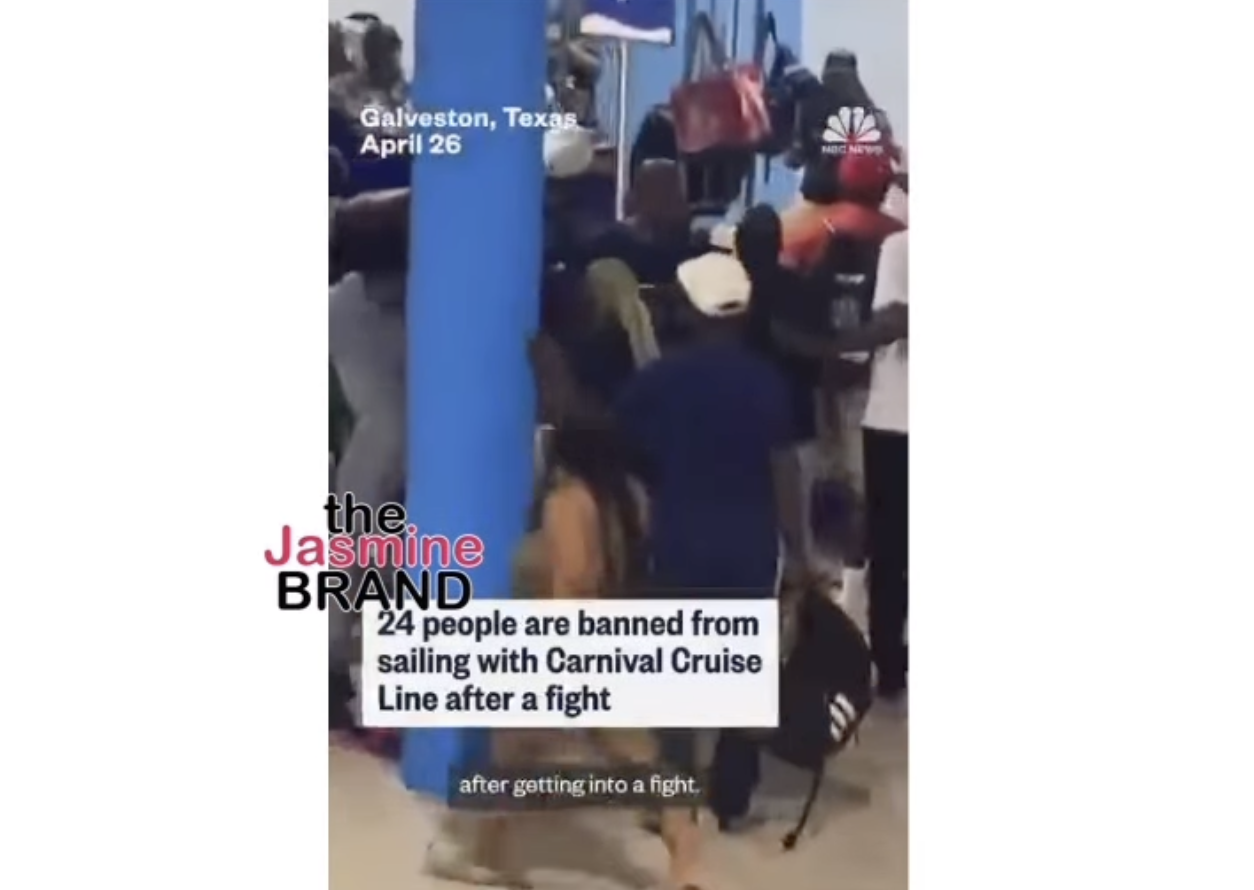
The most significant "60-person brawl" on a cruise ship occurred aboard the Carnival Magic in June 2022 as the vessel approached New York City. Triggered by allegations of infidelity in a shipboard nightclub, the altercation required intervention from the U.S. Coast Guard and the NYPD upon arrival at Pier 88.
Cruise ship brawls, while statistically rare given the millions of passengers who sail annually, represent a significant challenge for maritime security and legal jurisdictions. As of 2026, the industry has implemented stricter behavioral codes and enhanced security presence to prevent such mass altercations. To understand how a vacation can escalate into a large-scale fight, one must examine the specific triggers of the Carnival Magic incident, the complexities of maritime law, and the safety measures now standard across the industry.
The Anatomy of the Carnival Magic Incident
The incident that gained international notoriety began in the early morning hours on the dance floor of the Carnival Magic’s nightclub. According to eyewitness accounts and subsequent reports from the New York Police Department, the dispute was reportedly sparked by a disagreement between two passengers regarding a romantic entanglement—specifically, allegations of a "threesome" that led to a confrontation between significant others.
What began as a localized argument rapidly escalated. Within minutes, the conflict drew in friends, family members, and bystanders, eventually involving an estimated 40 to 60 individuals. The confined nature of a shipboard lounge, combined with the presence of furniture and limited exit paths, exacerbated the chaos. Security footage and passenger-recorded videos showed individuals throwing chairs, swinging bottles, and engaging in physical combat that moved from the lounge into adjacent hallways.
The ship’s security team, though trained in conflict de-escalation, found themselves outnumbered by the sheer volume of participants. This specific incident highlighted a critical vulnerability in cruise ship operations: the "tipping point" where a standard security detail is no longer sufficient to contain a mass disturbance without the assistance of shore-side law enforcement.
Maritime Jurisdiction and Legal Repercussions
When a brawl occurs on the "high seas"—typically defined as waters beyond the 12-nautical-mile territorial limit of any nation—legal jurisdiction becomes complex. For the 60-person brawl on the Carnival Magic, several legal frameworks intersected.
The Role of the Flag State
Every cruise ship is registered in a specific country, known as its flag state (often the Bahamas, Panama, or Bermuda). Under international law, the laws of the flag state apply to the vessel while in international waters. However, when a ship is destined for a U.S. port and involves U.S. citizens, the Federal Bureau of Investigation (FBI) often asserts jurisdiction under the Special Maritime and Territorial Jurisdiction of the United States (18 U.S.C. § 7).
Law Enforcement Intervention
In the Carnival Magic case, the ship was near the Verrazzano-Narrows Bridge when the U.S. Coast Guard was notified. Because the ship was entering New York waters, the NYPD's Harbor Unit escorted the vessel to the pier. This transition from maritime security to land-based police is a delicate operational handoff.
Passengers involved in such brawls face a variety of consequences:
- Disembarkation and Stranding: Cruise lines have the right to forcibly remove passengers at the next port of call, often leaving them to find their own way home at their own expense.
- Lifetime Bans: Most major lines, including Carnival, Royal Caribbean, and Norwegian, maintain "no-fly" style lists for passengers who violate behavioral codes.
- Federal Charges: If the assault is deemed serious, the FBI can bring charges of assault or interference with a flight/voyage crew, which carry significant prison time.
Root Causes of Cruise Ship Altercations
To prevent a repeat of the 60-person melee, it is necessary to analyze the environmental and social factors that contribute to such escalations. Industry experts in 2026 point to a "perfect storm" of variables that frequently precede shipboard violence.
Alcohol Saturation
While alcohol is a primary revenue driver for cruise lines, it is also the most common denominator in altercations. "Unlimited" drink packages can lead to over-consumption. In response to the 2022 incident, many lines updated their "Drink Package" policies to include "cut-off" triggers based on time or behavior, though enforcement remains a challenge in crowded nightclubs.
Proximity and "Vacation Stress"
Cruises pack thousands of people into shared spaces. While designed for relaxation, the high density can lead to friction. Disagreements over deck chairs, buffet lines, or elevator space can simmer over several days, eventually boiling over in high-energy environments like casinos or nightclubs.
The "Bystander Effect" and Social Media
The 2022 brawl was notable for how quickly it went viral. In 2026, security experts note that the presence of smartphones often encourages "clout-chasing" behavior, where passengers may escalate a situation for the sake of recording a dramatic video. Conversely, the "bystander effect" can lead to more people joining a fight in a perceived defense of their "side" rather than de-escalating.
Industry Response: New Safety Standards for 2026
Following the 2022 brawl and several smaller subsequent fights, the cruise industry underwent a significant shift in how it manages passenger behavior. The Cruise Lines International Association (CLIA) collaborated with security firms to standardize "Mass Altercation Response" protocols.
Enhanced Behavioral Codes of Conduct
Carnival Cruise Line was among the first to introduce a $500 fine for disruptive behavior. By 2026, this has become an industry standard. Passengers must sign a behavioral manifesto during the digital check-in process, acknowledging that they can be fined, banned, or detained in the ship's brig for minor infractions that lead to larger disturbances.
Security Personnel Training
Modern cruise security teams are no longer just "bouncers." They undergo training in:
- STCW Crisis Management: The International Convention on Standards of Training, Certification, and Watchkeeping for Seafarers (STCW) now includes more robust modules on human behavior and crowd control.
- Body-Worn Cameras: Many security officers now wear cameras to provide objective evidence for later prosecution, which acts as a deterrent for potential combatants.
- Surveillance Technology: AI-driven camera systems are now used to detect "agitation patterns" in crowds, allowing security to intervene before a punch is ever thrown.
Comparison of Cruise Line Security and Conduct Policies (2026)
The following table compares how major cruise lines handle security and behavioral violations as of the 2026 sailing season.
| Feature | Carnival Cruise Line | Royal Caribbean | Norwegian Cruise Line |
|---|---|---|---|
| Disturbance Fine | Up to $500 per person | Varies by incident severity | Typically leads to immediate removal |
| Security Presence | High (Visible in public areas) | Moderate (Integrated into staff) | High (Specialized response teams) |
| Alcohol Cut-off | 15-drink daily limit | Discretionary by bartender | Automated via SeaPass tracking |
| Nightclub Curfew | Subject to ship's discretion | 18+ after 11:00 PM | 21+ in specific venues |
| Legal Referral | FBI/Local Port Authority | FBI/Flag State | Flag State/Local Police |
What to Do If a Fight Breaks Out Near You
If you find yourself in the vicinity of a large-scale brawl like the one on the Carnival Magic, your priority is physical safety and legal protection.
Immediate Actions
- Identify Exit Paths: Do not move toward the center of the room to see what is happening. Move toward the nearest exit immediately.
- Avoid Recording: While it is tempting to film, holding a phone can make you a target for those who do not want to be identified. It also limits your ability to protect yourself or move quickly.
- Move Up and Out: In a shipboard environment, move toward open decks or higher levels. Large fights typically occur in enclosed lounges; getting to an open-air area provides more space to maneuver.
Post-Incident Steps
- Report to Guest Services: If you were a witness or were injured, ensure your statement is recorded by the ship’s security officer.
- Check for Injuries: Adrenaline can mask minor injuries. Visit the ship's medical center if you were pushed or struck.
- Review Your Insurance: Most travel insurance policies do not cover injuries sustained while participating in a fight, but they may cover "interruption of trip" costs if the ship is diverted or delayed due to a security incident you were not involved in.
The Future of Cruise Safety
As we look at the cruise landscape in 2026, the "60-person brawl" remains a cautionary tale used in crew training. The industry has moved toward a zero-tolerance policy. Technology continues to play a larger role, with facial recognition being used to prevent banned individuals from re-booking under different names or via different travel agencies.
While the "fun ship" atmosphere remains a core part of the cruise experience, the guardrails are significantly firmer than they were in 2022. The goal for cruise lines is to ensure that the actions of a few dozen individuals do not ruin the vacation of the thousands of others on board.
Frequently Asked Questions
Did anyone go to jail for the Carnival Magic 60-person brawl?
While the NYPD met the ship and identified the primary aggressors, no immediate mass arrests were made at the pier because the incident occurred in international waters. However, several individuals were issued lifetime bans from Carnival, and their information was turned over to the FBI for further investigation under federal maritime jurisdiction.
Can cruise security put you in a "jail" on the ship?
Yes. Most large cruise ships are equipped with a "brig," which is a secure room used to detain passengers who are a danger to themselves or others. This is used as a last resort until the ship reaches a port where the individual can be handed over to local authorities.
Does travel insurance cover injuries from a cruise ship fight?
Generally, no. Most insurance providers have "illegal act" or "intentional act" exclusions. If you are found to be an active participant in a brawl, your medical claims and trip interruption claims will likely be denied. If you are an innocent bystander, you are usually covered, provided you can prove you were not involved in the provocation.
Why didn't the police board the ship in the middle of the ocean?
Local police (like the NYPD) do not have jurisdiction in international waters. The U.S. Coast Guard can board ships for safety and federal law enforcement, but for a non-life-threatening brawl, they usually coordinate with the ship’s master to meet the vessel at the entrance to the harbor.
Are certain cruise lines more prone to fights?
While "budget" lines or shorter "booze cruises" sometimes report higher frequencies of minor skirmishes due to lower price points and high alcohol consumption, large-scale brawls have occurred across various price segments. The key factors are usually crowd density and the availability of late-night alcohol.
Final Recommendation for Travelers
When booking a cruise in 2026, review the ship’s Code of Conduct during the booking process. To ensure a safe experience, avoid high-density areas during the early morning hours (2:00 AM – 5:00 AM) if you notice signs of excessive intoxication among other guests. If a conflict begins, notify a crew member immediately rather than attempting to intervene yourself. Modern cruise security is equipped to handle these situations, and your best course of action is to distance yourself from the area to avoid both physical harm and legal complications.