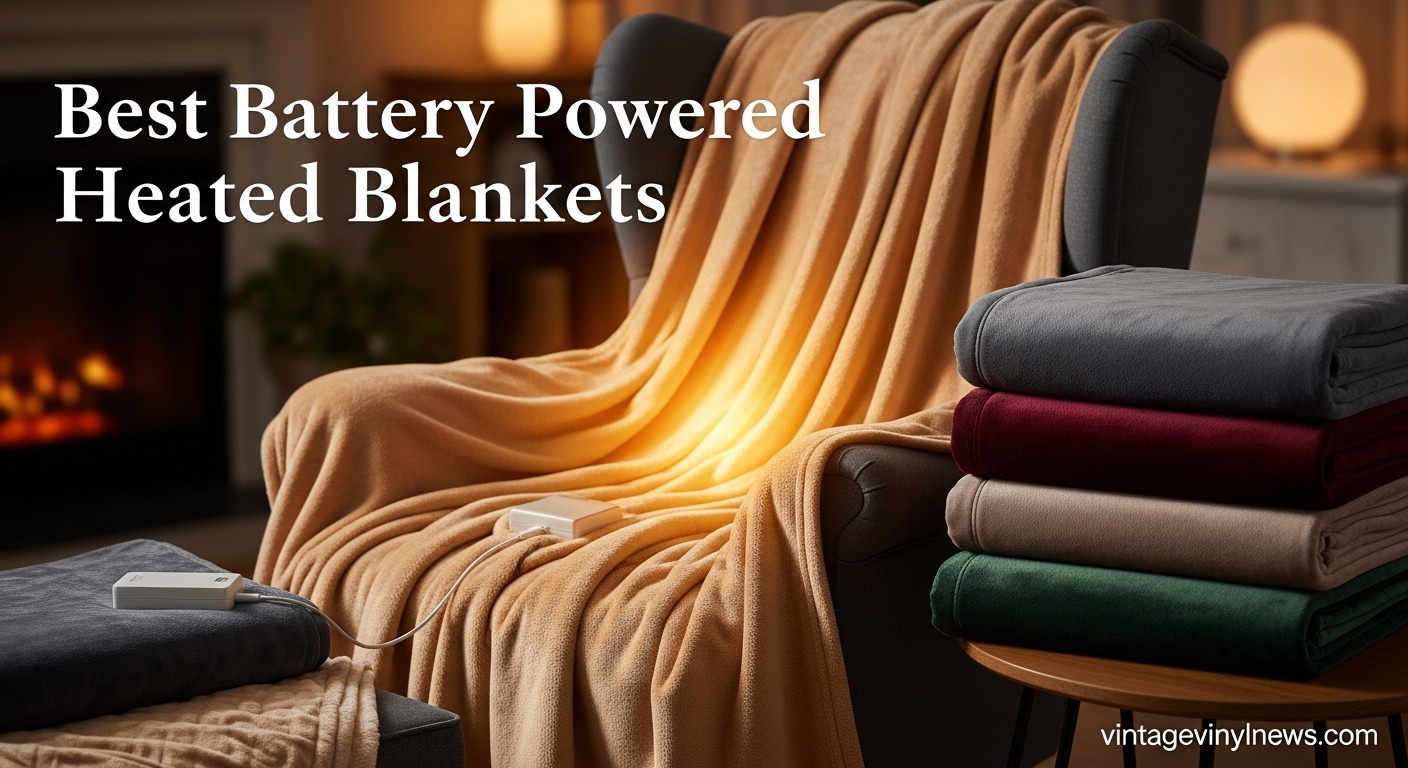
An outdoor heated blanket combines traditional warmth with battery-powered or portable heating technology, providing targeted thermal comfort during camping, tailgating, and cold-weather spectating. When evaluating these specialized products, buyers must balance battery capacity, fabric durability, weather resistance, and heating performance to find a model capable of withstanding the elements while delivering reliable heat.
The modern outdoor lifestyle has evolved far beyond traditional sleeping bags and bulky wool layers. Whether you are stargazing on a crisp autumn evening, sitting in the stands during a late-season football game, or setting up camp in the mountains, managing body temperature is essential for safety and comfort. Indoor electric blankets rely on continuous wall outlets and delicate materials that cannot survive moisture, wind, or rough terrain. Outdoor heated blankets, by contrast, are engineered with robust, weather-resistant textiles and powered by portable lithium-ion batteries or 12V vehicle ports.
Navigating the market for these specialized blankets requires looking past standard marketing claims. Factors such as heating element distribution, insulation material, shell fabric denier, and battery management systems dictate how well a blanket performs when the temperature drops. This comprehensive review examines five of the best outdoor heated blankets available, analyzing their construction, thermal output, field performance, and overall value to help you choose the ideal companion for your next cold-weather excursion.
Understanding Outdoor Heated Blankets: Key Criteria and Technology
Before examining specific models, it is important to understand what separates a true outdoor heated blanket from an indoor electric throw. The primary distinction lies in power sourcing and material engineering. Indoor blankets operate on standard household alternating current (AC) voltage via a wall plug. Outdoor blankets utilize direct current (DC) power, typically drawn from a removable, rechargeable lithium-ion power bank or integrated battery pack, or hooked directly into a vehicle's 12V auxiliary power outlet.
Fabric Construction and Weather Resistance
An outdoor blanket must withstand wind, damp grass, dirt, and occasional moisture. Manufacturers typically use a two-sided construction approach:
- The Outer Shell: Usually crafted from durable synthetic materials such as ripstop nylon, polyester, or treated canvas. These fabrics often feature a Durable Water Repellent (DWR) coating to shed morning dew, light rain, and spilled liquids. Ripstop weaving prevents small punctures from tearing the fabric further.
- The Inner Lining: Designed for direct skin contact and heat retention, inner linings commonly feature high-pile fleece, sherpa fleece, or brushed microplush. These materials trap warm air even when the heating elements are turned off.
- Insulation Layers: Sandwiched between the shell and lining, synthetic insulation (such as hollow-fiber polyester or proprietary down-alternative padding) provides passive thermal retention, ensuring the blanket remains warm even if the battery is depleted.
Heating Elements and Thermal Distribution
Modern outdoor heated blankets utilize flexible carbon-fiber or metal-mesh heating wire networks. Unlike rigid heating coils of the past, these modern elements flex seamlessly with the fabric without creating hot spots or breaking under compression. Heat zones are typically concentrated in the core body area—such as the center or foot box—to maximize perceived warmth while conserving battery power. Most models offer multiple heat settings (usually low, medium, and high), allowing users to balance thermal comfort against battery runtime.
Reviewing the 5 Best Outdoor Heated Blankets
1. Disruptive Outdoor and Camping Standard: Rumpl DownPuff Heated Blanket
Rumpl is a dominant name in technical outdoor blankets, and their entry into the heated category brings their signature weather-resistant shell technology to active warmth seekers.
Design and Materials
The Rumpl DownPuff Heated Blanket utilizes a 30D ripstop polyester shell with a DWR finish, making it highly effective at blocking wind and repelling water. The underside features a soft brushed poly lining. Inside, synthetic insulation works in tandem with flexible carbon-fiber heating panels distributed across the primary torso zone.
Performance and Usability
Operating via an included rechargeable lithium-ion battery pack that tucks neatly into a dedicated, zippered side pocket, the Rumpl offers three distinct temperature settings. On the lowest setting, it provides a subtle, steady warmth for up to 6 hours, while the high setting delivers rapid heat for approximately 2 hours. The inclusion of a Cape Clip allows users to wear the blanket hands-free around the shoulders, which is particularly useful around a campfire.
Pros and Cons
- Pros: Excellent wind resistance; water-repellent shell; integrated Cape Clip for hands-free wear; lightweight and packable.
- Cons: Battery pocket can feel slightly bulky when sitting against it; higher price point compared to basic fleece throws.
2. Best Heavy-Duty Durability: Makita CXT/LXT Heated Blanket (CB100DZ)
Built with the rigorous demands of job sites and extreme outdoor environments in mind, the Makita heated blanket is a rugged tool designed for utility and endurance.
Design and Materials
Unlike consumer-lifestyle brands, Makita approaches this product from an industrial perspective. The blanket features a durable polyester shell designed to resist abrasions, tears, and job-site debris. It can also be machine-washed and dried (with the battery removed and the power socket sealed), making it exceptionally easy to clean after muddy camping trips.
Performance and Usability
The Makita blanket is powered by the brand's interchangeable 18V LXT or 12V Max CXT lithium-ion slide-style batteries (commonly used in their power tools). This makes it an exceptional choice for existing Makita tool owners who already have batteries and chargers. It features three heat settings and distributes warmth evenly across the upper body. The battery sits in a secure canvas holster attached via a cord, allowing you to keep the power source away from direct body pressure.
Pros and Cons
- Pros: Industrial-grade durability; compatible with existing power-tool battery ecosystems; machine washable; robust heat output.
- Cons: Batteries and charger are often sold separately; heavier and less packable than lifestyle blankets; utilitarian aesthetic.
3. Best Versatility and Everyday Value: Scrubba / CozyWinters Portable USB Heated Blanket
For those seeking a versatile blanket that transitions seamlessly from chilly outdoor sporting events to cold office spaces and road trips, USB-powered options provide unmatched flexibility.
Design and Materials
This style of blanket typically features a plush, water-resistant fleece or micro-suede exterior paired with a wind-blocking polyester backing. The internal heating wires are ultrathin and imperceptible to the touch, ensuring the blanket remains pliable and comfortable whether draped over the legs or wrapped around the body.
Performance and Usability
Powered by any standard 5V/2A USB power bank (power load comparable to smartphone portable chargers), this blanket eliminates the need for proprietary, expensive replacement batteries. You likely already own a compatible power bank. While it generates slightly lower maximum temperatures than 12V or 18V industrial models, its low-draw efficiency allows it to run for hours on a high-capacity portable charger. It includes an auto-shutoff safety feature after a set number of hours to prevent overheating or battery drain.
Pros and Cons
- Pros: Uses standard USB power banks; highly versatile; comfortable, plush materials; lightweight and portable.
- Cons: Lower maximum heat output compared to heavy-duty industrial models; USB power bank may not be included in all retail packages.
4. Best for Tailgating and Vehicle Travel: RoadPro 12V Heated Travel Blanket
If your outdoor activities revolve around vehicles, RVs, tailgating parties, or emergency roadside preparedness, a 12V direct-plug blanket is a practical solution.
Design and Materials
The RoadPro blanket is constructed with a soft fleece fabric that provides comfortable insulation. While it lacks the advanced technical ripstop shell of high-end mountaineering blankets, its woven fabric is durable enough for regular travel use and fits easily across vehicle seats or stadium benches.
Performance and Usability
Instead of relying on a rechargeable battery pack that requires pre-planning and charging, the RoadPro plugs directly into any standard 12V DC vehicle socket or cigarette lighter port. This provides continuous, unlimited heat as long as the vehicle's electrical system is active, making it a favorite for winter campers, truckers, and sports fans. It features a long power cord for easy placement in backseats or truck beds.
Pros and Cons
- Pros: Unlimited runtime via 12V vehicle outlet; cost-effective; no need to pre-charge batteries.
- Cons: Requires a nearby 12V power source (cannot be used easily on a remote hiking trail away from vehicles); draws vehicle battery power if used while the engine is turned off.
5. Best Premium Luxury and Comfort: Sunbeam Royal Ultra Heated Throw
While designed primarily for indoor use, Sunbeam's high-pile fleece throws are frequently deployed in covered outdoor settings like screened porches, patios, and RV awnings where standard AC power is accessible.
Design and Materials
Crafted from ultra-soft, micro-plush fabric, the Sunbeam throw offers superior tactile comfort. The heating wires feature thin, flexible micro-sizing technology that conforms smoothly to the body.
Performance and Usability
Equipped with a digital controller offering multiple heat settings and a selectable auto-off timer, this blanket delivers consistent warmth. It is fully machine washable and dryable. However, because it relies on standard 12V/120V household wall current, its outdoor application is strictly limited to locations with electrical outlets or heavy-duty portable power stations (solar generators).
Pros and Cons
- Pros: Luxuriously soft fabric; precise digital temperature control; machine washable and dryable.
- Cons: Requires a wall outlet or portable power station; not weather-resistant against heavy rain or damp ground.
Comprehensive Comparison Matrix
To help you evaluate these options side-by-side, the following table summarizes key specifications, power sources, and ideal use cases for each reviewed outdoor heated blanket.
| Product Name | Primary Power Source | Shell Material | Best Suited For | Key Advantage |
|---|---|---|---|---|
| Rumpl DownPuff | Rechargeable USB-C Battery Pack | 30D Ripstop Polyester (DWR) | Camping, Stargazing, Backpacking | Wind/water resistant with Cape Clip |
| Makita CB100DZ | 18V / 12V Tool Batteries (LXT/CXT) | Heavy-Duty Polyester | Job Sites, Rugged Outdoors | Industrial durability & tool battery sharing |
| CozyWinters USB Blanket | Standard 5V/2A USB Power Bank | Fleece / Micro-Suede | Travel, Office, Light Outdoor Sports | Uses everyday portable power banks |
| RoadPro 12V Travel Blanket | 12V Vehicle Auxiliary Outlet | Soft Fleece | Tailgating, Road Trips, Car Camping | Unlimited runtime via vehicle power |
| Sunbeam Royal Throw | AC Wall Outlet (120V) | Micro-Plush Fleece | Covered Patios, RVs, Glamping | Premium plush comfort and digital controls |
Operating Guidelines and Safety Considerations
Using electric heating elements outdoors introduces unique safety and maintenance considerations. Adhering to manufacturer guidelines ensures longevity and safe operation.
Moisture and Electrical Safety
While outdoor blankets feature water-resistant shells, internal heating circuits and battery connection ports must be handled with care.
- Never submerge battery connection points or control modules in water.
- If a blanket becomes thoroughly saturated by heavy rain, disconnect the power source immediately and allow the fabric to dry completely before attempting to power it on again.
- Avoid folding or bunching the blanket tightly while the heat is turned on high, as localized heat accumulation can strain the internal wiring.
Battery Care and Maintenance
For battery-powered blankets, proper storage preserves cell health over multiple seasons:
- Store lithium-ion batteries at a partial charge (around 50%) in a cool, dry place when the blanket is not in use for extended periods (such as during summer months).
- Avoid exposing batteries to extreme freezing temperatures for prolonged periods, as sub-freezing conditions diminish lithium battery efficiency and holding capacity.
Frequently Asked Questions
Can I put an outdoor heated blanket in the washing machine?
Most portable heated blankets allow machine washing once the battery pack or detachable controller is completely removed and any waterproof connector caps are secured. Always check the specific care label instructions provided by the manufacturer. Use a gentle cycle with cold water and mild detergent, and line dry or tumble dry on low heat. Never iron or dry-clean an electric blanket.
How long do battery-powered outdoor heated blankets typically last on a single charge?
Runtime varies significantly based on battery capacity (measured in milliamp-hours or Watt-hours) and the heat setting selected. On the lowest setting, a standard battery pack typically lasts between 4 to 6 hours. On the highest heat setting, expect a runtime of 1.5 to 2.5 hours. Many users carry a secondary backup power bank for extended trips.
Are outdoor heated blankets safe to use in damp or freezing weather?
Yes, provided they are designed for outdoor use. Models with weather-resistant ripstop shells and DWR coatings can handle light mist, morning dew, and cold winds. However, they are not designed to be submerged in water or operated in torrential downpours.
Can I use a standard indoor electric blanket outside?
It is strongly discouraged. Indoor blankets lack protective outer shells, are vulnerable to moisture damage, and require a constant 120V household wall outlet, presenting tripping and electrical hazards in outdoor environments.
Final Recommendation
Selecting the right outdoor heated blanket depends entirely on your primary activity. If your adventures take you deep into the backcountry, camping, or hiking, the Rumpl DownPuff Heated Blanket offers the ideal balance of weather-resistant technical fabric, packability, and portable warmth. If you already own power tools or require industrial durability for harsh job sites, the Makita CB100DZ is unmatched in ruggedness. For casual tailgaters and road-trippers, the RoadPro 12V Blanket provides effortless, unlimited heat directly from your vehicle. Assess your power availability, environmental conditions, and budget to choose the model that keeps you warm through every season.