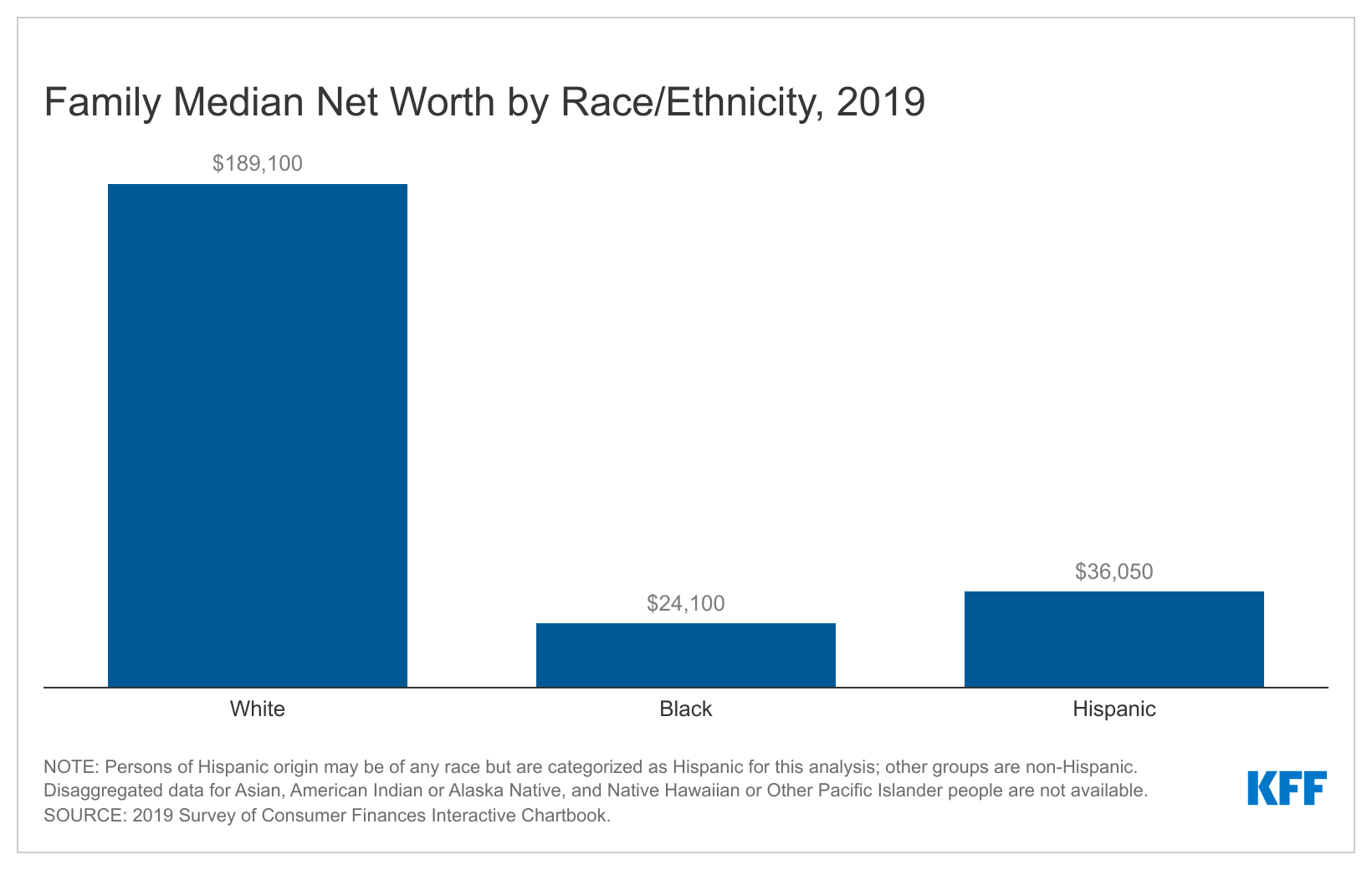
The $24,520 median net worth of Black households in 2021, as reported by the Federal Reserve’s Survey of Consumer Finances, highlights a persistent racial wealth gap in the United States. This figure represents the total value of assets minus liabilities for the middle household in this demographic, underscoring systemic disparities in wealth accumulation compared to other racial and ethnic groups.
Understanding the Federal Reserve’s Survey of Consumer Finances
The foundational data point regarding the $24,520 median net worth of Black households in 2021 stems directly from the Survey of Consumer Finances (SCF). Conducted triennially by the Federal Reserve Board, the SCF is widely regarded as the most comprehensive and authoritative source of data on the assets, liabilities, income, and demographic characteristics of U.S. families.
To understand what a median net worth of $24,520 signifies, it is necessary to examine how the Federal Reserve defines and calculates financial health. Net worth is calculated as the total market value of all assets owned by a household minus total liabilities (debts). Assets include primary residences, vehicles, retirement accounts, checking and savings accounts, stocks, bonds, and businesses. Liabilities encompass mortgage debt, auto loans, credit card balances, student loans, and other forms of consumer debt.
The term "median" is crucial. Unlike the mean (average), which can be heavily skewed upward by a small number of ultra-wealthy households, the median represents the exact midpoint of the data set. Half of all Black households in the United States held a net worth above $24,520 in 2021, while the other half held a net worth below that threshold. This metric provides a realistic snapshot of the financial standing of the typical middle-class or median Black family during that economic period.
The Racial Wealth Gap: Comparative Context in 2021
To fully grasp the implications of the $24,520 median net worth figure for Black households, it must be evaluated alongside the net worth of other demographic groups recorded in the same 2021 Survey of Consumer Finances cycle. The racial wealth gap in the United States is not merely a difference in income; it represents a vast chasm in accumulated assets that has persisted across generations.
In 2021, the median net worth for white households stood significantly higher, illustrating a multi-fold disparity. While Black households recorded a median net worth of $24,520, white households experienced a median net worth exceeding $250,000 during the same survey cycle. Hispanic or Latino households also occupied a distinct position, with a median net worth hovering around the mid-five-figure mark, though still trailing far behind white households.
| Demographic Group | 2021 Median Net Worth (USD) | Approximate Ratio Relative to White Households |
|---|---|---|
| Black or African American Households | $24,520 | ~1 to 10 |
| Hispanic or Latino Households | ~$36,000 | ~1 to 7 |
| White Non-Hispanic Households | ~$285,000 | Baseline (1:1) |
| Other / Multiple Race Households | Varies by subcategory | Varies |
Note: Figures are derived from the Federal Reserve’s Survey of Consumer Finances public data tables. Exact dollar amounts for non-Black demographics fluctuate slightly depending on precise sub-group weighting, but the overarching proportional disparity remains consistent.
This comparative view demonstrates that the typical Black household possesses a fraction of the liquid and fixed assets available to the typical white household. This disparity creates a profound vulnerability to economic shocks, limiting the capacity to absorb job losses, medical emergencies, or unexpected market downturns without depleting all accumulated savings.
Key Drivers Behind the Median Net Worth Figure
The accumulation of household wealth is driven by a complex interplay of historical, structural, and economic factors. The $24,520 median net worth observed in 2021 is the cumulative result of decades—and centuries—of economic policy, labor market dynamics, and institutional practices.
Homeownership and Real Estate Equity
For the vast majority of American families, the primary vehicle for wealth accumulation is homeownership. Real estate equity grows through property appreciation and the systematic paydown of mortgage principal. Historically, Black households have faced systemic barriers to homeownership, including redlining, discriminatory lending practices (such as subprime targeting during the mid-2000s housing boom), and persistent appraisal gaps where homes in Black neighborhoods are undervalued compared to identical properties in white neighborhoods.
According to housing market data concurrent with the 2021 Survey of Consumer Finances, the homeownership rate for Black Americans lagged roughly 30 percentage points behind that of white Americans. Because housing represents the largest share of asset holdings for middle-class families, lower homeownership rates directly depress overall median net worth.
Income Disparities and Labor Market Structures
While wealth is not identical to income, income is the primary fuel used to acquire assets. Persistent occupational segregation, wage gaps, and lower representation in executive or high-equity corporate roles mean that median Black household incomes trail behind those of white households. Lower disposable income restricts the capacity to save, invest in the stock market, or purchase real estate. Furthermore, research into employment dynamics indicates that Black workers often experience higher rates of underemployment and faster wage stagnation over their lifecourses.
Inheritances and Intergenerational Wealth Transfers
Intergenerational wealth transfers—such as parental assistance with down payments, funding for higher education, or direct inheritances—play a massive role in accelerating wealth accumulation early in life. Families with an existing baseline of wealth can help younger generations bypass early debt accumulation and purchase homes or start businesses sooner. Conversely, households starting with little or no generational wealth often rely heavily on debt to finance education and housing, consuming a greater share of their lifetime earnings simply on interest payments.
Structural and Economic Implications
A median net worth of $24,520 has profound ripple effects across multiple dimensions of social and economic life.
From a macroeconomic perspective, lower household wealth restricts consumer spending power and limits entrepreneurial activity. Small business creation frequently relies on personal savings or home equity loans (collateralized borrowing). When a demographic group has a median net worth under $25,000, the ability to secure commercial loans or self-fund a business startup is severely curtailed.
From a microeconomic standpoint, low net worth translates into high financial fragility. Emergency preparedness becomes a constant challenge. An unexpected car repair, a medical bill, or a brief period of unemployment can easily wipe out liquid savings, forcing families into high-interest debt cycles, payday loans, or housing instability. This precariousness prevents long-term financial planning, such as compounding investments for retirement or funding children's higher education.
Frequently Asked Questions
What is the difference between net worth and income?
Income is the total flow of money a household receives over a specific period, such as an annual salary, business profits, or investment dividends. Net worth, on the other hand, is a stock variable representing the total value of all accumulated assets (savings, home equity, investments) minus total liabilities (debts) at a given point in time. A household can have a high income but a low net worth if their debts and expenses match or exceed their earnings.
How often is the Survey of Consumer Finances conducted?
The Survey of Consumer Finances (SCF) is conducted triennially (every three years) by the Federal Reserve Board in cooperation with the Consumer and Community Studies section. It serves as the definitive benchmark for measuring family balance sheets and wealth distribution in the United States.
Why do economists focus on median net worth rather than average net worth?
Economists prefer median net worth because the distribution of wealth is heavily skewed. A small number of ultra-high-net-worth individuals can drive the mathematical average (mean) significantly higher, creating a misleading picture of the financial health of the typical family. The median identifies the exact middle household, offering an accurate reflection of standard economic conditions.
What role does student loan debt play in the racial wealth gap?
Studies analyzing the Survey of Consumer Finances have shown that Black college graduates often carry higher amounts of student loan debt relative to their white counterparts, and they accumulate less wealth post-graduation due to wage disparities. This debt burden delays major financial milestones like homeownership and retirement savings, directly impacting overall net worth figures.
Can public policy initiatives close the racial wealth gap?
Economists and policy analysts debate various interventions, ranging from targeted down-payment assistance programs and baby bonds to postal banking and tax code reforms. Most experts agree that closing the gap requires multi-layered strategies addressing housing access, equitable labor markets, and the reduction of wealth-stripping debt.
Conclusion and Next Actions
The $24,520 median net worth of Black households in 2021 serves as a critical economic baseline for understanding structural inequality in the United States. Recognizing the mechanics of this figure helps policy makers, financial planners, and researchers design targeted interventions aimed at expanding asset ownership, improving credit access, and fostering intergenerational wealth building. For individuals and communities navigating these macroeconomic realities, prioritizing debt reduction strategies, exploring first-time homebuyer assistance programs, and maximizing tax-advantaged retirement accounts remain essential steps toward long-term financial resilience.