Evaluating the 207 AARP Plan G cost in 2026 requires understanding how Medicare Supplement insurance pricing works, how location and age influence monthly premiums, and what benefits the standardized Medigap Plan G provides to beneficiaries navigating healthcare coverage.
Navigating Medicare Supplemental insurance can feel overwhelming, particularly when trying to project future healthcare expenses. For beneficiaries enrolled in or considering Medicare, AARP Medicare Supplement Plan G—insured by UnitedHealthcare—remains one of the most popular choices due to its comprehensive coverage of out-of-pocket costs left behind by Original Medicare. However, because premiums vary significantly based on geographic location, pricing structures, age, and inflation adjustments, pinning down an exact universal price is impossible. Understanding the specific factors that influence the 207 AARP Plan G cost in 2026 allows beneficiaries to budget effectively and make informed decisions about their healthcare financial planning.
The Landscape of Medicare Supplement Plan G in 2026
Medicare Supplement Insurance, or Medigap, helps bridge the financial gaps in Original Medicare (Parts A and B). While Original Medicare covers many hospital and medical expenses, it does not pay for everything. Deductibles, coinsurance, and copayments can accumulate quickly, creating a substantial financial burden for individuals managing chronic conditions or undergoing unexpected medical procedures.
Plan G has grown in popularity over recent years, particularly for individuals who became eligible for Medicare after January 1, 2020. Because federal regulations closed Medicare Supplement Plan F to newly eligible beneficiaries, Plan G stepped into the spotlight as the most comprehensive standardized Medigap plan available to new enrollees. It covers all Medicare Part A and Part B out-of-pocket costs except for the annual Part B deductible.
What AARP Medicare Supplement Plan G Covers
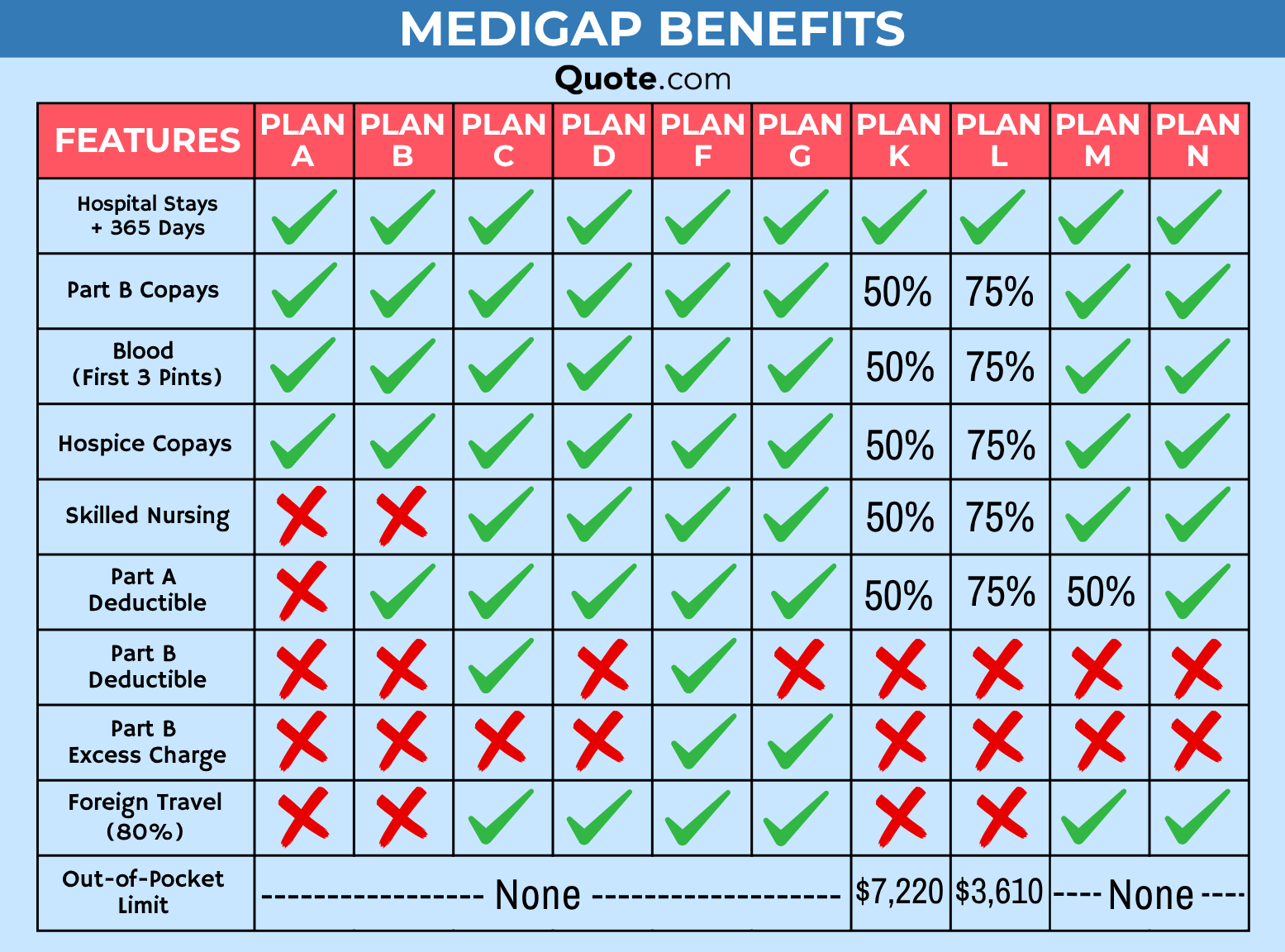
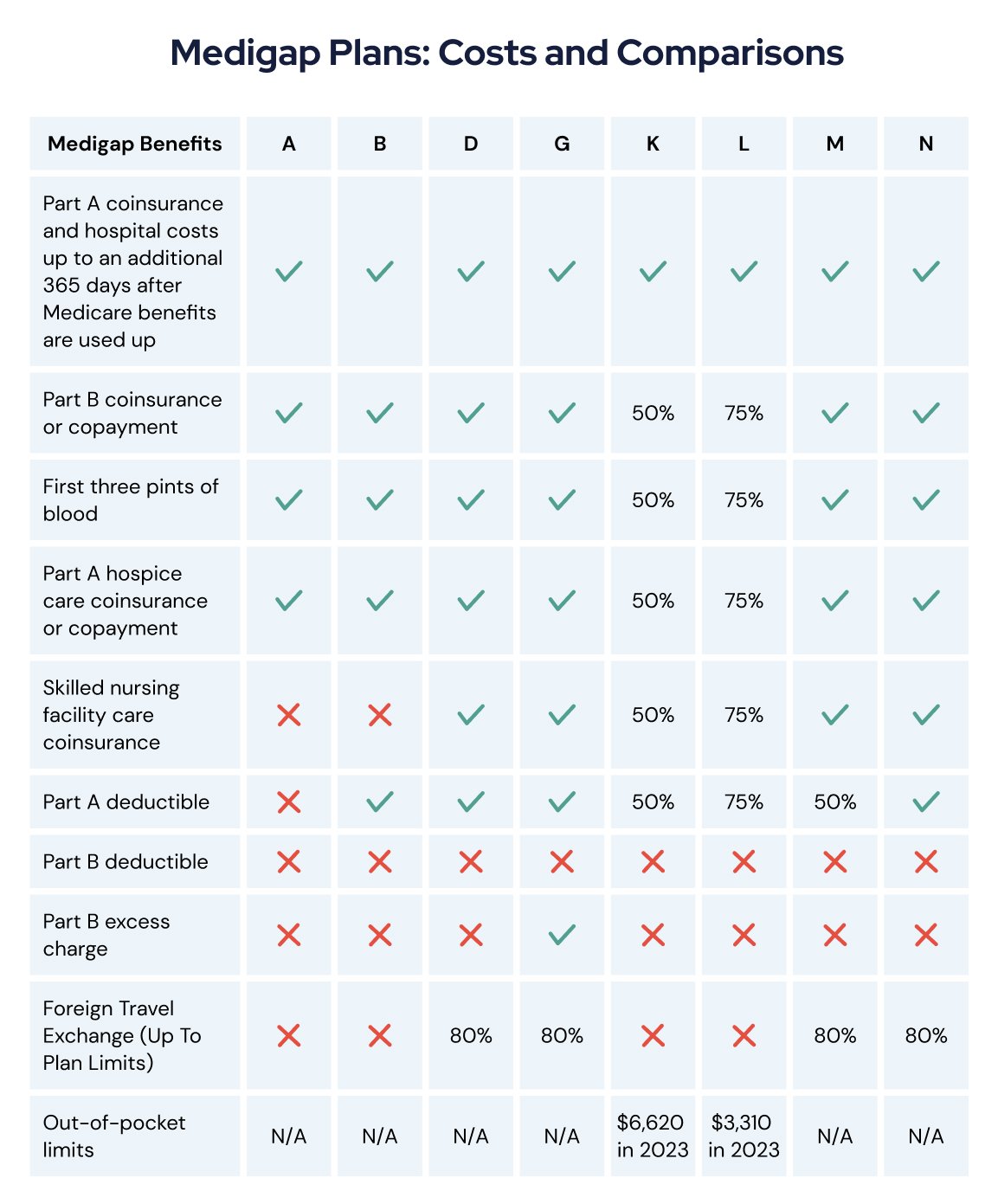
To evaluate the true value of the cost associated with AARP Plan G, policyholders must understand the standardized benefits mandated by the Centers for Medicare & Medicaid Services (CMS). Regardless of the insurance carrier or the state in which a policy is purchased, every Medigap Plan G offers the exact same core benefits:
- Medicare Part A coinsurance and hospital costs: Coverage for up to an additional 365 days after Medicare benefits are exhausted.
- Medicare Part A hospice care coinsurance or copayment: Coverage for approved hospice care expenses.
- Medicare Part B coinsurance or copayment: Generally 20% of the Medicare-approved amount for outpatient services.
- Blood services: Cost of the first three pints of blood used in a medical procedure.
- Skilled nursing facility care coinsurance: Coverage for care in an approved facility during a qualifying stay.
- Medicare Part B excess charges: 100% coverage if a doctor or healthcare provider does not accept Medicare assignment and charges more than the Medicare-approved amount.
- Foreign travel emergency care: Coverage for emergency medical care during travel outside the United States (typically up to lifetime limits, with a deductible and coinsurance).
The only out-of-pocket expense not covered by Plan G is the annual Medicare Part B deductible. Once an enrollee pays that deductible out of pocket, Plan G covers 100% of all remaining approved costs for Part A and Part B services for the rest of the calendar year.
Key Factors Influencing AARP Plan G Pricing in 2026
When examining the cost of AARP Plan G in 2026, it is vital to recognize that UnitedHealthcare determines premiums based on several underlying rating methodologies and individual rating factors. Unlike Original Medicare, which charges standard premiums for most beneficiaries, Medigap pricing is variable and subject to change annually.
Geographic Location and Rate Variations
The state, county, and ZIP code in which a policyholder resides exert the single greatest influence on monthly premiums. Healthcare costs, regional utilization rates, state insurance regulations, and local legal environments all play a role. For example, a monthly premium for an identical AARP Plan G policy in a rural county in the Midwest may differ substantially from the cost in a high-cost-of-living metropolitan area on the East Coast.
Rating Methodologies Used by Insurers
Insurance companies use three distinct rating systems to calculate how Medigap premiums increase over time. Beneficiaries must know which structure applies to their policy, as it dictates how rates change as they grow older:
- Community-Rated (No-Age-Rated): Everyone in a specific geographic area pays the exact same monthly premium regardless of age. Premiums do not increase simply because the policyholder grows older, though they may adjust periodically due to overall inflation, medical cost trends, and statutory changes.
- Issue-Age-Rated: The premium is calculated based on the policyholder's age at the exact time the policy is first purchased. Rates are lower for younger enrollees, and while premiums will not increase due to advancing age, they can still rise over time due to general inflation and medical cost escalation.
- Attained-Age-Rated: The premium is based on the policyholder's current age, meaning the monthly cost increases automatically every year as the individual gets older, in addition to any general rate adjustments driven by healthcare inflation.
Age, Gender, and Tobacco Use
While community-rated policies do not factor age into the monthly bill, many issue-age and attained-age policies do. Younger enrollees typically secure lower baseline rates. Furthermore, some states and plans factor in tobacco use, charging higher premiums for individuals who smoke or use tobacco products. Gender can also influence rates in certain jurisdictions, though many states regulate or prohibit gender-based premium differentials.
Understanding Household Discounts and Additional Perks
When assessing the financial commitment required for AARP Plan G, policyholders should also account for potential savings opportunities and value-added programs provided through the AARP membership framework.
UnitedHealthcare offers a household discount in many states for eligible individuals who live with another adult, such as a spouse, family member, or domestic partner, who also holds an AARP Medicare Supplement policy with the company. This discount typically ranges around 5% to 10% off the standard monthly premium, though availability and percentage rates vary by state regulations.
Additionally, policyholders gain access to non-insurance features tied to the AARP endorsement, such as specialized customer service channels, health and wellness resources, and occasional fitness program memberships like Renew Active, which provides access to participating local gyms and fitness centers.
| Feature / Consideration | What It Means for AARP Plan G Enrollees |
|---|---|
| Standardized Benefits | Identical medical coverage across all insurance carriers offering Plan G. |
| Part B Deductible | Not covered by Plan G; the policyholder must pay this out of pocket annually. |
| Rating Structures | Community-rated, issue-age-rated, or attained-age-rated depending on state rules. |
| Household Discounts | Potential 5% to 10% savings if multiple household members hold policies. |
| Medical Underwriting | Required if applying outside of the initial Open Enrollment Period or a guaranteed issue window. |
Enrollment Timing and Medical Underwriting
The cost of AARP Plan G is not only financial but also structural, depending heavily on when a beneficiary applies for coverage. Understanding the rules governing Medigap enrollment can prevent unexpected denials or higher costs.
The Medigap Open Enrollment Period
The most cost-effective and seamless time to enroll in AARP Plan G is during the six-month Medigap Open Enrollment Period. This window begins on the first day of the month in which an individual is both 65 or older and enrolled in Medicare Part B.
During this statutory window, insurance companies cannot use medical underwriting. They must accept any applicant, charge the standard market rate regardless of pre-existing health conditions, and cannot deny coverage or charge higher premiums due to health status.
Applying Outside the Open Enrollment Window
If a beneficiary attempts to purchase or switch to AARP Plan G outside of their initial Open Enrollment Period or outside of specific federal guaranteed issue rights (such as losing employer coverage or moving out of a plan's service area), insurance companies are legally permitted to conduct medical underwriting.
During medical underwriting, the insurer reviews the applicant's medical history, current medications, and past health conditions. Based on this evaluation, the insurance company can legally deny coverage entirely or charge a higher premium due to health risks. Securing coverage during the initial window remains critical for maintaining predictable costs.
Evaluating Long-Term Cost Trajectories
When budgeting for AARP Plan G in 2026, beneficiaries must look beyond the initial monthly sticker price. Medical inflation, technological advancements in healthcare, and the aging demographics of the United States population exert continuous upward pressure on healthcare costs. Consequently, Medigap premiums tend to adjust upward incrementally each year.
Rate Increase History and Projections
Insurance companies file proposed rate adjustments with state insurance departments annually. These adjustments reflect actual claims experience within a specific risk pool. If a particular group of policyholders incurs higher-than-expected medical expenses, rates for that group may rise faster than general inflation. Reviewing an insurer's historical rate stability in a specific state can provide insight into how predictably premiums may behave over time.
Comparing Plan G with High-Deductible Plan G and Plan N
For budget-conscious consumers seeking alternatives to standard Plan G, carriers frequently offer variations that change the cost-sharing dynamic:
- High-Deductible Plan G: Offers the exact same comprehensive benefits as standard Plan G, but only after the policyholder meets an annual high deductible. In exchange for taking on this higher upfront risk, the monthly premium is significantly lower.
- Plan N: Offers lower monthly premiums than Plan G in exchange for small copayments for certain doctor visits (up to $20) and emergency room visits (up to $50), while leaving Part B excess charges as the responsibility of the policyholder.
Comparing these alternative structures helps enrollees balance monthly fixed costs against potential variable medical expenses based on their personal healthcare utilization patterns.
Frequently Asked Questions
Does AARP Plan G cover prescription drugs?
No. Standard Medigap policies, including Plan G, do not cover outpatient prescription drugs. Beneficiaries must enroll in a separate Medicare Part D prescription drug plan (PDP) or a Medicare Advantage plan that includes drug coverage to manage medication expenses.
Why do AARP Plan G prices vary so much between different ZIP codes?
Medigap pricing is regulated at the state level and heavily influenced by local healthcare costs, physician fee schedules, and regional medical utilization rates. Insurers adjust their rates to match the expected cost of care within specific geographic risk pools.
Can UnitedHealthcare cancel my AARP Plan G policy if my health declines?
No. Medigap policies are guaranteed renewable. As long as you continue to pay your monthly premiums on time, UnitedHealthcare cannot cancel your policy, change your individual benefits, or raise your rates due to declining health.
How does the household discount work for AARP Plan G?
Many states allow a household discount if two or more eligible adults living at the same address, or in some cases married couples, hold qualifying AARP Medicare Supplement policies through UnitedHealthcare. The discount percentage is typically applied directly to the monthly billing statement.
What happens to my Plan G cost if I move to a different state?
Because Medigap rates are location-dependent, moving to a different state or even a different ZIP code typically results in a rate adjustment. Policyholders should notify UnitedHealthcare before relocating to understand how their monthly premium will update in the new service area.
Next Actions for Beneficiaries
To determine the exact 207 AARP Plan G cost for your specific situation in 2026, take a systematic approach to gathering localized data:
- Check Your Enrollment Window: Confirm whether you are within your initial Medigap Open Enrollment Period or qualify for guaranteed issue rights to avoid medical underwriting.
- Request Official Quotes: Visit the official AARP Medicare Supplement insurance portal managed by UnitedHealthcare or speak directly with a licensed insurance agent to pull personalized rate quotes based on your exact ZIP code, age, and tobacco-use status.
- Review Household Discount Eligibility: Inquire whether your household qualifies for multi-policy discounts to reduce your monthly premium.
- Compare Plan Alternatives: Evaluate whether standard Plan G aligns better with your budget than a High-Deductible Plan G or Plan N based on your expected annual medical needs.