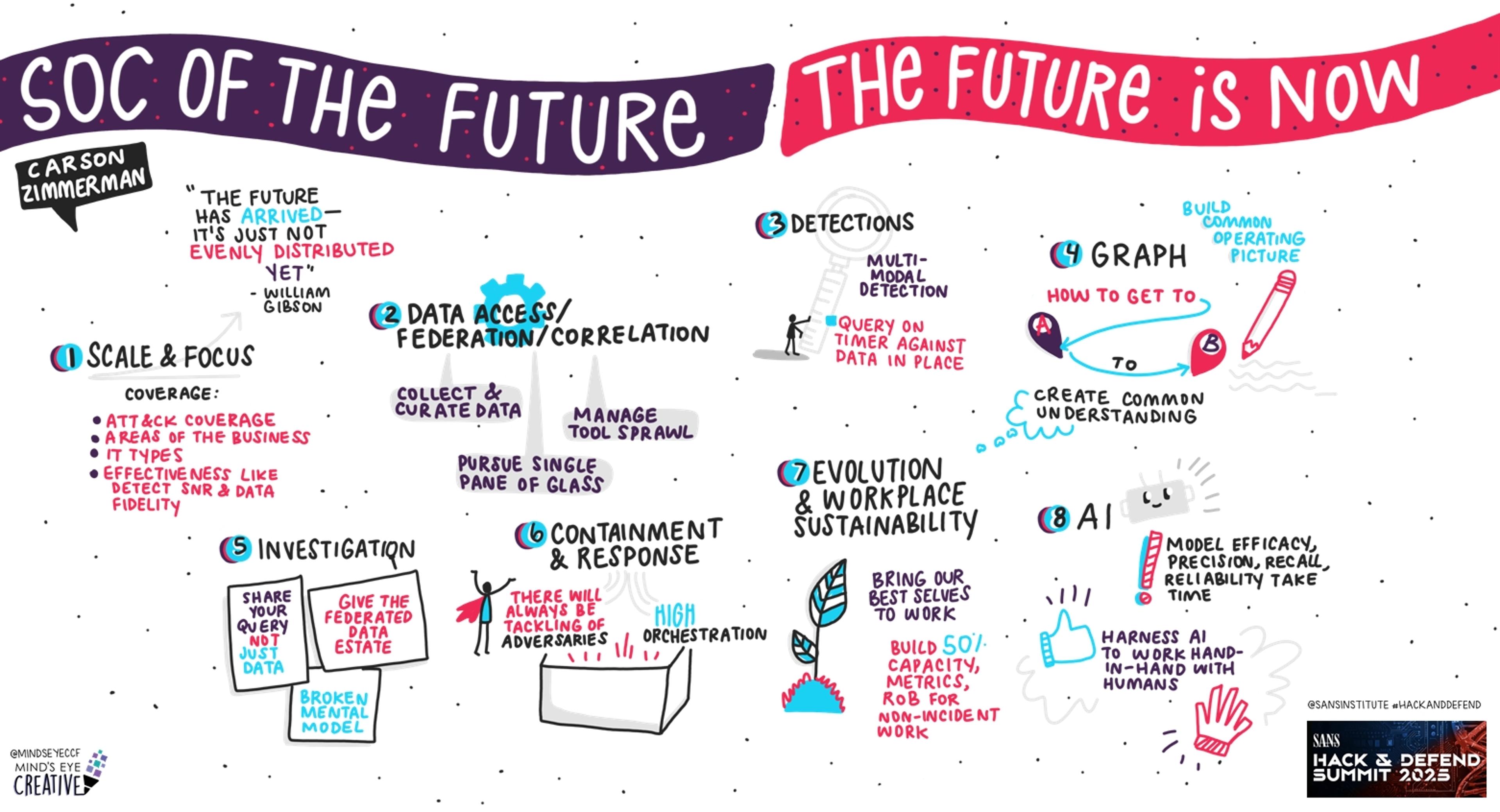
The 2025 SANS SOC Survey findings provide a comprehensive look at the state of Security Operations Centers, highlighting critical industry benchmarks regarding team burnout, tool automation, detection engineering challenges, and the persistent gap between security monitoring metrics and genuine threat visibility.
Introduction to the SANS SOC Survey
For cybersecurity leaders, chief information security officers (CISOs), and security operations center (SOC) managers, understanding how peer organizations structure their defenses, deploy technology, and manage human capital is essential for strategic planning. The SANS Institute regularly conducts comprehensive industry research to pulse the operational reality of defenders on the front lines. The findings from this research offer an empirical baseline for evaluating internal capabilities against broader market trends.
This analysis examines the core metrics, operational bottlenecks, technology adoption trends, and strategic takeaways derived from the survey data. By evaluating these data points, security teams can pinpoint structural vulnerabilities, optimize budget allocations, and navigate the complex balance between automated tooling and human analyst expertise.
Defining the Modern Security Operations Center
Before dissecting survey data, it is necessary to establish what constitutes the modern SOC within the scope of these findings. Historically viewed simply as a centralized log-monitoring room, the contemporary SOC has evolved into a dynamic, multi-tiered response engine integrating threat intelligence, incident response, vulnerability management, and proactive detection engineering.
However, this expansion of scope has introduced severe operational friction. Organizations increasingly expect their SOCs to handle cloud environments, containerized workloads, software-as-a-service (SaaS) applications, and traditional on-premises infrastructure simultaneously. The survey findings capture the strain of this expanded attack surface, revealing a stark contrast between organizations that successfully modernize their workflows and those trapped in reactive, alert-fatigue cycles.
Core Operational Metrics and Staffing Realities
Human capital remains the most critical—and most volatile—component of any security operations center. The 2025 survey highlights deep-seated challenges in staffing retention, shift coverage, and analyst burnout.
Analyst Burnout and Turnover Rates
Burnout continues to plague security operations environments. High volumes of low-fidelity alerts, unrealistic uptime expectations, and the psychological weight of high-stakes incident remediation contribute to sustained attrition rates.
According to data reflected in the findings, a significant percentage of analysts report feeling overwhelmed by alert volumes. This constant state of cognitive overload leads to missed indicators of compromise (IoCs), delayed incident responses, and high turnover. Replacing experienced analysts is costly and time-consuming, creating a vicious cycle where understaffed teams face even greater workloads, accelerating further burnout.
Staffing Structures and Shift Models
The survey explores how organizations distribute human resources to maintain 24/7/365 monitoring. While mature enterprises often leverage follow-the-sun models or fully outsourced managed detection and response (MDR) services, mid-sized organizations frequently struggle to staff night and weekend shifts adequately. This coverage gap often leaves organizations vulnerable to off-hours intrusions, forcing tier-1 and tier-2 analysts to absorb unsustainable on-call responsibilities.
Technology Stack, Tool Sprawl, and Automation
The proliferation of security tooling is a recurring theme in SANS research. Modern SOCs rarely operate with a single cohesive platform; instead, they manage a complex ecosystem of disparate solutions.
The Impact of Tool Sprawl
Organizations routinely deploy dozens of distinct security products, including Security Information and Event Management (SIEM) platforms, Endpoint Detection and Response (EDR) agents, Network Detection and Response (NDR) tools, cloud security posture management (CSPM) solutions, and threat intelligence platforms.
While each tool serves a specialized purpose, tool sprawl creates severe integration hurdles. Analysts spend valuable time pivoting between multiple pane-of-glass interfaces, manually correlating data, and writing custom parsers to bridge telemetry gaps. The survey highlights that tool sprawl frequently degrades, rather than enhances, operational efficiency if not managed through rigorous orchestration.
Adoption of Security Orchestration, Automation, and Response (SOAR)
To combat alert fatigue and manual toil, organizations continue to invest in SOAR technologies. However, the survey findings reveal a nuanced gap between tool acquisition and effective deployment.
- Basic Automation: Most SOCs successfully automate repetitive Tier-1 tasks, such as enriching IP addresses with threat intelligence or executing automated containment scripts for known malware hashes.
- Complex Orchestration: True end-to-end workflow automation remains elusive for many respondents due to brittle application programming interfaces (APIs), undocumented internal systems, and a lack of dedicated automation engineers within the SOC.
| Capability Area | Adoption Maturity | Primary Bottleneck | Strategic Impact |
|---|---|---|---|
| SIEM & Log Collection | High | Data ingestion costs & parsing overhead | Baseline visibility into network and host telemetry. |
| EDR / XDR Deployment | Moderate to High | Endpoint agent coverage gaps & tuning | Crucial for rapid containment and host-level forensics. |
| SOAR Implementation | Moderate | Custom integration maintenance & skill gaps | Reduces manual toil for repetitive Tier-1 triage. |
| Threat Intelligence Integration | Low to Moderate | Signal-to-noise ratio & manual contextualization | Enhances proactive hunting vs. reactive alerting. |
Detection Engineering and Visibility Challenges
A high-performing SOC relies on robust detection engineering—the systematic process of designing, testing, and refining detection rules to identify malicious behavior with minimal false positives.
The Signal-to-Noise Ratio Problem
Many survey respondents report that their detection mechanisms generate an unsustainable volume of false positives. This noise obscures genuine threats and erodes trust in the alerting pipeline. When analysts encounter high false-positive rates, alert fatigue sets in, increasing the statistical likelihood of ignoring a critical indicator.
Moving Beyond Signature-Based Detection
The findings indicate a gradual, albeit uneven, shift away from static signature-based detection toward behavior-based analytics, anomaly detection, and framework-aligned mapping (such as the MITRE ATT&CK framework). Organizations that align their detection engineering pipelines with specific adversary behaviors demonstrate superior incident dwell times compared to those relying solely on out-of-the-box vendor rules.
Budget Constraints and Executive Alignment
Securing adequate funding for technology upgrades, training, and headcount expansion remains a persistent challenge for security leaders.
Justifying Return on Investment (ROI)
Security is notoriously difficult to measure through traditional financial metrics because the primary return on investment is the absence of a catastrophic breach. The survey underscores the difficulty CISOs face when communicating risk, operational capacity, and resource needs to executive boards and financial decision-makers.
Training and Skill Development Budgets
While organizations readily allocate capital to software licenses and hardware, continuous professional development for human analysts often faces budget compression. The survey findings suggest that organizations investing heavily in targeted technical training and certifications experience significantly better retention rates and faster incident resolution times than those neglecting staff development.
Comparative Industry Perspectives: Insourced vs. Outsourced SOCs
Organizations must continually evaluate whether to build an internal capability, rely entirely on an external managed service provider (MSP/MDR), or adopt a hybrid operational model.
Insourced (Internal) SOCs
- Pros: Deep contextual knowledge of proprietary business applications, direct alignment with internal IT priorities, and total control over data governance.
- Cons: High capital expenditure, recruitment difficulties, retention pressures, and challenges maintaining round-the-clock staffing.
Outsourced and Hybrid SOCs
- Pros: Immediate access to specialized expertise, predictable subscription-based operational expenses, and established 24/7 monitoring capabilities.
- Cons: Potential communication friction during high-intensity incidents, reliance on third-party service-level agreements (SLAs), and variable analyst quality across provider tiers.
Common Strategic Pitfalls Identified in the Survey
Analysis of the survey data reveals several recurring missteps that undermine security operations effectiveness across multiple verticals:
- Treating Tools as a Strategy: Acquiring expensive new platforms without establishing the internal processes, engineering pipelines, or analyst training required to operate them effectively.
- Neglecting Data Hygiene: Ingesting massive volumes of unparsed, irrelevant log data into SIEM platforms, driving up licensing costs while failing to improve visibility.
- Isolating the SOC: Operating the security operations center in a silo separate from DevOps, IT infrastructure, and application development teams, hindering context-sharing and vulnerability remediation.
- Ignoring Metric Quality: Measuring SOC success solely by quantitative metrics like "total alerts closed" rather than qualitative metrics like "mean time to detect" (MTTD) and "mean time to respond" (MTTR).
Practical Recommendations for Security Leaders
Based on the aggregated insights of the research findings, security leaders and practitioners can implement several actionable steps to optimize their security operations:
- Audit and Tune Existing Detections: Conduct a comprehensive review of all active detection rules. Deprecate noisy, low-value alerts and prioritize behavioral rules mapped to high-risk adversary tactics.
- Invest in Analyst UpSkilling: Allocate dedicated time and budget for continuous learning. Empower tier-1 analysts to transition into detection engineering and threat-hunting roles to improve career pathways and retention.
- Rationalize the Tool Stack: Perform an inventory of all active security solutions. Eliminate redundant tools that overlap in capability to reduce licensing overhead and minimize analyst context-switching.
- Codify Automation Iteratively: Start small with SOAR integration. Automate repetitive enrichment and ticket-creation tasks before attempting complex, multi-system remediation workflows.
Frequently Asked Questions
What is the primary focus of the SANS SOC Survey?
The survey assesses the operational state of Security Operations Centers globally, focusing on staffing metrics, technology adoption, detection engineering challenges, budget allocations, and methodologies used to combat analyst burnout and alert fatigue.
Why is analyst burnout highlighted so prominently in the findings?
Analyst burnout is a primary driver of high employee turnover within cybersecurity. Excessive alert volumes, unrealistic 24/7 coverage expectations, and manual administrative tasks create chronic stress, directly impacting an organization's security posture.
How do organizations address alert fatigue according to the survey?
Organizations combat alert fatigue by deploying Security Orchestration, Automation, and Response (SOAR) platforms, refining detection engineering rules to eliminate false positives, and investing in advanced threat-context enrichment tools.
What is the difference between signature-based and behavior-based detection noted in the findings?
Signature-based detection looks for known indicators like specific file hashes or exact string matches, which easily miss novel attacks. Behavior-based detection analyzes anomalous actions, system calls, and network patterns aligned with frameworks like MITRE ATT&CK to catch sophisticated threats.
Are fully outsourced SOCs more effective than internal teams?
Neither model is universally superior. Outsourced MDR provides immediate 24/7 scale and specialized expertise, whereas internal SOCs offer superior contextual understanding of proprietary business environments and applications. Many organizations utilize a hybrid model.
Conclusion and Next Actions
The 2025 SANS SOC Survey findings paint a realistic picture of modern security operations: an environment balancing powerful technological capabilities against persistent human capital shortages, tool sprawl, and detection complexity. Security leaders must look beyond software acquisitions and focus on data hygiene, strategic automation, detection engineering maturity, and the professional growth of their analysts. To begin improving your internal operations today, conduct a comprehensive audit of your current alert volume, measure your true false-positive rate, and map your existing detection rules against known adversary behaviors.