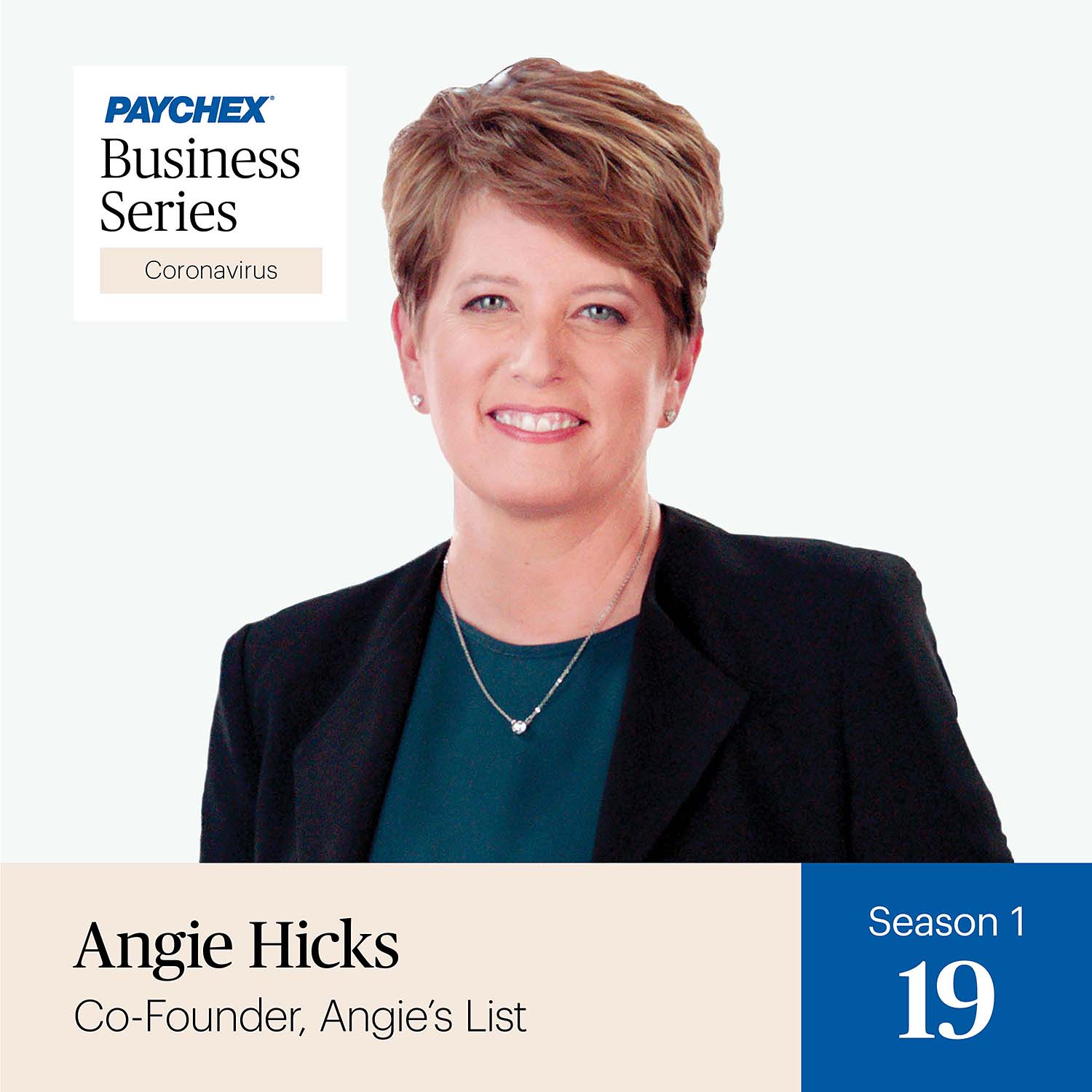
In 2019, Angie Hicks—the co-founder of the digital services marketplace Angie’s List—maintained a significant net worth primarily tied to her long-standing stake in the company and her role as a prominent executive. While private financial documents were never public, her wealth was derived from the company’s evolution, including its 2017 merger to form ANGI Homeservices Inc.
The Foundation of Angie Hicks’ Professional Career
Angie Hicks occupies a unique position in the history of internet entrepreneurship. Unlike many founders who rose to prominence during the late-2010s tech boom, Hicks began her journey in the mid-1990s. In 1995, she teamed up with Bill Oesterle to create what was then a hyper-local print publication in Columbus, Ohio. The mission was straightforward: to provide homeowners with a reliable, peer-reviewed list of contractors and service providers. This directory was born out of a genuine need for transparency in the home services industry, a sector previously plagued by a lack of accountability.
Throughout the late 1990s and early 2000s, Hicks served as the face and operational engine of the company. As the business transitioned from a telephone-based referral service to a robust online portal, Hicks remained a core fixture. Her net worth began to appreciate substantially as the platform expanded its reach across the United States, eventually filing for an Initial Public Offering (IPO) in 2011. By 2019, the valuation of her holdings was intrinsically linked to the market performance of the entity that had absorbed her original company.
Contextualizing the 2017 Merger and the 2019 Financial Landscape
To understand why 2019 is a focal point for interest in her net worth, one must look at the structural changes the company underwent two years prior. In 2017, Angie’s List merged with HomeAdvisor, a subsidiary of IAC (InterActiveCorp), to create ANGI Homeservices Inc. This was a pivotal moment in the company’s corporate history.
Following this merger, Hicks transitioned into the role of Chief Customer Officer. This corporate restructuring meant that her personal equity was converted into shares of the new, larger parent organization. By 2019, ANGI Homeservices (ticker symbol: ANGI) was a publicly traded company on the NASDAQ. Because her wealth was tied to publicly traded stock, financial analysts and curious observers often used the company's market cap and her historical disclosures of share ownership to estimate her financial standing.
However, it is crucial to clarify that net worth is not synonymous with liquid cash. Much of the wealth attributed to tech founders in 2019 was "paper wealth," represented by equity stakes that fluctuate based on daily trading volumes and broader economic conditions within the home services and construction sectors.
Financial Components of Wealth in the Tech Sector
The estimation of an individual's net worth in a corporate context typically involves several layers of assets. For an executive of Hicks's caliber, these assets generally include:
- Equity Holdings: Shares in the parent company, ANGI Homeservices. This represented the largest portion of her estimated net worth.
- Executive Compensation: As a senior executive, her annual salary and performance-based bonuses contributed to her liquid assets and overall portfolio.
- Diversified Investments: High-net-worth individuals rarely keep all assets in a single equity. Private investments, real estate holdings, and managed portfolios often constitute a significant, though private, portion of total wealth.
- Vesting Schedules: Stock options and restricted stock units (RSUs) often carry vesting schedules that define when an executive can actually access or sell their shares.
In 2019, the home services market was experiencing a period of significant digital transformation. As more consumers turned to their mobile devices to find roofers, plumbers, and interior designers, the valuation of companies like ANGI Homeservices remained high. This growth cycle directly influenced the market value of the shares held by original founders like Hicks.
Comparison of Market Dynamics in 2019
The following table illustrates the factors that influenced the valuation of companies like those founded by Hicks during the 2019 fiscal year, compared to the early startup phase.
| Factor | Startup Phase (Late 90s) | Mature Public Phase (2019) |
|---|---|---|
| Primary Revenue | Membership fees and advertising | Lead generation and marketplace services |
| Market Access | Local/Regional directories | National digital platform |
| Asset Type | Private equity/Company ownership | Public stock (ANGI) |
| Primary Valuation Driver | User acquisition/Community trust | Scalability/Data-driven lead conversion |
| Individual Risk | High (Founder exposure) | Diversified (Institutional ownership) |
The Role of Public vs. Private Wealth Disclosures
One of the reasons search intent often focuses on specific years like 2019 is the desire for precision in an era of digital data. However, there is a fundamental distinction between the wealth of public figures and the reality of their private financial statements.
When major financial outlets report on the "net worth" of executives, they often utilize algorithmic models that aggregate public stock filings (such as SEC Form 4 filings for company insiders). These filings track the buying and selling of stock. If Hicks sold a specific block of shares in 2019, that event would be public record. However, these models cannot account for private debt, personal property, offshore accounts, or private equity investments. Therefore, any figure provided regarding her 2019 net worth should be viewed as an informed estimate rather than a verified balance sheet.
Beyond the Numbers: The Impact of Leadership
The true measure of Hicks’s influence by 2019 was less about her specific net worth and more about her enduring impact on the home services ecosystem. She helped build a business model that shifted how contractors gain business and how homeowners verify the quality of work. By 2019, the "Angie's List" brand had become so ubiquitous that it was effectively synonymous with the category of "trusted home service reviews."
This brand equity is intangible but holds immense value. As a leader, Hicks’s ability to navigate the transition from a niche, community-based startup to a component of a massive digital conglomerate serves as a case study for long-term entrepreneurial success. Her ability to remain relevant and keep her original vision intact through a major merger is a rare feat in the high-churn environment of Silicon Valley and the broader tech industry.
Frequently Asked Questions
1. Was Angie Hicks still involved in her company in 2019? Yes. Following the 2017 merger into ANGI Homeservices, Hicks continued her professional journey with the company, serving as the Chief Customer Officer. Her role focused on maintaining the trust and quality standards that were foundational to the original business model.
2. Why do people search for "2019 net worth" specifically? Search interest in specific years often stems from a desire to track an individual's progress during a peak or transitional period in their career. In 2019, ANGI Homeservices was a high-profile entity, and the general public often conflates professional success with the growth of personal net worth.
3. Does Angie Hicks own all of Angie’s List? No. After the company grew, it moved through several phases of private and public funding, culminating in the merger with HomeAdvisor to form ANGI Homeservices Inc. Hicks owned a portion of the company as a co-founder and shareholder, but she did not hold sole ownership.
4. Where is the most accurate information on her finances? The most accurate information regarding an executive's financial holdings can be found in public SEC (Securities and Exchange Commission) filings. These documents detail the number of shares held by insiders and any transactions involving those shares.
5. How much is Angie Hicks worth today? As of 2026, there is no official, verified document stating her current exact net worth. Like many private individuals who have achieved significant professional success, her financial details are not a matter of public record. Wealth estimates found on the internet are typically speculative and should not be treated as financial fact.
Recommendation for Further Research
If you are investigating the financial history of tech executives for academic or professional purposes, avoid "net worth" aggregator websites, as they often rely on guesswork. Instead, direct your efforts toward official regulatory filings. For information regarding ANGI Homeservices, visit the Investor Relations section of the IAC website or the SEC’s EDGAR database. These portals provide historical data on stock ownership and executive compensation that are grounded in verified legal documentation rather than conjecture.