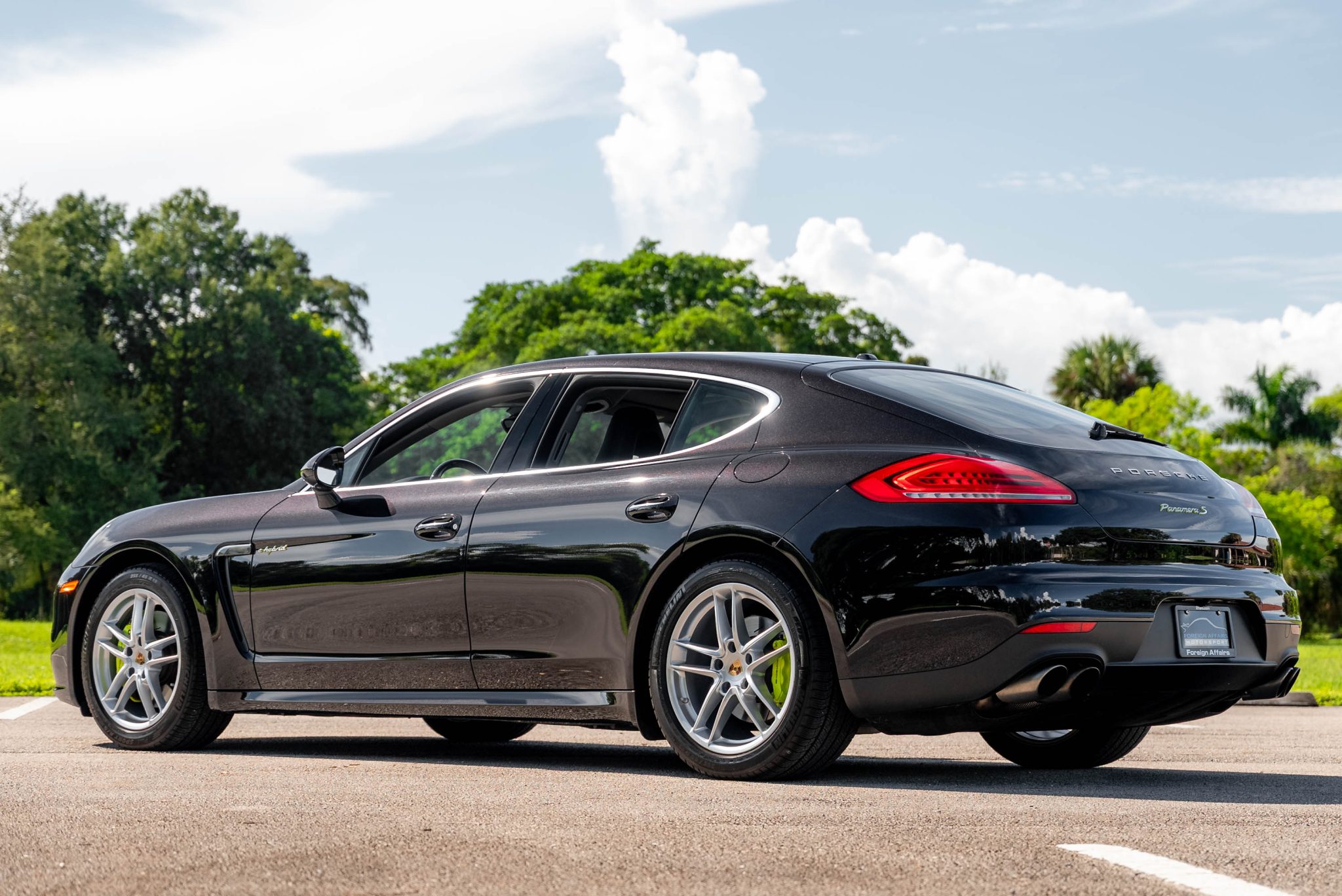
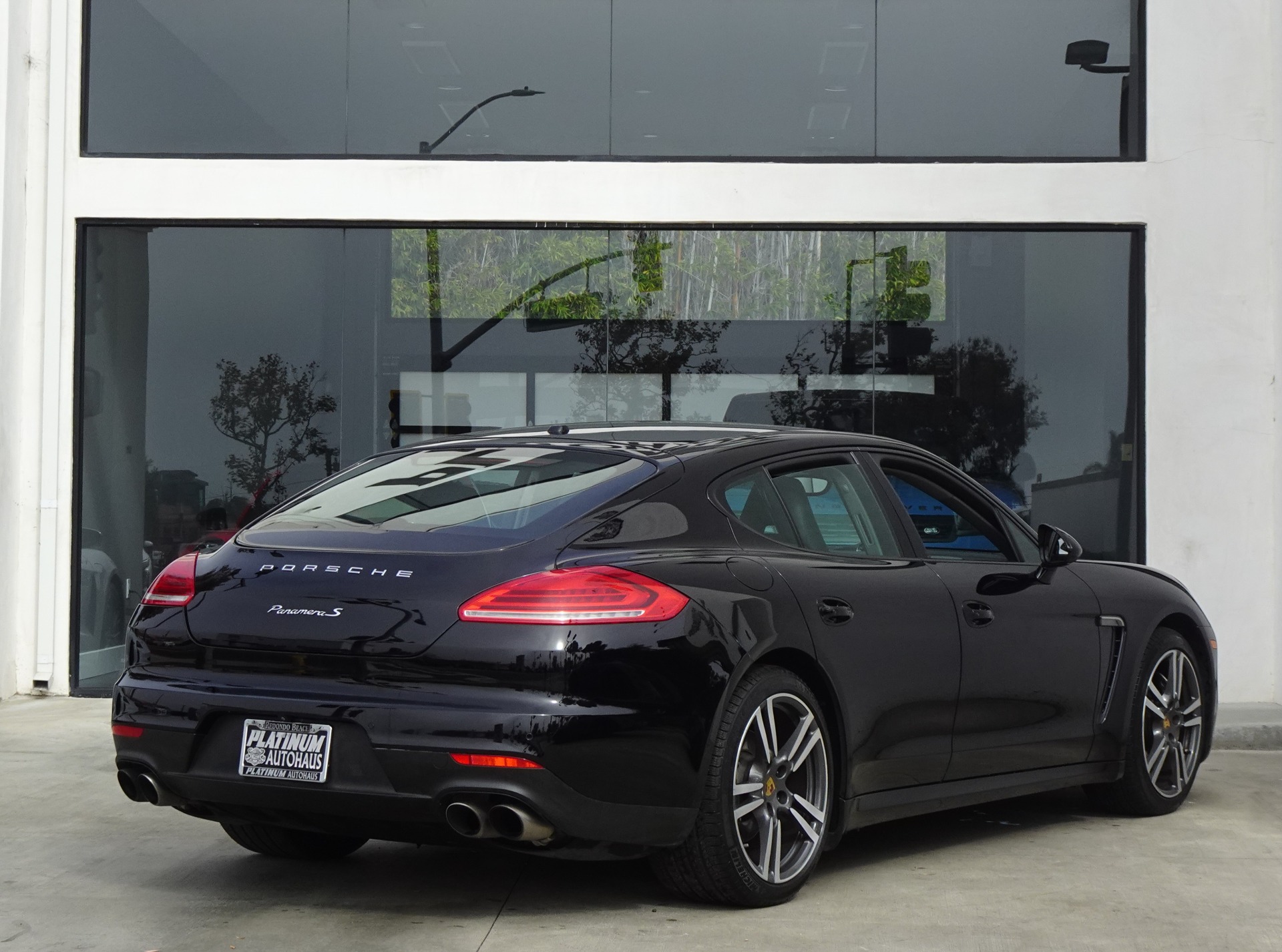
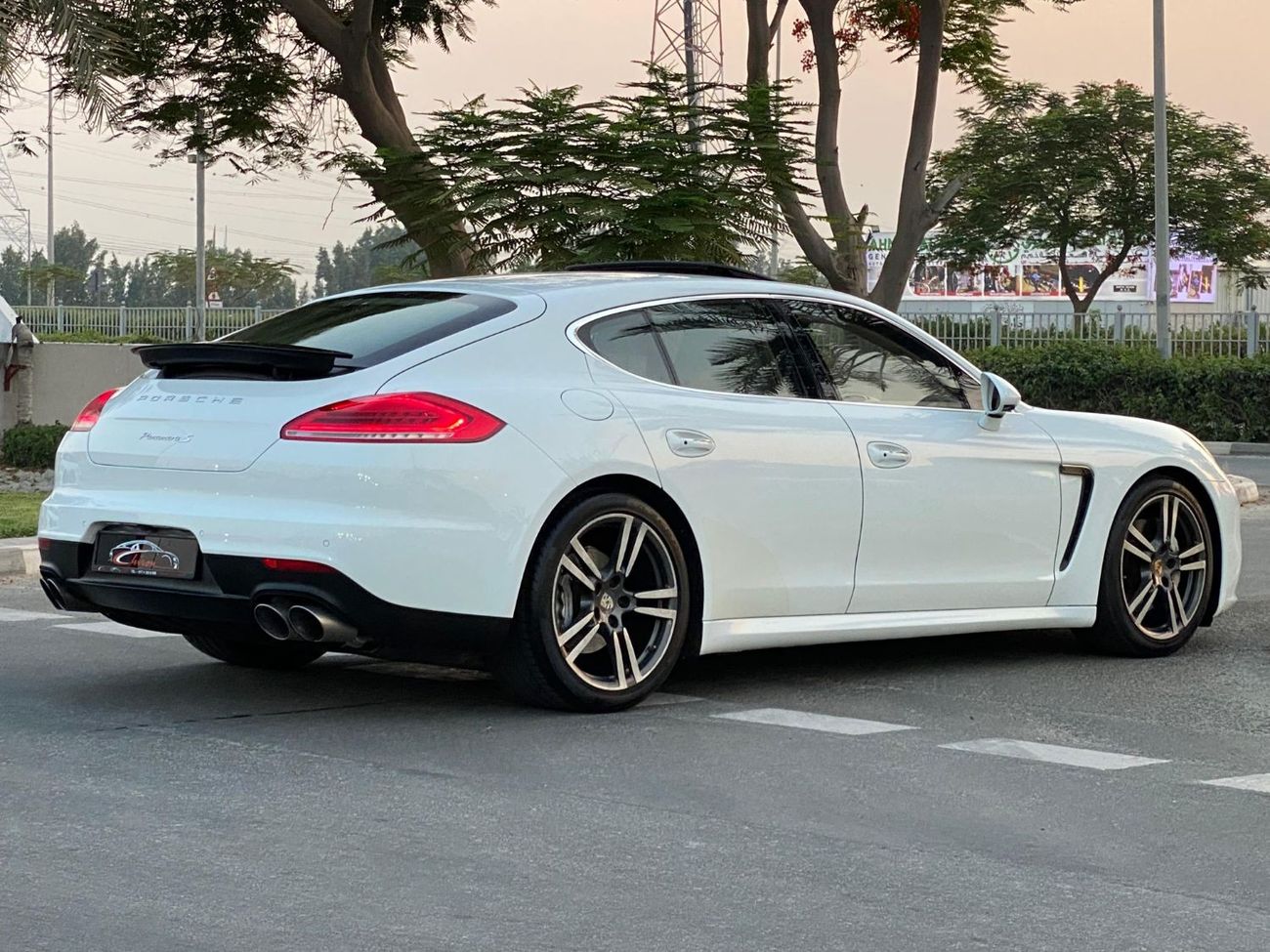
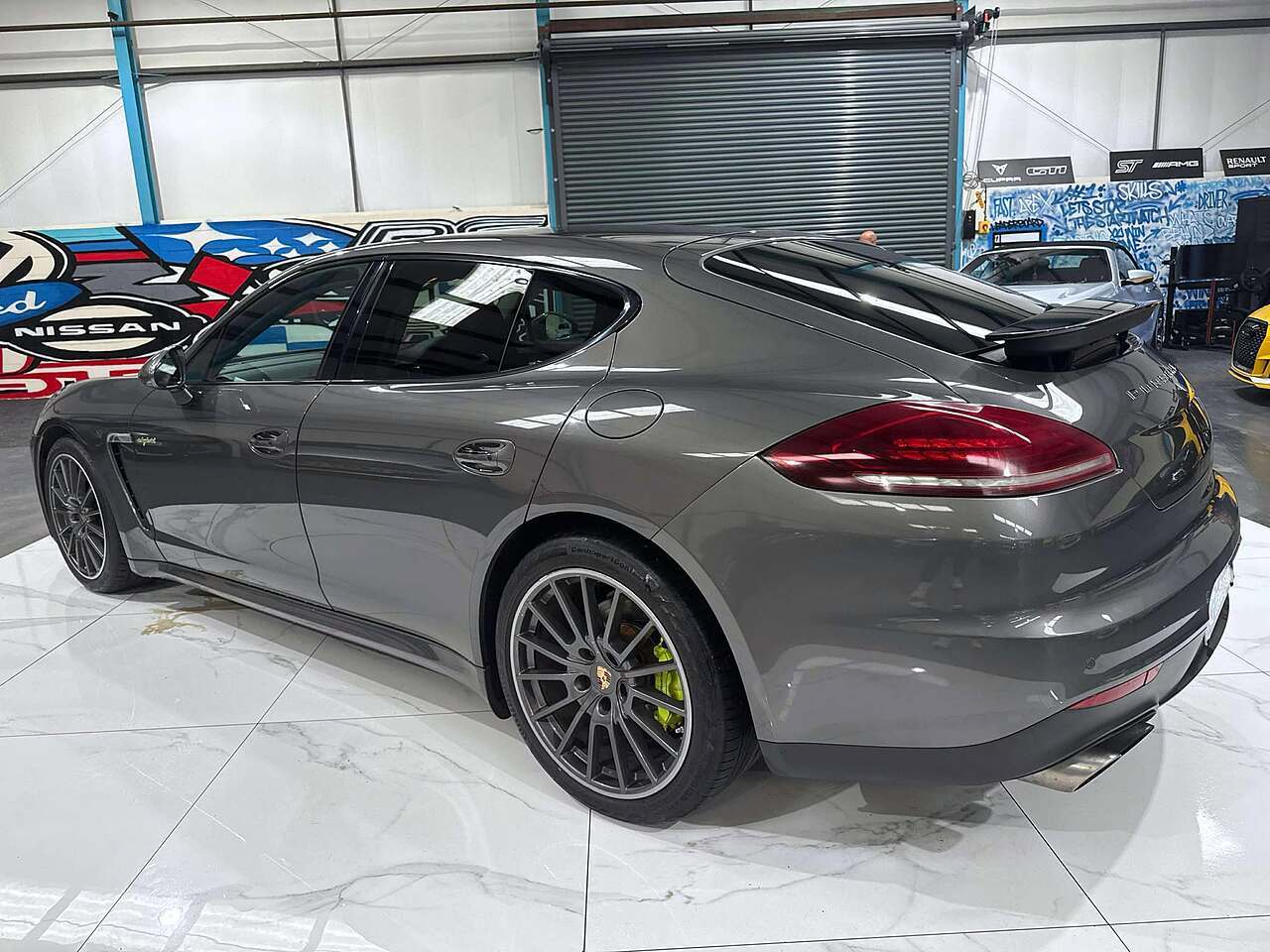
The 2014 Porsche Panamera S achieves a 0 to 60 mph acceleration time of approximately 4.2 to 4.4 seconds when equipped with the Sport Chrono Package and Porsche's PDK dual-clutch transmission, driven by a downsized yet powerful twin-turbocharged V6 engine that replaced the older naturally aspirated V8.
Evaluating the performance capabilities of a luxury grand tourer requires looking past marketing claims and examining the engineering decisions, powertrain architecture, and real-world testing dynamics that define the vehicle. The 2014 model year marked a significant mid-cycle refresh for the first-generation Porsche Panamera (internally designated as the 970). While exterior styling tweaks and interior ergonomics received attention, the most consequential modification for the Panamera S variant lived under the aluminum hood: the retirement of the 4.8-liter naturally aspirated V8 in favor of a new 3.0-liter twin-turbocharged V6.
For driving enthusiasts and potential buyers assessing the 2014 Porsche Panamera S 0-60 performance metrics, understanding how this forced-induction engine delivers power, how the transmission manages gear shifts, and how vehicle weight and chassis dynamics influence acceleration is essential. This analysis explores the technical specifications, real-world testing conditions, transmission behavior, and contextual comparisons that place the 2014 Panamera S into perspective within the high-performance sedan segment.
The Powertrain Evolution: Transitioning from V8 to Twin-Turbo V6
To understand the acceleration performance of the 2014 Porsche Panamera S, one must examine the powerplant responsible for moving this substantial luxury sedan. Prior to the 2014 model year, the Panamera S relied on a 4.8-liter naturally aspirated V8 engine that produced 400 horsepower and 369 lb-ft of torque. While smooth and sonorous, market demands for improved fuel efficiency and lower emissions pushed Porsche engineers to rethink the mid-range performance models.
For the 2014 model year, Porsche introduced an all-new 3.0-liter twin-turbocharged V6 engine for both the Panamera S and the long-wheelbase Panamera 4S. Despite losing 1.8 liters of displacement and two cylinders compared to its predecessor, the new direct-injection engine delivered superior performance figures:
- Horsepower: 420 hp at 6,000 rpm (an increase of 20 hp over the old V8)
- Torque: 384 lb-ft available across a broad plateau from 1,750 to 5,000 rpm (an increase of 15 lb-ft)
- Specific Output: 140 hp per liter, indicating high-efficiency turbocharging
- Induction: Two parallel turbochargers integrated with water-to-air intercoolers
This shift from naturally aspirated power to forced induction radically altered the vehicle's power delivery curve. Peak torque in the 2014 Panamera S arrived much earlier in the rev range than the outgoing V8, transforming the driving experience. Instead of requiring high revs to access maximum pulling power, the twin-turbo V6 delivered instantaneous throttle response from low engine speeds, directly benefiting standing-start acceleration and mid-range passing maneuvers.
Dissecting the 0-60 MPH Acceleration Figures
When automotive journalists and testing organizations put the 2014 Porsche Panamera S through standardized acceleration tests, the results consistently hovered around the mid-4-second range. Specifically, rear-wheel-drive Panamera S models equipped with the optional Sport Chrono Package achieved a 0-60 mph time of 4.2 seconds, while models without the package typically recorded times closer to 4.6 seconds.
Achieving these factory-claimed and tested benchmarks relies heavily on specific hardware and software integration:
- Launch Control Activation: The Sport Chrono Package unlocks the Launch Control function. When engaged, the engine management system holds revs at an optimal boost threshold (approximately 5,000 rpm) while the clutch packs of the PDK transmission pre-load.
- Clutch Engagement: Upon releasing the brake pedal, the Porsche Doppelkupplung (PDK) dual-clutch transmission manages clutch slip to maximize traction without inducing excessive wheel spin or bogging down the engine.
- Shift Optimization: During the run to 60 mph, the PDK executes lightning-fast upshifts without interrupting power delivery to the rear wheels, maintaining optimal boost pressure throughout the acceleration phase.
Without the Sport Chrono Package, standing starts are less aggressive because the driver must rely on traditional brake-torquing or standard throttle tip-in, which delays full turbo spooling and increases the 0-60 mph time by several tenths of a second.
| Model Variant | Engine | Horsepower | Torque | 0-60 MPH (With Sport Chrono) | Transmission |
|---|---|---|---|---|---|
| 2014 Panamera S | 3.0L Twin-Turbo V6 | 420 hp | 384 lb-ft | 4.2 seconds | 7-Speed PDK |
| 2014 Panamera 4S | 3.0L Twin-Turbo V6 | 420 hp | 384 lb-ft | 4.2 seconds | 7-Speed PDK (AWD) |
| 2014 Panamera GTS | 4.8L Naturally Aspirated V8 | 440 hp | 384 lb-ft | 4.2 seconds | 7-Speed PDK |
| 2014 Panamera Turbo | 4.8L Twin-Turbo V8 | 520 hp | 516 lb-ft | 3.9 seconds | 7-Speed PDK (AWD) |
The Role of the 7-Speed PDK Transmission
Much of the credit for the 2014 Porsche Panamera S 0-60 performance capability belongs to the 7-speed Porsche Doppelkupplung (PDK) transmission. Unlike traditional torque-converter automatic transmissions found in many competing luxury executive sedans of the era, the PDK is essentially two manual gearboxes operating in parallel, each with its own clutch.
During acceleration, one clutch is engaged with the current gear while the next gear is already pre-selected on the secondary shaft. When a shift command is given—either automatically by the car's computer or manually via steering wheel paddle shifters—the opening of one clutch coincides instantly with the closing of the other. This mechanical configuration eliminates the power interruption traditionally associated with shifting gears, shaving critical tenths of a second off the 0-60 mph sprint and quarter-mile times.
Furthermore, the gear ratios in the 2014 Panamera S are closely stacked in the lower gears to keep the 3.0-liter engine operating within its optimal powerband. Gears one through four are tailored for rapid acceleration, while gears five through seven act as tall overdrive ratios to maximize fuel economy during highway cruising.
Curb Weight, Traction, and Chassis Dynamics
Achieving a sub-4.5-second 0-60 mph time is impressive when considering the physical dimensions and weight of the vehicle. The 2014 Porsche Panamera S has a base curb weight hovering around 4,000 pounds (approximately 4,096 lbs depending on specified options). This mass is distributed across a chassis designed to blend executive sedan comfort with sports car agility.
- Weight Distribution: The front-engine, rear-wheel-drive layout of the standard Panamera S maintains a balanced weight bias, though the heavier front end houses the intercoolers, turbochargers, and aluminum V6 block.
- Tire Contact Patch: Factory wheel configurations typically feature staggered widths, with wider rear tires (often 275-width or 295-width rubber on 19-inch or 20-inch rims) ensuring that the 384 lb-ft of torque is effectively transferred to the pavement without excessive slip.
- Suspension Management: The standard steel-spring suspension or optional Porsche Active Suspension Management (PASM) works to control body squat under heavy acceleration, keeping the rear tires firmly planted and minimizing weight transfer losses.
While the rear-wheel-drive Panamera S relies heavily on electronic stability control and rear mechanical grip during a launch, its sibling, the Panamera 4S, utilizes an active all-wheel-drive system with an electronically controlled multi-plate clutch. In adverse weather conditions or on low-traction surfaces, the 4S variant achieves more consistent off-the-line acceleration, though on dry pavement, the RWD S model matches its acceleration figures when optimal traction is maintained.
Real-World Driving Experience vs. Track Specifications
While bench-racing statistics and 0-60 mph times provide a clear metric for comparison, the real-world execution of these numbers reveals how the car behaves outside of a testing facility. In daily driving environments, the 2014 Porsche Panamera S feels substantially faster than its paper specifications might suggest, primarily due to the wide torque curve of the twin-turbo V6.
When executing passing maneuvers at highway speeds (such as 50 to 70 mph), the transmission drops down gears instantly, and the turbochargers spool without perceptible lag. This rolling acceleration often feels more dramatic than a standing start because the vehicle's momentum is already established, and the engine's 384 lb-ft of torque delivers immediate forward thrust.
However, prospective owners and drivers should note a few operational characteristics of this generation:
- Turbo Lag at Low RPMs: While minimal compared to older turbo engines, a fraction of a second of hesitation can occur when stepping on the throttle heavily from a complete standstill if Launch Control is not engaged.
- Brake Wear: Stopping a four-thousand-pound sedan from high speeds generates significant thermal energy. Regular inspection of the brake pads and rotors is essential for maintaining consistent performance during spirited driving.
- Fuel Consumption: While the downsized V6 engine was engineered to improve EPA efficiency ratings over the old V8, heavy utilization of the turbochargers during hard acceleration rapidly increases fuel consumption.
Frequently Asked Questions
Does the 2014 Porsche Panamera S come with Launch Control standard?
No, Launch Control is part of the optional Sport Chrono Package. Without this package, the vehicle lacks the integrated software programming that holds engine revs and manages clutch engagement for maximum acceleration from a standstill, resulting in slower official 0-60 mph times.
Is the 2014 Panamera S faster than the older V8-powered Panamera S?
Yes. Despite having fewer cylinders and less displacement, the 2014 twin-turbo V6 model produces more horsepower (420 hp vs. 400 hp) and significantly more torque earlier in the rev range, making it approximately two to three tenths of a second faster from 0-60 mph than the pre-facelift V8 version.
What is the top speed of the 2014 Porsche Panamera S?
The 2014 Porsche Panamera S has a manufacturer-claimed top track speed of 178 mph (287 km/h), provided the vehicle is operated on closed courses with appropriate high-speed rated tires and safety equipment.
How does the Panamera S compare to the Panamera Turbo in acceleration?
The 2014 Panamera Turbo features a 4.8-liter twin-turbo V8 outputting 520 horsepower and comes standard with all-wheel drive, achieving a 0-60 mph time of approximately 3.9 seconds. While the Panamera S is slower than the Turbo, it offers a more agile front-end feel and lower operating costs.
Can the 0-60 performance of a 2014 Panamera S be upgraded aftermarket?
Yes, many owners utilize aftermarket engine control unit (ECU) tunes, upgraded exhaust systems, and high-flow air filters to increase boost pressure and output. These modifications can push the horsepower past factory levels and reduce the 0-60 mph time into the high 3-second range, though such modifications may impact reliability and factory warranties.
Conclusion and Next Actions
The 2014 Porsche Panamera S represents a pivotal moment in Porsche's engineering history, successfully bridging the gap between traditional executive luxury and sports car performance. With a verified 0-60 mph time of 4.2 to 4.4 seconds when properly equipped with the Sport Chrono Package, it delivers acceleration that rivals dedicated sports cars while maintaining the comfort and utility of a four-door grand tourer.
For those evaluating or purchasing a pre-owned 2014 Panamera S, verifying the presence of the Sport Chrono Package, reviewing the service history of the PDK transmission and twin-turbo V6, and ensuring the vehicle wears high-quality, properly rated performance tires are critical steps to experiencing its advertised performance capabilities safely and reliably.