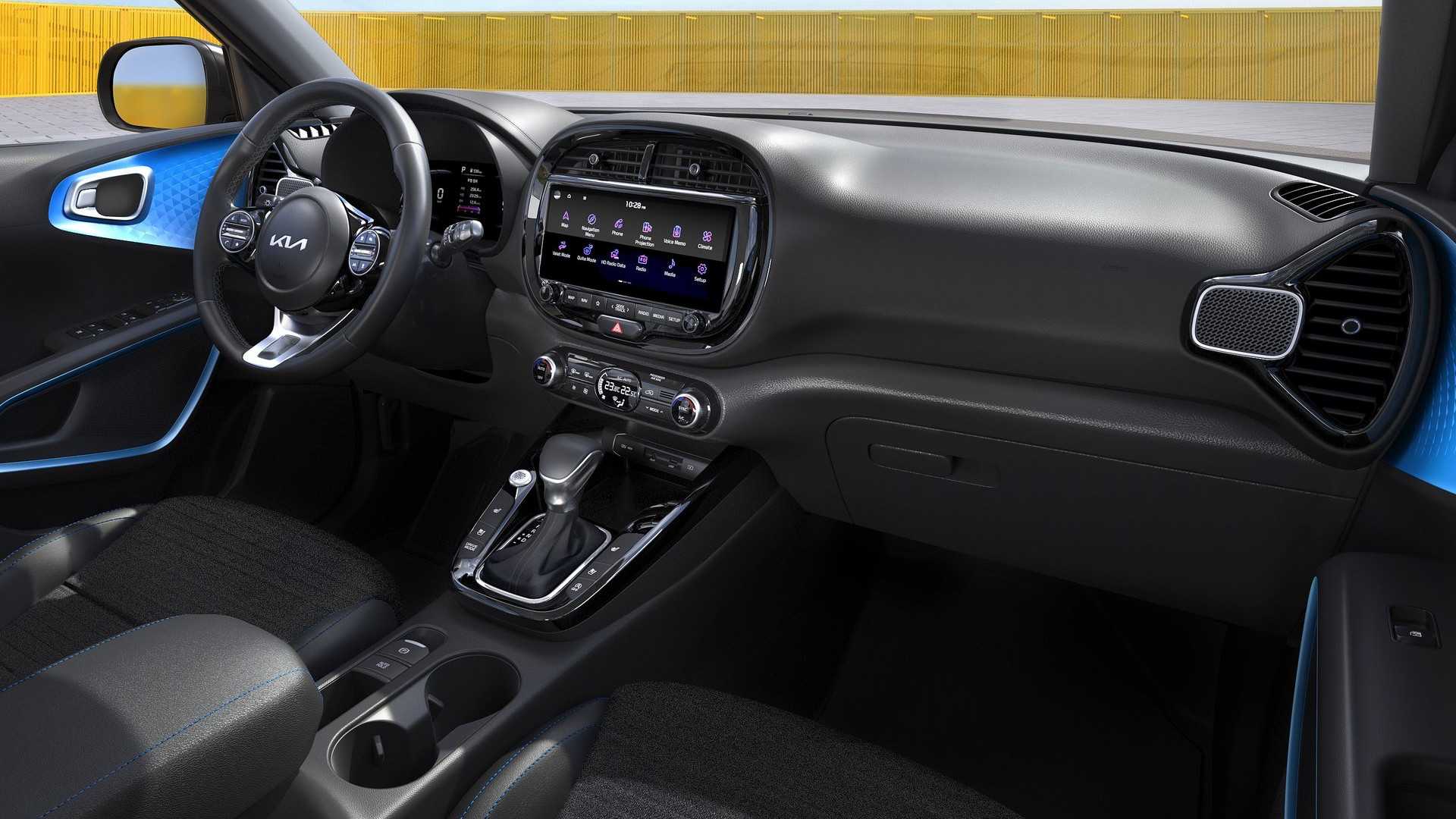
The 2010 Kia Soul, representing the first model year for this subcompact crossover, is widely recognized for its distinctive styling and interior versatility. However, owners frequently report recurring issues involving engine performance, electrical system glitches, and interior trim durability. Understanding these common mechanical and aesthetic pain points is essential for current owners and those considering a used model in 2026.
Understanding the First-Generation Kia Soul Architecture
The 2010 Kia Soul marked Kia’s entry into the "urban crossover" segment, utilizing a platform shared with the Hyundai i20 and Kia Venga. Because this was the inaugural year for the model in North America, it lacked the refinement of later iterations. The vehicle was primarily equipped with either a 1.6L Gamma I4 engine or a 2.0L Beta II I4 engine, paired with either a 5-speed manual or 4-speed automatic transmission.
From a technical perspective, many of the reported issues stem from the early adoption of these powertrain configurations. By 2026, most 2010 models have surpassed the 150,000-mile mark, meaning that common problems are often compounded by standard component wear and tear. When evaluating the 2010 Soul, it is vital to distinguish between systemic design flaws and the natural degradation of rubber seals, gaskets, and electrical connectors that occur in vehicles of this age.
Primary Mechanical Concerns
The most significant concerns regarding the 2010 Kia Soul involve the powertrain and fuel system. While the engines themselves are generally considered robust if maintained, specific peripheral components have demonstrated higher-than-average failure rates.
Engine Stalling and Idle Fluctuations
A frequently cited issue is engine stalling or inconsistent idling. In many cases, this is linked to the Throttle Position Sensor (TPS) or a buildup of carbon deposits within the throttle body. Because the 2010 model utilizes a cable-actuated throttle system rather than a modern drive-by-wire electronic throttle in all trims, mechanical sticking can occur. Owners experiencing erratic RPMs during cold starts or at stoplights should prioritize cleaning the throttle body and verifying that the mass airflow sensor (MAF) is providing clean signals to the Engine Control Unit (ECU).
Oil Consumption and Leakage
As these vehicles age, owners often report increased oil consumption. This is frequently attributed to the degradation of the valve cover gaskets and the front crankshaft seal. If left unaddressed, leaking oil can saturate nearby electrical harnesses, leading to secondary sensor failures. Routine inspections of the engine valley and the underside of the transmission bell housing are recommended during every oil change.
Transmission Performance
The 4-speed automatic transmission in the 2010 Soul is known for being somewhat sluggish, but specific hardware failures are rare. The most common "transmission" issue is actually related to the transmission range sensor (or neutral safety switch). If the vehicle intermittently refuses to crank, the starter motor is often misdiagnosed when the culprit is actually a faulty range sensor that fails to register that the transmission is in Park or Neutral.
Electrical and Interior Quality Issues
Beyond the mechanical heart of the vehicle, the 2010 Kia Soul is characterized by interior components that have aged inconsistently.
Audio System and Connectivity
The head units in the 2010 model are prone to screen dimming, pixelation, and total failure of the auxiliary (AUX) or USB input jacks. These ports were cutting-edge for 2010 but were not built for a 16-year service life. Corrosion within the port assembly often results in "Device Not Found" errors or audio cutting out intermittently. Replacing the head unit with a modern aftermarket receiver is a common, cost-effective upgrade that resolves these frustrations while adding Bluetooth or smartphone integration.
Interior Trim and Lighting
Users frequently report premature failure of interior lighting, particularly the bulbs behind the climate control knobs and the instrument cluster. Additionally, the interior plastic door handles and window regulators are known weak points. Window regulators, specifically, suffer from cable fatigue. If a window makes a grinding noise or moves unevenly, the regulator assembly likely requires replacement before the motor burns out completely.
Summary of Known Problem Areas and Solutions
| System | Reported Issue | Typical Cause | Recommended Action |
|---|---|---|---|
| Engine | Erratic Idle/Stalling | Dirty Throttle Body/TPS | Clean throttle body; check TPS voltage |
| Drivetrain | No-Crank Condition | Range Sensor Failure | Replace transmission range sensor |
| Electrical | Audio/USB Failure | Port Corrosion/Head unit age | Replace head unit or clean port contacts |
| Body/Interior | Power Window Failure | Regulator Cable Fatigue | Replace window regulator assembly |
| Engine | Oil Leaks | Valve Cover Gasket Aging | Replace gaskets; inspect seals |
Addressing Safety Recalls and Technical Service Bulletins
Before investing in repairs, owners should verify the status of their vehicle relative to National Highway Traffic Safety Administration (NHTSA) recalls. While most recalls for the 2010 Kia Soul were addressed years ago, some vehicles may have missed secondary safety notices.
Primary areas of concern for the 2010 model included headlight wiring harness vulnerabilities and potential issues with the brake light switch, which could lead to a failure of the brake lights or an inability to shift out of Park. You can verify your vehicle's specific recall status by entering the 17-digit Vehicle Identification Number (VIN) into the official NHTSA recall lookup tool.
Maintenance Strategies for High-Mileage Vehicles
Owning a 2010 Kia Soul in 2026 requires a proactive maintenance philosophy. Because the vehicle has likely outlived its original warranty coverage, the focus shifts to longevity and prevention.
- Fluid Management: Transmission fluid, which is often neglected, should be changed every 60,000 miles if not already done. Using the manufacturer-specified fluid is critical, as these early-generation transmissions are sensitive to viscosity variations.
- Cooling System Care: The plastic radiator end tanks on the 2010 Soul are reaching the end of their service life. If you observe coolant residue around the seams of the radiator, replace the unit immediately to avoid an engine-destroying overheat event.
- Sensor Cleaning: Periodically cleaning the MAF sensor with approved electronics cleaner can significantly improve fuel efficiency and idle stability, which often drift as the vehicle ages.
- Suspension Components: The factory bushings and struts are likely soft or worn. If the handling feels "loose" or you notice uneven tire wear, a suspension overhaul—including struts, sway bar links, and control arm bushings—will restore the driving dynamics to near-factory specifications.
Frequently Asked Questions
Is the 2010 Kia Soul reliable for daily commuting in 2026?
Yes, the 2010 Kia Soul remains a viable daily commuter provided it has been maintained consistently. While it lacks the modern safety tech and fuel efficiency of current vehicles, its simple engineering makes it relatively easy and inexpensive to repair.
Should I worry about the engine failure issues reported in later Kia models?
The 2010 Kia Soul used different engine families (Gamma and Beta) than the later Theta II engines that faced significant high-profile recall issues. While the 2010 model has its own set of minor quirks, it is not inherently plagued by the same catastrophic internal failure risks associated with those later engines.
Why does my 2010 Kia Soul have trouble shifting out of Park?
This is typically caused by a faulty brake light switch. The vehicle’s safety system requires a signal from this switch to confirm the brake pedal is depressed before the shift interlock solenoid releases. If the switch fails, the car remains locked in Park.
How expensive is it to maintain a 2010 Kia Soul?
Maintenance costs for this vehicle are generally low compared to most European or more complex Japanese imports. Parts are widely available through both OEM and aftermarket channels, and the engine bay layout provides excellent access for most DIY repairs.
What is the most important preventative measure for this car?
The most important measure is strictly adhering to the oil change interval. These engines, particularly the 2.0L variant, rely on clean oil for the Variable Valve Timing (VVT) system to function correctly. Dirty oil can lead to premature wear of the oil control valves.
Final Recommendation for Owners
If you currently drive a 2010 Kia Soul, focus your budget on cooling system integrity and fluid maintenance. These two factors are the greatest determinants of whether the vehicle survives another five years. If you are looking to purchase one, prioritize a pre-purchase inspection that specifically tests the transmission range sensor and includes a visual check for engine oil leaks. With basic care, this vehicle remains a functional and highly versatile transportation tool.