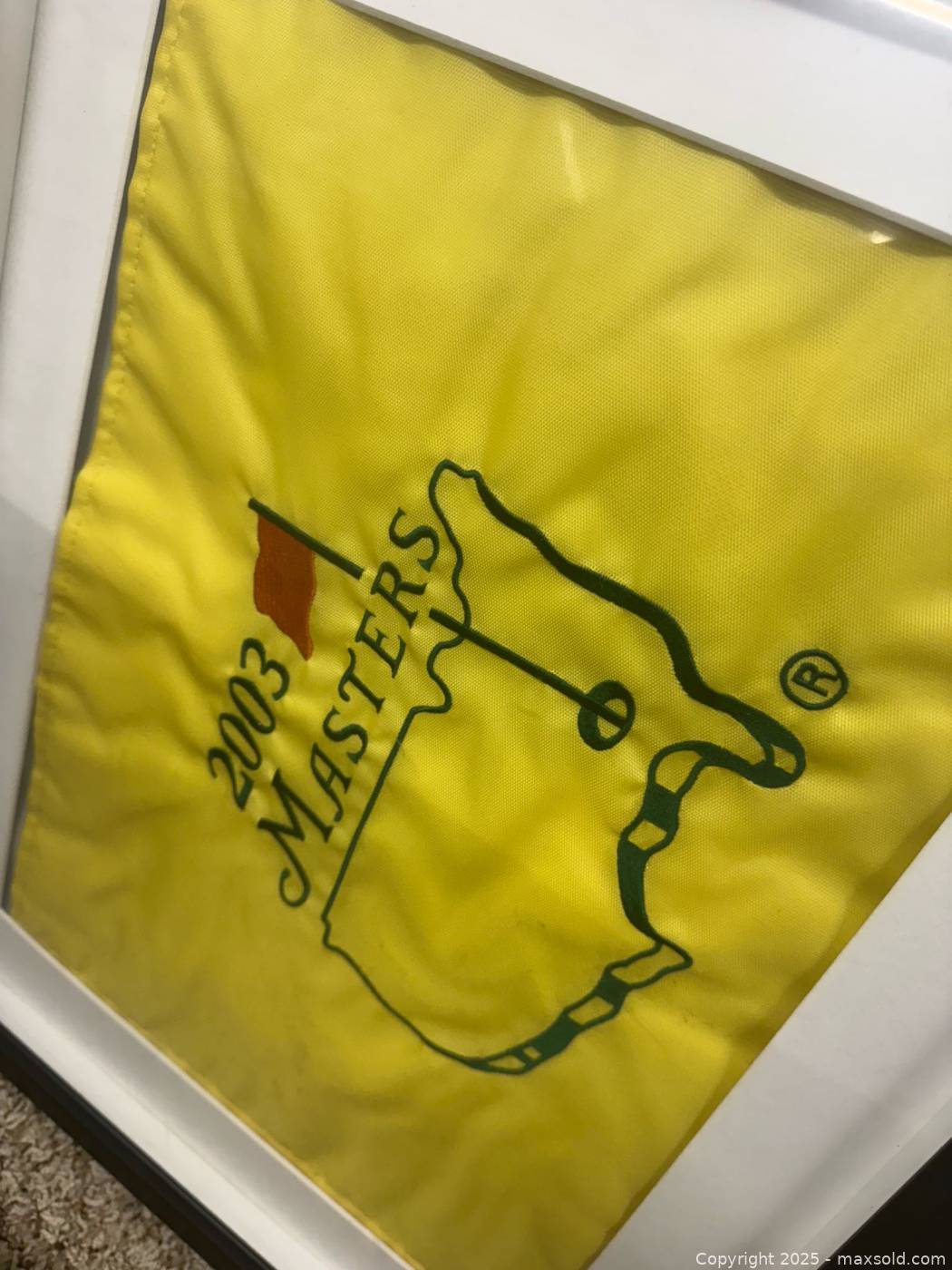
The 2003 Masters Tournament at Augusta National Golf Club delivered one of the most compelling and dramatic chapters in major championship history, culminating in Mike Weir capturing his first green jacket and becoming the first Canadian and the first left-handed golfer to win the prestigious event.
Introduction to the 2003 Masters Tournament
The 2003 Masters Golf Tournament, held from April 10 to April 13, 2003, stands as a watershed moment in the history of professional golf. Played against the iconic backdrop of Augusta National Golf Club in Augusta, Georgia, the tournament featured a world-class field battling not only each other but also the notoriously demanding layout and adverse weather conditions that tested the players' patience and precision.
The event marked several historic milestones. Most notably, Mike Weir secured a dramatic victory, etching his name into the annals of golf history by breaking multiple barriers. To fully appreciate the magnitude of this triumph, it is essential to examine the event chronologically, tracing the twists, turns, and pivotal moments that defined the 2003 Masters from the opening tee shot to the final putt on the 72nd hole.
Pre-Tournament Context and Course Conditions
Heading into the 2003 Masters, Augusta National Golf Club underwent significant modifications designed to challenge modern professionals. Club chairman Hord Hardin and the tournament committee oversaw changes that lengthened several holes, notably the 5th, 7th, 9th, 13th, and 14th, adding over 250 yards to the course and bringing the total yardage to 7,270 yards. These alterations, often referred to in golf media as "Tiger-proofing," were intended to neutralize the immense driving distance of players like Tiger Woods, who was aiming for a historic third consecutive Masters victory.
Weather played a disruptive role right from the start. Heavy rainfall saturated the course in the days leading up to the tournament and persisted into the opening rounds, resulting in soft fairways, unyielding greens, and preferred lies. The damp conditions demanded precise iron play and placed a premium on distance control, setting the stage for a gritty, tactical battle rather than a putting contest.
Round-by-Round Breakdown of the 2003 Masters
Round One: Thursday, April 10, 2003
The opening round commenced under gloomy skies and wet conditions, forcing players to adapt quickly to the heavy, mud-plagued turf. Despite the adversity, several seasoned competitors carved out strong early positions.
- The Early Leaders: Jeff Maggert and Ricky Barnes (competing as the U.S. Amateur champion) capitalized on early tee times to post impressive sub-par rounds. Maggert displayed masterful iron accuracy, navigating the lengthened holes with disciplined course management.
- The Defending Champion: Tiger Woods struggled to find his rhythm off the tee, carding a 1-over-par 73 that left him trailing the leaders and facing an uphill battle to defend his title.
- Weir’s Solid Start: Mike Weir opened his campaign with a steady 4-under-par 68, placing him firmly in the hunt and signaling that his left-handed ball-striking was ideally suited for the wet, demanding conditions.
Round Two: Friday, April 11, 2003
Rain continued to batter Augusta National on Friday, causing lengthy weather delays and eventually suspending play with nearly half the field still on the course.
- Course Saturation: The unrelenting precipitation turned parts of the course into a literal quagmire. Officials implemented preferred lies in the fairways to ensure fair play, but the greens remained receptive yet treacherous due to unpredictable speeds.
- Leaderboard Shifts: With play spilling over into Saturday morning, the leaderboard remained congested. Jeff Maggert maintained his composure to hold a share of the lead, while veterans like Vijay Singh and Davis Love III positioned themselves close behind.
- The Cut Line: The sheer difficulty of the course and the deteriorating weather resulted in a high-scoring cut line, eliminating several prominent names from the weekend action.
Round Three: Saturday, April 12, 2003
Saturday at Augusta National required a marathon day of golf, as players had to complete their second rounds before immediately turning around to play the third round.
- Marathon Conditions: Navigating 36 holes in a single day tested the physical and mental stamina of every competitor. Fatigue became a major factor as the afternoon wore on.
- Weir’s Surge: Mike Weir found another gear during the third round, utilizing his precise approach shots and brilliant short game to card a solid round that propelled him toward the top of the leaderboard.
- Maggert’s Misadventure: Jeff Maggert experienced one of the most infamous holes in Masters history on the par-3 14th, when his tee shot struck a pine tree, ricocheted back into his own chest, and resulted in a quadruple-bogey seven, derailing his championship momentum.
- Setting the Stage for Sunday: At the conclusion of Saturday's play, Jeff Maggert clung to a narrow lead, but a hungry chasing pack—including Weir, Phil Mickelson, and rookie sensation Charles Howell III—remained within striking distance.
The Final Round: Sunday, April 13, 2003
The stage was set for a dramatic Sunday finish under improving weather conditions. The sun finally broke through the Georgia pines, drying out the course and inviting aggressive play down the stretch.
- The Lead Changes: The final round turned into a fluid battle of attrition. Maggert struggled to recover from his Saturday collapse, opening the door for contenders to make their move. Phil Mickelson surged early with a flurry of birdies, while Vijay Singh used his formidable power to mount a challenge.
- Weir’s Steady Hand: While others faltered under pressure, Mike Weir played with remarkable poise. He relied on his trademark iron precision to pick apart the back nine, executing crucial pars and birdies when the tournament hung in the balance.
- The 72nd Hole: Standing on the 18th tee, Weir held a precarious lead. His drive found the fairway, but his approach shot left him with a challenging two-putt. Displaying nerves of steel, Weir lagged his first putt close and tapped in for a bogey, finishing at 7-under-par 281 and securing a spot in sudden-death playoffs.
- The Chasing Finish: Len Matusiak and a hard-charging Felix "Brad" Faxon—who fired a blistering final-round 68—applied maximum pressure, but it was rookie sensation 33-year-old Len Matusiak's compatriot and rival, fleetingly joined by other contenders, who ultimately had to contend with Weir's playoff resilience. Specifically, it was David Toms who pushed Weir, finishing right alongside him at 7-under after a stellar closing round.
Key Statistical Breakdown of the 2003 Contenders
To understand how the 2003 Masters was won, analyzing the statistical performance of the top finishers highlights the critical areas of success at Augusta National that week.
| Player | Final Score | Driving Accuracy | Greens in Regulation | Putts per GIR |
|---|---|---|---|---|
| Mike Weir | -7 (281) | 64.3% | 72.2% | 1.71 |
| David Toms | -7 (281) | 67.9% | 69.4% | 1.69 |
| Felix "Brad" Faxon | -6 (282) | 71.4% | 75.0% | 1.68 |
| Phil Mickelson | -5 (283) | 60.7% | 66.7% | 1.72 |
| Jeff Maggert | -4 (284) | 75.0% | 72.2% | 1.78 |
The Sudden-Death Playoff
With Mike Weir and David Toms tied at 7-under-par after 72 regulation holes, the 2003 Masters headed to sudden death, starting on the 10th hole (Camellia), a grueling 495-yard par-4 that historically ranks as one of the hardest holes on the course.
- The 10th Hole (Playoff Hole 1): Both players hit solid drives into the fairway, though Toms had a slightly better lie. Facing a downhill approach to a well-guarded green, Weir struck a brilliant iron shot that settled safely on the putting surface, leaving a manageable two-putt. Toms, under intense pressure, pushed his approach into a difficult spot and failed to convert his par putt. Weir calmly two-putted for par, securing the victory and sealing his historic win.
Historical Significance and Cultural Impact
The ramifications of Mike Weir’s victory extended far beyond the grounds of Augusta National.
- First Canadian Major Champion: Weir became the first Canadian-born male golfer to win a professional major championship, sparking a surge in golf participation and national pride across Canada. Prime Minister Jean Chrétien and sports fans nationwide celebrated the milestone.
- The Left-Handed Revolution: By winning the green jacket, Weir proved that left-handed players could conquer the nuances of Augusta National, paving the way for future southpaw champions like Phil Mickelson, who won his first Masters the following year in 2004.
- Validation of Short-Game Mastery: In an era where power was beginning to dominate professional golf course design, Weir’s victory proved that exceptional iron play, tactical discipline, and a resilient short game could still overcome length disadvantages on classic championship layouts.
Frequently Asked Questions
Who won the 2003 Masters Tournament?
Mike Weir won the 2003 Masters Tournament, defeating David Toms in a sudden-death playoff after both players finished regulation play at 7-under-par 281.
Why was Mike Weir's 2003 Masters victory considered historic?
Weir's victory was historic because he became the first Canadian golfer to win a professional major championship and the first left-handed golfer to win the Masters Tournament at Augusta National.
Who did Mike Weir defeat in the playoff?
Weir defeated American golfer David Toms on the first playoff hole (the 10th hole, Camellia) with a steady par after Toms missed his par attempt.
How did weather impact the 2003 Masters?
Heavy rainfall dominated the first three days of the tournament, causing lengthy delays, creating a saturated and lengthened course, and forcing officials to implement preferred lies in the fairways.
What modifications were made to Augusta National in 2003?
Augusta National lengthened several holes—including the 5th, 7th, 9th, 13th, and 14th—adding over 250 yards to the course layout to bring the total length to 7,270 yards.
Conclusion and Next Actions
The 2003 Masters Tournament remains a masterclass in perseverance, tactical execution, and historic achievement. For golf enthusiasts and historians looking to study the event further, reviewing archival broadcast footage, course architectural analyses of Augusta National's pre- and post-2002 modifications, and Mike Weir's career statistics provides deeper insight into how this legendary victory unfolded.