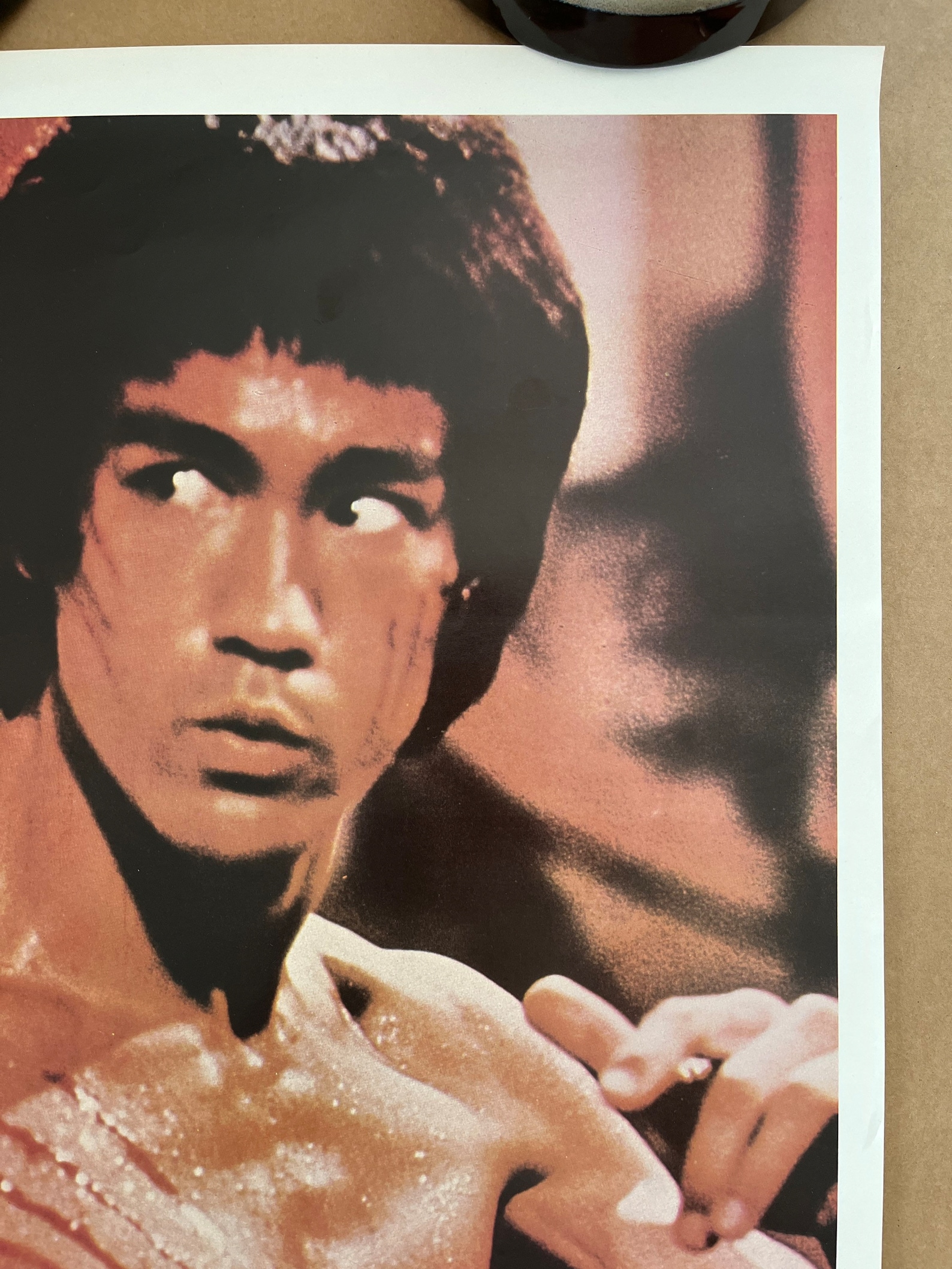
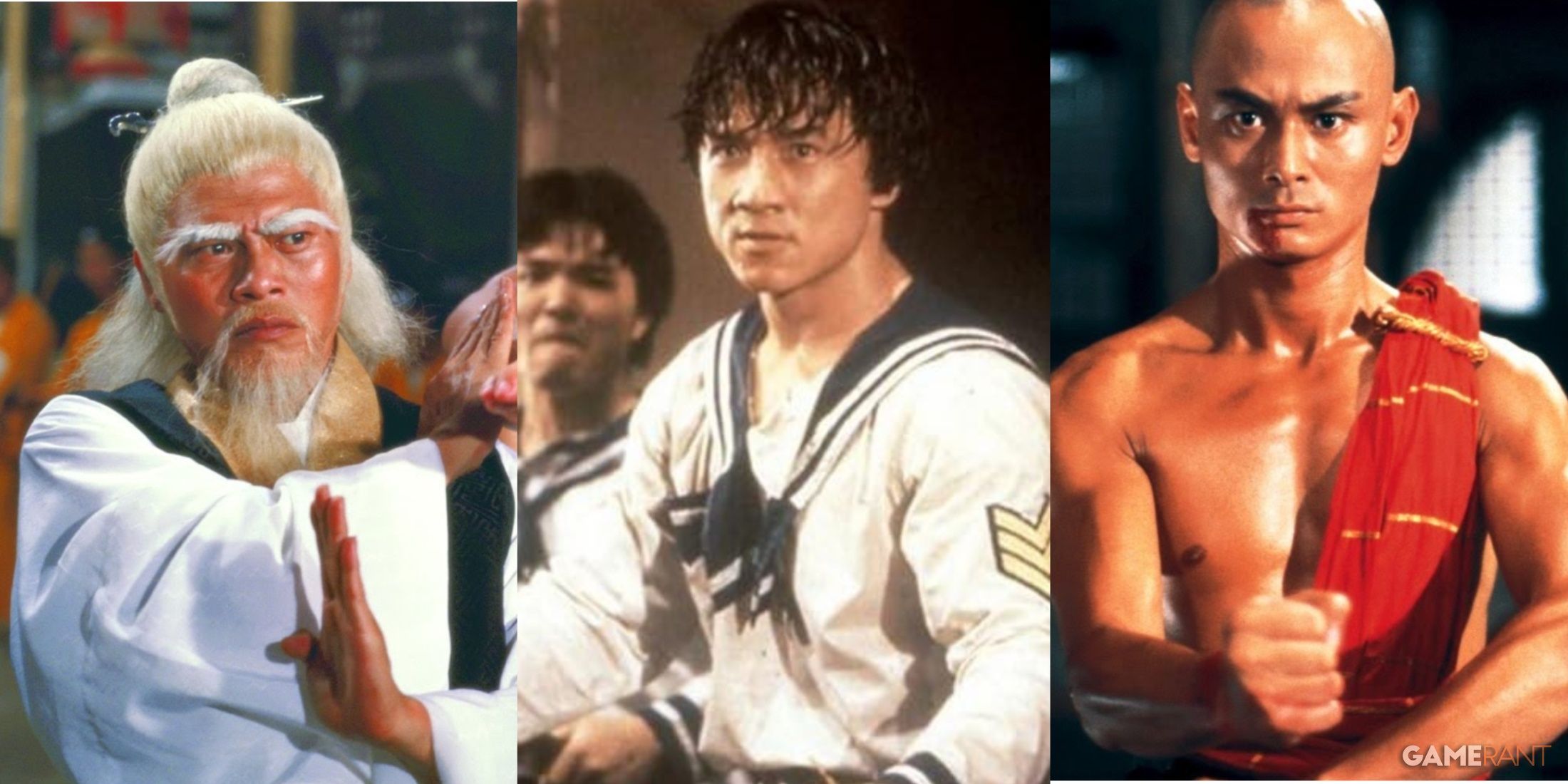
The 1980s represent the apex of martial arts cinema in Western popular culture, a decade when karate and other striking arts transitioned from niche exploitation features to major Hollywood studio tentpoles. These films combined traditional East Asian fighting motifs with American tropes, creating a distinct subgenre defined by the "underdog tournament" narrative, intense training montages, and the rise of crossover stars who bridged the gap between professional martial artists and conventional actors.
Understanding the Karate Movie Phenomenon of the 1980s
The fascination with 1980s karate movies is rooted in a specific cultural moment. Following the success of Bruce Lee in the 1970s, the 1980s shifted the focus toward the "karate" label, even when the actual disciplines depicted on screen varied widely—ranging from Taekwondo and Tang Soo Do to Okinawan karate. The appeal was primarily aspirational; characters often started as marginalized, bullied, or disenfranchised individuals who reclaimed their dignity through rigorous physical and mental discipline.
This era is notable for standardizing the "hero’s journey" within a martial arts context. A typical plot structure involves a protagonist encountering a mentor figure, struggling with an initial defeat, undergoing a period of intense, often montage-backed, preparation, and finally achieving redemption during a high-stakes, choreographed showdown.
Key Themes and Narrative Tropes
To understand why these films resonated, one must look at the recurring motifs that define the genre:
- The Mentor Figure: Usually a stoic, often older master living in relative obscurity, who teaches the protagonist that martial arts are for defense and character development rather than aggression.
- The Tournament Setting: Whether it is the All-Valley Tournament or a localized dojo competition, the structured tournament provides the necessary dramatic stakes for the finale.
- The Training Montage: Perhaps the most iconic element, these sequences condense months of grueling practice into minutes of screen time, punctuated by rhythmic, high-tempo synthesizer scores.
- The Moral Dichotomy: The antagonist is rarely just a better fighter; they are usually a representation of corrupt power, often leading a dojo that values "no mercy" over technical skill or sportsmanship.
Prominent Entities and Technical Standards
While many films claimed the mantle of "karate," the technical quality varied significantly. In 2026, when reviewing these films from a historical perspective, it is important to distinguish between "tournament-style" action and "choreographed-spectacle" action.
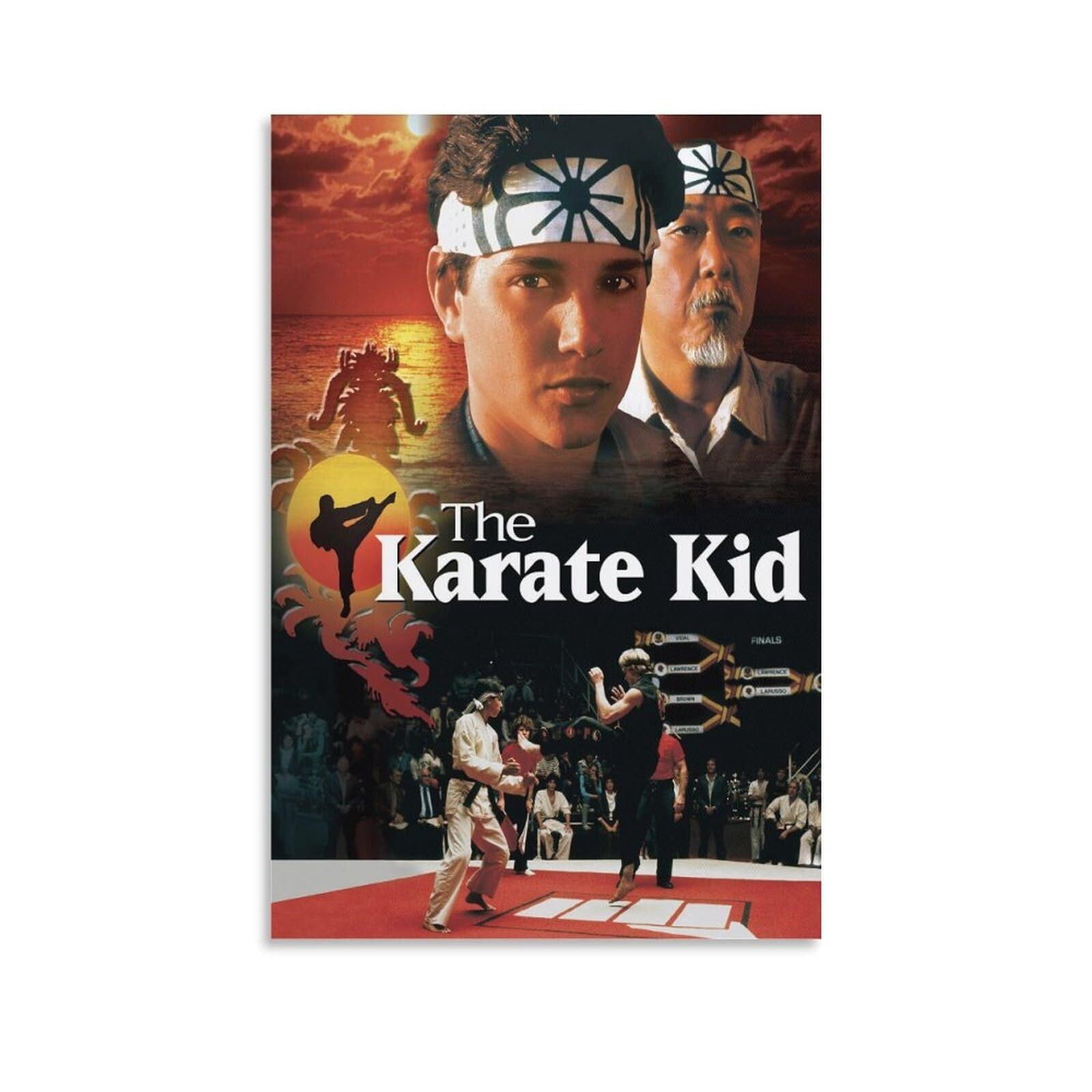
The professional standard was often set by the caliber of the performers. Stars like Ralph Macchio and Pat Morita brought a grounded, dramatic weight to the The Karate Kid series, whereas actors like Jean-Claude Van Damme, who had legitimate competitive backgrounds, brought a new level of physical athleticism to the screen.
Comparative Overview of Iconic 1980s Martial Arts Films
| Title | Primary Discipline Depicted | Key Narrative Driver | Cultural Impact |
|---|---|---|---|
| The Karate Kid (1984) | Goju-ryu/Shorin-ryu | Bullying/Mentorship | Massive crossover success |
| Bloodsport (1988) | Ninjutsu/Kickboxing | Underground Tournament | Established Van Damme |
| The Last Dragon (1985) | Kung Fu/Karate fusion | Inner mystical journey | Cult classic aesthetic |
| Best of the Best (1989) | Taekwondo | Team competition | Sports-drama focus |
| No Retreat, No Surrender (1986) | Kickboxing/Karate | Legacy of a master | Launchpad for Van Damme |
The Evolution of Action Choreography
In the early 1980s, karate films leaned heavily on traditional, linear movements. As the decade progressed, influences from Hong Kong cinema began to bleed into American productions. This resulted in more fluid, acrobatic sequences. The "karate" of 1980 was fundamentally different from the "karate" of 1989 in film. The earlier years prioritized a "street fight" aesthetic, while the later years moved toward "tournament-sport" aesthetics, often integrating complex spinning kicks and jump strikes that, while visually striking, were often adaptations of Taekwondo rather than traditional Japanese karate.
Evaluating Historical Accuracy vs. Entertainment Value
For the modern viewer, distinguishing between the portrayal of karate and the reality of the martial art is critical. Most 1980s films utilized "cinematic karate"—a sanitized, stylized version of the art.
- The "One-Hit" Rule: Many films suggest that a single, well-placed strike can end a fight instantly. While martial arts emphasize precision, reality involves grappling, clinching, and sustained exchanges that were often cut for pacing.
- The Training Efficacy: The "wax on, wax off" method depicted in films is a narrative device, not a standard pedagogical tool in traditional dojos. It served to show the student's eventual appreciation for the "mundane" foundations of the art.
- The Tournament Rules: Cinematic tournaments often feature high-contact maneuvers that would lead to immediate disqualification in actual WKF (World Karate Federation) or AAU-sanctioned events of that era.
The Role of Soundtrack and Aesthetics
It is impossible to separate these movies from their technical presentation. The use of synthesizers, gated-reverb drums, and epic, sweeping orchestral themes was a cornerstone of 1980s action. The audio design helped mask the deficiencies in stunt work in lower-budget features. When assessing these films today, one realizes that the "feel" of a 1980s karate movie is as much about the aggressive, driving music as it is about the screen combat.
Troubleshooting Your Viewing Experience
If you are accessing these titles in 2026, you may encounter issues with film quality or regional availability.
- Aspect Ratio: Many 1980s films were filmed in 1.85:1 or 2.39:1. If you are watching on older digital transfers, ensure your playback device is not stretching the image to fit a 16:9 screen, as this will distort the martial artists' form and the set design.
- Color Grading: Early DVD transfers of these films often suffered from "red-push," where the skin tones appear overly saturated. Seek out recent 4K restorations where possible to view the authentic color palette intended by the original cinematographers.
- Historical Context: If a film seems slow by modern pacing standards, note that 1980s editing prioritized building tension through silence and lingering shots, a stark contrast to the rapid-cut editing prevalent in the 2020s.
Frequently Asked Questions
Did all 1980s karate movies actually use karate? No. The term "karate" was often used as a catch-all marketing term for any Eastern martial art. Many films actually featured Taekwondo, Kempo, or kickboxing, as these arts were more visually dynamic for the camera than traditional, static karate forms.
Why are training montages so prevalent in this genre? The montage serves two functions: it bridges the gap between the hero’s initial incompetence and their eventual mastery, and it allows the director to showcase the actor’s fitness level, which was a major selling point for 1980s action stars.
Which film best represents the technical standard of the era? The Karate Kid is widely considered the gold standard for dramatic structure and character development, while Bloodsport is the technical reference for the "tournament fighter" subgenre that dominated the latter half of the decade.
Are there legal risks in practicing techniques seen in these movies? Martial arts training should always be conducted under the supervision of a certified instructor. Attempting to replicate cinematic stunts at home poses a significant risk of injury, as these moves are choreographed specifically for safety and are not designed for full-contact application outside of a controlled, professional environment.
How do I find high-quality versions of these films in 2026? Most major studios have digitized their back catalogs. Look for "Director-Approved" 4K or Blu-ray releases, which typically contain the original theatrical color timing and audio mixes, avoiding the issues found in early, rushed digital ports.
Final Recommendations for Enthusiasts
If you are just beginning to explore the genre, prioritize the seminal works that defined the decade. Start with The Karate Kid to understand the dramatic potential of the genre, then transition to Bloodsport to witness the shift toward more aggressive, high-energy stunt work. By focusing on these two pillars, you will gain a comprehensive understanding of the structural, aesthetic, and technical milestones that made the 1980s the defining era for martial arts cinema.