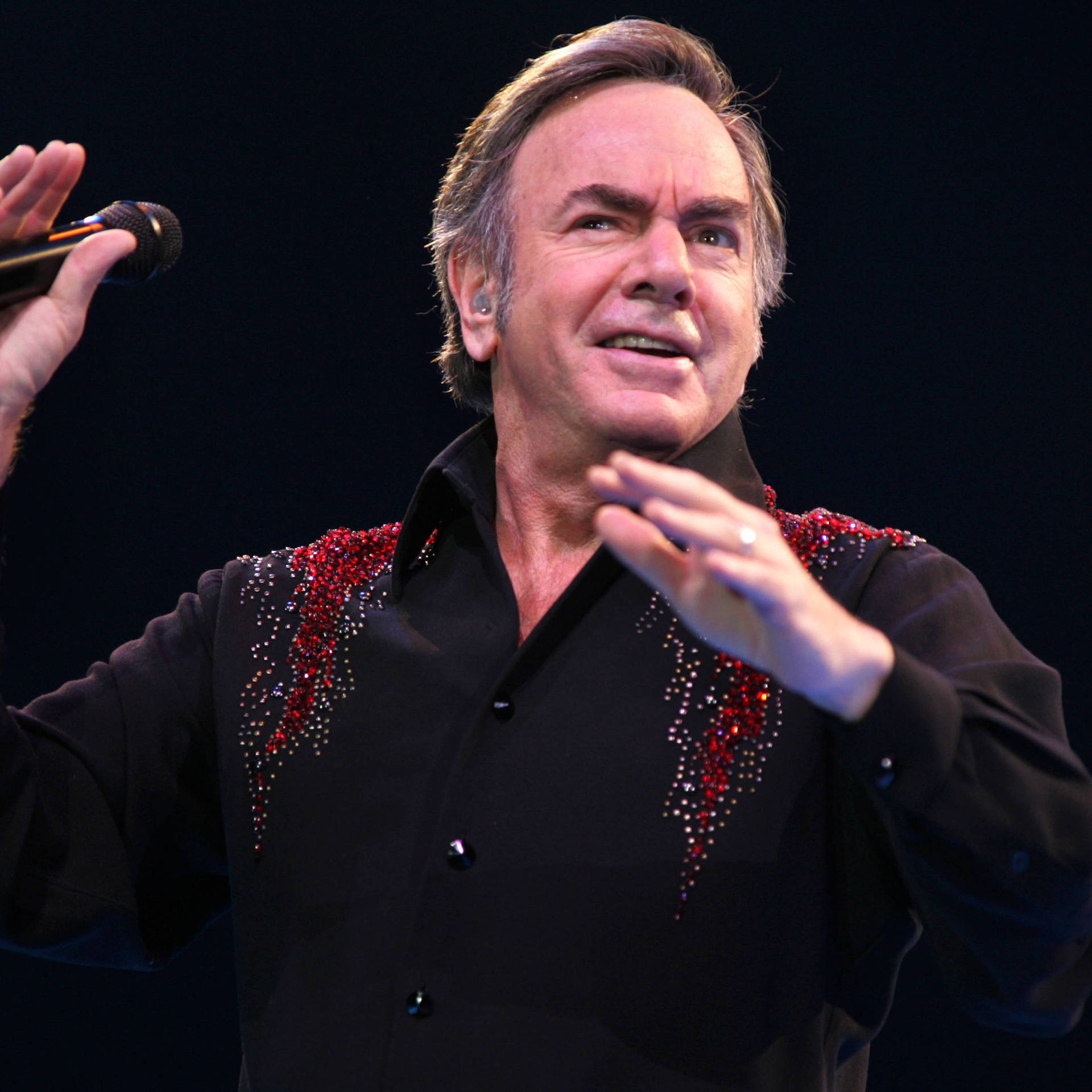
The 19-show US tour that Neil Diamond embarked upon in 2018 stands as a poignant and monumental chapter in modern music history. Marked by a sudden and emotional retirement announcement due to health concerns, this shortened run of concerts celebrated a staggering five-decade career, showcasing enduring vocal strength, massive hit parade setlists, and deep emotional resonance between the iconic singer-songwriter and his fiercely loyal fans.
The Genesis and Context of the 2018 Tour
In 2017, Neil Diamond announced a massive golden anniversary celebration: the 50th Anniversary Tour. Spanning multiple continents, the tour was designed to honor a rich catalog of timeless pop and adult contemporary anthems that defined generations. However, early in 2018, just as the itinerary was shifting toward a major leg across the United States, circumstances changed dramatically.
In January 2018, Diamond released a public statement announcing his immediate retirement from touring upon being diagnosed with Parkinson’s disease. Despite this devastating medical news, the legendary artist made a deliberate choice to fulfill a select portion of his commitments. The resulting run of 19 US tour dates transformed from a routine celebratory trek into a deeply moving farewell tour, capturing the hearts of millions and cementing a legendary legacy under extraordinary circumstances.
Understanding the Significance of the 50th Anniversary Milestone
Reaching five decades of active performance is a rare feat in the music industry. By 2018, Neil Diamond had sold over 130 million records worldwide, placing him among the best-selling musicians of all time. The tour was originally conceived to highlight milestones such as his breakthrough hits of the late 1960s, his chart-dominating cinematic soundtracks, and his enduring cultural footprint. When the scope narrowed down to those final US dates, the emotional weight carried into every single arena and amphitheater, turning standard concert stops into historic cultural events.
Anatomy of the 19 US Tour Dates
Logistically, the 19 US concert dates executed in early 2018 were handled with meticulous precision by his touring crew and promoters. While international legs in Australia and New Zealand had to be canceled, the American dates proceeded as scheduled, prioritizing major metropolitan markets to maximize reach for fans traveling from across the country.
Geographic Spread and Venue Choices
The routing focused on high-capacity indoor arenas and iconic performance spaces where Diamond had built deep historical connections over decades of touring. From the Forum in Los Angeles to Madison Square Garden in New York, the venues were chosen not merely for their seating capacity, but for their acoustic clarity and historical significance within rock and pop history.
The production design for these shows was streamlined yet grand, emphasizing the music over elaborate theatrical gimmicks. A multi-piece backing band—featuring long-time collaborators and top-tier session musicians—provided the lush, horn-infused and acoustic-driven arrangements that fans had come to expect from a live Neil Diamond performance.
Setlist Highlights and Musical Execution
Despite facing the early physical manifestations of Parkinson’s disease, Diamond delivered performances that critics and audiences praised for their unyielding passion and vocal clarity. The setlists across the 19 US tour stops were masterclasses in pacing, balancing high-energy sing-alongs with intimate, acoustic storytelling.
The Anchor Anthems
No Neil Diamond concert would be complete without his definitive cultural touchstones. The 2018 shows heavily featured tracks that transcended generations:
- "Sweet Caroline": Serving as the undisputed emotional peak of every night, this mid-tempo classic sparked massive stadium-wide crowd participation, complete with the iconic call-and-response choruses.
- "Cracklin' Rosie" and "Play Me": These tracks highlighted Diamond’s unique ability to blend folk-rock acoustic strumming with soulful pop structures.
- "America": Reflecting on immigrant themes and national identity, this sprawling, patriotic anthem resonated deeply with audiences in live arenas, driven by triumphant brass arrangements.
- "Cherry, Cherry" and "Solitary Man": Bringing the energy back to his gritty, garage-pop roots from the 1960s, these early hits proved that his raw vocal delivery had lost none of its punch.
Key Metrics and Tour Logistics
To understand the scale and execution of this historic run, examining the logistical framework provides clear context. The table below outlines the operational profile of the 2018 US leg.
| Tour Parameter | Detail / Specification |
|---|---|
| Primary Reason for Shortened Run | Parkinson's disease diagnosis and medical retirement |
| Total Completed US Dates | 19 scheduled arena performances |
| Primary Musical Era Celebrated | 50th Anniversary of recording career (1968–2018) |
| Core Musical Genre | Adult Contemporary, Pop-Rock, Folk-Rock |
| Key Supporting Personnel | Full touring orchestra, backing vocalists, and core band |
| Primary Geographic Focus | Major US metropolitan arenas |
Emotional Resonance and Fan Reception
The atmosphere inside the venues during the 19 US tour dates was unlike any standard concert environment. Knowing this would likely be the final opportunity to see the Rock and Rock Hall of Inductee live, audiences arrived with an intense sense of gratitude and collective nostalgia.
The Artist-Audience Connection
Diamond has long been known for his intimate rapport with crowds, often pausing between songs to share self-deprecating humor or heartfelt reflections on his career. During the 2018 run, these moments carried an unmistakable poignancy. Fans held up homemade signs, dressed in vintage tour merchandise from decades past, and sang every lyric back to the stage with ferocious volume. For Diamond himself, the tour served as a powerful closing chapter, allowing him to say goodbye on his own terms, surrounded by the people who sustained his career for half a century.
Frequently Asked Questions
Did Neil Diamond completely stop performing after the 2018 US tour?
While he officially retired from major multi-city touring due to his health, Diamond has not completely vanished from the public eye. In subsequent years, he has made select, highly anticipated surprise appearances, such as an emotional, unannounced performance of "Sweet Caroline" at a Fenway Park game in 2023, proving his enduring bond with live music.
What medical condition forced the end of his touring career?
Neil Diamond announced in January 2018 that he had been diagnosed with Parkinson’s disease. The neurological condition affects movement, making the rigorous physical demands of long-term global touring unsustainable.
Which cities were included in the final 19-show US run?
The routing concentrated heavily on major American entertainment hubs across both the East and West coasts, including stops in cities like Los Angeles, San Francisco, Dallas, Chicago, Atlanta, and New York City, ensuring that regional fans had geographical access to the final shows.
How did critics review the final 2018 performances?
Music critics widely lauded the 2018 US dates for their emotional authenticity and professional execution. Reviewers noted that despite physical limitations, Diamond’s stage presence, commitment to his catalog, and rich vocal tone remained remarkably intact.
Final Recommendations for Fans and Music Historians
For those studying the trajectory of 20th-century popular music, the 19 US tour dates of 2018 serve as a masterclass in artistic grace and resilience. To fully appreciate this historical moment, music historians and fans can explore contemporary live recordings, archival press reviews from the 2018 run, and Diamond’s extensive catalog of studio albums. Understanding this tour requires recognizing it not as a tragedy, but as a triumphant final bow for one of America's most enduring musical architects.