Evaluating the 1882 net worth of median household income earners requires examining late-19th-century American economic structures, wage distributions, and asset accumulation patterns during the height of the Gilded Age. For a typical median household—often represented by skilled artisans, factory workers, or small-scale farmers—net worth generally remained modest, frequently ranging from a few hundred to a couple of thousand dollars, heavily tied to physical tools, livestock, or minimal household property rather than liquid financial portfolios.
Economic Landscape of 1882: Wages, Costs, and the Gilded Age Economy
To understand household net worth in 1882, one must first analyze the macroeconomic environment of the United States during this period. The year 1882 fell squarely within the Gilded Age, an era characterized by rapid industrialization, the expansion of the railroad network, and massive urbanization, contrasted sharply with periodic economic depressions, volatile labor markets, and the absence of modern social safety nets.
Median wage earners during this era experienced a distinct economic reality compared to modern counterparts. Industrial workers, clerks, and smallholders earned nominal wages that appear meager by contemporary standards, yet purchasing power was dictated by nineteenth-century price levels for staples like flour, coal, textiles, and housing. Historical labor data from the period, including early reports from state bureaus of labor statistics and the foundational studies later expanded by the U.S. Bureau of Labor Statistics (BLS), indicate that an average urban working-class family might bring in an annual income hovering between $400 and $600.
However, gross income did not equate to net savings. The cost of living consumed the vast majority of working-class earnings. Rent, food, and fuel frequently absorbed 80% to 90% of a median household's cash flow, leaving very narrow margins for capital accumulation. Consequently, the net worth of a median household was primarily composed of tangible, non-liquid assets rather than stocks, bonds, or substantial bank accounts.
Defining "Household" and "Median Income" in the Late Nineteenth Century
Applying modern demographic concepts like "median household income" to the year 1882 introduces significant methodological challenges. In the late nineteenth century, the nuclear family structure was often augmented by boarders, extended family members, or older children who contributed wages to a common pool.
- Primary Earners: The household head—frequently a male breadwinner employed in manufacturing, construction, transport, or agriculture—generated the baseline income.
- Secondary Contributions: In many working-class families, wives and children entered the labor force or took in laundry, sewing, or boarders to supplement the primary income, shifting the household total closer to survival thresholds.
- Geographic Disparities: The financial experience of an urban industrial worker in New York, Chicago, or Pittsburgh differed vastly from that of a tenant farmer in the agrarian South or a homesteading family on the Great Plains.
Because wealth data from 1882 was rarely collected via comprehensive national censuses of wealth and income—the U.S. Census Bureau focused primarily on decennial population counts and manufacturing statistics rather than individual balance sheets—historians reconstruct 1882 net worth using probate records, tax assessments, and contemporary labor surveys. These records consistently show that the median asset level for working-class families hovered near zero or represented small positive values anchored in household goods.
Composition of Assets: What Did 1882 Families Own?
For median-income earners in 1882, asset accumulation looked fundamentally different from twenty-first-century balance sheets. Real estate ownership among urban wage earners was relatively low; the vast majority of city-dwelling workers rented tenements, row houses, or multi-family apartments.
In contrast, rural and agrarian median earners—who still constituted a massive segment of the American populace in 1882—frequently held equity in land, livestock, and agricultural implements, though this equity was often counterbalanced by mortgages and crop-lien debts.
| Asset Category | Urban Median Household (1882) | Rural/Agrarian Median Household (1882) | Typical Valuation / Form |
|---|---|---|---|
| Real Estate | Rare; mostly rental housing | Moderate; small farms or homesteads | $0 (Urban) to $500–$1,500 (Rural land equity) |
| Personal Property | Basic furniture, clothing, kitchenware | Furniture, work tools, harness gear | $50 to $200 |
| Financial Assets | Minimal; occasional mutual aid society funds | Scant; local bank deposits if accessible | $0 to $50 |
| Productive Capital | Hand tools for specific trades | Livestock, wagons, seed, simple machinery | $0 (Urban) to $200–$600 (Rural) |
| Total Estimated Net Worth | $50 – $300 | $200 – $2,000 | Highly liquid-poor, asset-basic |
As outlined in historical estate inventories, personal property exemptions protected basic household goods from creditors, reflecting the minimal monetary value assigned to everyday items like iron stoves, bedding, and modest wardrobes.
Liabilities, Debt, and Credit in the 1882 Economy
Net worth is calculated as total assets minus liabilities. For median income earners in 1882, debt played a pervasive and often precarious role in daily survival. Modern consumer credit cards, auto loans, and structured personal loans did not exist. Instead, households relied on informal credit networks.
- The Corner Grocery Book: Urban and rural families routinely purchased food and supplies "on the book" from local merchants, settling accounts weekly or monthly when wages were disbursed. Job losses or seasonal slowdowns often resulted in chronic debt spirals.
- Crop Liens and Sharecropping: In the post-Reconstruction South, rural median earners trapped in the crop-lien system borrowed against future harvests to buy seed and fertilizer, frequently resulting in negative net worth due to compounding interest and unfavorable terms.
- Mortgages: For the fraction of median earners who owned homes or farms, mortgages were held through local banks, building and loan associations, or private lenders, representing a significant liability relative to their modest incomes.
The absence of bankruptcy protections resembling modern legal frameworks meant that insolvency carried severe social and economic penalties, often leading to wage garnishment, loss of personal property, or forced labor arrangements.
Regional and Demographic Variations in Wealth Accumulation
The aggregate national picture masks deep regional, racial, and ethnic disparities in 1882 net worth figures. The United States was undergoing profound sectional recovery and expansion, and economic outcomes varied dramatically based on geography and demographic standing.
The Urban Industrial North and Midwest
Industrial centers offered higher nominal wages than rural districts, but high urban rents and living costs absorbed those gains. Immigrant families—Irish, German, Italian, and Eastern European arrivals who formed a substantial portion of the labor force in 1882—often started with negative or zero net worth, gradually building modest savings through multi-earner households and cooperative building and loan societies over decades.
The Post-Reconstruction South
In the Southern United States, the legacy of the Civil War and the collapse of the plantation economy shaped a distinct economic tier. For newly freed African American households and many white tenant farmers, median net worth in 1882 was severely depressed. Discriminatory financial institutions, lack of land title security, and exploitative agricultural systems restricted capital accumulation, leaving many families with virtually no net worth beyond basic personal effects.
The Western Frontier
On the Western frontier, the passage of the Homestead Act of 1862 continued to influence settlement patterns in 1882. While obtaining 160 acres of land required only a nominal filing fee, the actual net worth of a homesteading family in the early years was often negative when factoring in the capital required to build a dwelling, sink a well, purchase draft animals, and survive until the first successful harvest.
Comparison: 1882 Median Net Worth vs. Modern Standards
Comparing the net worth of an 1882 median household to a modern household requires looking past nominal dollar values due to severe inflation, wage growth, and structural shifts in the economy. In 1882, a household net worth of $500 represented roughly one year of gross income for a common laborer.
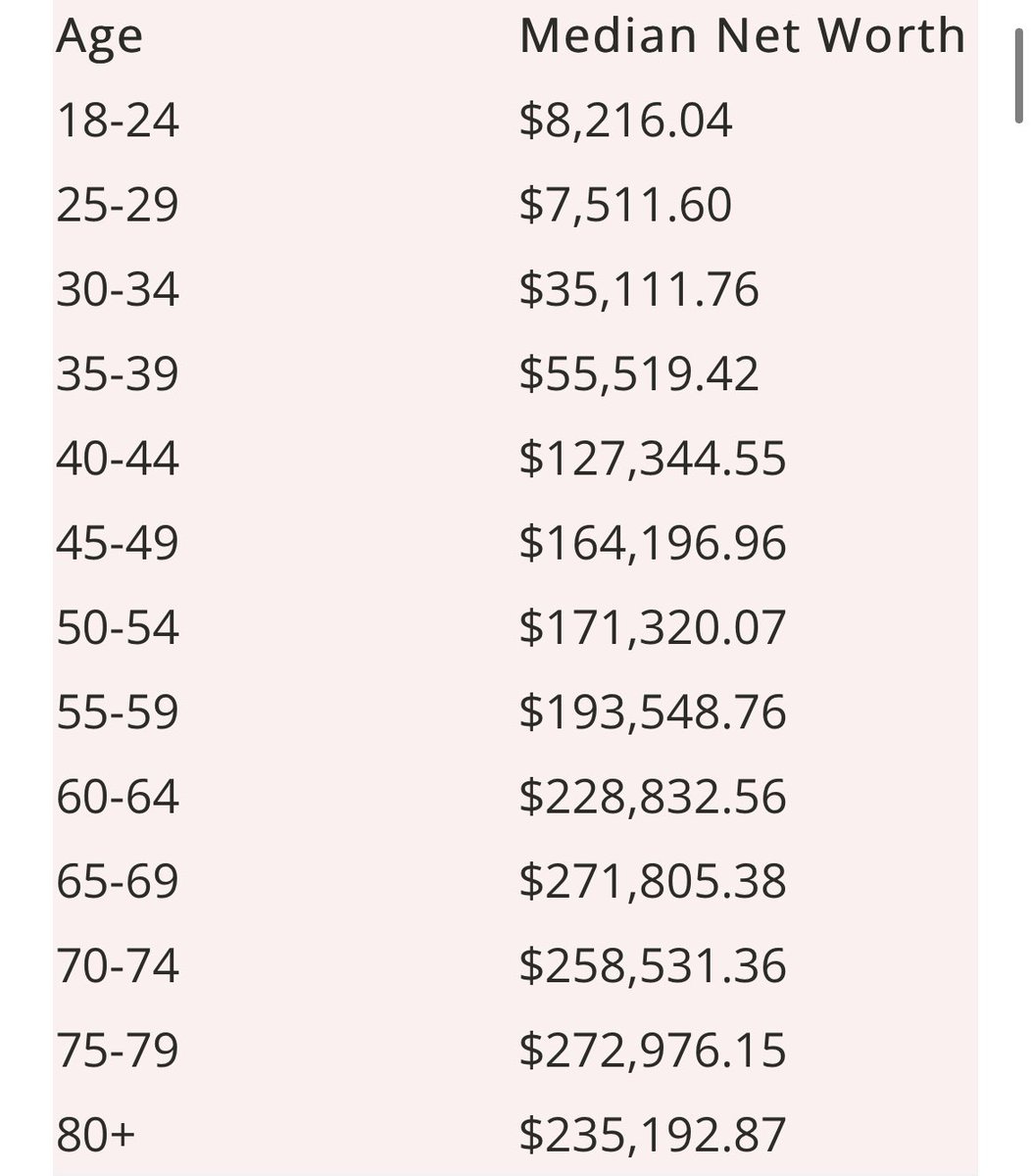
Today, the median net worth of American households spans tens of thousands of dollars for younger cohorts and hundreds of thousands for older demographics, heavily anchored by housing equity, retirement accounts, and consumer durables.
- [1882 Median Household]
- Income: $400 - $600 / year
- Net Worth: $50 - $1,500 (Primarily tangible tools, livestock, or minimal land)
- VS.
- [Modern Median Household (2026 Context)]
- Income: Modern adjusted benchmarks ($70,000+ typical baseline)
- Net Worth: Modern diversified assets (Real estate, equities, retirement funds)
Attempting to apply modern wealth-building strategies—such as stock market investing, real estate leverage, or tax-advantaged retirement accounts—to an 1882 baseline is anachronistic. Financial survival in 1882 centered on cash flow management, subsistence mitigation, and mutual aid rather than portfolio optimization.
Frequently Asked Questions
What was the average income of a worker in 1882?
Annual earnings for typical manual laborers and factory workers in 1882 generally ranged between $400 and $600, while skilled artisans earned higher wages, sometimes approaching $800 to $1,000 annually. Women and children earned significantly less when employed in textile mills or domestic service.
Did ordinary families in 1882 have bank accounts?
Most median income earners in 1882 did not utilize commercial banks for personal checking or savings accounts. While mutual savings banks and postal savings systems existed in limited capacities in later decades, nineteenth-century working-class families primarily managed finances with physical cash, local credit, and informal mutual aid societies.
How did families buy homes in the 1882 economic climate?
Homeownership among median wage earners was uncommon. Those who did buy homes often relied on building and loan associations—early cooperative financial institutions that pooled members' savings to fund residential mortgages through mutual self-help models.
Were there taxes that reduced the net worth of median earners in 1882?
Federal income taxes did not exist on a permanent basis in 1882 (the modern federal income tax was established via the 16th Amendment in 1913). Instead, median earners paid indirect taxes such as federal tariffs on imported goods and local property or poll taxes levied by municipalities and states.
What sources do historians use to study 1882 wealth?
Historians rely on state bureau of labor statistics reports, historical probate court records, estate inventories, tax assessment rolls, and qualitative studies conducted by early labor economists to reconstruct late-nineteenth-century household balance sheets.