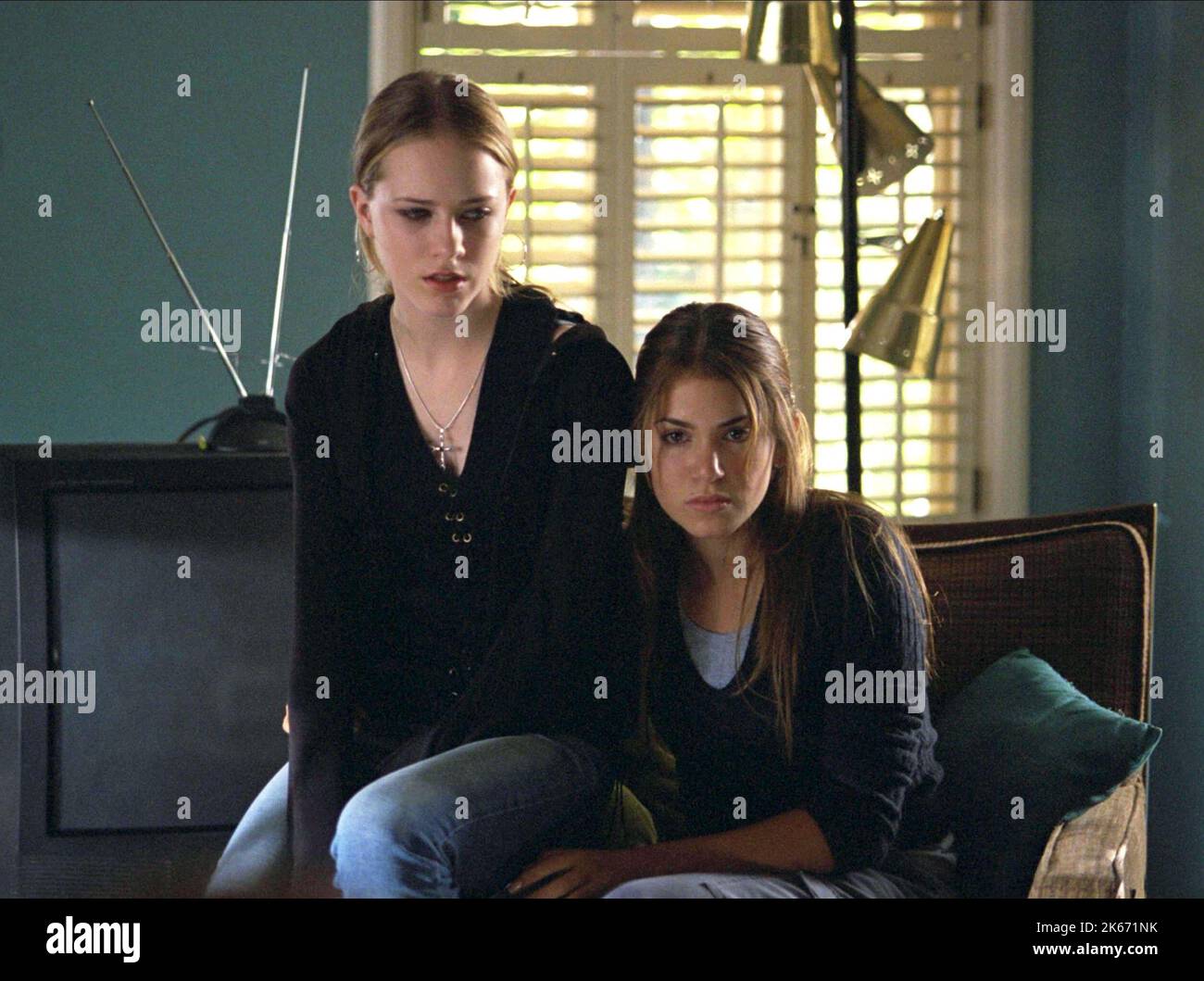
Nikki Reed was 13 years old when she co-wrote the screenplay for the 2003 cult classic film Thirteen. Collaborating with director Catherine Hardwicke, Reed completed the initial draft in just six days during her winter break. The script was a semi-autobiographical exploration of Reed's own turbulent transition into adolescence in Los Angeles.
The story of Thirteen remains one of the most compelling examples of youthful creative expression in Hollywood history. Most screenwriters spend years, if not decades, honing their craft before seeing their work produced. Nikki Reed, however, managed to capture the raw, unfiltered essence of teenage rebellion while she was still living through it. By examining the circumstances surrounding the script's creation, the biographical elements involved, and the subsequent impact on the film industry, we can understand why this particular age—13—was so critical to the movie’s authenticity and success.
The Origins of a Six-Day Screenplay
The collaboration between Nikki Reed and Catherine Hardwicke did not begin as a formal business arrangement. Hardwicke was a production designer at the time and was dating Reed’s father. Having observed Nikki’s rapid descent into a rebellious lifestyle—marked by experimental drug use, academic decline, and a strained relationship with her mother—Hardwicke initially wanted to help the young girl find a creative outlet.
The writing process was an intense, rapid-fire "artistic exorcism." During Nikki’s winter break from school, she and Hardwicke sat down to write. The goal was to capture the voice of a generation of girls who felt misunderstood by the adults in their lives. Because Reed was 13 at the start of the process, her vocabulary, priorities, and emotional triggers were grounded in the immediate reality of her peer group. This proximity to the subject matter allowed the duo to bypass the "adult-writing-for-teens" trope that often makes adolescent dialogue feel forced or outdated.
The Collaborative Dynamic
While Reed provided the raw material, dialogue, and emotional core, Catherine Hardwicke provided the structural framework. Hardwicke, who had worked on films like Vanilla Sky and Three Kings, understood the mechanics of storytelling. Together, they translated Reed's lived experiences into a three-act structure. This partnership ensured that while the film felt like a documentary-style "slice of life," it maintained the narrative momentum necessary for a feature film.
Biographical Accuracy: How Much of "Thirteen" is Real?
One of the most frequent questions surrounding Thirteen is the extent to which the plot mirrors Nikki Reed’s actual life. While the film is classified as a fictional drama, the parallels are substantial.
The character of Tracy Freeland (played by Evan Rachel Wood) was the surrogate for Nikki Reed. Like Tracy, Nikki was a high-achieving student and a "good girl" who underwent a radical transformation after befriending a popular, rebellious peer. In the film, that peer is Evie Zamora. Interestingly, Nikki Reed did not play the character based on herself; instead, she took on the role of Evie.
Key Parallels Between Reality and Fiction
- The Mother-Daughter Conflict: The relationship between Tracy and her mother, Melanie (Holly Hunter), was heavily inspired by Nikki’s relationship with her own mother, Cheryl Edwards. The film depicts a mother struggling with her own recovery and personal demons while trying to manage a daughter who is spinning out of control.
- Self-Harm and Substance Use: The depictions of "cutting" and drug experimentation were drawn directly from the social circles Reed moved in at the time. These elements were highly controversial in 2003, leading to an R-rating that prevented many actual 13-year-olds from seeing the film in theaters.
- The Los Angeles Setting: The film captures a specific "valley girl" subculture of the early 2000s—a world of low-rise jeans, tongue piercings, and the pursuit of social status through calculated risk-taking.
The Casting and Production Journey
Because Nikki Reed was 13 at the time of writing and only 14 when the movie was filmed in 2002, the production faced significant legal and ethical considerations. Working with minors in a film containing mature themes like drug use and sexual situations required a delicate touch and strict adherence to labor laws.
Why Nikki Reed Played Evie
Initially, Reed had no intention of acting in the film. She viewed herself primarily as the writer. However, as the production team struggled to find an actress who could capture the specific "dangerous charisma" of Evie Zamora, Hardwicke convinced Reed to step into the role. This decision was pivotal. It allowed Reed to act as a consultant on set, ensuring that the performances remained grounded in the reality she had written.
The Casting of Evan Rachel Wood
Evan Rachel Wood, who was 14 during filming, was cast as Tracy. Wood’s performance was widely praised for its vulnerability and range. The chemistry between Wood and Reed was essential to the film's success, as it portrayed the intoxicating—and often destructive—nature of teenage female friendships.
| Feature | Details of "Thirteen" Production |
|---|---|
| Writer's Age at Start | 13 Years Old |
| Filming Age (Nikki Reed) | 14 Years Old |
| Writing Duration | 6 Days (Initial Draft) |
| Budget | Approximately $2 Million |
| Directorial Debut | Catherine Hardwicke |
| Major Awards | Sundance Directing Award, Oscar Nomination (Holly Hunter) |
| Release Date | August 20, 2003 |
Impact and Critical Reception
When Thirteen premiered at the Sundance Film Festival in 2003, it became an overnight sensation. Critics were stunned by the film's visceral energy and the fact that such a sophisticated, albeit harrowing, script had come from a 13-year-old.
The film grossed over $10 million at the box office—a significant feat for a low-budget independent drama with an R-rating. More importantly, it sparked a national conversation about the "tween" years and the pressures facing young women in the digital and tabloid age of the early 2000s.
The "Shock Value" vs. Artistic Merit
Many conservative groups criticized the film for being "gratuitous," but the prevailing critical opinion was that the film served as a necessary warning. Rolling Stone and The New York Times lauded the film for its honesty. The film’s success proved that there was a market for "uncomfortable" stories about youth, provided they were told with authenticity.
Professional Legacy of Nikki Reed
Following Thirteen, Nikki Reed’s career took a unique path. While she continued to act—most notably as Rosalie Hale in the Twilight Saga (also directed by Catherine Hardwicke)—she remained one of the youngest people ever to receive a credit for writing a major motion picture. In the years leading up to 2026, Reed has often reflected on how writing Thirteen at age 13 saved her life by giving her a way to process her trauma rather than being consumed by it.
Psychological and Social Themes
The enduring relevance of Thirteen lies in its exploration of universal psychological themes that transcend its 2003 setting. Even in 2026, the core issues depicted in the film—identity formation, the need for peer validation, and the breakdown of parental communication—remain central to the adolescent experience.
The Loss of Innocence
The film is a classic "coming-of-age" story, but it subverts the genre by making the transition violent and rapid. Unlike traditional narratives where the protagonist learns a moral lesson through gentle growth, Tracy Freeland experiences a "loss of innocence" that is messy and leaves permanent scars. This was a direct reflection of Reed’s view that 13 is an age where childhood is often forced out by the adult world before a child is ready.
Mother-Daughter Dynamics
The film offers a rare, non-judgmental look at the difficulties of parenting. Melanie Freeland is not a "bad" mother; she is an overwhelmed one. By writing this from a 13-year-old's perspective, Reed was able to capture the specific resentment a child feels when they realize their parents are flawed human beings.
Advice for Young Screenwriters and Creators
The success of Nikki Reed at age 13 serves as a blueprint for young creators. It highlights that age is not necessarily a barrier to entry in the creative arts, provided the work is rooted in genuine observation and paired with experienced mentorship.
- Write What You Know: Reed didn't try to write a space opera or a period piece; she wrote about her bedroom, her friends, and her arguments with her mom.
- Find a Collaborator: The partnership with Catherine Hardwicke was essential. A young writer needs someone who understands the industry's technical requirements to help shape their vision.
- Embrace Vulnerability: Thirteen worked because it was embarrassingly honest. It didn't try to make the characters "likable"; it tried to make them real.
- Use Creative Outlets for Catharsis: For those dealing with difficult personal circumstances, art can be a way to "reclaim the narrative."
Frequently Asked Questions
Was Nikki Reed really 13 when she wrote Thirteen?
Yes, Nikki Reed was 13 years old when she and Catherine Hardwicke sat down to write the script during her winter break. By the time the film was financed and went into production, she had turned 14. Her age was a significant point of discussion during the film's marketing, as it emphasized the script's authenticity.
Did Nikki Reed win any awards for the screenplay?
While the film received many accolades, Nikki Reed specifically won the Independent Spirit Award for Best Debut Performance and was nominated for various writing awards. The film’s director, Catherine Hardwicke, won the Directing Award at Sundance. The screenplay is often cited in film schools as a premier example of "voice-driven" writing.
How much of the movie Thirteen is a true story?
The movie is "semi-autobiographical." This means that while specific events were dramatized or consolidated for the screen, the emotional arc and many of the specific behaviors (such as the "air duster" scenes and the peer dynamics) were based on Nikki Reed’s real-life experiences in Los Angeles during her middle school years.
Why didn't Nikki Reed play the main character, Tracy?
Nikki Reed chose to play Evie Zamora, the "bad influence," rather than Tracy, the character based on herself. This was partly because the role of Tracy was emotionally taxing and required someone who could portray a total transformation, and partly because Reed felt playing the "catalyst" character (Evie) provided a necessary distance from her own recent past.
Is Thirteen still relevant for teenagers in 2026?
Despite the absence of smartphones and modern social media in the film, the emotional core of Thirteen remains highly relevant. The pressures of fitting in, the desire for autonomy, and the complexities of mother-daughter relationships are timeless. Many modern viewers find that while the technology has changed, the "feeling" of being 13 is captured perfectly in the film.
Final Recommendation
For those interested in screenwriting or film history, studying the production of Thirteen is highly recommended. It serves as a reminder that the most powerful stories often come from a place of raw, personal truth. If you are a young writer, use Nikki Reed’s experience as an inspiration to document your own world with honesty. For parents and educators, the film remains a potent (though graphic) tool for understanding the "hidden" lives of adolescents and the importance of maintaining open lines of communication during the volatile teenage years.