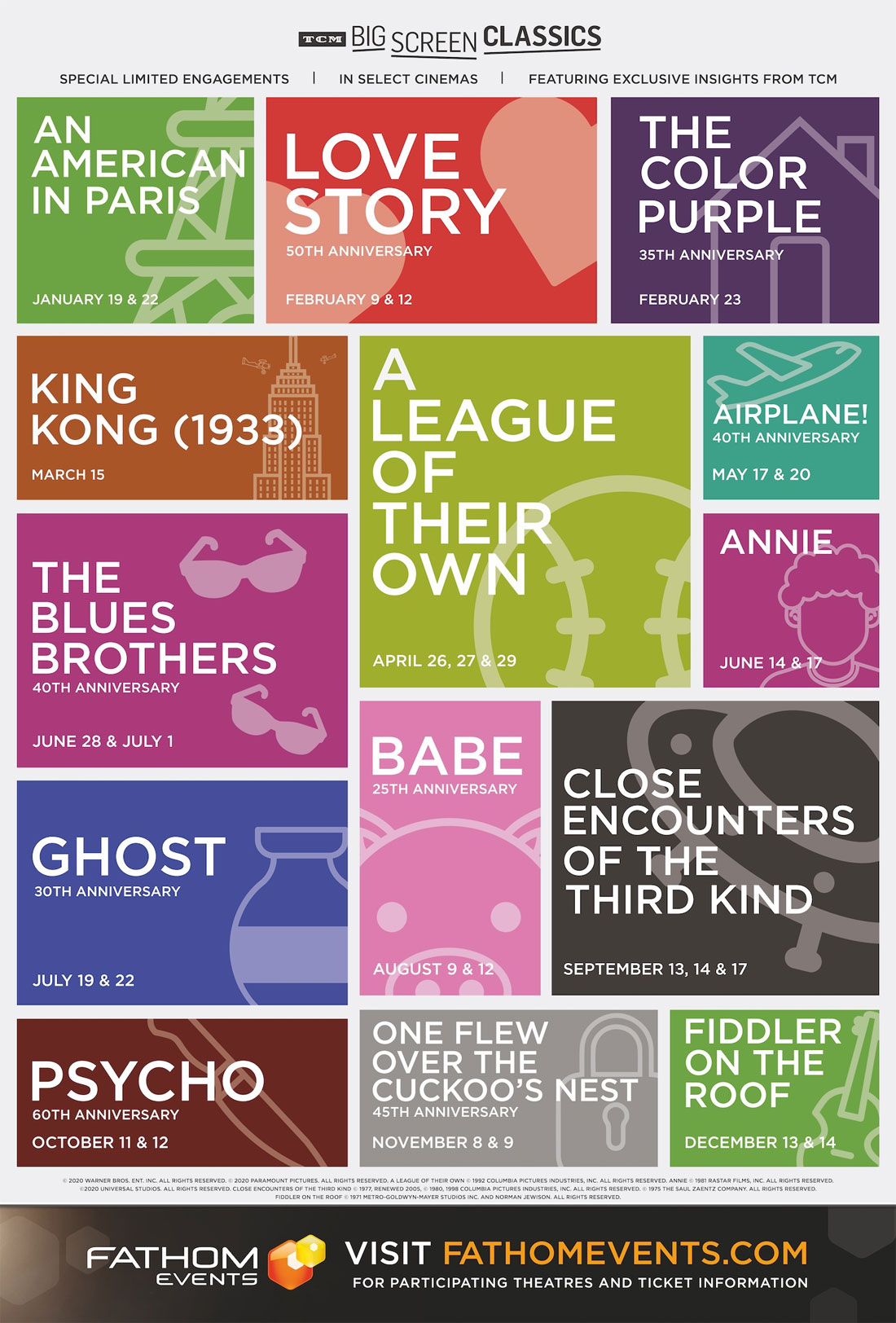
The Turner Classic Movies (TCM) Big Screen Classics series, presented in partnership with Fathom Events, offers cinema enthusiasts a rare opportunity to experience cinematic masterpieces back on the theatrical stage where they were originally designed to be seen. Featuring meticulously restored prints, exclusive introductions, and historical context, these curated monthly screenings celebrate monumental anniversaries, legendary directors, and iconic performances from Hollywood's golden age and beyond.
The Cultural and Cinematic Significance of Repertory Screenings
Experiencing classic cinema within a traditional movie theater transforms passive viewing into an active communal event. While home entertainment systems continue to improve, they cannot replicate the acoustics of a dedicated auditorium, the scale of a massive silver screen, or the shared emotional resonance of an audience reacting in real time.
The TCM Big Screen Classics series bridges the gap between historical film preservation and modern theatrical exhibition. By partnering with major studios, archives like the UCLA Film & Television Archive, and the Library of Congress, TCM ensures that rare nitrate prints and digital restorations find their way back to mainstream audiences. These screenings often incorporate special featurettes produced by TCM hosts, providing historical framing, behind-the-scenes anecdotes, and critical analysis that deepen the viewer's appreciation of the craft.
Selection Criteria for the TCM Big Screen Lineup
Curating a list of essential screenings from an annual calendar requires evaluating several distinct factors. The selections for the featured cinematic lineup reflect a balance of milestone anniversaries, genre diversity, directorial mastery, and cultural impact.
- Anniversary Milestones: Films celebrating significant structural milestones—such as 50th, 75th, or 100th anniversaries—frequently anchor the schedule, prompting critical re-evaluations and new theatrical restorations.
- Genre Representation: A robust repertory program must encompass multiple styles, including film noir, epic historical drama, screwball comedy, science fiction, and classic animation.
- Restoration Quality: Priority is given to prints that have undergone 4K or 2K digital restorations from original camera negatives, ensuring pristine visual and auditory fidelity.
- Historical Legacy: Films that pushed boundaries, challenged censorship codes, or pioneered technical innovations in cinematography, sound design, or editing are essential components of the series.
Overview of Featured Screenings
The curated roster of cinematic milestones represents a cross-section of film history, highlighting pivotal works that defined their respective eras.
| Film Title | Release Year | Primary Genre | Key Significance |
|---|---|---|---|
| The Godfather Part II | 1974 | Crime Drama | Landmark sequel exploring dual timelines and moral corruption. |
| Chinatown | 1974 | Neo-Noir | Definitive 1970s detective mystery with masterclass screenwriting. |
| Blazing Saddles | 1974 | Satirical Comedy | Groundbreaking genre spoof challenging institutional tropes. |
| The Wizard of Oz | 1939 | Fantasy / Musical | Technicolor milestone celebrating landmark visual effects and design. |
| Citizen Kane | 1941 | Drama | Orson Welles' revolutionary narrative structure and deep-focus cinematography. |
| Singin' in the Rain | 1952 | Musical | Pinnacle of Hollywood musical comedy and technical choreography. |
| Rear Window | 1954 | Thriller | Alfred Hitchcock's masterclass in suspense and voyeurism. |
| Seven Samurai | 1954 | Action / Epic | Akira Kurosawa's structural blueprint for the modern ensemble film. |
| The Godfather | 1972 | Crime Drama | Monumental family epic establishing modern Hollywood storytelling. |
| Jaws | 1975 | Thriller / Adventure | The film that birthed the modern summer blockbuster phenomenon. |
| One Flew Over the Cuckoo's Nest | 1975 | Psychological Drama | Powerful exploration of institutional control and individual liberty. |
| Close Encounters of the Third Kind | 1977 | Science Fiction | Steven Spielberg's awe-inspiring visionary exploration of extraterrestrial contact. |
Deep Dive Into Milestone Masterpieces
1. The Godfather (1972) and The Godfather Part II (1974)
Francis Ford Coppola’s monumental adaptations of Mario Puzo’s novels redefined the American crime genre. By framing organized crime through the lens of corporate capitalism and familial tragedy, these films achieved unprecedented artistic and commercial success. Seeing them on the big screen emphasizes Gordon Willis's innovative, shadow-drenched cinematography—often referred to as the "Prince of Darkness" style—which relies on under-exposure to reflect the moral ambiguity of the Corleone family.
2. Chinatown (1974)
Roman Polanski’s neo-noir masterpiece features Robert Towne’s Academy Award-winning screenplay and career-defining performances by Jack Nicholson and Faye Dunaway. Set against the sun-baked, corrupt backdrop of 1930s Los Angeles water wars, the film relies on meticulous art direction, John Huston’s chilling portrayal of institutional villainy, and a haunting score by Jerry Goldsmith. A theatrical screening highlights the suffocating atmosphere and precise framing that turns sunny daytime scenes into claustrophobic nightmares.
3. Blazing Saddles (1974)
Mel Brooks’s anarchic Western satire remains one of the sharpest comedies in cinema history. Utilizing anachronistic humor, fourth-wall breaks, and biting social commentary, the film dismantled Hollywood mythologies surrounding the American West and racial prejudice. Experiencing the rapid-fire comedic timing and brilliant ensemble performances in a packed auditorium captures the shared, cathartic laughter that home viewing cannot replicate.
4. The Wizard of Oz (1939) and Citizen Kane (1941)
Representing the zenith of the classic Hollywood studio system, these two films showcase contrasting aesthetic philosophies. The Wizard of Oz utilizes vibrant, saturated Technicolor and practical physical sets to create an enduring fantasy world, while Citizen Kane employs deep-focus photography, low-angle shots, and non-linear storytelling to shatter conventional cinematic grammar. Both films demand theatrical presentation to appreciate the sheer ambition of their visual design.
5. Singin' in the Rain (1952) and Rear Window (1954)
Musical comedy and psychological suspense reach their peaks in these mid-century classics. Singin' in the Rain celebrates the tumultuous transition from silent films to talkies with effortless kinetic energy, highlighted by Gene Kelly and Stanley Donen’s choreography. Conversely, Alfred Hitchcock’s Rear Window confines its narrative to a single courtyard set, utilizing subjective camera angles and masterful sound design to place the audience directly alongside Jimmy Stewart’s immobilized photographer.
6. Seven Samurai (1954)
Akira Kurosawa’s epic adventure set a template for modern action filmmaking, character assembly, and narrative pacing that persists today. The film’s brilliant choreography of movement, profound exploration of class divide, and distinct character development benefit immensely from the expansive canvas of a theatrical screen, where the sweeping battle sequences and subtle human interactions hold equal weight.
7. Jaws (1975), One Flew Over the Cuckoo's Nest (1975), and Close Encounters of the Third Kind (1977)
The mid-1970s marked a creative renaissance in American cinema, balancing high-concept commercial thrills with intimate character studies. Jaws revolutionized distribution models while mastering suspense through John Williams' iconic score and strategic concealment of the mechanical shark. One Flew Over the Cuckoo's Nest swept the major Academy Awards by anchoring its critique of psychiatric institutions in raw, naturalistic performances. Meanwhile, Close Encounters of the Third Kind captured the existential wonder and technological anxiety of the late 20th century through breathtaking visual effects and sound design.
Practical Guide to Attending TCM Big Screen Screenings
Participating in the TCM Big Screen Classics series requires some advance planning, as these events typically run for limited engagements—often restricted to two or three specific dates per film across participating nationwide theater chains such as AMC, Regal, and Cinemark.
- Ticketing and Scheduling: Tickets generally go on sale several weeks in advance through Fathom Events or participating theater box offices. Because screenings are limited to select days and times, early reservation is strongly recommended.
- Restoration Verification: Patrons should check theater listings to confirm whether a specific screening utilizes a newly struck 4K DCP (Digital Cinema Package) or archival print, ensuring the highest visual quality.
- Pre-Show Content: Arrive approximately 15 to 20 minutes before the listed showtime. Screenings typically begin with exclusive behind-the-scenes interviews, introductions by TCM hosts like Ben Mankiewicz, and historical context that enhances the viewing experience.
Frequently Asked Questions
Are TCM Big Screen Classics screenings digitally restored?
Yes. The majority of films presented in the series are sourced from recent 4K or 2K digital restorations supervised by major film archives, major studios, or independent preservation foundations to ensure optimal clarity and fidelity.
Which theater chains participate in the Fathom Events partnership?
Major nationwide exhibitors, including AMC Theatres, Regal Cinemas, and Cinemark Theatres, regularly host these screenings. Availability varies by region, so checking the Fathom Events website with a local zip code is essential.
Do screenings include extra content or just the feature film?
Screenings typically include exclusive pre-recorded material, such as introductions and discussions led by TCM network hosts, offering critical commentary and historical context before the feature begins.
Are these screenings available on home video formats simultaneously?
No. These theatrical events are designed specifically for the big screen experience. While many of these titles are available on physical media or streaming services, the repertory screenings offer a distinct communal atmosphere and often showcase newly minted restorations not yet widely available elsewhere.
How can I find out the exact schedule for upcoming screenings?
The complete annual calendar, ticket purchasing links, and participating theater locations are updated regularly on the official Fathom Events website and the Turner Classic Movies community portal.
Final Recommendation
To fully maximize your engagement with classic cinema, select one or two films from the lineup that you have previously only watched on television or mobile devices. Purchase tickets well in advance, arrive early to enjoy the exclusive TCM pre-show introductions, and experience these foundational works of art the way filmmakers originally intended—on the big screen, surrounded by fellow enthusiasts.