A 12-gauge shot shell is defined by three primary measurements: the shell length (typically 2 ¾, 3, or 3 ½ inches), the shot size (ranging from tiny #9 birdshot to large #000 buckshot), and the payload weight. Selecting the correct size depends on your shotgun's chamber capacity and your intended use, such as hunting, sport, or self-defense.
To understand 12-gauge ammunition in 2026, one must look beyond the simple box labels. The 12-gauge remains the most versatile firearm platform in existence precisely because of the staggering variety of shell sizes and configurations available. Whether you are a competitive clay shooter, a waterfowl hunter, or a homeowner seeking a defensive tool, the nuances of shell length, pellet diameter, and velocity determine your success and safety.
The Foundation: Understanding the 12-Gauge Measurement
Before diving into shell lengths and pellet counts, it is essential to define what "12-gauge" actually means. Unlike rifles or pistols, which use "caliber" (the internal diameter of the barrel in inches or millimeters), shotguns use "gauge."
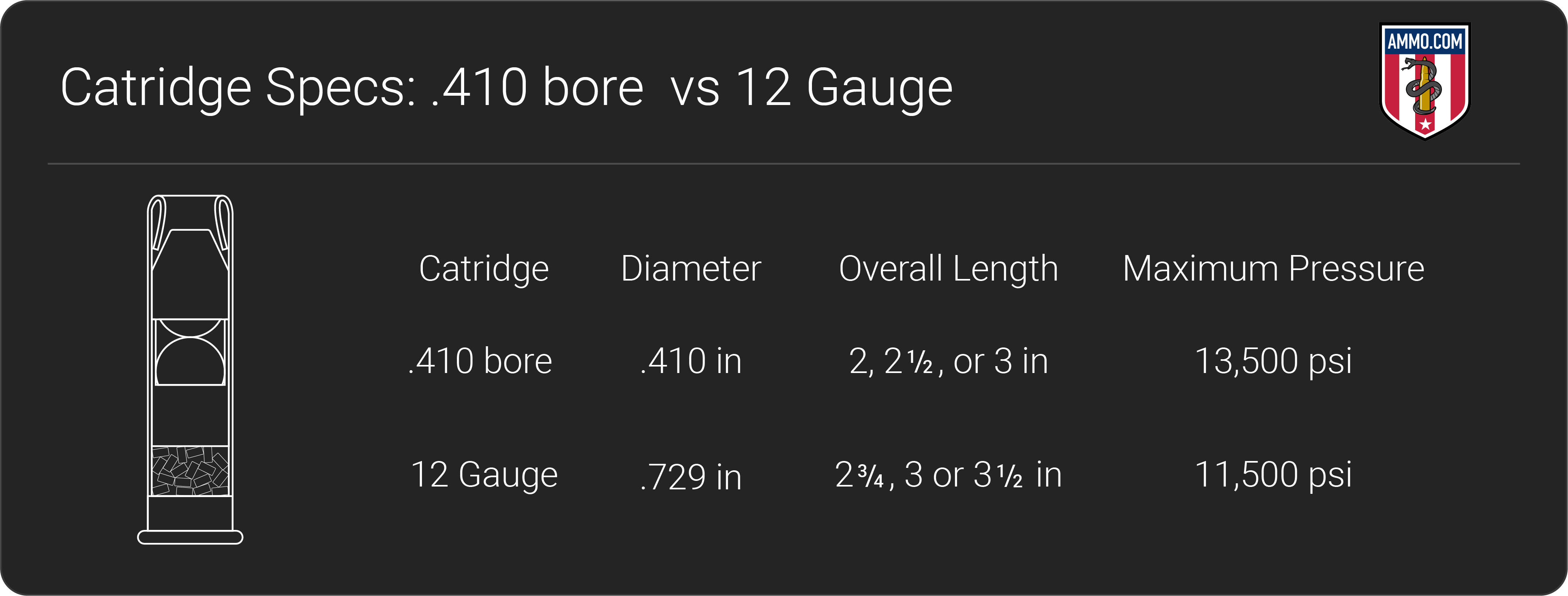
The gauge system is a legacy of 19th-century ballistics. A 12-gauge bore is defined as the diameter of a lead ball that weighs exactly 1/12th of a pound. If you were to cast 12 equal-sized spheres from one pound of lead, the diameter of one of those spheres would perfectly fit the bore of a 12-gauge shotgun (approximately .729 inches).
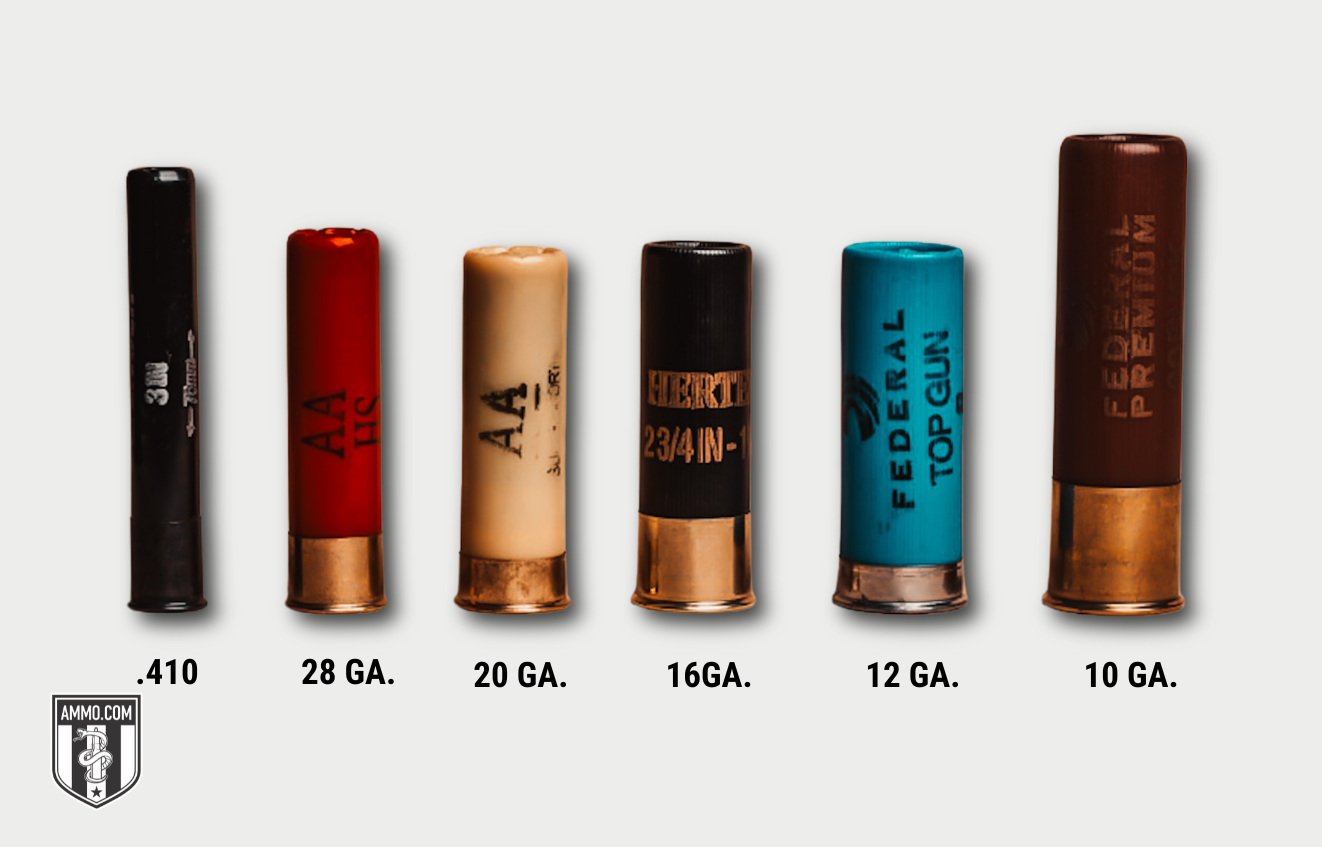
This inverse relationship—where a smaller number represents a larger bore—is fundamental to shotgunning. While 20-gauge and 28-gauge shells are smaller and produce less recoil, the 12-gauge remains the industry standard because its hull diameter allows for a massive variety of payloads without reaching dangerous chamber pressures.
Shell Length: The Critical Safety Factor
One of the most common points of confusion for new shooters is the physical length of the shell. In 2026, 12-gauge shells are standardly produced in three lengths: 2 ¾ inches, 3 inches, and 3 ½ inches.
The Crimp and the Chamber
A vital technical detail is that the length printed on the box refers to the shell's length after it has been fired. When you hold an unfired 2 ¾-inch shell, it will actually measure closer to 2 ¼ or 2 ½ inches. This is because the "crimp"—the plastic at the end of the shell that holds the pellets in—unfolds upon firing.
This leads to the most important safety rule in shotgunning: You must never fire a shell that is longer than your shotgun's chamber. If you chamber a 3-inch shell in a shotgun designed for 2 ¾-inch shells, the shell may fit and the bolt may close, but when fired, the crimp will have no room to unfold completely. This creates a partial obstruction in the forcing cone, leading to a massive, potentially catastrophic spike in chamber pressure.
Common Length Applications
- 2 ¾-Inch (Standard): This is the "standard" shell used for target practice, clay sports (trap, skeet, sporting clays), upland bird hunting, and most home defense applications. It offers a balance of manageable recoil and effective payload.
- 3-Inch (Magnum): Frequently used for waterfowl (ducks/geese) and turkey hunting. The extra quarter-inch of space allows for more pellets or larger pellets, which is necessary when using lower-density materials like steel.
- 3 ½-Inch (Super Magnum): Primarily used for long-range goose hunting and turkey hunting. These shells carry heavy payloads of large shot and produce significant recoil. They require shotguns specifically chambered for 3 ½-inch shells.
Shot Size: From Birdshot to Buckshot
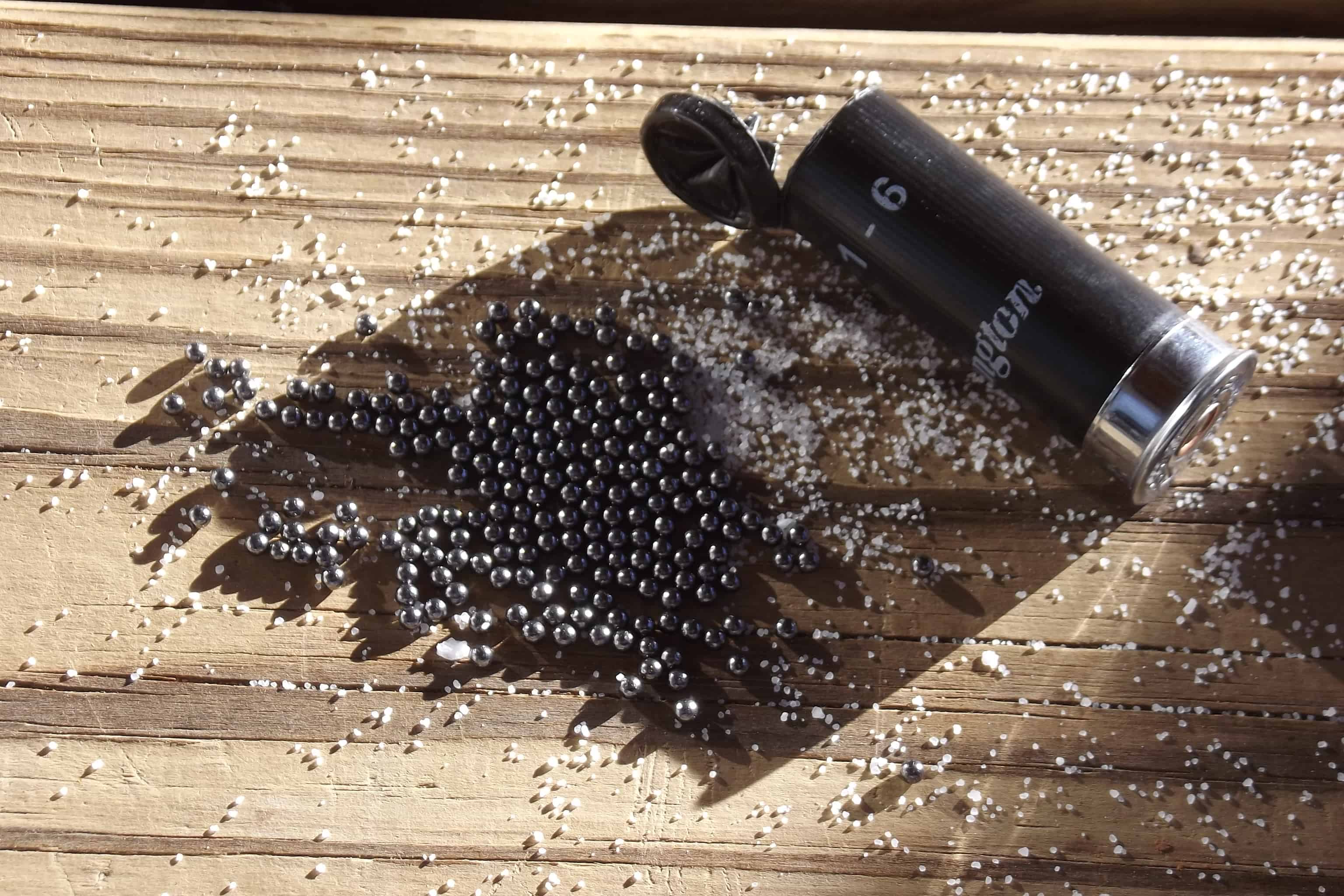
"Shot" refers to the small metal spheres (pellets) packed inside the shell. The size of these pellets is categorized into three main groups: Birdshot, Buckshot, and Slugs.
Birdshot (Small Game and Clays)
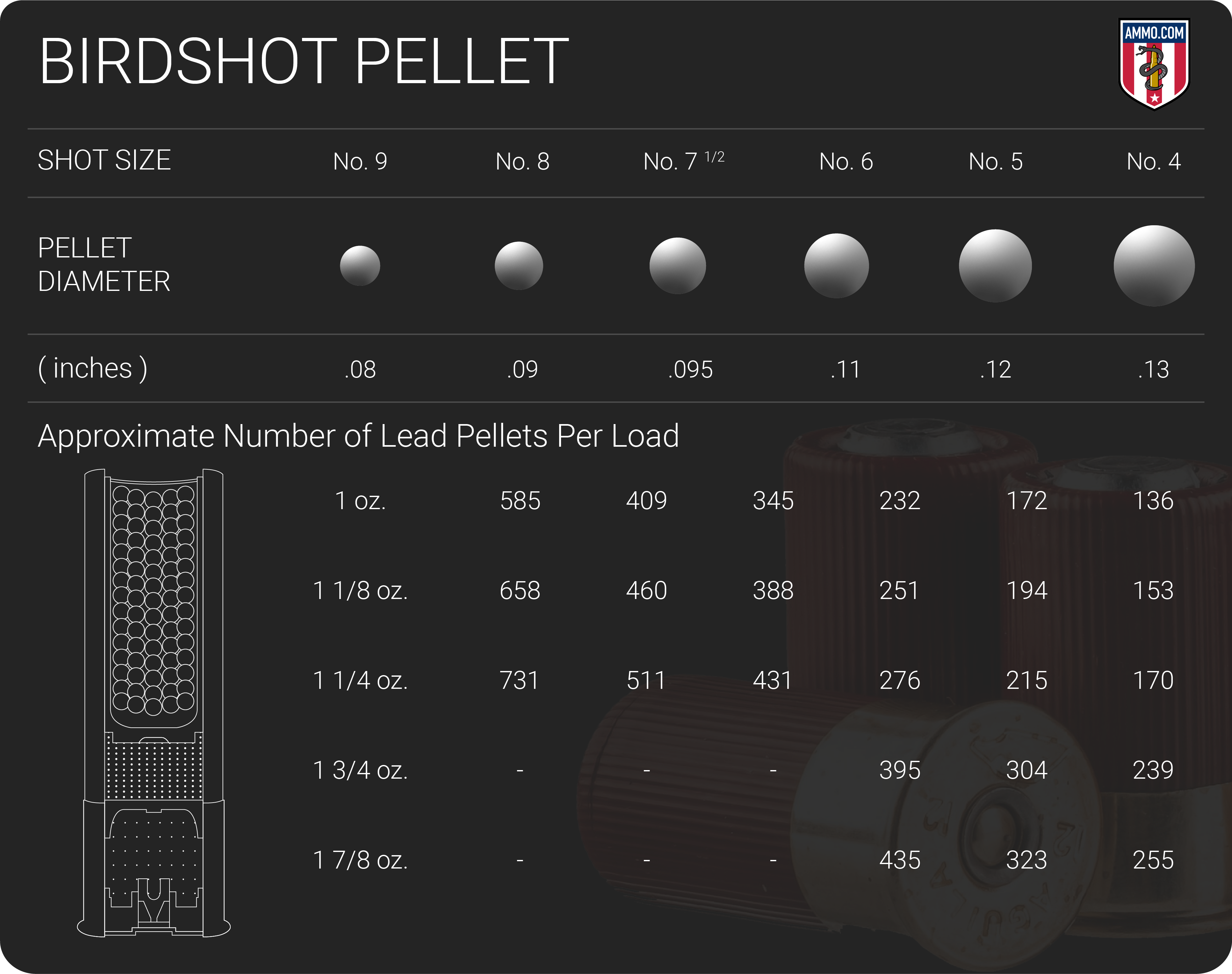
Birdshot uses a numerical system where the higher the number, the smaller the pellet. For example, #9 shot is very small (used for skeet), while #2 shot is much larger (used for large birds).
- Target/Small Bird (#7.5, #8, #9): These contain hundreds of tiny pellets, creating a dense "cloud" of lead. They are perfect for clay targets, dove, and quail.
- Upland Game (#4, #5, #6): These are slightly larger and heavier, designed to penetrate the thicker feathers and tougher bodies of pheasants, rabbits, and squirrels.
- Waterfowl (#2, #BB, #BBB): Because lead is prohibited for waterfowl hunting in many jurisdictions (to prevent environmental poisoning), hunters use steel or tungsten. Since steel is less dense than lead, larger pellet sizes are required to maintain lethal energy at a distance.
Buckshot (Large Game and Defense)
Buckshot is designed for maximum stopping power. Unlike birdshot, buckshot sizes use a different naming convention, often involving zeros.
- #4 Buckshot: Contains approximately 21 to 27 pellets (depending on shell length). It is popular for coyote hunting and some home defense scenarios where over-penetration through walls is a concern.
- #00 Buckshot (Double-Ought): The gold standard for tactical and defensive use. A standard 2 ¾-inch shell typically contains 8 or 9 pellets, each roughly .33 inches in diameter (about the size of a 9mm bullet).
- #000 Buckshot (Triple-Ought): The largest common buckshot, containing fewer but larger pellets (.36 inches).
Slugs (Large Game and Precision)
A slug is a single, heavy projectile. There are two primary types:
- Rifled Slugs (Foster Slugs): Designed to be fired from smoothbore barrels. The "rifling" is on the slug itself to help it pass through chokes safely.
- Sabot Slugs: Designed for "slug guns" with rifled barrels. These are encased in a plastic sleeve (sabot) that falls away after leaving the barrel, offering rifle-like accuracy at ranges up to 150-200 yards.
Comparing Common 12-Gauge Shell Sizes
The following table summarizes the technical specifications of the most common 12-gauge loads used in 2026.
| Shell Type | Length | Common Shot Sizes | Typical Payload | Primary Use |
|---|---|---|---|---|
| Light Target | 2 ¾" | #7.5, #8, #9 | 1 oz to 1 1/8 oz | Trap, Skeet, Sporting Clays |
| Heavy Field | 2 ¾" | #4, #5, #6 | 1 1/4 oz | Pheasant, Rabbit, Squirrel |
| Waterfowl Load | 3" | #2, #BB, #BBB | 1 1/8 oz to 1 3/8 oz | Ducks and Geese (Steel/Tungsten) |
| Turkey Load | 3" or 3 ½" | #4, #5, #6, TSS | 1 ¾ oz to 2 ¼ oz | Wild Turkey (High Density) |
| Buckshot | 2 ¾" | #00, #4 Buck | 8 to 27 Pellets | Deer Hunting, Home Defense |
| Rifled Slug | 2 ¾" | Single Projectile | 1 oz (437.5 grains) | Large Game, Tactical |
Payload Weight and Velocity: The Physics of the Shot
Beyond length and shot size, you must consider the payload weight and muzzle velocity. These two factors determine the recoil you feel and the "reach" of your shotgun.
Payload (Ounces)
Payload is the total weight of the shot inside the shell, usually measured in ounces. A light 2 ¾-inch target load might have 1 ounce of shot, while a heavy 3 ½-inch turkey load might have over 2 ounces. Increasing the payload increases the number of pellets in the air, which improves your "pattern density" (the likelihood of hitting a target). However, a heavier payload also increases recoil according to Newton’s third law.
Velocity (FPS)
Muzzle velocity is measured in Feet Per Second (FPS).
- Low Velocity (1,100 – 1,200 FPS): Common in target loads. Lower velocity often leads to more consistent patterns and less shooter fatigue.
- High Velocity (1,350 – 1,600+ FPS): Common in hunting loads. Higher velocity is necessary for steel shot to retain enough kinetic energy to be lethal at 40+ yards.
In earlier decades, manufacturers used "Dram Equivalent" (a carryover from the black powder era) to describe power. In 2026, most modern manufacturers have moved toward direct FPS ratings, though you may still see "Max Dram" listed on some specialized hunting boxes.
Material Matters: Lead vs. Non-Toxic Shot
The material of the pellets significantly impacts the "effective" size of the shell.
- Lead: The traditional choice. It is dense, soft (which prevents barrel wear), and inexpensive. However, it is toxic to the environment and restricted in many areas.
- Steel: The most common non-toxic alternative. It is less dense than lead, meaning steel pellets of the same size are lighter and lose energy faster. When using steel, shooters typically "size up" (e.g., using #2 steel where they would have used #4 lead).
- Bismuth: More dense than steel and almost as dense as lead. It is safe for older "vintage" shotguns that cannot handle the hardness of steel.
- Tungsten (TSS): The premium choice in 2026. Tungsten is significantly denser than lead. This allows hunters to use incredibly small shot (like #9 TSS) to kill large turkeys at long distances, as each tiny pellet carries the punch of a much larger lead pellet.
How to Read a Shot Shell Box
To ensure you are buying the right size, you must be able to decode the manufacturer's label. A typical box of 12-gauge ammunition will list the following in order:
- Gauge: 12 Ga.
- Shell Length: 2 ¾", 3", etc.
- Muzzle Velocity: 1,200 FPS.
- Shot Weight: 1 1/8 oz.
- Shot Size: #8 Shot.
If any of these numbers are missing, refer to the manufacturer’s website or the SAAMI (Sporting Arms and Ammunition Manufacturers' Institute) guidelines for standardized ammunition specifications.
Common Mistakes and Troubleshooting
1. Mixing 12-Gauge and 20-Gauge Shells This is a lethal mistake. A 20-gauge shell can slip past the chamber of a 12-gauge shotgun and lodge in the barrel. If a 12-gauge shell is then loaded and fired behind it, the barrel will explode. Always keep your ammunition separated by gauge.
2. Over-Choking Large Shot If you are using large buckshot or "BBB" steel shot, using an "Extra Full" choke can actually deform the pellets as they squeeze through the constriction, leading to worse patterns. For larger shot sizes, "Modified" or "Improved Cylinder" often provides the best results.
3. Ignoring the "Low Brass" vs. "High Brass" Myth Historically, the height of the brass base indicated the power of the shell. In 2026, modern plastic hulls are strong enough that the metal base is largely aesthetic or used for easier extraction. Do not judge a shell's power by the height of the brass; always read the FPS and payload specs on the box.
Frequently Asked Questions
Can I fire 2 ¾-inch shells in a 3-inch chamber?
Yes. You can always fire a shorter shell in a longer chamber (e.g., 2 ¾" in a 3" or 3 ½" chamber). The reverse, however, is extremely dangerous and should never be attempted.
What is the best shot size for home defense?
Most experts recommend #00 Buckshot or #4 Buckshot. #00 provides maximum stopping power, while #4 Buckshot offers a higher pellet count and slightly reduced risk of over-penetrating through multiple interior walls.
Why does steel shot require a larger pellet size?
Steel is roughly 30% lighter than lead. Because it lacks density, a steel pellet loses its momentum much faster than a lead pellet of the same size. To compensate, hunters use larger steel pellets to maintain the necessary kinetic energy for a clean kill.
What does "Dram Equivalent" mean on old ammo boxes?
Dram Equivalent is a legacy measurement that compares the power of a smokeless powder load to the amount of black powder (measured in drams) that would produce the same velocity. Most modern shooters ignore this and look at the FPS (Feet Per Second) rating instead.
Is TSS (Tungsten Super Shot) worth the extra cost?
For specific applications like turkey hunting, yes. Because TSS is nearly twice as dense as lead, you can use much smaller pellets (which increases pattern density) while maintaining lethal penetration at 50+ yards. However, for general target practice, it is prohibitively expensive.
Practical Recommendation
When selecting 12-gauge shot shell sizes, start with your shotgun’s barrel stamps. Locate the markings that indicate the chamber length (e.g., "12 Ga. 2 ¾" or 3""). Once you know your maximum length, choose your shot size based on the target: #7.5 to #9 for clays, #4 to #6 for small game, and #00 Buckshot or Slugs for defense or large game. If you are unsure of the recoil, start with a 1-ounce target load at 1,150 FPS and work your way up to heavier hunting loads as needed.