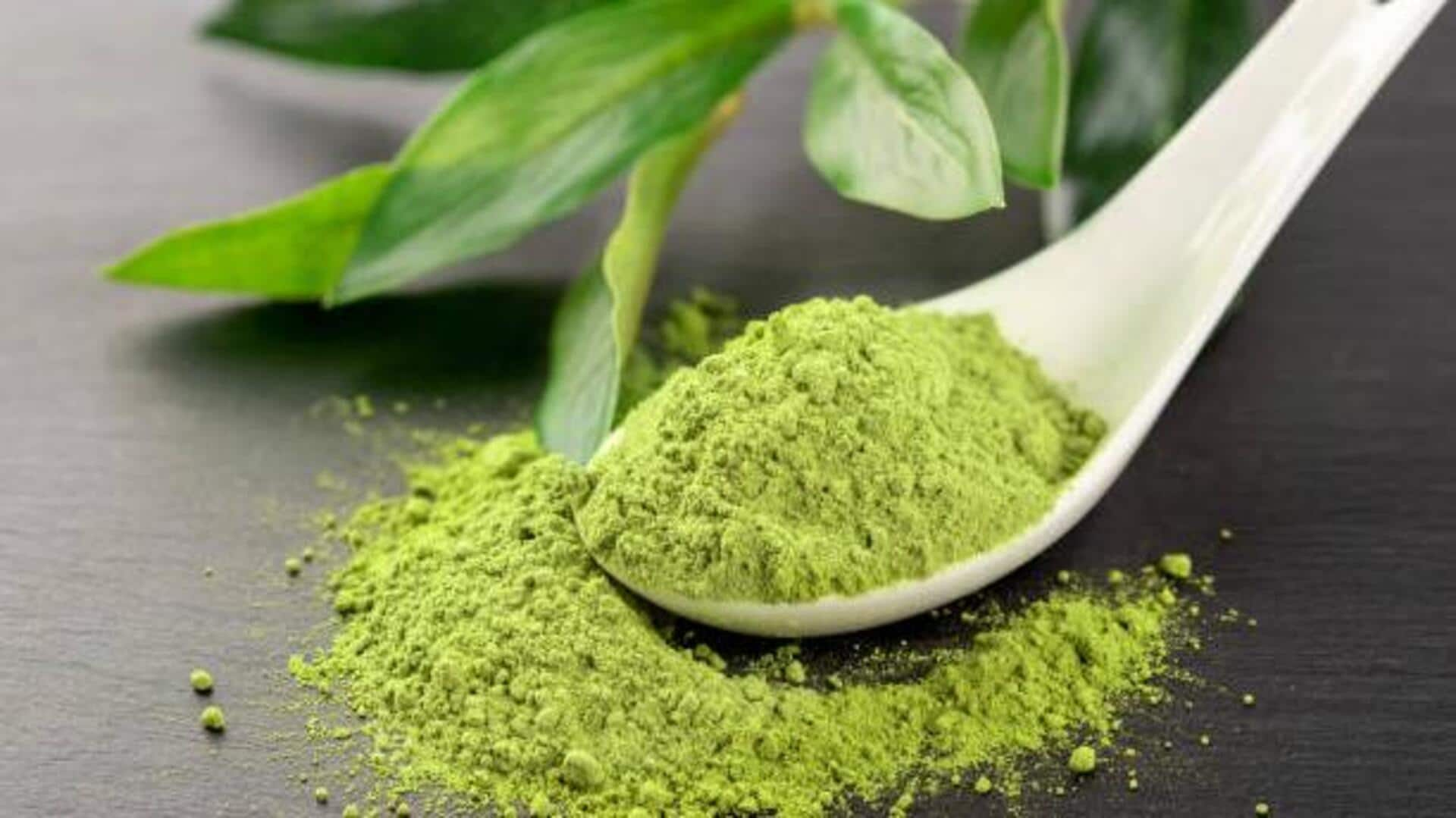
Matcha powder is finely ground green tea leaves traditionally whisked with hot water, but its vibrant color, earthy flavor, and antioxidant properties make it a remarkably versatile ingredient for modern cooking, baking, and skincare.
Understanding Matcha Powder: Grades, Origins, and Preparation
Before exploring the multitude of ways to incorporate matcha powder into your daily life, it is essential to understand what matcha is and how different grades affect your culinary and beverage outcomes. True matcha originates from Camellia sinensis plants that are shade-grown for several weeks prior to harvesting. This shading process increases chlorophyll production, giving the leaves their striking vibrant green hue, and boosts the concentration of amino acids like L-theanine, which provides a calm, focused alertness when consumed. After harvesting, the stems and veins are removed, and the dried leaves are traditionally ground into an ultra-fine powder using granite stone mills.
When shopping for matcha, you will generally encounter two primary market categories: ceremonial grade and culinary grade. Ceremonial grade matcha is sourced from the youngest, most tender tea leaves at the top of the plant. It is designed to be whisked simply with hot water and consumed on its own, offering a naturally sweet, delicate flavor profile with virtually no bitterness. Culinary grade matcha, on the other hand, is made from slightly more mature leaves harvested later in the season. It possesses a bolder, more robust flavor profile designed to cut through rich ingredients like dairy, sugar, and fats in cooking and baking applications. Choosing the right grade is the first step toward achieving delicious results in any recipe.
| Matcha Grade | Leaf Source | Best Uses | Flavor Profile | Color |
|---|---|---|---|---|
| Ceremonial Grade | Youngest top leaves | Traditional whisking, plain lattes | Sweet, smooth, umami-rich, minimal bitterness | Vibrant, bright neon green |
| Culinary Grade | Mature mid-harvest leaves | Baking, smoothies, cooking, heavy dairy lattes | Strong, bold, slightly astringent or bitter | Darker, duller olive green |
1. Crafting the Traditional Whisked Matcha Tea
The most authentic and foundational way to use matcha powder is to prepare traditional usucha (thin tea) or koicha (thick tea). This method allows you to appreciate the pure, unadulterated flavor of the tea without any masking agents.
To prepare a traditional bowl of matcha, you will need a traditional bamboo whisk (chasen), a bamboo scoop (chashaku), and a ceramic tea bowl (chawan). Sift approximately one to two teaspoons of ceremonial-grade matcha powder into the bowl to eliminate any clumps. Add about two ounces of hot water that has been heated to roughly 175°F to 180°F (80°C to 82°C)—avoid boiling water, as it scorches the delicate leaves and introduces harsh bitterness. Using the bamboo whisk, vigorously sweep the whisk back and forth in a zigzag or "W" motion until a fine, uniform foam forms on the surface. This ritualistic preparation not only yields a comforting beverage but also maximizes the extraction of catechins and antioxidants.
2. Elevating Your Morning Routine with a Matcha Latte
If you enjoy creamy coffeehouse drinks, making a homemade matcha latte is an excellent, cost-effective alternative that allows you to control the sweetness and milk quality. Both hot and iced variations can be prepared effortlessly in your own kitchen.
To make a standard hot matcha latte, whisk one teaspoon of culinary or ceremonial matcha with two ounces of warm water until smooth and frothy, ensuring no dry powder remains at the bottom of your vessel. In a separate container, heat and froth eight ounces of your preferred milk—whether dairy whole milk, oat milk, almond milk, or soy milk. Pour the frothed milk gently over the concentrated matcha liquid. For an iced variation, dissolve the matcha in a small amount of warm water, pour it over a full glass of ice cubes, and top with cold milk. Oat milk is particularly popular for matcha lattes because its natural creaminess and subtle sweetness complement the vegetal notes of the green tea powder.
3. Incorporating Matcha into Smoothies and Protein Shakes
Nutrient-dense smoothies and post-workout protein shakes provide a fantastic canvas for culinary-grade matcha powder. The vibrant green color makes your morning smoothie visually appealing, while the caffeine and L-theanine combination delivers sustained energy without the sharp crash associated with heavy espresso drinks.
When adding matcha to smoothies, you do not need to whisk it separately with hot water; the high-powered blades of a blender will incorporate the powder seamlessly. A classic green superfood combination includes frozen banana for natural sweetness and creamy texture, a handful of fresh spinach or kale, a cup of coconut water or almond milk, a tablespoon of chia seeds or flaxseeds, and one teaspoon of matcha powder. For a post-workout recovery shake, blend vanilla plant-based or whey protein powder with almond milk, frozen mango chunks, and matcha. The tropical sweetness of the mango pairs surprisingly well with the earthy flavor profile of the green tea.
4. Baking with Matcha: Cakes, Cookies, and Pastries
Baking with matcha powder has become a global culinary trend, transforming classic Western baked goods into unique treats with a distinct flavor and striking visual appeal. Because baking exposes matcha to high heat, culinary-grade powder is ideal for these applications, as it retains its robust flavor profile even when mixed into complex batters.
When formulating baked goods, matcha pairs exceptionally well with white chocolate, vanilla, citrus zest, macadamia nuts, and sweet red bean paste (anko). To make matcha shortbread cookies or sugar cookies, simply sift one to two tablespoons of matcha powder directly into your dry flour mixture before combining it with butter and sugar. For matcha pound cakes or chiffon cakes, whisk the powder into the liquid ingredients or fold it gently into the whipped egg whites to maintain a light, airy crumb. It is important to avoid overbaking matcha treats, as excessive heat can cause the bright green color to fade into a dull brownish-yellow tint.
5. Whipping Up Matcha-Infused Breakfasts: Pancakes and Oatmeal
Transforming your standard breakfast routine with matcha powder is a simple way to introduce antioxidants and a gentle morning energy lift to your first meal of the day. From fluffy pancakes to comforting bowls of morning oats, the possibilities are extensive.
For matcha pancakes, incorporate one to two tablespoons of culinary-grade matcha into your dry pancake mix alongside all-purpose flour, baking powder, a pinch of salt, and a touch of sugar. Cook the pancakes on medium-low heat on a griddle, as high heat can easily burn the matcha embedded in the surface of the batter. Serve them warm with a drizzle of pure maple syrup and fresh berries. Alternatively, stir half a teaspoon of matcha into your morning bowl of rolled oats or chia seed pudding while it is cooking or soaking, topping it with sliced bananas, toasted coconut flakes, and a drizzle of honey for a balanced, energizing breakfast.
6. Creating Artisanal Matcha Spreads and Butter
Infusing spreads and butters with matcha powder is a creative culinary technique that allows you to add vibrant color and earthy complexity to toast, crumpets, pastries, and even savory dishes.
One popular creation is homemade matcha butter, often referred to in culinary circles as compound butter. To make this, soften a stick of unsalted high-quality butter to room temperature. Thoroughly mix in one to two tablespoons of culinary-grade matcha powder and a pinch of flaky sea salt until the mixture achieves a uniform, deep green color. Roll the butter into a log using parchment paper and refrigerate it until firm. Slice off rounds to melt over warm sweet corn, pancakes, or pan-seared scallops. Another variation is a sweet matcha coconut spread or vegan butter, blending coconut oil, maple syrup, and matcha for a dairy-free alternative that spreads smoothly on morning toast.
7. Mixing Vibrant Matcha Dressings and Vinaigrettes
While matcha is most commonly associated with sweet applications, its savory, umami-rich undertones make it a sophisticated addition to salad dressings, cold noodle sauces, and marinades.
To craft a vibrant matcha vinaigrette, whisk together one teaspoon of culinary matcha powder with two tablespoons of rice vinegar, a splash of fresh lime juice, a half teaspoon of grated fresh ginger, a dash of toasted sesame oil, and three tablespoons of neutral grapeseed or avocado oil. Season with a pinch of sea salt. This dressing pairs exquisitely with shaved cabbage, crisp cucumber ribbons, edamame, and seared tofu or salmon. The slight bitterness of the matcha cuts through rich oils and vinaigrettes, balancing the overall flavor profile of fresh salads.
8. Blending Refreshing Matcha Mocktails and Cocktails
Beverage directors and home mixologists alike utilize matcha powder to add visual drama and complex flavor profiles to craft cocktails and non-alcoholic mocktails. The vibrant green foam created by whisking matcha acts as a striking crown for iced drinks.
For a refreshing non-alcoholic matcha tonic, dissolve a teaspoon of matcha in a small amount of warm water, then shake it vigorously with ice, fresh lemon juice, simple syrup, and premium botanical tonic water or sparkling water. For a cocktail variation, matcha pairs wonderfully with clear spirits like vodka, white rum, and gin, as well as herbal liqueurs. A matcha-infused gin and tonic offers a botanical, earthy twist on a classic highball, with the crisp juniper notes of the gin complementing the grassy undertones of the green tea powder.
9. Crafting Homemade Matcha Ice Cream and Frozen Desserts
Frozen desserts provide an ideal medium for matcha, as the natural fats in dairy or plant-based creams temper the slight bitterness of the green tea, resulting in a rich, smooth, and deeply satisfying treat.
Whether you are using an automated ice cream maker or preparing a quick "nice cream" using frozen bananas, incorporating matcha powder creates a gourmet dessert reminiscent of traditional Japanese sweet shops. For a classic churned ice cream base, whisk culinary-grade matcha directly into a warm custard base of heavy cream, whole milk, egg yolks, and sugar before chilling and churning. If you prefer a simpler, dairy-free frozen treat, blend frozen bananas, a splash of full-fat coconut milk, and a generous tablespoon of matcha powder in a food processor until smooth and creamy, serving immediately or freezing for a firmer texture.
10. Utilizing Matcha in DIY Skincare and Face Masks
Beyond culinary consumption, the topical application of matcha powder has gained traction in natural skincare routines. The high concentration of antioxidants, particularly epigallocatechin gallate (EGCG), and chlorophyll makes matcha a soothing addition to homemade face masks designed to calm irritated skin and promote a radiant complexion.
To create a simple, purifying DIY matcha face mask, mix one teaspoon of culinary or cosmetic-grade matcha powder with a teaspoon of raw honey and a few drops of warm water or plain yogurt to form a smooth paste. Apply the mixture evenly to clean skin, avoiding the immediate eye area, and let it sit for ten to fifteen minutes before rinsing thoroughly with lukewarm water. The honey provides natural humectant properties to lock in moisture, while the matcha helps soothe minor redness and environmental stress on the skin. Always perform a patch test on your inner forearm before applying new botanical ingredients to your face to check for potential sensitivities.
Common Mistakes to Avoid When Using Matcha Powder
Working with matcha powder requires a degree of care to preserve its flavor, color, and nutritional integrity. Avoiding common handling errors ensures that your culinary and beverage projects turn out successfully every time.
- Using Boiling Water: Pouring boiling water directly over matcha scorches the delicate leaves, releasing an intensely unpleasant bitterness. Always allow boiled water to cool to roughly 175°F to 180°F (80°C to 82°C) before whisking.
- Skipping the Sifting Step: Matcha powder naturally packs together into tight clumps due to its ultra-fine grind. Failing to sift the powder before adding liquid almost always results in stubborn dry lumps in your drinks or baked goods.
- Improper Storage: Exposing matcha to heat, light, moisture, and oxygen rapidly degrades its flavor and vibrant green color. Always store matcha in an airtight, opaque container in the refrigerator once opened, and consume it within a few weeks for optimal freshness.
- Overlooking Grade Distinctions: Using expensive, delicate ceremonial grade matcha in heavy baked goods or savory dressings is an unnecessary expense, just as using bitter culinary grade matcha for plain hot tea will yield a harsh, unpalatable cup. Match your grade to your application.
Frequently Asked Questions
Does matcha powder contain caffeine?
Yes, matcha powder contains caffeine, typically averaging around 70 milligrams per serving (roughly one teaspoon), which is more than a cup of steeped green tea but generally less than a standard cup of drip coffee. Because matcha contains L-theanine, the caffeine is absorbed more slowly by the body, providing sustained energy without jitters.
How should I store leftover matcha powder to keep it fresh?
To maintain optimal freshness, keep your matcha in its original airtight container or transfer it to a dark, airtight tin. Store it in the refrigerator to protect it from heat and light. Bring the container to room temperature before opening it to prevent condensation from forming inside the package.
Can I use regular green tea bags instead of matcha powder in recipes?
No, standard green tea bags contain coarsely cut dried leaves meant for steeping in water, and removing the contents will not yield the fine powder required for baking, smoothies, or lattes. Matcha is uniquely shade-grown, destemmed, and stone-ground into a whole-leaf suspension, providing entirely different flavor concentration and texture.
Is culinary grade matcha lower quality than ceremonial grade?
Culinary grade matcha is not necessarily low quality; rather, it is harvested from more mature tea leaves later in the season. This gives it a bolder, more robust flavor profile designed to withstand mixing with other ingredients like sugar, flour, and dairy without getting lost, whereas ceremonial grade is too delicate for heavy recipes.
Can I drink matcha every day?
For most healthy adults, consuming one to two cups of matcha daily is safe and provides beneficial antioxidants and polyphenols. However, due to its caffeine content and compounds that can inhibit iron absorption when consumed in very large quantities, moderation is recommended, particularly for pregnant individuals or those with specific iron deficiencies.
Conclusion
Incorporating matcha powder into your daily lifestyle opens up a world of culinary creativity, from traditional mindful tea whisking to vibrant lattes, baked goods, smoothies, and even natural skincare routines. By selecting the appropriate grade of matcha for your specific project, handling it with care regarding water temperature and storage, and experimenting with both sweet and savory applications, you can fully harness the versatility of this remarkable green tea powder. Start with a simple morning latte or a refreshing smoothie, and gradually expand your repertoire to discover your favorite ways to enjoy matcha.