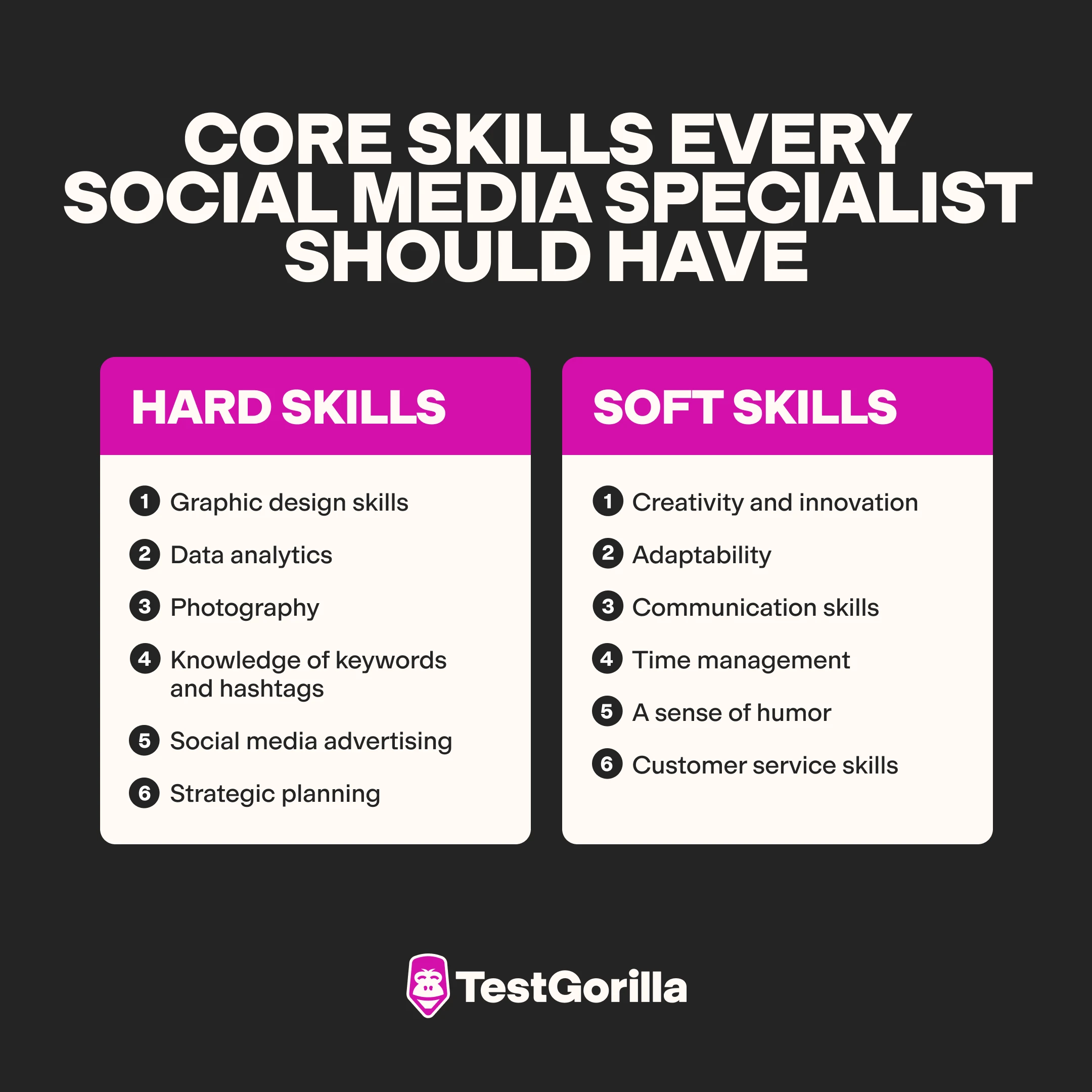
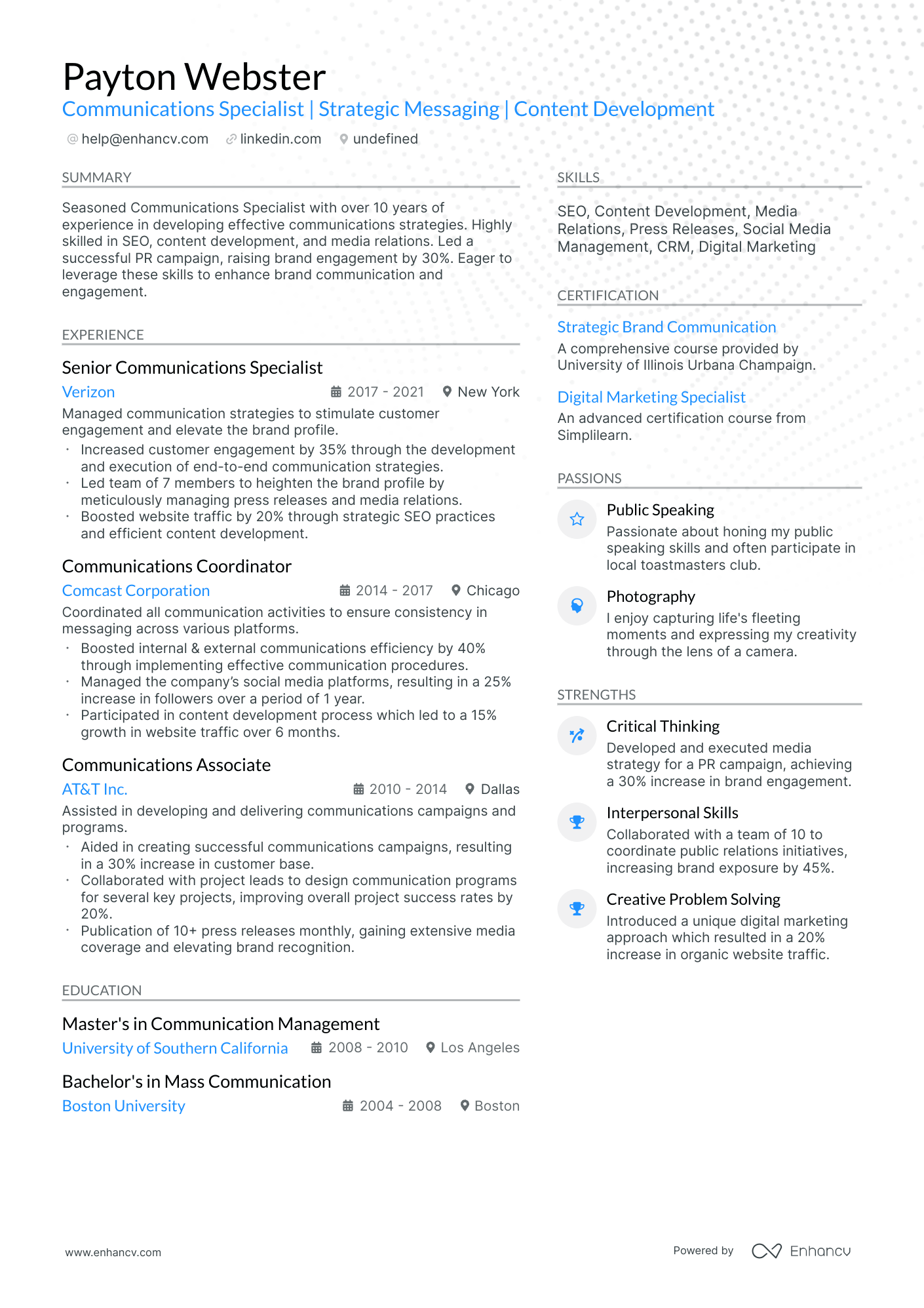
A specialist is a professional who has dedicated their education, training, and career to mastering a specific subset of knowledge, skill, or service within a broader industry. Unlike generalists who maintain a breadth of knowledge across multiple areas, specialists provide deep, technical, or highly nuanced solutions to complex problems, often operating within regulated or high-stakes environments where precision is paramount.
The shift toward specialization reflects the increasing complexity of modern systems, from digital architecture to biological sciences. While generalists are essential for coordination and oversight, specialists are the pillars of execution, providing the granular expertise required to navigate niche challenges, comply with industry standards, and drive innovation in specific verticals. This article examines ten distinct examples of specialists, detailing their core functions, educational requirements, and the value they bring to their respective fields.
1. Cybersecurity Architect
In the digital landscape of 2026, security is no longer a peripheral concern but the foundation of all infrastructure. A cybersecurity architect is a specialist tasked with designing, building, and implementing secure network and computer systems. Unlike a general IT administrator who manages daily operations, the architect focuses on long-term structural integrity.
They must understand the complete lifecycle of a threat, from vulnerability assessment to incident response. Their work involves high-level strategic planning, such as creating zero-trust frameworks or integrating multi-layered encryption protocols. This role requires extensive knowledge of network protocols, cloud computing platforms, and international data privacy regulations. Their contribution is measured by the successful prevention of data breaches and the resilience of an organization's digital assets against evolving threats.
2. Pediatric Cardiologist
A pediatric cardiologist is a medical specialist who focuses on diagnosing and treating heart conditions in infants, children, and adolescents. While general practitioners handle primary care, the pediatric cardiologist manages the physiological complexities of a developing heart, which differ significantly from adult cardiovascular systems.
The scope of this specialty includes managing congenital heart defects, arrhythmias, and cardiac complications related to genetic syndromes. These specialists often work in multidisciplinary teams, coordinating with neonatologists and pediatric surgeons. Because the anatomical structures are smaller and changing rapidly, this field requires specialized imaging training, such as fetal echocardiography, and a profound understanding of pediatric pharmacology.
3. Structural Engineer
Structural engineers are civil engineering specialists concerned with the integrity and safety of physical structures. While an architect focuses on design and aesthetic intent, the structural engineer ensures that the building will stand up to gravity, high winds, seismic activity, and the physical weight of its contents.
Their work involves rigorous calculations regarding load-bearing capacities, material fatigue, and structural dynamics. In 2026, as urban centers prioritize sustainable and resilient building materials, these specialists are increasingly focused on carbon-neutral construction techniques and high-performance composites. They must ensure every project meets local and national building codes, which are non-negotiable for public safety and legal compliance.
4. Intellectual Property Attorney
Legal specialization is essential in an era of rapid technological advancement. An intellectual property (IP) attorney is a legal specialist who focuses on the laws related to inventions, patents, trademarks, copyrights, and trade secrets. This niche requires a dual fluency in law and the specific subject matter being protected—such as software engineering, biotechnology, or artistic creation.
IP attorneys help companies navigate the complexities of international filing, defend against infringement, and draft licensing agreements that preserve the owner's rights. Their value lies in their ability to translate highly technical innovations into legal protections that survive scrutiny in patent offices and litigation in federal courts.
5. Quantitative Financial Analyst
Often referred to as a "quant," this specialist uses mathematical and statistical methods to solve financial problems. They work primarily in investment banks, hedge funds, and insurance firms to design complex algorithms that price derivatives, manage investment portfolios, and assess market risk.
Unlike a traditional financial advisor who manages client assets based on historical performance, the quantitative analyst builds the models that power modern high-frequency trading and risk mitigation. This role necessitates a high level of proficiency in computer programming (such as Python or C++), stochastic calculus, and econometrics. Their work is the engine behind sophisticated market strategies that attempt to optimize returns while minimizing exposure to volatility.
6. UX/UI Design Specialist
A User Experience (UX) and User Interface (UI) design specialist is responsible for the intersection of human psychology and digital product functionality. While graphic designers focus on visual assets, UX/UI specialists focus on how a user interacts with an application or website.
They conduct rigorous user testing, wireframing, and accessibility audits to ensure that products are intuitive and inclusive. In 2026, these specialists are critical for ensuring compliance with digital accessibility standards, such as WCAG (Web Content Accessibility Guidelines). Their work involves mapping user journeys to reduce friction, which directly impacts conversion rates and user retention for digital services.
7. Environmental Restoration Ecologist
This scientific specialist focuses on the recovery of ecosystems that have been degraded, damaged, or destroyed. Restoration ecologists apply biological principles to restore biodiversity and ecological function to areas affected by industrial activity, climate change, or natural disasters.
Their work is highly field-intensive, involving soil sampling, native species reintroduction, and long-term monitoring of hydrological and biological data. Unlike general environmental consultants who may perform broad impact assessments, these specialists execute the technical work of healing a specific environment, requiring deep knowledge of regional flora, fauna, and soil science.
8. Forensic Accountant
Forensic accounting is the specialty of investigative accounting. These professionals are tasked with uncovering fraud, embezzlement, or money laundering. They possess a unique blend of expertise in financial auditing, investigative techniques, and criminal law.
A forensic accountant looks beyond the surface of financial statements to detect irregularities that suggest illicit activity. Their output is often used as evidence in legal proceedings. Because their findings may be scrutinized in a court of law, their work requires a level of documentation and procedural precision that far exceeds standard corporate accounting practices.
9. Supply Chain Logistics Strategist
This specialist focuses on the optimization of the movement of goods from raw material origin to final delivery. In an era of global supply chain disruptions, these specialists have become vital to corporate stability. They analyze flow patterns, carrier performance, and inventory positioning to reduce costs and improve delivery speeds.
The role involves managing complex data sets and utilizing AI-driven forecasting tools to anticipate shortages or logistics bottlenecks. By specializing in the "science of movement," these professionals ensure that manufacturing and retail sectors maintain continuity, even when external market variables change rapidly.
10. Renewable Energy Integration Specialist
As the global energy grid transitions toward decarbonization, renewable energy integration specialists have emerged as a critical technical bridge. These engineers focus on how to seamlessly connect intermittent power sources—such as wind and solar—to the existing electrical grid without compromising stability.
They must understand grid dynamics, energy storage technologies (such as high-capacity battery systems), and smart-grid architecture. Their work is distinct from that of general electrical engineers, as it focuses specifically on the challenges of variability and the regulatory frameworks governing energy distribution in a mixed-source utility environment.
Comparative Overview of Specialist Disciplines
| Specialty | Primary Objective | Key Technical Skill | Core Regulatory Impact |
|---|---|---|---|
| Cybersecurity Architect | Asset Protection | Network Topology | Data Privacy Laws |
| Pediatric Cardiologist | Physiological Health | Echo/Imaging Analysis | HIPAA/Medical Ethics |
| Structural Engineer | Physical Safety | Load-Bearing Physics | Building Codes |
| Forensic Accountant | Fraud Detection | Investigative Auditing | Criminal/Civil Law |
| Energy Integration Spec. | Grid Stability | Power System Modeling | Utility Standards |
Frequently Asked Questions
What differentiates a specialist from a generalist?
A generalist typically possesses a broad understanding of multiple areas and excels at integrating different functions. A specialist focuses on deep, narrow proficiency, providing high-level expertise in one specific domain. Generalists are often managers or coordinators, while specialists serve as technical subject-matter experts.
How does one become a recognized specialist?
Becoming a specialist usually requires a combination of formal education, specialized certification, and focused professional experience. Many fields require board certification (such as in medicine), professional licensing (such as in engineering or law), or industry-recognized credentials that confirm mastery of a niche subject.
Is specialization always better than generalization?
Not necessarily. The value of specialization depends on the complexity and risk level of the project. For routine or cross-functional tasks, a generalist is often more effective. For tasks involving high risk, deep technical requirements, or regulatory complexity, a specialist is essential to ensure safety and accuracy.
Can a specialist transition to a generalist role?
Yes. Many specialists eventually move into leadership roles where they oversee multiple departments or projects. This transition often requires the specialist to pivot from individual technical contribution to team management, effectively "broadening" their scope to include strategy, personnel, and operational oversight.
Why do organizations hire specialists instead of training internal staff?
Organizations hire specialists to solve problems where the cost of failure is high or where the knowledge required is too narrow to justify full-time training for a generalist. Specialists bring "pre-verified" expertise and methodologies that allow them to hit the ground running, reducing the risk of errors and cutting down the time required to complete specialized objectives.
Recommendation for Next Actions
If you are considering a career as a specialist, begin by identifying the intersection of your strongest aptitude and the market demand for a specific, non-commoditized skill set. Review the credentialing requirements for your chosen field as of 2026, as licensing bodies frequently update their standards. Start by attaining a foundational degree, then seek out professional certification boards that offer ongoing continuing education, as the most effective specialists are those who remain current with the technical evolution of their niche.