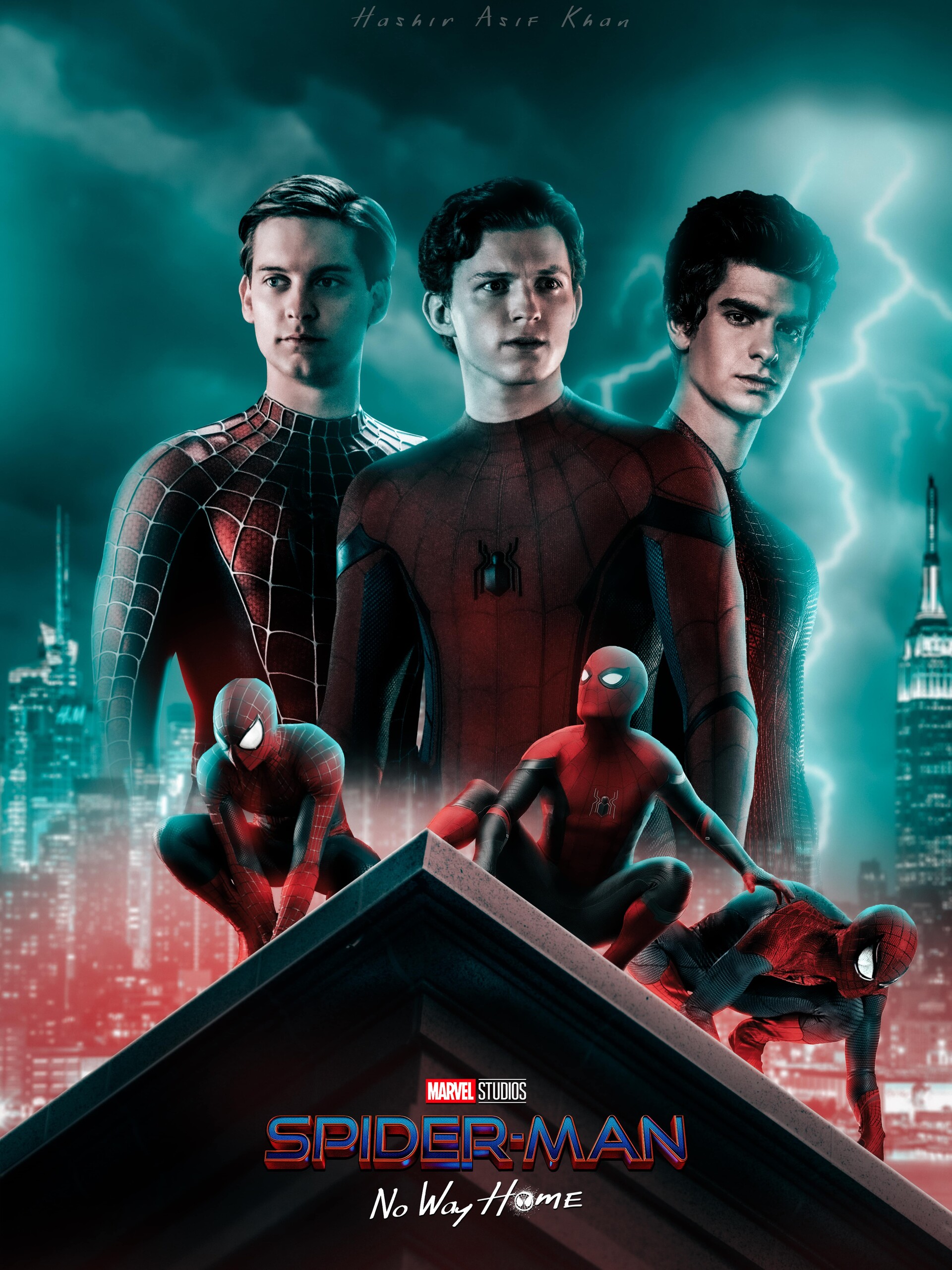
The inclusion of three iterations of Spider-Man in the 2021 film Spider-Man: No Way Home is primarily achieved through the narrative device of a botched multiverse-altering spell. This cinematic event brings together the Peter Parkers portrayed by Tom Holland, Tobey Maguire, and Andrew Garfield, leveraging the established lore of their respective standalone film franchises to facilitate a cohesive crossover.
The Narrative Catalyst: The Multiverse Spell
The core explanation for the convergence of three Spider-Men lies in the film's second act. Following the events of Spider-Man: Far From Home, in which Peter Parker’s secret identity is exposed to the world by Quentin Beck (Mysterio), Tom Holland’s Peter seeks the assistance of Doctor Strange. The objective is to cast a high-level magical spell to make the world forget that he is Spider-Man.
During the incantation, Peter’s repeated requests for exceptions—wishing for his girlfriend, best friend, and aunt to retain their knowledge of his identity—disrupt the ritual’s stability. This interference causes the spell to fracture, creating a breach in the boundaries of the multiverse. Rather than erasing the world's memory, the flawed spell inadvertently draws individuals from other realities into the Marvel Cinematic Universe (MCU) who possess one shared trait: they know that Peter Parker is Spider-Man. Because the Peter Parkers from the Sam Raimi-directed trilogy and the Marc Webb-directed The Amazing Spider-Man films also go by the name Peter Parker and share his secret identity, they are pulled through the spatial instability alongside several of their respective villains.
Establishing Continuity Through Cinematic History
The success of No Way Home in integrating three Spider-Men relies on the audience’s pre-existing familiarity with twenty years of cinematic history. By utilizing Tobey Maguire, who starred in the 2002–2007 trilogy, and Andrew Garfield, who headlined the 2012–2014 films, the production team was able to bypass the need for extensive origin stories or heavy exposition regarding their motivations.
The film treats these characters not as cameos, but as fully developed individuals who have continued their lives off-screen since their last appearances. For instance, Tobey Maguire’s version of the character reflects the growth of a man who has matured over nearly two decades, offering wisdom to his younger counterparts. Andrew Garfield’s Peter Parker, conversely, is characterized by the trauma and grief stemming from the events depicted in The Amazing Spider-Man 2. By retaining the specific histories of these actors, the film serves as a synthesis of three distinct eras of comic book filmmaking, validating the legacy of each franchise while anchoring the emotional stakes of the current MCU storyline.
Technical and Practical Implementation
From a technical standpoint, the integration of three lead actors required a combination of careful choreography, visual effects (VFX), and logistical coordination. The filmmakers faced the challenge of maintaining the distinct fighting styles and physical presence of each Spider-Man. Tobey Maguire’s Spider-Man is often portrayed with a more grounded, powerful fighting style, whereas Andrew Garfield’s iteration is noted for his agility, speed, and witty banter during combat.
Visual effects artists were tasked with ensuring that each character’s suit maintained its original texture and design, despite the varying filming technologies used across the three franchises. The production utilized high-fidelity digital assets to blend the live-action performances with computer-generated imagery during the film's climax, which takes place on a construction site surrounding the Statue of Liberty. This sequence was critical, as it required the three actors to interact in a shared space while battling a collective of villains, demanding precise timing to ensure the actors felt physically present within the same frame rather than appearing as separate elements layered in post-production.
Table: Comparison of Cinematic Spider-Man Iterations
The following table summarizes the three versions of Spider-Man featured in the film and their respective backgrounds:
| Character | Portrayed By | Source Franchise | Key Narrative Role |
|---|---|---|---|
| Peter Parker (MCU) | Tom Holland | MCU | Protagonist navigating the consequences of the spell. |
| Peter Parker (Raimi) | Tobey Maguire | Raimi Trilogy | Mentor figure providing emotional clarity. |
| Peter Parker (Webb) | Andrew Garfield | Amazing Spider-Man | Catalyst for redemption regarding past failures. |
Emotional Resonance and Character Development
Beyond the technical spectacle of seeing three heroes work together, the inclusion of three Spider-Men serves the narrative purpose of character development for Tom Holland’s Peter. Throughout the film, Holland’s character faces significant loss, mirroring the tragic experiences of his variants. The interaction between the three serves as a support structure; the elder two Spider-Men are able to provide counsel based on their own experiences, specifically regarding the heavy burden of responsibility that comes with being a hero.
The scene in which the three heroes exchange stories about their past villains and personal losses acts as the emotional core of the film. It allows the audience to see the common threads—often referred to as the "Parker Luck"—that define the character regardless of the reality he inhabits. This shared trauma solidifies the bond between them, turning a potentially chaotic premise into an intimate character study about what it means to be Spider-Man.
The Logistics of Secrecy
A significant component of the film's release in 2021 was the intense effort to keep the inclusion of the two previous Spider-Men a secret. Leading up to the premiere, the marketing campaign and the actors involved—particularly Andrew Garfield—consistently denied their participation in the project. This strategy was intended to preserve the element of surprise for the theatrical experience, allowing the audience’s discovery to mirror the arrival of the characters within the film’s plot.
In the industry, this level of secrecy is rare for a production of this magnitude. It necessitated strict non-disclosure agreements and physical measures on set to prevent leaks. The successful preservation of this information contributed heavily to the film’s critical reception and its performance at the box office, as the reveal became a central talking point for the audience upon release.
Common Questions Regarding the Multiverse Crossover
How do the different Spider-Men coexist in the same reality? They coexist because the damaged spell pulls them from their respective universes into the MCU reality. They are not permanently relocated, but rather stuck in this reality until the spell is reversed to send them back to their home dimensions.
Does the film rewrite the history of previous Spider-Man movies? No, the film respects the established continuity of the Raimi and Webb films. It treats those previous iterations as past events that have already occurred, effectively serving as a continuation of their stories rather than a reboot.
Are the villains also from different universes? Yes, the villains—such as Doc Ock, Green Goblin, and Electro—are pulled from their original universes alongside the other two Spider-Men. The film explains that they were plucked from their timelines at the exact moments they were facing their respective versions of Spider-Man.
Why does the spell draw in only those who know Peter Parker’s secret identity? The script establishes that the spell was specifically targeting the knowledge of Peter Parker’s identity. When the spell malfunctioned, it anchored itself to that specific piece of information, pulling in anyone from the multiverse who possessed it.
Next Steps for Viewers
If you are re-examining the film to understand how these elements interlink, it is recommended to watch the films in order of their release—starting with the Sam Raimi Spider-Man trilogy, followed by The Amazing Spider-Man series, and culminating in the MCU's "Home" trilogy. This provides the necessary context to appreciate the nuances of the interaction between the three actors in No Way Home. For further analysis of the film's production, viewers can consult official behind-the-scenes features released by the studio, which detail the collaborative effort required to bring these disparate universes into one unified narrative.