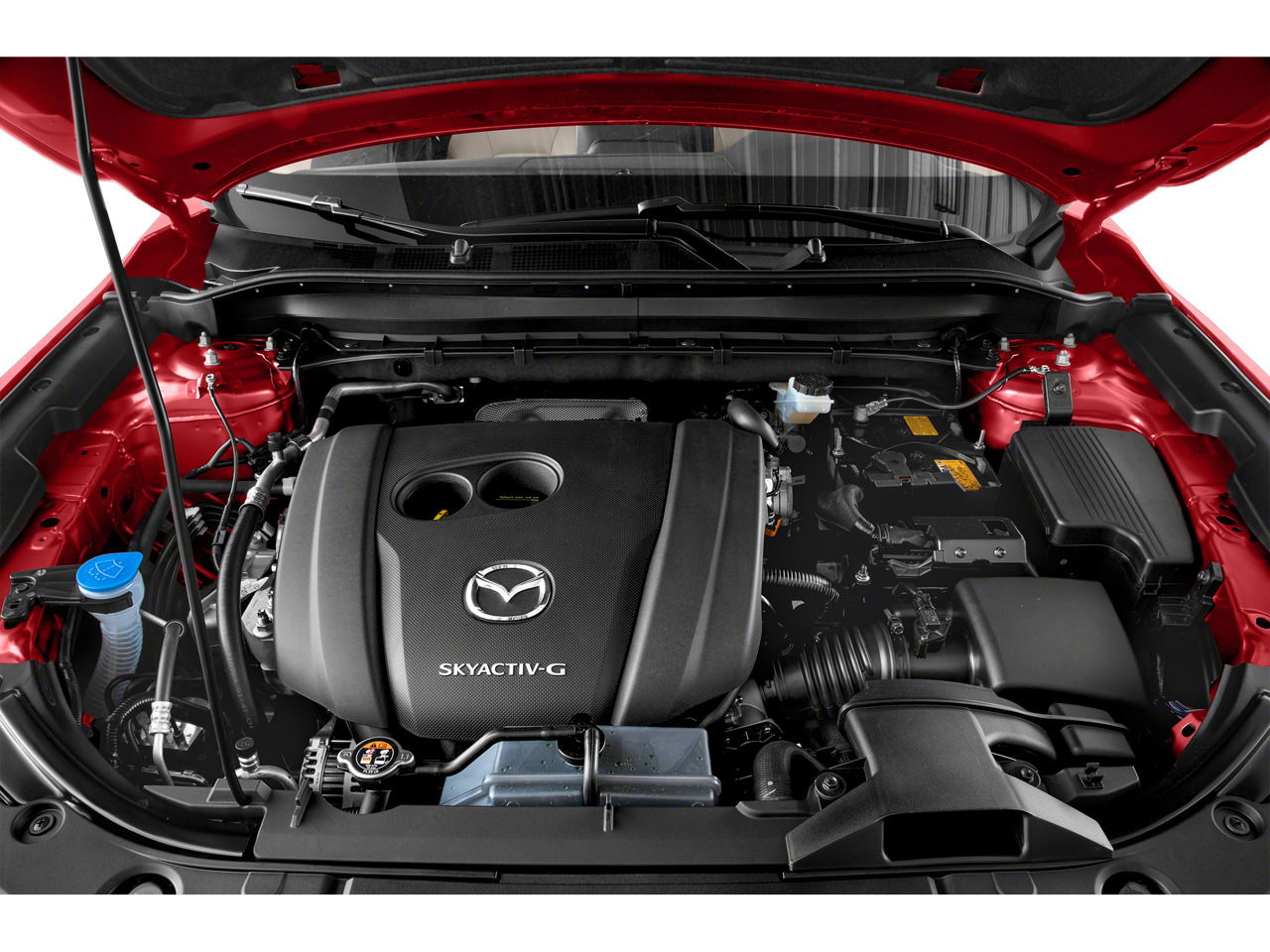
Most modern Mazda CX-5 models feature a fuel tank capacity of 15.3 gallons (58 liters) for All-Wheel Drive (AWD) variants or 14.8 gallons (56 liters) for Front-Wheel Drive (FWD) models. This capacity allows for a total driving range of approximately 350 to 460 miles, depending on the specific engine configuration and driving conditions.
The Mazda CX-5 has established itself as a benchmark in the compact SUV segment for its blend of driving dynamics and premium interior quality. As of 2026, understanding the nuances of its fuel system—including tank capacity, fuel grade requirements, and the technical reasons behind drivetrain-based variations—is essential for both current owners and prospective buyers aiming to optimize their vehicle’s performance and longevity.
Understanding the Drivetrain Variance in Fuel Capacity
One of the most common points of confusion for CX-5 owners is the slight discrepancy in fuel tank size between different trim levels and configurations. Historically, and continuing into the 2026 model year, Mazda utilizes two distinct tank sizes based on the vehicle's drivetrain.
The All-Wheel Drive (AWD) Standard
The vast majority of Mazda CX-5 units sold in North America are equipped with the i-Activ AWD® system. For these models, the gas tank capacity is standardized at 15.3 gallons. The engineering rationale for this larger tank is rooted in fuel economy mathematics. AWD systems, while providing superior traction and stability, introduce additional weight and mechanical drag compared to their FWD counterparts. To ensure that AWD owners do not suffer from a significantly shorter driving range, Mazda engineers allocated extra space for roughly half a gallon of additional fuel.
The Front-Wheel Drive (FWD) Alternative
In markets or specific trim configurations where Front-Wheel Drive is available, the tank capacity is slightly lower at 14.8 gallons. Because FWD models are inherently lighter and experience fewer parasitic power losses through the drivetrain, they achieve higher miles-per-gallon (MPG) ratings. The smaller 14.8-gallon tank allows these models to maintain a "total range" parity with the AWD versions without adding unnecessary weight or taking up additional chassis volume that could be used for suspension travel or cabin insulation.
Mazda CX-5 Fuel Tank Specifications by Generation and Engine
While the physical dimensions of the fuel tank have remained relatively stable across the second generation (KF series), the way the vehicle consumes that fuel varies significantly between the naturally aspirated and turbocharged powerplants.
| Model Year / Configuration | Drivetrain | Capacity (Gallons) | Capacity (Liters) | Estimated Max Range |
|---|---|---|---|---|
| 2026 Mazda CX-5 2.5 S | AWD | 15.3 | 58.0 | 440 Miles |
| 2026 Mazda CX-5 2.5 Turbo | AWD | 15.3 | 58.0 | 380 Miles |
| 2022-2025 CX-5 (Standard) | AWD | 15.3 | 58.0 | 430 Miles |
| 2017-2021 CX-5 (Standard) | FWD | 14.8 | 56.0 | 450 Miles |
| 2013-2016 CX-5 (First Gen) | AWD | 15.3 | 58.0 | 420 Miles |
Impact of the Skyactiv-G 2.5L Turbo Engine
For owners of the Carbon Turbo or Turbo Signature trims, the 15.3-gallon tank serves a more thirsty engine. The Skyactiv-G 2.5 Dynamic Pressure Turbo engine provides substantial torque but generally operates at a lower MPG than the standard 2.5L engine. When driving a Turbo model, the "real world" capacity feels smaller because the rate of consumption is higher, often resulting in more frequent trips to the gas station despite having the exact same 15.3-gallon reservoir as the non-turbo AWD models.
The "Reserve" Capacity: When Does the Light Really Mean Empty?
A critical aspect of the Mazda CX-5 fuel system is the calibration of the low-fuel warning light. Many drivers report that when the "Distance to Empty" (DTE) hits zero or the low-fuel indicator illuminates, they can only pump 12 to 13 gallons into the tank. This leads to the misconception that the tank is smaller than advertised.
In reality, Mazda engineers incorporate a significant fuel reserve of approximately 2.0 to 2.5 gallons. This reserve serves two primary purposes:
- Fuel Pump Cooling: Modern fuel pumps are located inside the gas tank and rely on the surrounding gasoline to act as a coolant. Running the tank completely dry exposes the pump to air, which can lead to overheating and premature mechanical failure.
- Safety Margin: To prevent drivers from becoming stranded in hazardous locations, the vehicle signals "Empty" well before the physical bottom of the tank is reached.
According to technical documentation and official Mazda owner resources, the low fuel warning typically triggers when there is approximately 2.3 gallons of usable fuel remaining. While this provides a safety net of 50-70 miles, relying on this reserve frequently is not recommended.
Fuel Quality and Its Effect on Range and Efficiency
The capacity of the tank is a fixed hardware specification, but the efficiency of the fuel within that tank depends on the octane rating, especially in Turbo models.
Regular vs. Premium Fuel
For the standard Skyactiv-G 2.5L engine, 87 octane (Regular) is the recommended fuel. Using premium fuel in the non-turbo engine does not increase tank range or horsepower, as the engine is not calibrated to advance timing for higher octane.
However, for the 2.5L Turbo models, the engine’s output changes based on the fuel used. On 93 octane (Premium), the engine produces significantly more horsepower and torque. While the EPA-estimated MPG remains similar between fuel grades, many drivers find that premium fuel offers slightly better "real-world" efficiency during highway cruising or towing, effectively extending the utility of the 15.3-gallon tank.
Ethanol Content Considerations
The Mazda CX-5 is designed to run on E10 fuel (10% ethanol). It is important to note that E15 or higher ethanol blends (like E85) should never be used unless specifically stated in the owner's manual. Ethanol contains less energy per gallon than pure gasoline; therefore, using fuel with higher ethanol content will decrease your total range per tank, making your 15.3 gallons feel like 13 gallons in terms of distance covered.
Maximizing the Range of Your Mazda CX-5
Given that the gas tank capacity is a physical limitation, maximizing the distance between fill-ups requires optimizing the vehicle's efficiency. In 2026, several factors remain pivotal in how much mileage you can extract from a single tank.
Aerodynamics and External Loads
The CX-5 is a sleek SUV, but its drag coefficient increases significantly with the addition of roof racks, cargo boxes, or even window deflectors. If you are planning a long trip and want to maximize your 15.3-gallon capacity, removing unused roof rails can improve highway fuel economy by as much as 2-5%.
Tire Pressure and Rolling Resistance
Under-inflated tires are a leading cause of premature fuel consumption. Maintaining the manufacturer-recommended PSI (usually 35 PSI for the CX-5) ensures that the engine doesn't have to work harder to overcome rolling resistance. Even a 5 PSI drop across all four tires can reduce your per-tank range by 15-20 miles.
Driving Modes and i-Stop Technology
Newer iterations of the CX-5 include refined driving modes. Using "Normal" or "Eco" modes (where available) optimizes transmission shift points to keep the RPMs low, preserving fuel. Additionally, the i-Stop system, which shuts down the engine at red lights, is specifically designed to conserve the fuel that would otherwise be wasted during idling—a factor that doesn't change the tank's capacity but significantly alters how much of that capacity is used for actual movement.
Technical Maintenance of the Fuel System
To ensure that you can always utilize the full capacity of your Mazda CX-5 gas tank, the integrity of the fuel delivery system must be maintained.
The Evaporative Emission (EVAP) System
The EVAP system prevents gasoline vapors from escaping into the atmosphere. A common mistake among drivers is "topping off" the gas tank after the pump nozzle clicks off. This practice can force liquid gasoline into the charcoal canister, which is designed only for vapors. This leads to "Check Engine" lights and can eventually cause issues with the fuel tank's ability to vent properly, making it difficult to fill the tank to its true 15.3-gallon capacity.
Fuel Filter and Injector Health
While Mazda utilizes a "lifetime" fuel filter located within the tank assembly, using high-quality "Top Tier" detergent gasoline is vital. This prevents carbon buildup on the fuel injectors. Clogged injectors lead to poor atomization of fuel, which results in incomplete combustion and a noticeable drop in the range you get from every tank.
Real-World Comparison: CX-5 vs. Competitors
When evaluating the CX-5's 15.3-gallon capacity, it is helpful to see how it stacks up against other popular compact SUVs in the 2026 market.
| Vehicle Model | Tank Capacity (Gallons) | Average Combined MPG | Max Estimated Range |
|---|---|---|---|
| Mazda CX-5 (AWD) | 15.3 | 26 | 398 Miles |
| Toyota RAV4 (AWD) | 14.5 | 30 | 435 Miles |
| Honda CR-V (AWD) | 14.0 | 29 | 406 Miles |
| Hyundai Tucson (AWD) | 14.3 | 25 | 357 Miles |
While the CX-5 has one of the larger physical tanks in its class, its focus on driving performance over extreme fuel sipping means its total range is competitive but not class-leading. The Toyota RAV4, for instance, has a smaller tank but higher efficiency, resulting in a longer total range. However, for drivers who prioritize the Mazda's superior handling and interior refinement, the 15.3-gallon tank provides a more than adequate cushion for daily commuting and long-distance travel.
Common Questions Regarding Mazda CX-5 Fueling
Does the 2026 Mazda CX-5 have a capless fuel filler?
Most recent Mazda CX-5 models have transitioned to a capless fuel filler system or a simplified tethered cap. This design is intended to reduce the risk of evaporative leaks and simplify the refueling process. Always ensure the nozzle is fully inserted to avoid splashing or triggering the auto-shutoff prematurely.
Why does my "Distance to Empty" change suddenly?
The DTE calculation is a rolling average based on your last 20 to 30 miles of driving. If you have been driving in heavy city traffic and then transition to a highway, the computer will recalibrate. You may notice the range stay the same or even increase for a few miles as the system realizes you are now achieving higher efficiency from the remaining fuel in the tank.
Is it safe to use fuel additives in the CX-5?
Generally, Mazda does not recommend fuel additives if you are using high-quality, Top Tier gasoline. The Skyactiv engines are precision-engineered with high compression ratios; unnecessary additives can sometimes interfere with the sensor readings or the catalytic converter's efficiency.
Can I upgrade to a larger fuel tank?
No, the fuel tank in the Mazda CX-5 is a custom-molded plastic component designed to fit precisely within the chassis and around the rear differential (in AWD models). There are no aftermarket "extended range" tanks that are safety-certified for this vehicle.
Final Recommendation for Owners
To get the most out of your Mazda CX-5’s gas tank capacity, adopt a "refill at a quarter-tank" habit. This practice protects the internal fuel pump from overheating and ensures you never have to rely on the 2.3-gallon reserve, which can be unpredictable depending on the incline of the road or the ambient temperature. For those driving the Turbo models, using 93 octane fuel is the best way to ensure the engine operates at peak efficiency, effectively maximizing every drop of the 15.3-gallon capacity.
For further technical data or specific maintenance schedules, refer to the U.S. Environmental Protection Agency (EPA) for updated fuel economy ratings or consult the official Mazda digital service portal.