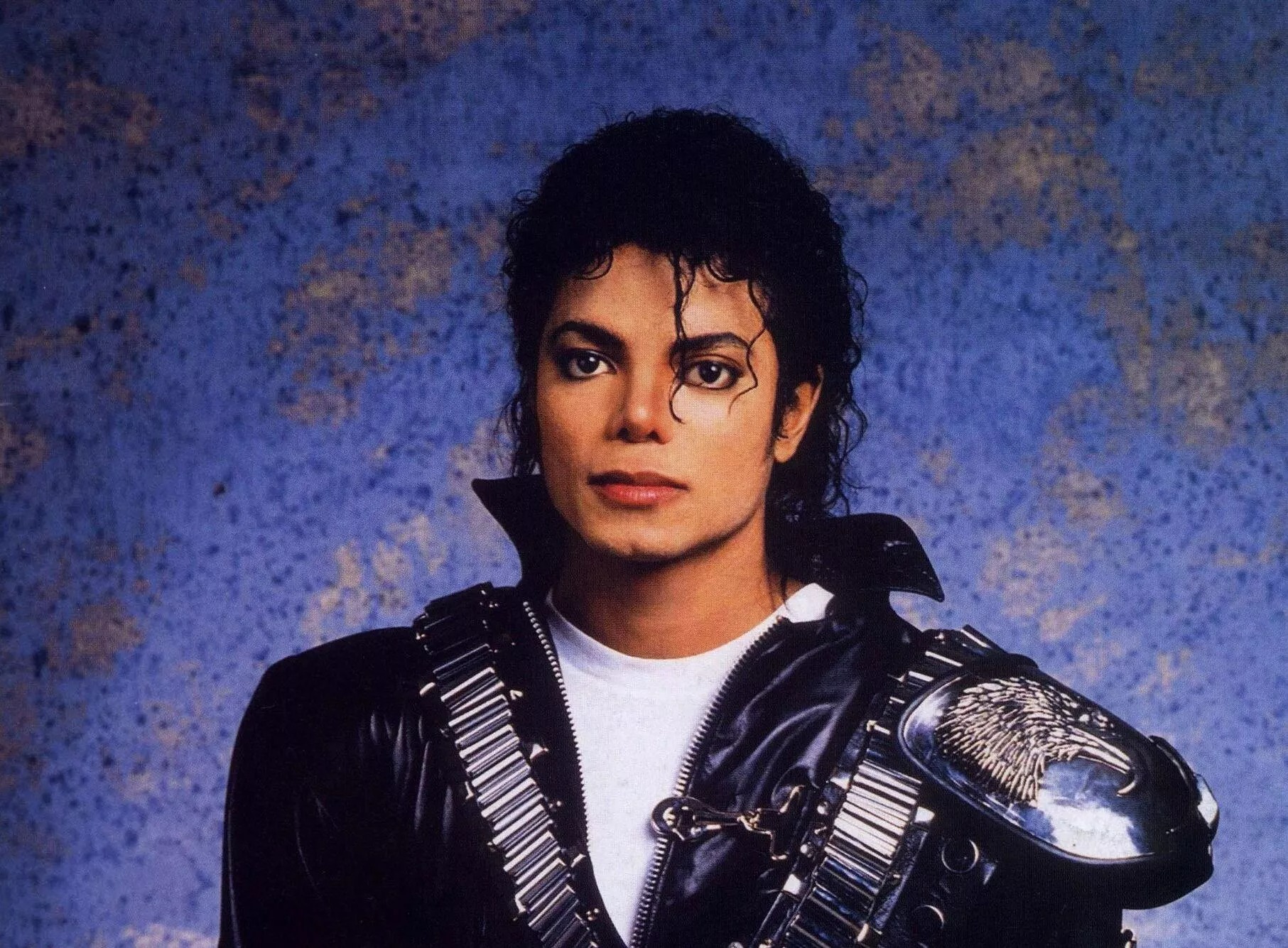
The Jackson 5 never recorded or released an official version of "One Bad Apple (Don't Spoil the Whole Bunch)." While the song is frequently associated with the Motown sound of the era, it was recorded and made famous by The Osmonds in 1970. The persistent association between the song and The Jackson 5 stems from the sonic similarities between the two groups during the late 1960s and early 1970s.
Understanding the Musical Context of the Early 1970s
To understand why fans often associate "One Bad Apple" with The Jackson 5, one must examine the state of pop music in 1970. During this period, the Motown sound, defined by heavy bass lines, tambourines, and call-and-response vocal arrangements, was the dominant force in American popular music. The Jackson 5, led by a young Michael Jackson, were the primary architects and ambassadors of this "bubblegum soul" sound.
The Osmonds, a family singing group from Utah, were seeking to transition from their country music roots into the burgeoning pop and R&B market. When they approached producer Rick Hall and songwriter George Jackson—who wrote "One Bad Apple"—the explicit goal was to craft a hit that captured the infectious, rhythmic energy that The Jackson 5 had popularized with hits like "I Want You Back" and "ABC."
Because the production style, vocal harmonies, and upbeat tempo of The Osmonds' version were intentionally modeled after the established Jackson 5 formula, the song sounded as though it could have easily been a B-side or an album track for the Motown quintet. This deliberate mimicry has fueled decades of confusion among listeners who associate that specific musical "flavor" exclusively with the brothers from Gary, Indiana.
The Origins of "One Bad Apple" and The Osmonds
"One Bad Apple" was written by George Jackson, an R&B songwriter who had a knack for creating melodies that were catchy, repetitive, and radio-friendly. When The Osmonds recorded the track, it was a massive gamble for a group that had yet to prove their viability in the R&B/Pop crossover charts.
The record reached number one on the Billboard Hot 100 in February 1971. The success of the song effectively signaled the start of a period where The Osmonds and The Jackson 5 were often positioned as professional rivals. The record industry frequently pitted the groups against one another in marketing campaigns, further blurring the lines in the public consciousness regarding which group performed which hits.
It is important to note that Motown Records, the home of The Jackson 5, was incredibly protective of its catalog and its artists' sounds. If The Jackson 5 had recorded a song as significant as "One Bad Apple," it would undoubtedly have been released as a major single or a prominent album feature under the Motown label. No such recording exists in the official discography of the group.
Why the Misconception Persists
The confusion is a textbook example of "brand association" in music. Throughout the early 1970s, many listeners did not have access to instant, granular information about recording sessions or songwriter credits. They heard a song on the radio, identified the "vibe," and mentally filed it under the artist they most closely associated with that sound.
Factors Contributing to the Confusion
- Vocal Similarities: Donny Osmond’s youthful lead vocal on "One Bad Apple" shared a similar range, energy, and phrasing style to Michael Jackson’s lead vocals from the same era.
- Production Style: The heavy influence of the Motown "assembly line" sound meant that competing labels often sought out arrangers who could replicate that exact sonic profile.
- Marketing Rivalry: Magazines like Teen Beat and 16 Magazine frequently placed photos of The Jackson 5 and The Osmonds side-by-side, creating an artificial link between the two groups.
- Compilation Bias: Many budget-label "golden oldies" albums in the 1980s and 1990s often grouped hits of the era together on compilations, frequently placing Jackson 5 tracks adjacent to Osmonds tracks, reinforcing the mental association.
Musical Analysis: Comparing the Sound Profiles
While the styles were similar, a technical ear can distinguish between the two groups by analyzing the nuances of the arrangement and the specific instrumentation used during the sessions.
| Feature | The Jackson 5 (Typical 1970 Style) | The Osmonds ("One Bad Apple" Style) |
|---|---|---|
| Primary Label | Motown (Hitsville U.S.A.) | MGM Records |
| Bass Phrasing | Melodic, high-frequency, funk-driven | Rhythmic, steady, soul-pop pulse |
| Percussion | Tight, crisp snare with heavy tambourine | Softer, more mid-range drum mix |
| Vocal Arrangement | Multi-layered, aggressive harmonies | Polished, close-interval harmonies |
| Signature Tone | Raw, gospel-tinged soul energy | Smoother, studio-polished pop production |
The Jackson 5's sound, particularly on hits written by "The Corporation" (a team of Motown writers/producers), relied heavily on a specific syncopation that was distinct from the more straightforward, radio-ready structure of "One Bad Apple." By comparing the rhythm sections of a track like "ABC" against "One Bad Apple," the differences in percussive attack and harmonic layering become apparent to the critical listener.
Verifying the Discography
To definitively resolve this, one must look at the official studio output of The Jackson 5 between 1969 and 1975. During this time, they released several albums, including Diana Ross Presents The Jackson 5, ABC, Third Album, and Maybe Tomorrow.
Detailed liner notes, BMI/ASCAP copyright registration, and the official Motown archival records show no entry for "One Bad Apple" being recorded by the group. While The Jackson 5 did perform covers of many songs during their live concerts, there is no verified bootleg or live recording evidence that they ever performed "One Bad Apple" as part of their setlist. Their repertoire was tightly controlled by Motown, and their song choices were generally curated to showcase their unique brand of "bubblegum soul."
Cultural Impact of the Rivalry
The perceived rivalry between The Jackson 5 and The Osmonds defined a generation of teenage pop culture. The Jackson 5 represented the urban, rhythmic evolution of soul, while The Osmonds represented a cleaner, more pop-centric aesthetic. Because "One Bad Apple" was such a massive hit, it became the benchmark by which many listeners gauged the talent of boy bands in the early 70s.
Whenever a listener today questions whether The Jackson 5 sang this track, they are usually responding to the cultural memory of that era—a time when the lines between competing musical acts were intentionally blurred by marketing, but also unified by a shared creative aesthetic.
Frequently Asked Questions
Did The Jackson 5 ever perform "One Bad Apple" live?
There is no historical evidence or recorded documentation suggesting that The Jackson 5 ever performed "One Bad Apple" during their live concerts. Their live setlists were carefully managed by Motown to prioritize their own hit singles and established covers.
Did The Osmonds copy The Jackson 5’s sound?
It is widely acknowledged by music historians and even implied by the songwriters themselves that "One Bad Apple" was written and produced specifically to capture the "Motown Sound" that The Jackson 5 had made famous. This makes it an homage rather than a theft, though it was certainly intended to compete for the same audience.
Who is the original singer of "One Bad Apple"?
The song is the signature hit of The Osmonds, featuring lead vocals by Donny Osmond. It was released as a single in 1970 and reached number one on the Billboard Hot 100 in early 1971.
Are there any other songs people confuse between the two groups?
Yes, because both groups occupied a similar space in the "bubblegum soul" and pop-rock transition phases, fans often mix up tracks from the early 1970s. However, the confusion is most acute with "One Bad Apple" due to its specific attempt to replicate the Jackson 5's commercial formula.
Why do some people insist The Jackson 5 sang it?
The confusion often stems from misidentified audio files on early peer-to-peer file-sharing platforms from the late 1990s and early 2000s, where song titles were frequently mislabeled by users. Once an incorrect label takes hold in digital databases, it is difficult to correct, leading listeners to believe they are hearing the Jackson 5 when they are actually hearing The Osmonds.
Recommendations for Further Exploration
If you are interested in the evolution of early 1970s pop music, focus on the differences in production techniques between Motown and MGM Records. Comparing the "Hitsville U.S.A." production style to the "Fame Studios" sound (where The Osmonds recorded) provides deep insight into how a single song could be engineered to sound like a rival group's output.
For those who wish to verify discographies, the most reliable sources remain the official BMI or ASCAP databases, which list the original performers, songwriters, and publishers for every registered song. Using these professional tools allows you to bypass the myths propagated by informal music databases and streaming services.